
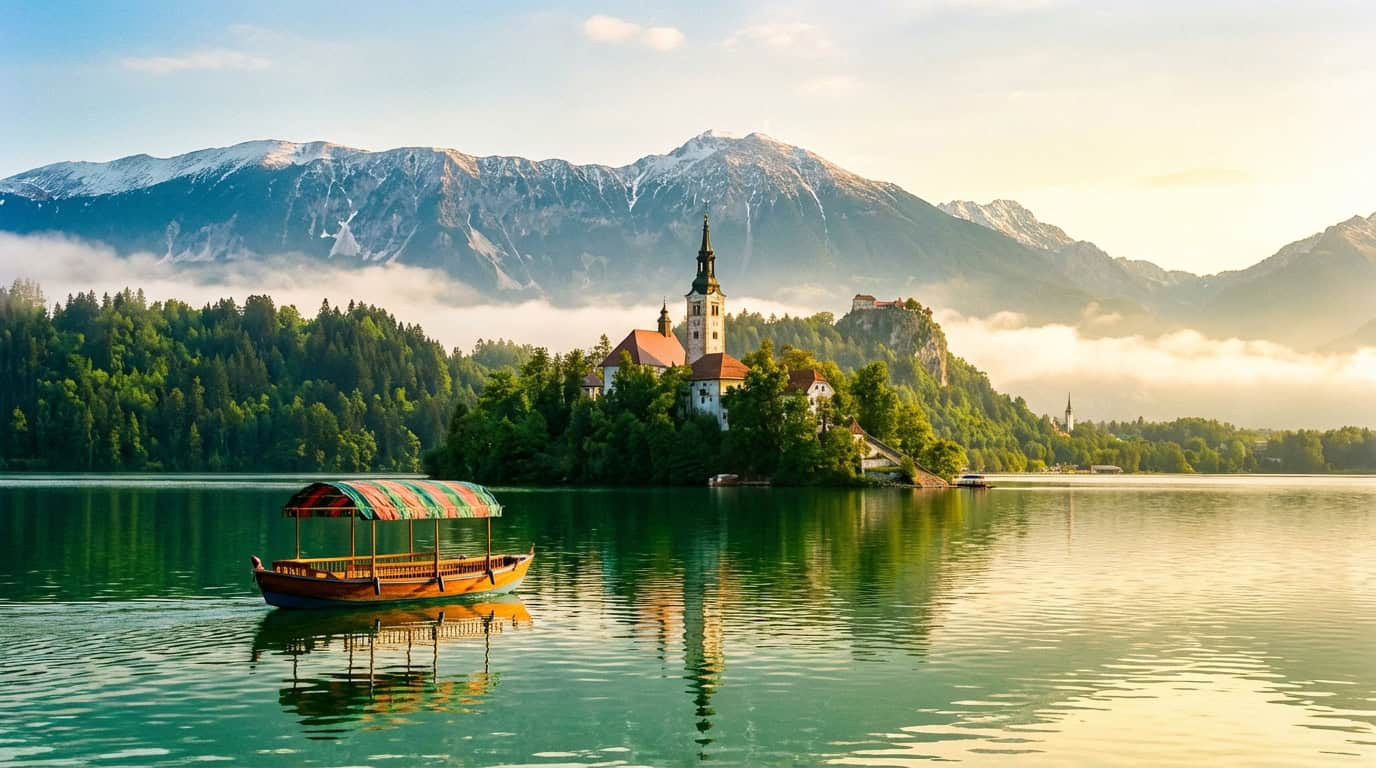
Imagine standing on a cobblestone bridge in Ljubljana, a coffee in hand, watching the emerald water of the Ljubljanica River flow beneath a backdrop of Baroque architecture and a hilltop castle. While crowds swarm the borders of neighboring Italy and Croatia, this hidden gem remains one of Europe’s safest and most affordable secrets, ranked 6th on the Global Peace Index. I’ve gathered these essential Slovenia travel tips to help you explore a country where you can hike through the 880-square-kilometer Triglav National Park in the morning and reach a sun-drenched Adriatic coastline by dinner.
Whether you are a budget traveler looking for a vibrant, walkable capital or a foodie chasing world-class flavors without the long queues, this region offers an intimacy that is rare in modern travel. You’ll find that a 13 EUR ticket to the castle or a strategic Ljubljana Card opens up a world of history and culture that feels both ancient and refreshingly new. From the misty depths of alpine caves to the riverside cafes of the city, the sheer diversity of experiences packed into such a small, accessible space is enough to spark anyone’s wanderlust.
Key Takeaways
- Slovenia serves as a strategic, budget-friendly bridge for travelers moving between the Italian Dolomites and the Croatian coast, offering high safety standards and diverse landscapes within a compact area.
- Maximize your time in Ljubljana by utilizing the pedestrian-friendly city center and the Ljubljana Card, which provides cost-effective access to the castle, museums, and public transit.
- Balance your itinerary by visiting both the iconic Lake Bled for its fairytale scenery and Lake Bohinj for a more rugged, secluded alpine experience within Triglav National Park.
- Ensure a seamless road trip by purchasing a digital Vignette for motorways and booking mountain huts well in advance if planning to summit Mount Triglav during the summer months.
Navigating The Julian Alps And Soča Valley
Crossing the border from the Italian Dolomites into the Julian Alps feels like discovering a well-kept secret that perfectly bridges the gap between Western Europe and the Balkans. To make the most of this transition, I recommend entering via the Predil Pass or the Vršič Pass. The latter features fifty hairpin turns that offer some of the most dramatic vistas in the country. Once you arrive in the Soča Valley, base yourself in the small town of Bovec to stay close to the action without the heavy price tags found in neighboring Italy. This region serves as a strategic hub for those moving toward Croatia, offering a refreshing, budget friendly alternative to the crowded coastal routes. You will find that the emerald waters of the Soča River are just as vibrant in person as they appear in photos, making it the ideal spot for an afternoon of rafting or a quiet riverside hike.
Triglav National Park covers a massive portion of the northwestern territory, and its trails require a bit of planning to avoid the midday sun and the occasional afternoon thunderstorm. I found that starting my hikes from the Vrata Valley provided the most direct access to the limestone peaks, though you should always carry a physical map as cell service can be spotty in the deep glacial ravines. If you are aiming for the summit of Mount Triglav, remember that it is a two day endeavor for most, so be sure to book your mountain hut beds well in advance during the summer months. For a more relaxed experience, the Tolmin Gorges offer a stunning walk through the lowest point of the park with wooden thermal bridges and moss covered canyons. This area highlights Slovenia’s status as one of the safest and most pristine destinations in Europe, providing a seamless link for travelers heading south from the Alps.
Balancing Iconic Lake Bled With Quiet Bohinj
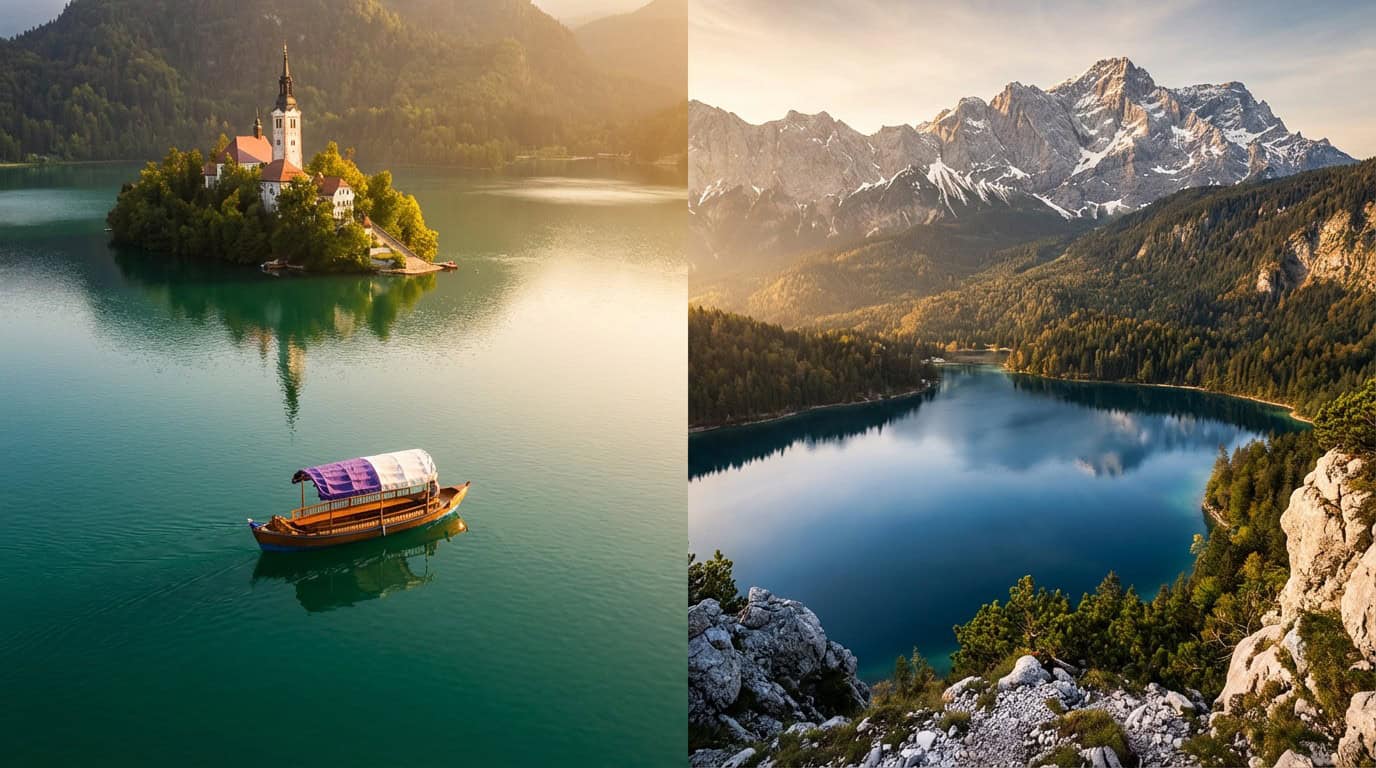
Lake Bled is the postcard image of Slovenia, but the secret to enjoying its emerald waters is all in the timing. I recommend arriving at the Ojstrica trailhead just before dawn to watch the sun illuminate the island church without the midday tour groups blocking your view. While the traditional pletna boat rides are charming, you can save money and find peace by renting your own rowboat on the western shore. This iconic stop acts as the perfect bridge for those traveling between the jagged peaks of the Italian Dolomites and the sun-soaked coast of Croatia. It offers a unique Alpine charm that feels both accessible and magical for budget-conscious hikers.
Just a short twenty minute drive deeper into Triglav National Park lies Lake Bohinj, a place that many locals consider the true heart of the Slovenian mountains. Unlike its more manicured neighbor, Bohinj feels wild and untouched, surrounded by the steep limestone walls of the Julian Alps. I spent an afternoon hiking the perimeter trail and found plenty of secluded spots to swim in the crystal clear water without another soul in sight. It is the ideal base for exploring the Savica Waterfall or taking the Vogel cable car for panoramic views of Mount Triglav. This area provides a sense of rugged tranquility that is often missing from the more crowded tourist hubs in neighboring countries.
For travelers planning a multi-country Balkan or Alpine journey, balancing these two lakes is the best way to experience Slovenia’s diversity. You can spend a morning capturing the fairytale architecture of Bled before retreating to the silent, misty shores of Bohinj for a sunset picnic. This route allows you to maximize your time in one of Europe’s safest and most affordable destinations while staying close to the main transit lines. Whether you are a foodie looking for a cream cake in town or a hiker seeking mountain solitude, these twin lakes offer a complete Slovenian experience. Making the effort to visit both ensures you see the famous sights while still discovering the quiet soul of the countryside.
Maximizing Your Time In Walkable Ljubljana
Ljubljana is a breath of fresh air for travelers moving between the rugged peaks of the Dolomites and the sun-soaked coast of Croatia. The pedestrian-friendly city center is entirely pedestrianized, making it incredibly easy to wander through the Baroque streets without the noise of traffic. I highly recommend picking up a Ljubljana Card as soon as you arrive to make the most of your stay. This pass covers your entry to the iconic Ljubljana Castle and includes the funicular ride up the hill for a bird’s-eye view of the city. It also grants you access to several museums and unlimited travel on the city buses, which is perfect for saving money while exploring.
After you descend from the castle, the best way to soak up the local atmosphere is by heading straight to the Ljubljanica River. The banks are lined with vibrant cafes and colorful umbrellas, creating a lively social scene that feels both sophisticated and relaxed. You can use your city card for a guided boat cruise to see the famous Triple Bridge and Dragon Bridge from a different perspective. I spent hours simply sipping coffee and watching the world go by, enjoying the fact that this capital feels like a hidden gem compared to its busier neighbors. It is the perfect middle ground for an Alpine-Balkan itinerary, offering safety, affordability, and charm.
Practical Logistics For A Cross Border Journey
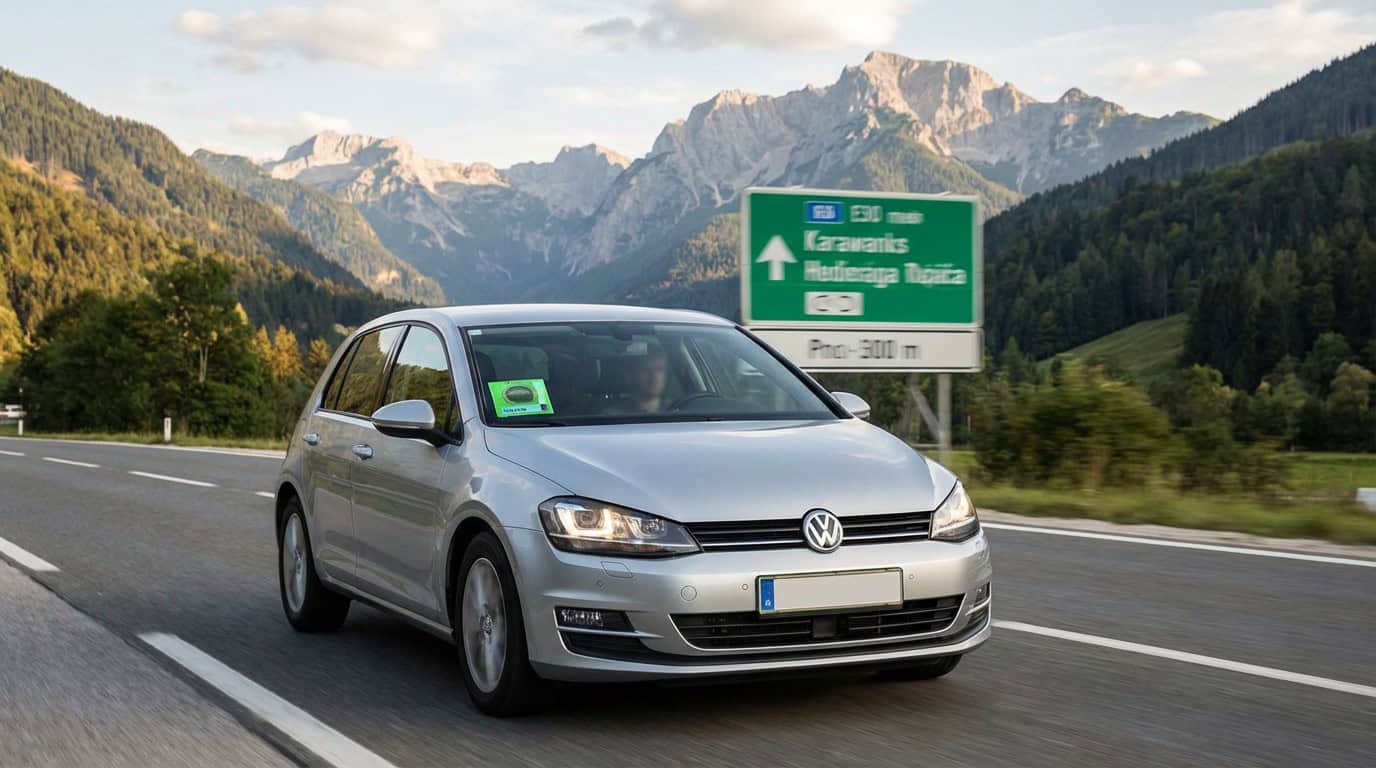
Moving from the rugged peaks of the Dolomites to the emerald waters of Slovenia is remarkably straightforward with a bit of forward planning. When you pick up your car rental, ensure the company allows cross border travel into the Balkans, as this is a common requirement for insurance purposes. Once you cross the border, your first priority is purchasing a Vignette, which is a digital toll sticker required for all Slovenian motorways. You can easily buy these online or at any petrol station near the border to avoid hefty fines. This simple step ensures you can zip between the Julian Alps and the coast without any logistical headaches.
Integrating Slovenia into a larger European loop allows you to experience a diverse range of environments in a single trip. Since the country sits at the crossroads of Central Europe and the Mediterranean, it serves as the perfect geographic bridge between the Italian Alps and the Croatian islands. I recommend starting in the north near Lake Bled for its fairytale scenery before winding your way down through the Postojna Caves toward the Istrian Peninsula. This route keeps driving times short, usually under two hours between major stops, making it an incredibly efficient way to see multiple countries. The well maintained roads and clear signage make it feel like a natural extension of your alpine adventure.
Choosing Slovenia as the centerpiece of your itinerary is a smart move for both your safety and your travel budget. As one of the safest countries in the world, it offers a sense of security that allows you to truly relax while exploring its hidden valleys and vibrant Ljubljana streets. You will find that your money stretches much further here than in neighboring Italy, especially when it comes to boutique accommodations and world class dining. The combination of affordability and accessibility makes it the ultimate strategic link for any road trip enthusiast. There has never been a better time to fill the gap in your travel map and book that ticket to this alpine gem.
Linking the Dolomites to the Croatian Coast
Slovenia is the ultimate bridge for your European adventures, perfectly connecting the rugged peaks of the Italian Dolomites with the sun-drenched coastline of Croatia. I found that this hidden gem offers the best of both worlds, providing alpine hiking trails and Mediterranean charm without the overwhelming crowds found in its more famous neighbors. Whether you are walking the streets of Ljubljana or exploring the vast expanses of Triglav National Park, the transition between these diverse areas feels effortless. It is a strategic addition to any Balkan or Alpine itinerary that maximizes your travel time while lowering your overall costs.
Safety and affordability make this country a dream for independent travelers looking to stretch their budget further. You can enjoy world-class dining and historic castle tours for a fraction of the price you would pay in Western Europe, especially if you utilize the convenient Ljubljana Card for transport and attractions. The local hospitality is incredibly warm, and the compact size of the country means you can drive from the mountains to the sea in just a few hours. I highly recommend taking the time to slow down and appreciate the emerald waters of Lake Bled before continuing your journey south or west.
Ultimately, adding Slovenia to your travel plans ensures a well-rounded experience that captures the true heart of Central Europe. It serves as a peaceful sanctuary where you can recharge in nature before heading into the busier tourist hubs of the Mediterranean. From the deep limestone caves of the south to the vibrant riverside cafes of the capital, the variety here is truly unmatched. Pack your hiking boots and your sense of wonder, because this underrated destination is ready to be the highlight of your next cross-border road trip.