
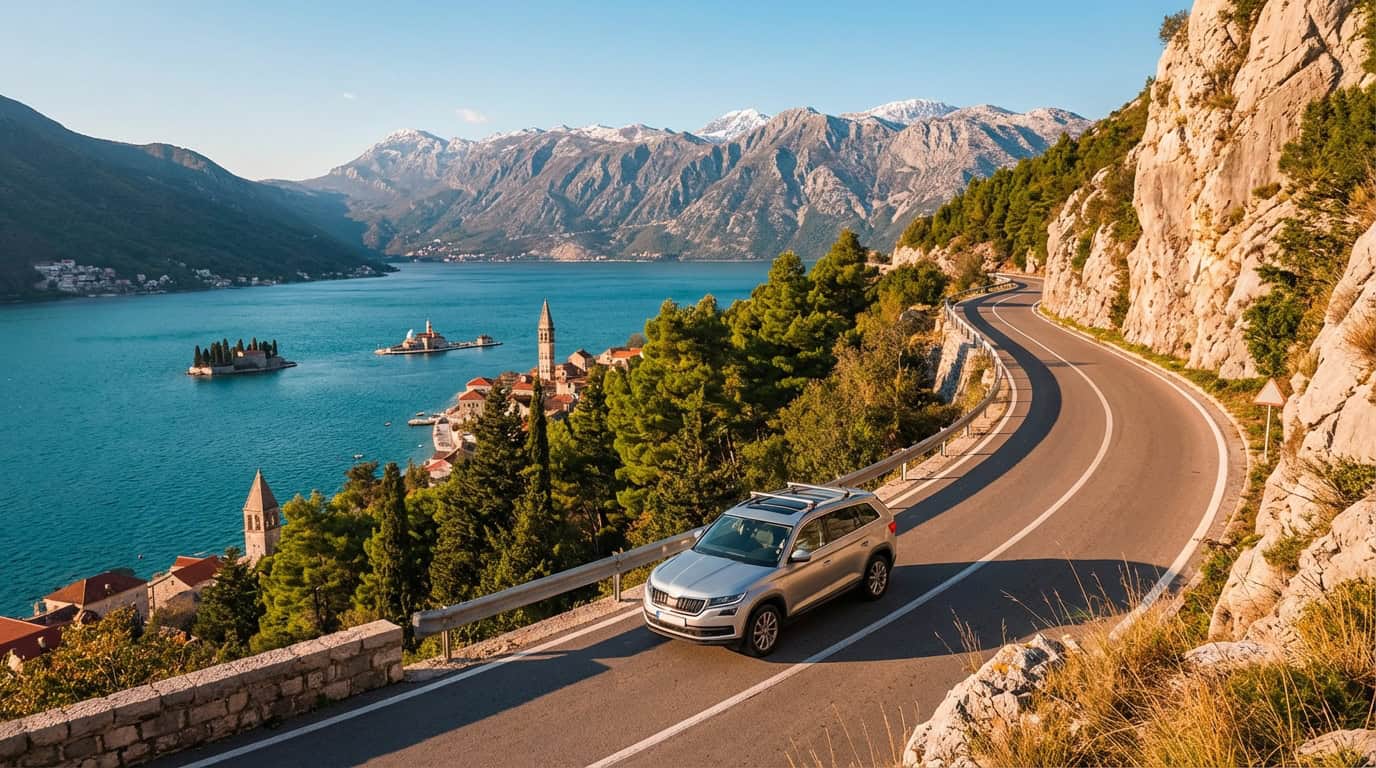
I still remember the first time I rounded the M hairpin on the Kotor Serpentine, watching the Adriatic sun dip behind the limestone peaks of the bay. A Montenegro road trip is the ultimate way to experience this compact powerhouse of a country, where you can wake up on a Mediterranean beach and be hiking through glacial forests by lunchtime. With just over 13,000 square kilometers to explore, every turn of the steering wheel reveals a dramatic shift in scenery that feels like crossing entire continents.
You’ll find yourself passing the emerald waters of the Tara Canyon, Europe’s deepest gorge, before winding through the rugged, cloud-piercing peaks of Durmitor National Park. Whether you’re chasing UNESCO-listed history in the stone streets of Perast or seeking the quiet solitude of Lake Skadar, the freedom of a rental car is your golden ticket. This journey is about more than just getting from point A to B; it is about those spontaneous stops for mountain honey at roadside stalls and the thrill of the open road.
Key Takeaways
- Montenegro’s compact size allows for a diverse road trip where you can travel from Mediterranean beaches to alpine glacial forests and deep canyons in just a few hours.
- Renting a compact car provides the necessary maneuverability for tight coastal streets and the single-lane mountain passes of Durmitor National Park.
- The country offers a high-value, budget-friendly alternative to the Amalfi Coast, featuring UNESCO-listed history and dramatic landscapes at a fraction of the cost.
- Successful navigation of the iconic serpentine roads requires driving during daylight hours, starting early to avoid crowds, and maintaining patience with assertive local drivers.
Driving the Serpentine Curves of Kotor Bay
The drive from Tivat toward the heart of the bay feels like stepping into a cinematic masterpiece where the mountains collide directly with the emerald sea. As you steer along the coastal road, the scale of the limestone cliffs towering above the water provides a dramatic backdrop that rivals the famous vistas of the Amalfi Coast. I highly recommend stopping in the tiny village of Ljuta for a meal at Stari Mlini, a converted flour mill where you can enjoy fresh sea bass right at the edge of a rushing stream. The pace here is delightfully slow, allowing you to appreciate the rustic stone architecture and the scent of wild rosemary drifting through your open car windows. Every turn reveals a new hidden cove or a centuries-old church tucked against the hillside.
Once you reach the medieval walls of Kotor, the real challenge begins with the climb to San Giovanni Fortress. To beat the intense Mediterranean sun and the crowds from the cruise ships, you should start your ascent of the 1,350 stone steps no later than eight in the morning. The effort is rewarded with a panoramic view of the fjord that is arguably the best in the entire Balkan peninsula. After descending, continue your journey to Perast, where the twin islands of Our Lady of the Rocks and Saint George sit perfectly in the center of the bay. I love grabbing a chilled glass of local Vranac wine at a waterfront cafe here while watching the sunset paint the mountains in shades of deep purple.
Scaling the Durmitor Ring and Tara Canyon
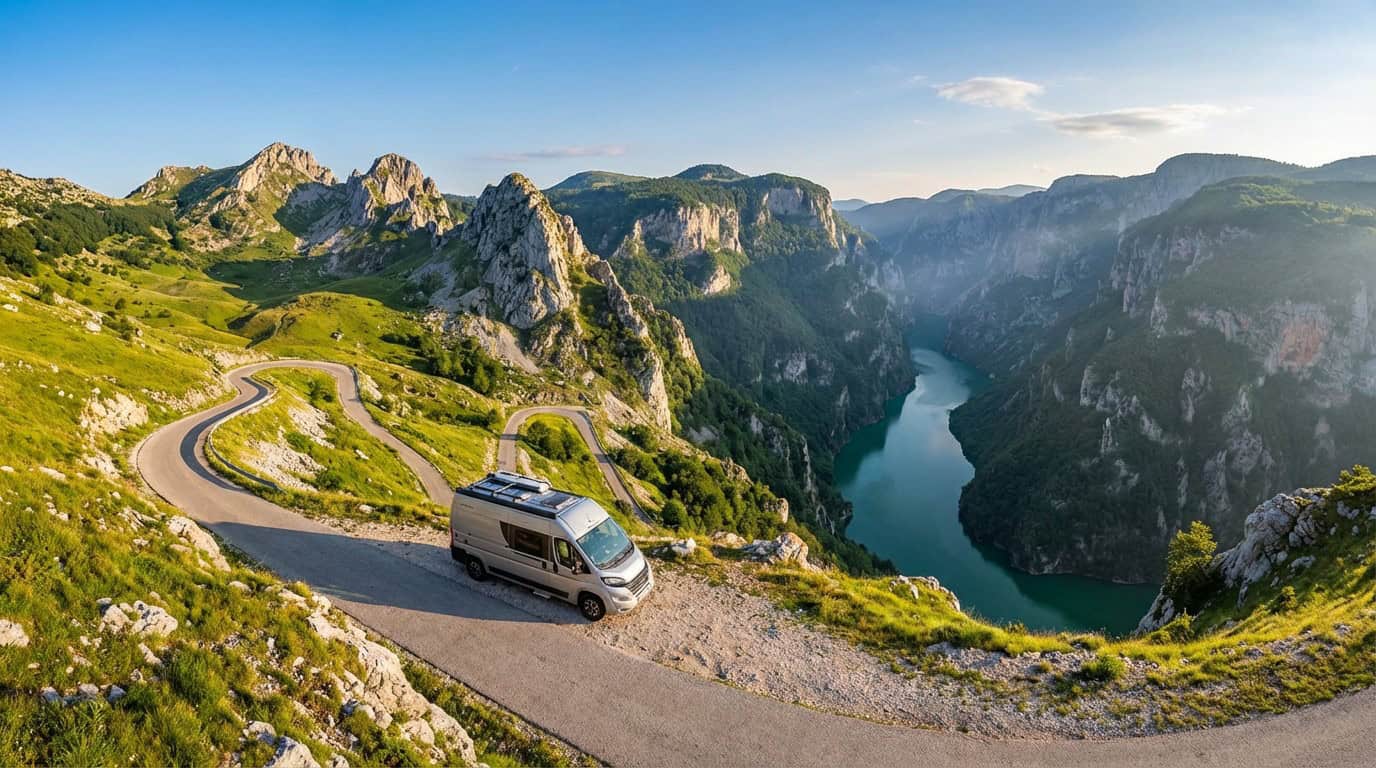
Leaving the azure waters of the Adriatic behind, I began the dramatic ascent into the rugged heart of the north. The surroundings shift rapidly as you trade coastal palms for the limestone giants of Durmitor National Park, where the air turns crisp and the scenery feels almost alpine. Driving the Durmitor Ring is a highlight of any Montenegro road trip, offering a winding route through high mountain passes and vast green plateaus. I found that this region provides a refreshing, budget-friendly alternative to the crowded Italian peaks, with equally stunning vistas at every turn. It is the perfect place to slow down and appreciate the raw, untouched beauty of the Balkan interior.
My first major stop was the glacial Black Lake, a shimmering body of water tucked beneath the shadow of the imposing Medjed Peak. I spent the morning hiking the easy three-kilometer loop around the shore, stopping frequently to admire the reflection of the pine forests in the emerald water. For those seeking more adventure, the trail to Bobotov Kuk offers a challenging climb to the highest point in the range. After the hike, I drove toward the monumental Durdevica Tara Bridge, which spans the deepest river canyon in Europe. Standing 172 meters above the turquoise Tara River, the bridge offers dizzying views and an exhilarating zip line experience for the truly brave.
Handling these mountain roads requires focus, but the well-maintained pavement makes the journey accessible for any confident driver. I recommend starting your day early to beat the afternoon mist that sometimes rolls over the peaks, obscuring the dramatic drop-offs. Make sure to pack layers, as temperatures in Zabljak can be significantly cooler than the sun-drenched beaches of Budva or Kotor. Whether you are photographing the architectural marvel of the bridge or enjoying a quiet moment by the lake, this northern loop captures the adventurous spirit of Montenegro. It serves as a powerful reminder that this compact country holds a world of diverse environments just a few hours from the sea.
Sunsets at Sveti Stefan and Lake Skadar
Driving south along the Budva Riviera offers a masterclass in coastal beauty, where the rugged cliffs eventually give way to the iconic silhouette of Sveti Stefan. This fortified island village, connected to the mainland by a narrow stone causeway, serves as the ultimate backdrop for a sunset picnic on the pink sand beach. While the island itself is a luxury resort, the public shoreline provides a front-row seat to the golden hour as the Adriatic waters turn a deep shade of violet. It is the perfect place to pull over and stretch your legs, offering a glamorous atmosphere that rivals the Amalfi Coast but with a distinctly laid-back Balkan charm. Make sure to arrive an hour before dusk to secure a spot on the rocks for the best photographic angles of the red-tiled roofs.
Leaving the salt air behind, a short and winding drive through the mountains brings you to the tranquil shores of Lake Skadar, the largest lake in Southern Europe. This freshwater paradise feels like a different world entirely, characterized by vast fields of floating water lilies and over 280 species of rare birds. I recommend heading to the small fishing village of Virpazar to hire a traditional wooden boat for a private tour through the narrow channels. Gliding through the reeds as the sun dips behind the karst mountains is a spiritual experience that highlights the incredible diversity of the country. It is an essential stop for any road trip itinerary, providing a peaceful contrast to the bustling beach towns of the coast.
To make the most of this leg of your journey, try to time your visit to the Pavlova Strana viewpoint for a panoramic look at the lake’s famous horseshoe bend. The road leading there is narrow and requires some careful maneuvering, but the sight of the river winding around the green hills is worth every tight turn. For dinner, stop at one of the local lakeside taverns to sample fresh carp and a glass of Vranac, a bold red wine native to this specific region. These small, family-run spots offer an authentic taste of Montenegrin hospitality that you simply cannot find in the more touristy hubs. Ending your day here allows you to truly disconnect and appreciate the slower pace of life that defines the interior.
Essential Tips for Navigating Montenegrin Roads
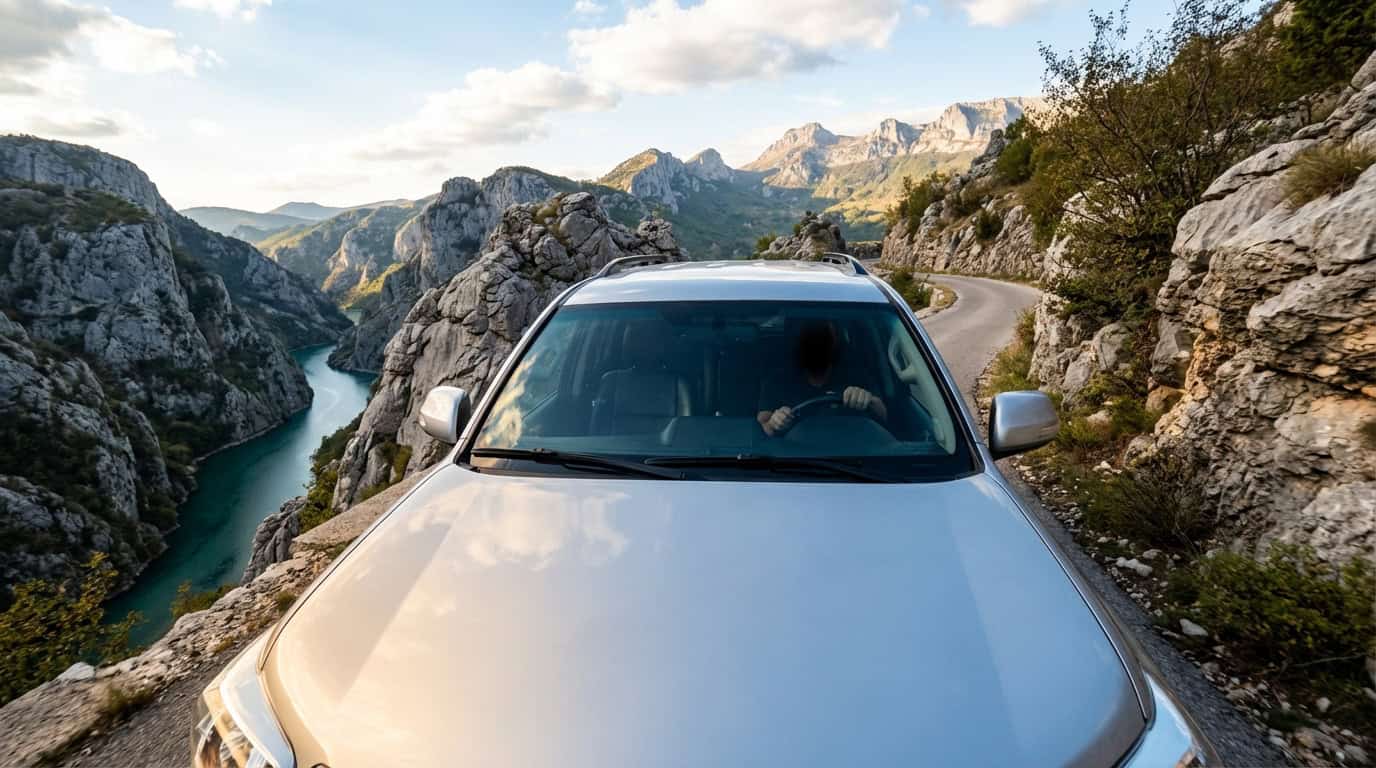
Renting a car in Montenegro is surprisingly straightforward, but you should prioritize a compact car to handle the tight coastal streets and mountain bends. While the major highways are well-maintained, you will likely encounter the legendary P14 road through Durmitor National Park, where the pavement shrinks to a single lane in several sections. I recommend choosing a local rental agency for better rates, though you must ensure your insurance covers the Green Card if you plan on crossing into neighboring countries. Always keep some small cash on hand for the occasional tunnel toll or parking fee in popular spots like Kotor.
Budgeting for this Balkan adventure is a breath of fresh air compared to the steep prices of the nearby Amalfi Coast. You can find charming stone guesthouses for a fraction of what you would pay in Italy, allowing your travel fund to stretch much further. Fuel is reasonably priced, but the real savings come from the local cuisine where a hearty meal of grilled meats or fresh seafood rarely breaks the bank. I found that setting aside roughly sixty to eighty euros per day covers a comfortable mid-range experience including your car, food, and entrance fees to national parks.
Driving the famous serpentine roads above the Bay of Kotor requires a steady hand and a bit of patience when meeting oncoming traffic. These hairpin turns offer some of the most dramatic views in Europe, so I suggest planning your drives during daylight hours to fully appreciate the scenery. Local drivers are often assertive, so it is best to stay calm, use your horn lightly on blind corners, and pull over at designated viewpoints to let faster traffic pass. This slower pace not only keeps you safe but also allows you to soak in the jagged peaks and turquoise waters that make this region so special.
Why Montenegro Belongs on Your Bucket List
Montenegro is arguably the most underrated driving destination in the world, offering a concentrated dose of drama that rival European coastlines simply cannot match. While the crowds flock to the Amalfi Coast or the neighboring shores of Croatia, this Balkan gem provides a more intimate and budget-friendly alternative without sacrificing any of the visual splendor. Within just a few hours of driving, you can transition from the sun-drenched stone palaces of the Bay of Kotor to the rugged, snow-capped peaks of Durmitor National Park. The sheer diversity packed into such a compact area makes every mile feel like a new discovery. It is a place where the road itself becomes the main attraction, twisting through ancient forests and alongside turquoise rivers that glow with an almost otherworldly intensity.
Planning your own loop through this region is the best way to experience the raw beauty of the Adriatic and the Dinaric Alps in one seamless journey. Whether you are handling the legendary serpentine hairpins of Lovcen or crossing the towering Djurdjevica Tara Bridge, the sense of freedom is unparalleled. You will find that the well-maintained roads and manageable distances allow for a perfect balance of adventure and relaxation. I encourage you to rent a car, download your favorite playlist, and start your engine for a circuit that promises memories far beyond the typical tourist trail. Montenegro is waiting to be explored, and there is no better time than now to discover its winding paths for yourself.