
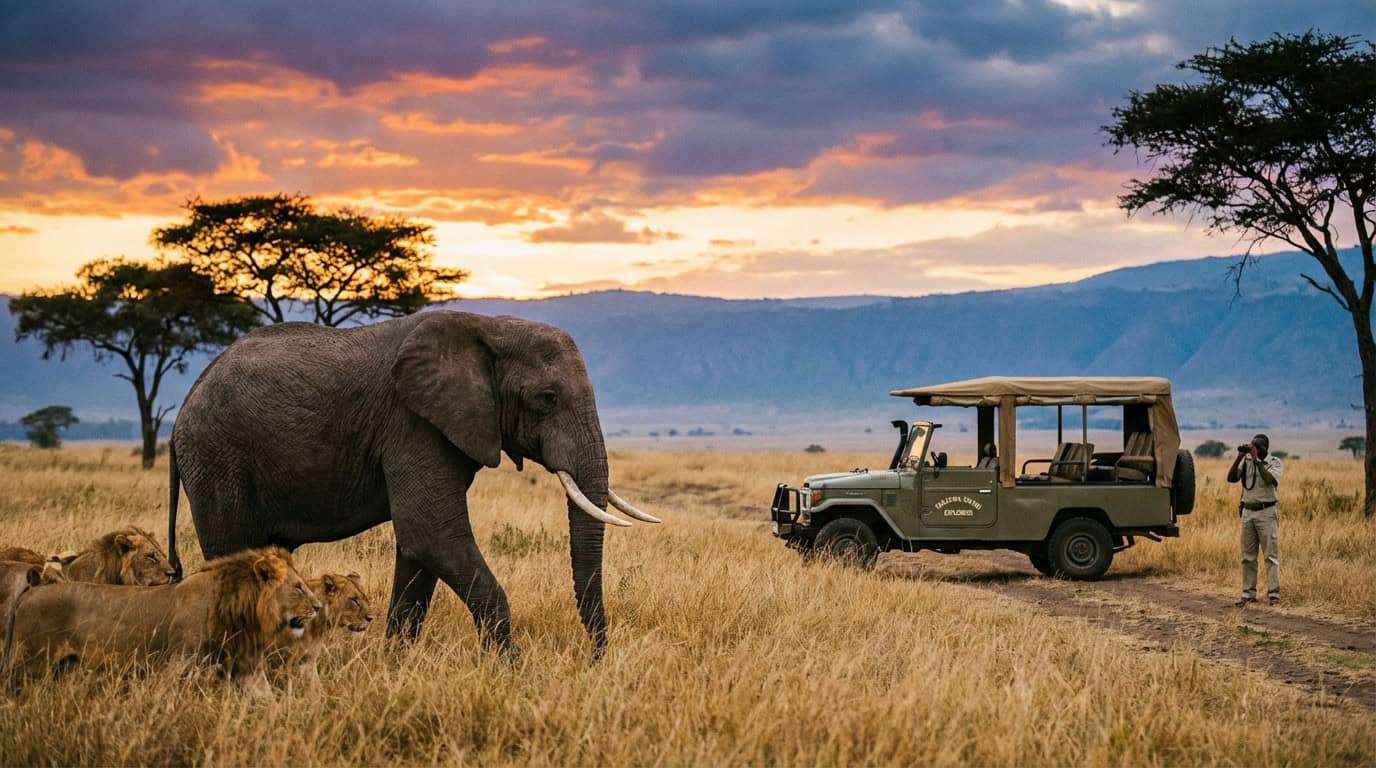
There is a specific kind of magic that settles over you when the sun rises over the Serengeti, painting the acacia trees in hues of gold and violet. I remember my first morning on the savannah, breath held tight as a pride of lions moved silently through the tall grass just feet from our vehicle. To truly capture these moments, you need a comprehensive tanzania safari guide that helps you understand the sheer scale of this wild environment. From the thundering hooves of the Great Migration to the prehistoric stillness of the Ngorongoro Crater, this is a destination that demands your full presence.
Whether you are drawn to the iconic Northern Circuit or the rugged, untouched wilderness of the South, planning a trip here is about balancing grand adventure with intimate details. You might find yourself marveling at the giant baobabs of Tarangire one day and watching elephants bathe in the marshes of Lake Manyara the next. Success lies in understanding the rhythm of the seasons and knowing exactly where the herds are moving across the endless plains. Every trail tells a story, and with the right roadmap, you can ensure your journey becomes a lifelong memory of Africa’s most breathtaking wonders.
Key Takeaways
- Timing is critical for a successful safari, with the dry season from June to October offering the best wildlife visibility and the most dramatic Great Migration river crossings.
- The Northern Circuit provides a reliable path to seeing the Big Five within iconic landscapes like the Serengeti and the Ngorongoro Crater, while the Southern and Western circuits offer remote, intimate encounters with chimpanzees and riverine wildlife.
- Effective packing requires neutral-toned layers to blend into the environment and protection against significant temperature shifts, particularly for chilly early morning game drives in the highlands.
- A meaningful journey requires balancing high-energy predator tracking with cultural respect and mindfulness when engaging with local communities like the Maasai.
Navigating The Iconic Northern Circuit Highlights
The Northern Circuit is the crown jewel of East Africa, acting as a gateway to the most legendary wildlife spectacles on the planet. My journey through this region began in the vast plains of the Serengeti, where the horizon seems to stretch into infinity and the air hums with the energy of the Great Migration. Watching over a million wildebeest and zebras move in a synchronized, thundering mass is a soul-stirring experience that reminds you of nature’s raw power. I recommend timing your visit between June and October to witness the dramatic river crossings, but the park offers incredible resident predator sightings all year round. It is a place where you can feel the pulse of the wild directly beneath your feet during a sunset game drive.
Transitioning from the open plains to the enclosed wonder of the Ngorongoro Crater feels like stepping into a prehistoric lost world. This massive volcanic caldera acts as a natural sanctuary, sheltering over 30,000 animals within its steep, lush walls. I was struck by how easy it is to spot the Big Five here, including the rare black rhino, all against the backdrop of the shimmering Lake Magadi. The density of wildlife is truly unparalleled, making every turn of the safari vehicle a new opportunity for a breathtaking photograph. To get the most out of your visit, I suggest arriving at the crater floor at sunrise to avoid the midday crowds and catch the lions while they are still active.
While the big names often steal the spotlight, the charm of the Northern Circuit lies in the diversity of its smaller parks like Tarangire and Lake Manyara. Tarangire captured my heart with its ancient, towering baobab trees and the massive elephant herds that congregate along the riverbanks during the dry season. Meanwhile, Lake Manyara offers a stunning contrast with its groundwater forests and pink-hued shores crowded with flamingos. Combining these distinct ecosystems into one itinerary provides a comprehensive tanzania safari guide to the region’s natural beauty. It is the perfect blend of iconic landmarks and hidden gems that makes this circuit a priority for any traveler.
Exploring Remote Southern And Western Wilderness
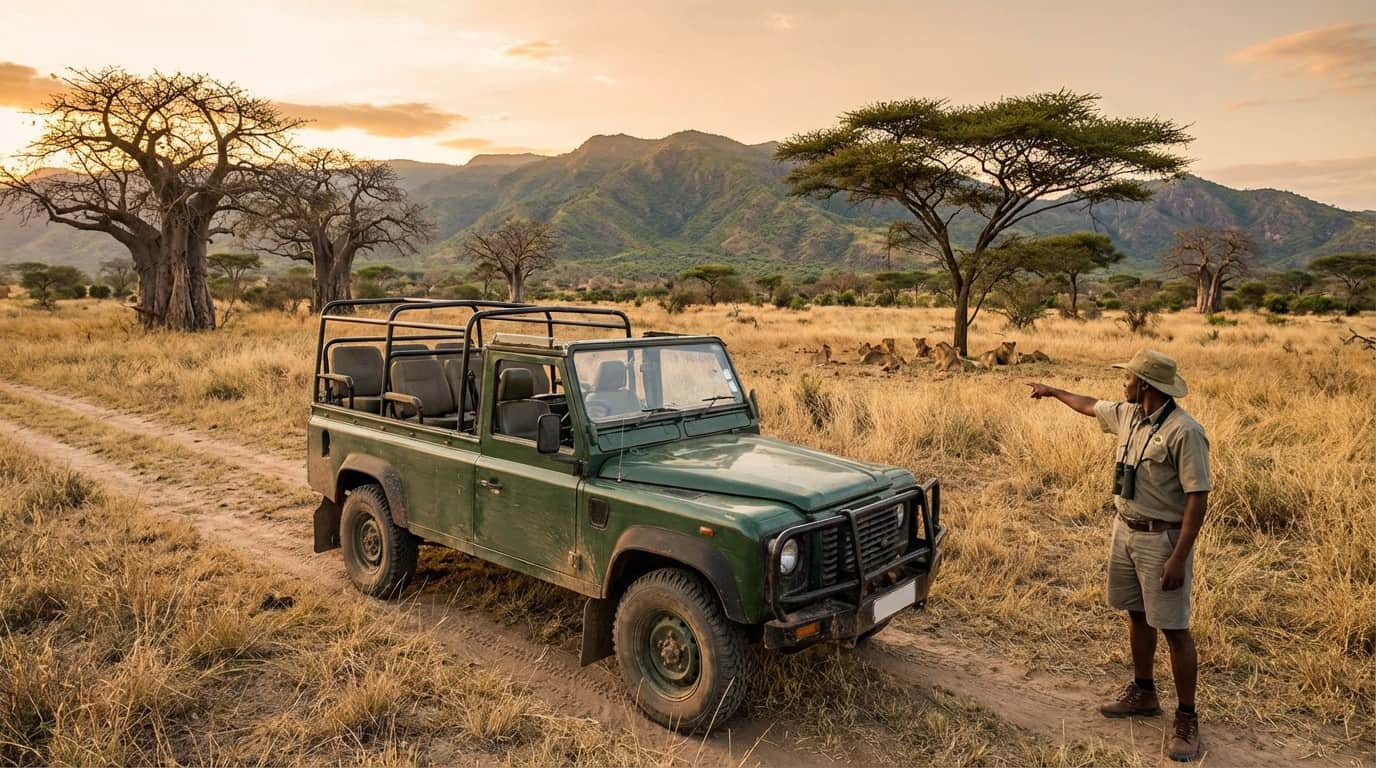
While the famous plains of the north draw the largest crowds, venturing into the southern circuit felt like I had stepped into a private, untouched world. Nyerere National Park, formerly known as Selous, is a sprawling expanse of riverine forests and emerald lagoons that provides a raw and rugged charm. I spent my mornings drifting down the Rufiji River on a boat safari, watching hippos surface like smooth stones while crocodiles basked on the muddy banks. The silence here is profound, broken only by the call of a fish eagle or the rustle of an elephant moving through the tall grass. It is the perfect destination for those seeking solitude and a deeper connection with the wild.
The journey takes an even more magical turn when you travel west to the shores of Lake Tanganyika to explore the Mahale Mountains. This remote outpost is accessible only by boat or light aircraft, making the arrival feel like a true expedition into the heart of the continent. I found myself trekking through dense, verdant rainforests on a quest to find the world’s most famous population of wild chimpanzees. There is no experience quite like sitting quietly on the forest floor as a family of chimps grooms one another just a few feet away. The sheer intimacy of the encounter, combined with the backdrop of crystal clear lake waters and white sandy beaches, makes this a highlight for any serious adventurer.
To make the most of this remote itinerary, I recommend planning for at least four days in each location to account for the travel time between these secluded regions. You should pack sturdy hiking boots for the mountainous terrain and neutral colored clothing to blend into the bush during walking safaris. Be sure to book your chimpanzee trekking permits well in advance, as group sizes are strictly limited to protect the primates and their habitat. Combining these two parks offers a diverse perspective on Tanzania that goes far beyond the traditional savanna experience. This route provides a rare opportunity to see a side of the country that remains blissfully off the beaten path.
Essential Planning Tips For Your Tanzanian Journey
Timing your arrival is the first step in witnessing the raw drama of the East African wilderness. If you want to see the Great Migration thundering across the plains, plan your visit between late June and October when the dry season brings animals to the rivers. During these months, the vegetation is thinner and wildlife congregates around water holes, making it much easier to spot a leopard lounging in a tree or a pride of lions on the hunt. For those who prefer a quieter experience with lush green landscapes, the emerald season from January to March offers beautiful birdwatching and the chance to see newborn calves in the southern Serengeti.
Packing for the bush requires a balance of practicality and comfort to ensure you stay focused on the scenery rather than your wardrobe. I always recommend layers in neutral earth tones like khaki, olive, and tan, as these colors help you blend into the environment and avoid attracting unwanted insects. Mornings in the Ngorongoro Crater can be surprisingly chilly, so a warm fleece is just as important as a wide brimmed hat and high SPF sunscreen for the midday heat. Do not forget a sturdy pair of binoculars and a quality camera, because the scale of these landscapes is something you will want to capture in vivid detail.
Stepping into a Maasai boma is a profound privilege that requires a deep sense of respect and cultural mindfulness. These iconic pastoralists have lived alongside Tanzania’s wildlife for centuries, and their traditions are a vital part of the region’s soul. Always ask for permission before taking photographs of people or their homes, and try to learn a few basic greetings in Swahili or Maa to show your appreciation. Engaging with local communities through a genuine lens of curiosity and humility transforms a standard vacation into a meaningful journey of human connection.
A Dream Seven Day Tanzania Safari Itinerary
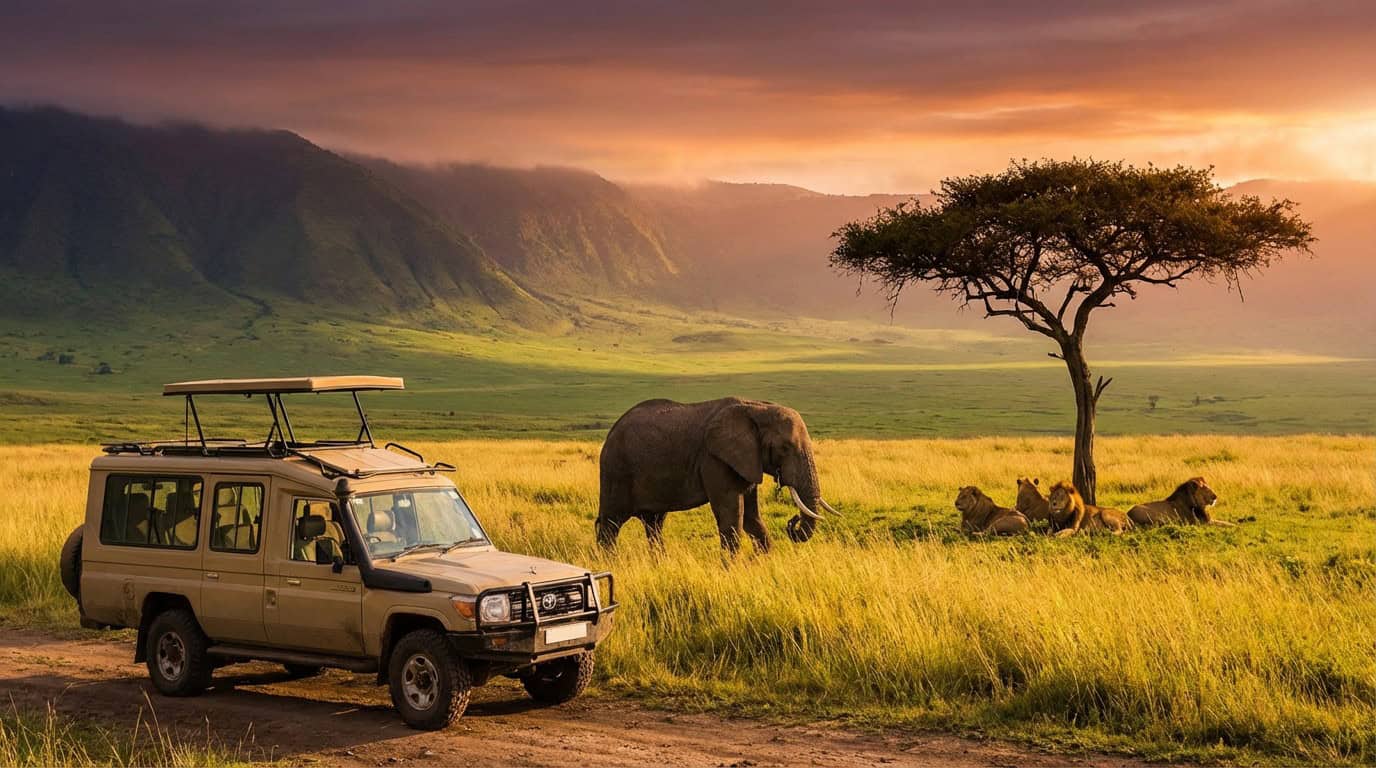
Your journey into the heart of the wild begins in Arusha, the gateway to a landscape that feels as though it was pulled straight from an epic storybook. On day one and two, we head toward Tarangire National Park, where massive baobab trees tower over some of the largest elephant herds on the continent. I still remember the first time I saw a family of elephants silhouetted against a golden sunset, a moment that perfectly captures the raw beauty of the Northern Circuit. After exploring the elephant corridors, we move to Lake Manyara to spot the famous tree climbing lions lounging among the branches. This diverse start ensures you see a variety of ecosystems before reaching the true icons of the Tanzanian wilderness.
The middle of our week is dedicated to the legendary Serengeti National Park, a place where the horizon seems to stretch on forever. We spend days three through five traversing these endless plains, tracking the Great Migration and searching for the elusive leopard hidden in the acacia trees. There is nothing quite like the thrill of a sunrise game drive, watching the savanna wake up as the air fills with the sounds of grazing zebras and distant predators. I recommend staying in a mobile tented camp to truly immerse yourself in the sights and sounds of the bush. It is an experience that bridges the gap between luxury and the rugged spirit of adventure.
We conclude this adventure by descending into the Ngorongoro Crater on day six, a natural amphitheater that hosts an incredible density of wildlife. Within this ancient volcanic caldera, you have the best chance to spot the rare black rhino and complete your Big Five checklist in a single afternoon. On day seven, we enjoy a slow morning taking in the crater rim views before making the scenic drive back to Arusha. This itinerary balances the high energy of predator sightings with the serene beauty of Tanzania’s unique geology. It provides a comprehensive introduction to a country that will undoubtedly capture your heart and leave you planning your next return.
Bringing the Magic of the Serengeti Home
Returning home from a Tanzanian safari is never quite as simple as unpacking a suitcase and scrolling through photos of the Big Five. There is a profound shift that happens when you witness the sun rising over the Serengeti or watch a matriarch elephant lead her herd through the baobabs of Tarangire. You begin to realize that we are merely guests in a vast, ancient world that operates on its own rhythm and rules. This journey invites you to step outside your own story and appreciate the raw, unfiltered beauty of a landscape that has remained unchanged for millennia. It is a humbling experience that strips away the noise of modern life, leaving you with a newfound reverence for the delicate balance of our planet.
The true magic of this East African adventure lies in how it recalibrates your sense of wonder and perspective. Whether you are staring into the depths of the Ngorongoro Crater or following the dust clouds of the Great Migration, you are seeing nature in its most powerful and honest form. These moments stay with you, serving as a constant reminder of the incredible diversity and resilience of the wild. You will find yourself looking at the natural world back home with softer eyes and a deeper understanding of why these spaces must be protected. Much like the stark, ancient sands of other African regions, a safari in Tanzania is not just a vacation to check off a list, but a transformative chapter that will forever change the way you see the earth.
Frequently Asked Questions
1. When is the best time to witness the Great Migration in the Serengeti?
To see the dramatic river crossings, you should plan your visit between June and October when the herds face the currents. However, the Serengeti offers incredible resident predator sightings and breathtaking landscapes all year round, so there is never a bad time to go.
2. What makes the Ngorongoro Crater a must-see destination?
The crater provides a prehistoric stillness and a unique ecosystem where wildlife is concentrated within the walls of a collapsed volcano. It is one of the best places to see the Big Five in a single day, offering a backdrop that feels like stepping back in time.
3. Should I choose the Northern Circuit or the Southern wilderness?
The Northern Circuit is perfect for iconic highlights like the Serengeti and Ngorongoro Crater, especially for first-time visitors. If you crave a rugged and untouched experience away from the crowds, the Southern parks offer a more intimate and wild adventure.
4. What can I expect to see in Tarangire and Lake Manyara?
Tarangire is famous for its giant baobab trees and massive elephant herds that gather along the river. At Lake Manyara, you can watch elephants bathe in the marshes and look for the legendary tree-climbing lions nestled in the mahogany branches.
5. How do I plan a successful safari itinerary?
Success lies in understanding the rhythm of the seasons and tracking the movement of the great herds across the plains. I recommend balancing grand adventures in the famous parks with quiet moments in lesser-known areas to truly capture the magic of the region.
6. What should I pack for my Tanzanian adventure?
Pack lightweight, neutral-colored clothing to blend into the savannah and stay cool during the sunny afternoons. Don’t forget a warm jacket for those crisp early morning game drives and a high-quality pair of binoculars to spot lions hiding in the tall grass.