
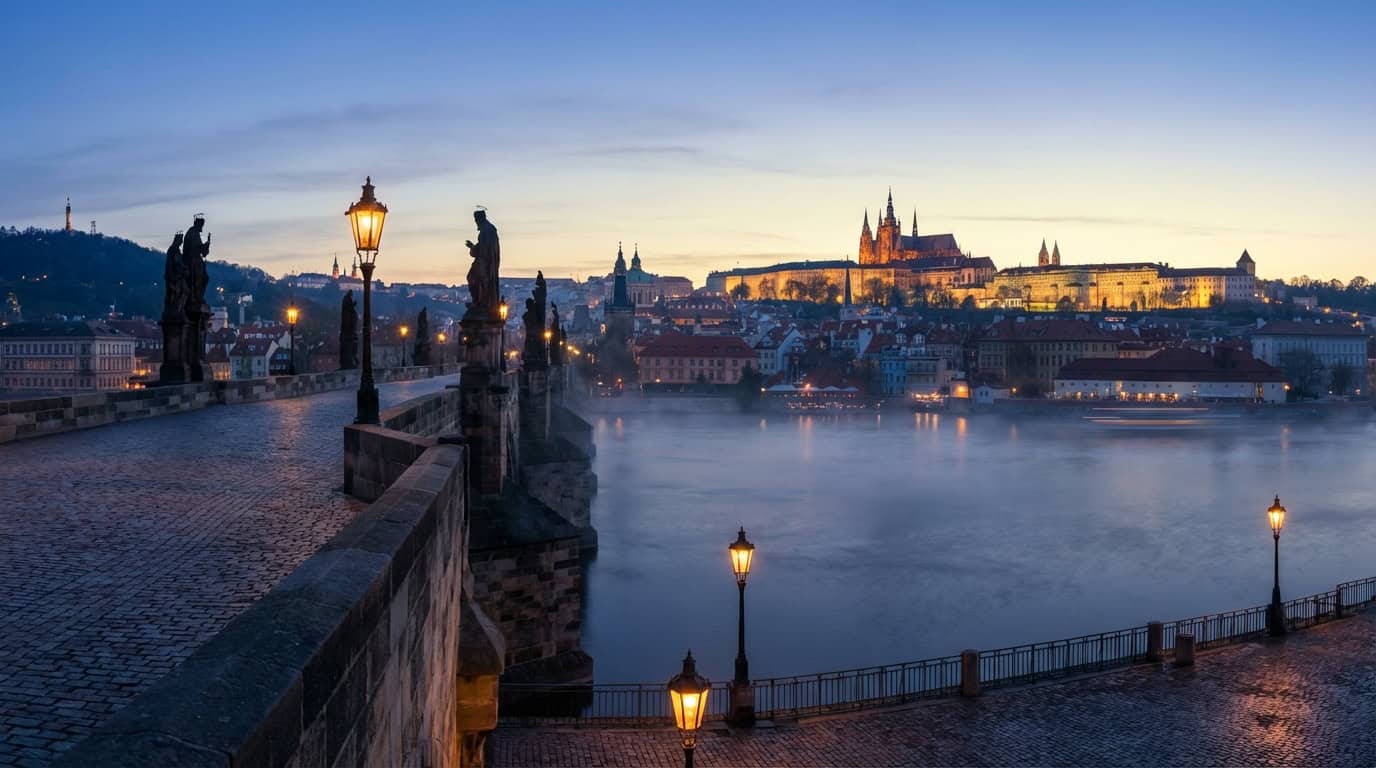
Prague is a city that feels like a living fairytale, where the scent of warm trdelník wafts through cobblestone alleys and Gothic spires pierce the misty morning skyline. Whether you are exploring the medieval heart of the Old Town or seeking out the sophisticated energy in the trendy districts beyond the center, this prague city guide is designed to help you discover a deeper, more sustainable side of the “City of a Hundred Spires.” With over six million travelers flocking here recently, the secret is out, but there is still a quiet magic to be found if you know where to look.
I remember standing on the Charles Bridge at dawn, watching the first light hit the Vltava River, and realizing that Prague is as much about these quiet, soulful moments as it is about its grand history. Today, the city is evolving into a premium destination that balances its rich heritage with world-class services and hidden gems tucked away from the main tourist trail. From the majestic heights of the Castle district to the vibrant local cafes of Vinohrady, your journey through the Czech capital promises to be an unforgettable blend of old-world charm and modern elegance.
Key Takeaways
- Venture beyond the crowded historic center to neighborhoods like Vinohrady and Vršovice to experience Prague’s authentic culinary scene, modern energy, and sustainable tourism.
- Utilize the city’s efficient tram system and contactless payment terminals to easily navigate between major landmarks and local districts.
- Visit iconic sites like the Charles Bridge and Old Town Square at dawn to appreciate the Gothic architecture and soulful atmosphere before the daily tourist crowds arrive.
- Balance your itinerary by pairing world-class landmarks like Prague Castle with quiet retreats such as the riverside embankments at Naplavka or the hilltop Vyšehrad fortress.
Iconic Landmarks Of The Historic Center
Old Town Square serves as the vibrant heart of the city, where the intricate Astronomical Clock draws a crowd every hour for its mechanical performance. I always recommend arriving early in the morning to truly appreciate the Gothic spires of the Tyn Church before the midday bustle begins. As you wander through the surrounding cobblestone alleys, you will notice the seamless blend of Baroque and Renaissance architecture that makes this district feel like a living museum. This area is the perfect starting point for your Central European adventure, offering a dense concentration of history within a walkable radius. Be sure to look up at the colorful house signs that once served as addresses for the medieval residents.
Crossing the Charles Bridge is a rite of passage for any traveler, especially when the soft light of dawn hits the thirty statues lining the balustrade. I love the way the Vltava River reflects the city lights, creating a magical atmosphere that has inspired artists for centuries. You can browse the stalls of local painters or listen to street musicians whose melodies echo against the ancient stone arches. While it can get busy, the bridge remains the most iconic link between the Old Town and the charming Lesser Town. It provides a stunning vantage point for photos of the sprawling castle complex sitting high on the hill above.
The journey culminates at Prague Castle, a massive complex that holds the title of the largest ancient castle in the world. I find that walking through the Great South Tower offers one of the most breathtaking views of the city’s red-tiled roofs and countless spires. Inside the walls, the St. Vitus Cathedral dominates the skyline with its dramatic stained glass and soaring vaulted ceilings. You should also take time to explore Golden Lane, a tiny street of colorful houses where famous writers once lived and worked. This historic site perfectly completes the golden triangle of travel, bridging the gap between your visits to Budapest and other regional gems.
Authentic Czech Flavors And Riverside Relaxation
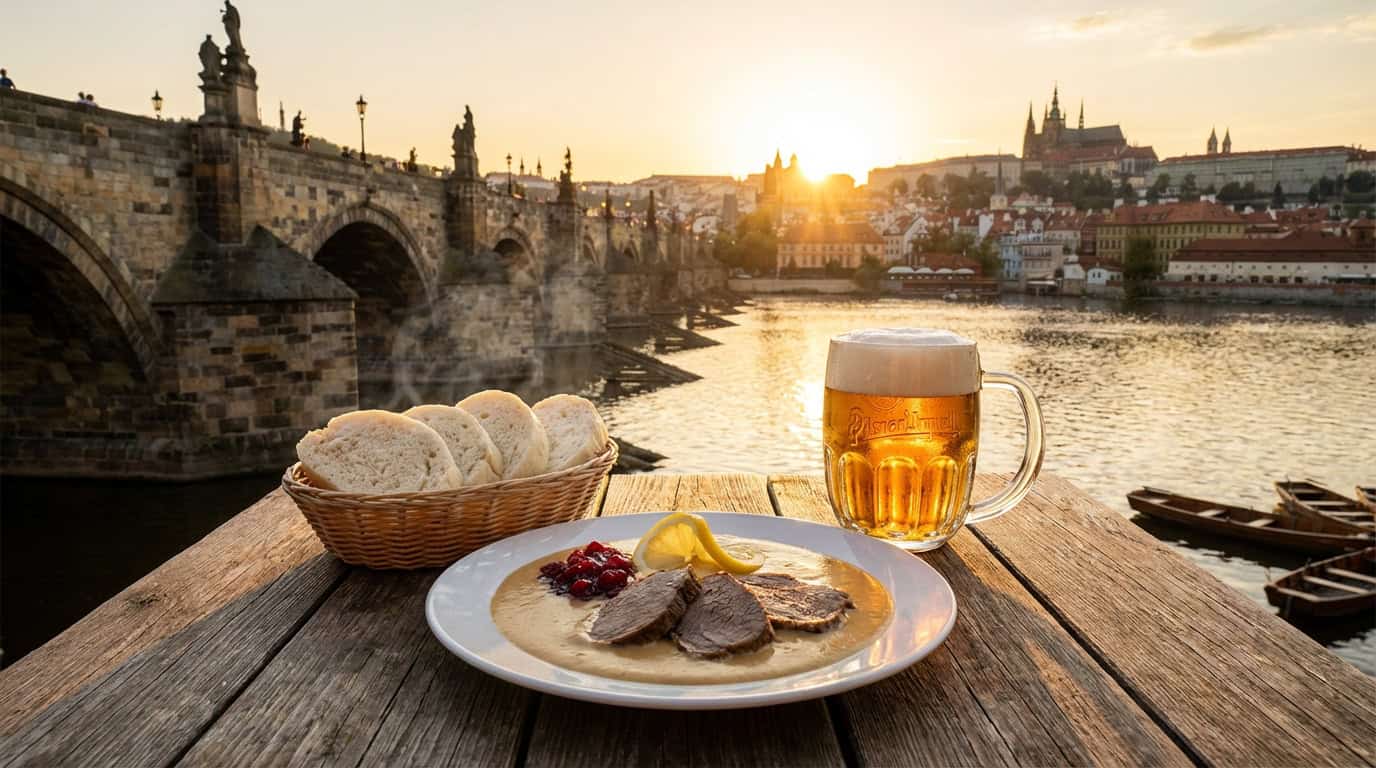
To truly understand the heart of Prague, you must start with a seat at a traditional tavern for a bowl of slow-cooked beef goulash. I always recommend seeking out the smaller spots tucked away in the New Town or Vinohrady districts where the focus remains on premium, locally sourced ingredients. There is something magical about the first sip of a perfectly poured pilsner, served with that thick, creamy head of foam that the Czechs take so much pride in. This hearty combination provides the perfect fuel for a day of exploring the winding cobblestone streets and hidden courtyards of the city. It is a culinary experience that feels both timeless and deeply comforting, anchoring your trip in authentic local culture.
After your meal, bypass the crowded tourist bridges and head down to the Vltava River embankments, specifically the area known as Naplavka. This scenic stretch of waterfront has become the city’s favorite living room, where locals gather to sip drinks and enjoy the sunset over the water. You can find charming bars built directly into the historic stone walls or floating breweries docked along the piers. I love grabbing a cold beer and sitting on the edge of the stone quay to watch the swans glide by as the city lights begin to twinkle. It is the ultimate way to decompress and soak in the atmosphere of a city that feels both grand and incredibly intimate.
As Prague shifts toward more sustainable and high quality tourism, exploring these riverside spots offers a refreshing perspective beyond the typical historic center. These embankments often host pop-up markets and live music, making them a vibrant hub for anyone looking to experience the modern energy of the Czech capital. Whether you are visiting in the warm summer months or during the crisp air of early autumn, the river provides a sense of tranquility that is hard to find elsewhere. It is these quiet moments of relaxation by the water that often become the most cherished memories of a Central European adventure.
Navigating The City Beyond The Royal Route
While the Royal Route through Old Town is undeniably beautiful, the true soul of Prague reveals itself once you step away from the heavy crowds of the historic center. I always recommend trading the cobblestone congestion for the city’s exceptionally efficient tram system, which serves as the lifeblood of local transit. You can easily purchase a ticket via the contactless terminals found on every tram, allowing you to glide past the tourist traps toward more authentic neighborhoods. Watching the Gothic spires fade into the distance as you head uphill is one of my favorite ways to transition from a sightseer to a temporary local.
One of my personal highlights is the trendy district of Vinohrady, a leafy residential area that feels worlds away from the souvenir shops of Charles Bridge. This neighborhood is famous for its elegant Art Nouveau architecture and a culinary scene that rivals any major European capital. I love spending an afternoon at Riegrovy Sady, a massive park where you can grab a drink and enjoy a stunning view of the sunset over the Prague Castle skyline. It is the perfect place to experience the city’s shift toward high quality, sustainable tourism while mingling with the residents who call this place home.
Venturing into these districts allows you to appreciate the culturally dense urban environment that makes Prague a vital part of the Central European travel triangle. You will find that the prices are more reasonable and the pace is much more relaxed than in the bustling heart of the city. Whether you are browsing a local farmers market or tucked away in a quiet basement cafe, these moments offer a deeper connection to the Czech capital. By utilizing the red and white trams to explore beyond the castle walls, you turn a standard vacation into a truly immersive journey through one of Europe’s most significant cities.
A Perfect Three Day Prague Itinerary
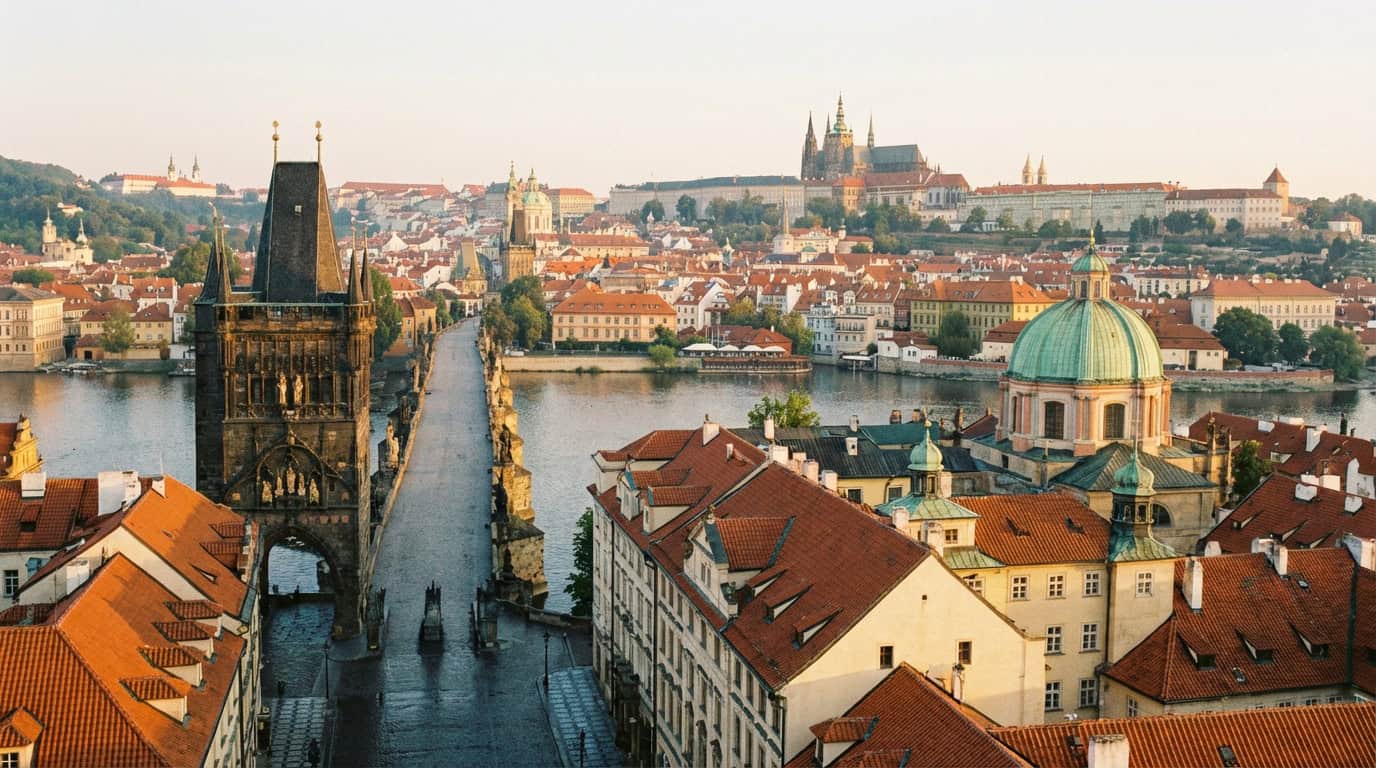
To round out your Central European adventure after visiting Budapest and Vienna, three days in Prague offers the perfect window to experience the city’s gothic soul and modern elegance. Your first day should focus on the historic core, starting with an early morning walk across the Charles Bridge to beat the crowds before climbing up to the sprawling Prague Castle complex. After wandering through the majestic St. Vitus Cathedral, spend your afternoon in the quiet, terraced Wallenstein Garden where peacocks roam among baroque statues. As the sun begins to dip, head to the Letná Park beer garden for a breathtaking panoramic view of the Vltava River and its many bridges glowing in the golden hour light.
Day two shifts toward the city’s rich intellectual and artistic heritage, beginning in the Jewish Quarter to explore its moving synagogues and the hauntingly beautiful Old Jewish Cemetery. From there, take a short stroll to the National Gallery or the Museum of Decorative Arts to see how Prague became a hub for Art Nouveau and Cubist design. I highly recommend spending your afternoon in the Vinohrady and Vršovice neighborhood, a trendy area away from the main tourist trail that is packed with independent cafes and local boutiques. End your evening at the Riegrovy Sady park, where locals gather on the grass with blankets to watch the sunset paint the city spires in shades of deep orange and violet.
Your final day is dedicated to the hidden gems and lush green spaces that make this capital feel so remarkably livable even with its high volume of visitors. Start by exploring the Vyšehrad fortress, a peaceful hilltop site that offers incredible history and river views without the frantic pace of the city center. Afterward, wander through the Franciscan Garden, a secret oasis tucked away behind the bustling shops of Wenceslas Square that provides a perfect spot for quiet reflection. For your final Prague sunset, make your way to the Petřín Lookout Tower or the surrounding orchards to see the entire cityscape spread out beneath you. This balanced itinerary ensures you see the world class landmarks while discovering the authentic, sustainable side of the city that residents cherish.
Budgeting for Your Prague Adventure
As you finalize your plans for the perfect Central European triangle, keep in mind that Prague offers an incredible balance of luxury and value. While the city has transitioned toward premium tourism in recent years, you can still enjoy an affordable trip by venturing just outside the immediate historic center for authentic Czech meals. Budgeting around sixty to eighty dollars per day for mid-range expenses will allow you to enjoy beautiful boutique hotels and world class pilsners without breaking the bank. I always recommend purchasing a public transport pass early on, as the tram system is both efficient and a scenic way to see the city. Remember to book your tickets for major sites like the Prague Castle in advance to save time and ensure you stay within your planned budget.
Beyond the logistics and the spreadsheets, Prague is a city that truly demands to be felt rather than just visited. There is a certain magic in the way the morning mist clings to the Vltava River or how the sunlight hits the golden spires of the Old Town at dusk. Whether you are wandering through the quiet corners of Mala Strana or discovering the magic of hiking the Austrian Alps during a longer regional tour, the city has a way of making every traveler feel like they have stepped into a living fairy tale. It is the perfect final piece of your regional journey, offering a cultural depth that will linger in your memories long after you have returned home. I promise that once you cross the Charles Bridge for the first time, this captivating capital will have a permanent hold on your heart.
Frequently Asked Questions
1. When is the best time to visit the Charles Bridge to avoid the crowds?
I always recommend arriving at the Charles Bridge at dawn to witness the first light hitting the Vltava River in peace. This magical time allows you to experience the bridge as a quiet, soulful monument before the six million annual travelers begin their day. It is the perfect moment to capture the misty morning skyline and the Gothic statues without the midday bustle.
2. How can I see the Astronomical Clock without getting stuck in a massive crowd?
The secret is to head to Old Town Square early in the morning to appreciate the intricate details of the Gothic spires and the clock face. While the mechanical performance happens every hour, arriving for one of the first shows of the day ensures a much more intimate experience. You can then spend your time wandering the nearby cobblestone alleys while the light is still soft and the streets are quiet.
3. What are the best neighborhoods to explore outside of the historic center?
To experience the modern energy of the city, you should venture into the vibrant district of Vinohrady. This area is filled with local cafes and a sophisticated atmosphere that offers a beautiful contrast to the medieval heart of the city. It is a fantastic place to discover how the city balances its rich heritage with a trendy, world-class lifestyle.
4. Is Prague a walkable city for travelers?
Prague is an incredibly walkable destination, especially within the historic center where a dense concentration of history is packed into a small radius. You can easily stroll from the colorful house signs of the Old Town to the majestic heights of the Castle district. Just be sure to wear comfortable shoes for the charming but uneven cobblestone streets that define the city.
5. How can I have a more sustainable and authentic travel experience in Prague?
Seeking out hidden gems in districts beyond the main tourist trail is the best way to support the local community and find the city’s quiet magic. I suggest visiting local cafes in residential neighborhoods and exploring the lesser known corners of the Castle district. This approach helps you discover a deeper side of the city while avoiding the most congested areas.
6. What should I look for while walking through the medieval streets?
Keep your eyes peeled for the colorful house signs that served as addresses for residents centuries ago. The architecture is a seamless blend of Baroque, Gothic, and Renaissance styles, so I always tell friends to look up at the intricate facades. These small details are what make the city feel like a living museum and a true fairytale come to life.