
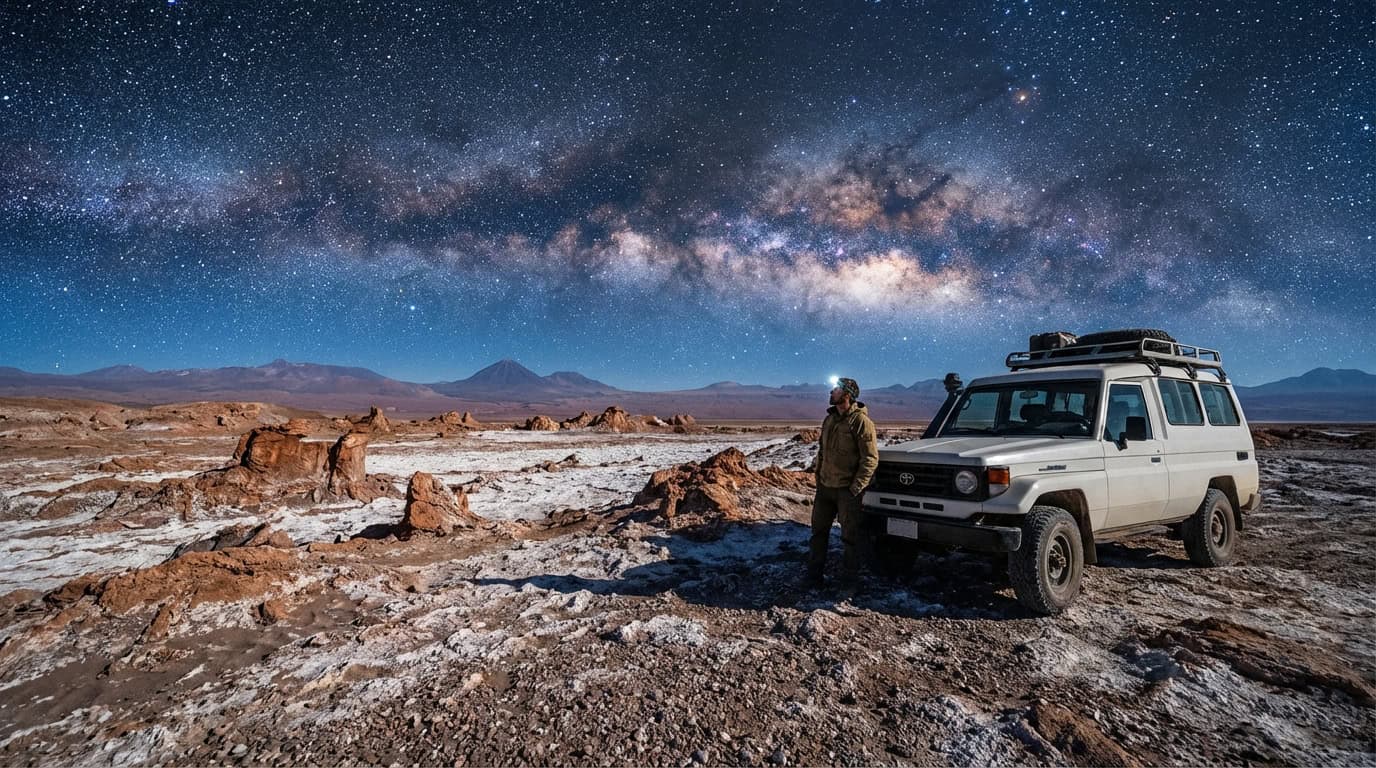
Imagine standing on a rust-colored horizon where the earth meets a sky so clear it feels like you could touch the stars. Crafting the perfect Atacama Desert itinerary is about more than just visiting the driest place on Earth; it is about finding that sweet spot between rugged adventure and the sophisticated comfort that now defines northern Chile. Whether you are dreaming of floating in salt lagoons or sipping local wine at a high-end lodge, this landscape offers a surreal, lunar-like beauty that stays with you long after the dust has settled on your boots.
To truly soak in the magic of the high plateau, I recommend flying into Calama and making the vibrant hub of San Pedro de Atacama your home base for at least five or six nights. This duration is the secret to a successful trip, giving your body time to acclimate to the altitude before you head toward the steaming geysers and hidden volcanoes. From budget-friendly finds to ultra-luxury escapes, the desert has evolved into a versatile sanctuary where every sunset over the Valley of the Moon feels like a private show staged just for you.
Key Takeaways
- Plan for a stay of at least five to six nights in San Pedro de Atacama to allow the body sufficient time to acclimate to the high altitude before visiting the more strenuous peaks and geysers.
- Begin your itinerary with low-altitude activities like the Valley of the Moon or mountain biking near the Salt Caves to minimize the risk of altitude sickness while enjoying the surreal lunar landscapes.
- Schedule high-altitude excursions, such as the El Tatio Geysers and Miscanti Lagoons, for the middle or end of the trip when your body is better prepared for elevations exceeding 14,000 feet.
- Avoid visiting during the ‘Altiplanic Winter’ in January and February to ensure clear skies for the region’s world-renowned stargazing and photography.
Acclimatizing Amidst The Crimson Moon Valleys
My journey into the heart of the driest desert on Earth began in the charming dusty streets of San Pedro de Atacama. To ease into the high altitude of the northern Chilean altiplano, I recommend spending your first afternoon exploring the otherworldly terrain of the Valley of the Moon. As the sun begins its descent, the jagged salt-encrusted ridges transform into shades of deep crimson and burnt orange, mimicking a lunar landscape. Standing atop the Great Dune, you will witness one of the most vivid sunsets of your life while your body gently adjusts to the thin, dry air. This low-altitude introduction provides the perfect balance of awe-inspiring scenery and practical physical preparation for the higher peaks to come.
On your second day, grab a mountain bike to navigate the winding paths that lead toward the ancient Salt Caves. Pedaling through these narrow canyons allows you to hear the eerie, rhythmic cracking of salt crystals expanding and contracting in the desert heat. The terrain here is relatively flat, making it an ideal way to stay active without overexerting yourself during the acclimatization phase. After exploring the shimmering caverns, make your way to the Cordillera de la Sal for a panoramic view of the vast salt flats stretching toward the horizon. This slow-paced exploration ensures you are ready for the more demanding high-altitude lagoons and geysers that await later in your itinerary.
As night falls over the desert, the sky reveals why this region is world-renowned for its celestial clarity. Even during these first two nights, the stargazing is unparalleled, with the Milky Way appearing so bright it almost casts a shadow on the valley floor. I found that taking it easy during these initial days allowed me to fully appreciate the silent majesty of the desert without the fatigue of altitude sickness. By focusing on these accessible but breathtaking locations, you set a foundation for a successful adventure through the rugged beauty of northern Chile. Pack plenty of water and a warm jacket, as the temperature drops rapidly the moment the sun disappears behind the mountains.
High Altitude Lagoons And Crimson Flamingos
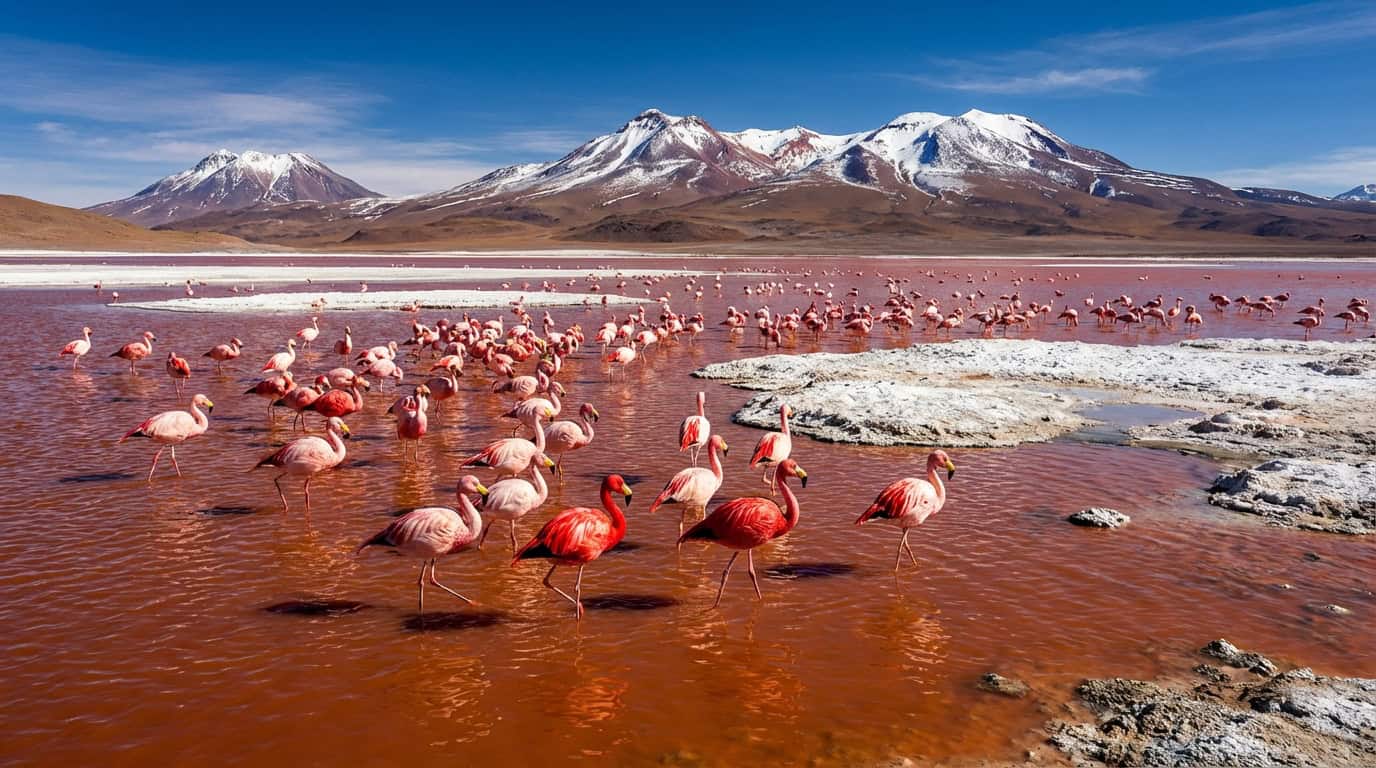
Venture deep into the Altiplano to discover the Miscanti and Miñiques lagoons, where the deep blue water creates a surreal contrast against the yellow tufts of ichu grass. These twin lakes sit at over 4,000 meters above sea level, nestled beneath the shadows of towering volcanoes that reflect perfectly on the glassy surface. As you walk along the designated paths, you will likely encounter the elegant James’s and Andean flamingos wading through the salt crusts. The air here is crisp and thin, offering a stillness that makes every shutter click feel like a tribute to the desert’s quiet majesty. To make the most of this high-altitude trek, I recommend moving slowly and staying hydrated to help your body adjust to the elevation.
Early morning is the best time to arrive at the lagoons when the light is soft and the winds are calm, providing the best conditions for photography. You will notice the vibrant crimson patches on the flamingos’ wings as they feed in the shallow mineral-rich waters, a sight that feels like a living painting. It is essential to dress in layers, as the temperature on the high plateau can swing from freezing at dawn to quite warm by midday. Keep your camera ready for more than just the birds, because the surrounding landscape is dotted with unique Andean flora that thrives in this harsh environment. Planning this excursion for the middle of your trip allows your body enough time to acclimate in San Pedro before reaching these breathtaking heights.
Geysers At Dawn And Celestial Wonders
To witness the desert’s raw power, I recommend setting your alarm for well before dawn to make the winding journey to the El Tatio Geysers. Situated at over 14,000 feet above sea level, this is one of the highest geyser fields in the world and is most spectacular as the first rays of sun hit the frigid mountain air. You will find yourself walking through a labyrinth of steaming vents and bubbling mud pots that glow with an ethereal light in the early morning purple haze. It is a surreal, chilly experience that truly captures the volcanic energy of the northern Chilean highlands. Just remember to dress in layers and move slowly, as the high altitude and freezing temperatures require a bit of patience and acclimation.
After a day spent exploring the vast salt flats or hidden lagoons, your evening should be dedicated to the silent majesty of the night sky. The Atacama is world renowned for having the clearest atmosphere on the planet, making it a sanctuary for astronomers and dreamers alike. I was completely mesmerized by the density of the Milky Way, which appeared so bright and thick that it felt like I could reach out and touch the galactic center. Many local experts offer intimate sessions where you can peer through powerful telescopes to see Saturn’s rings or distant nebulae in startling detail. It is a profound way to end your day, standing in the absolute stillness of the desert while contemplating the infinite wonders of the universe above.
Planning Your San Pedro Basecamp Logistics
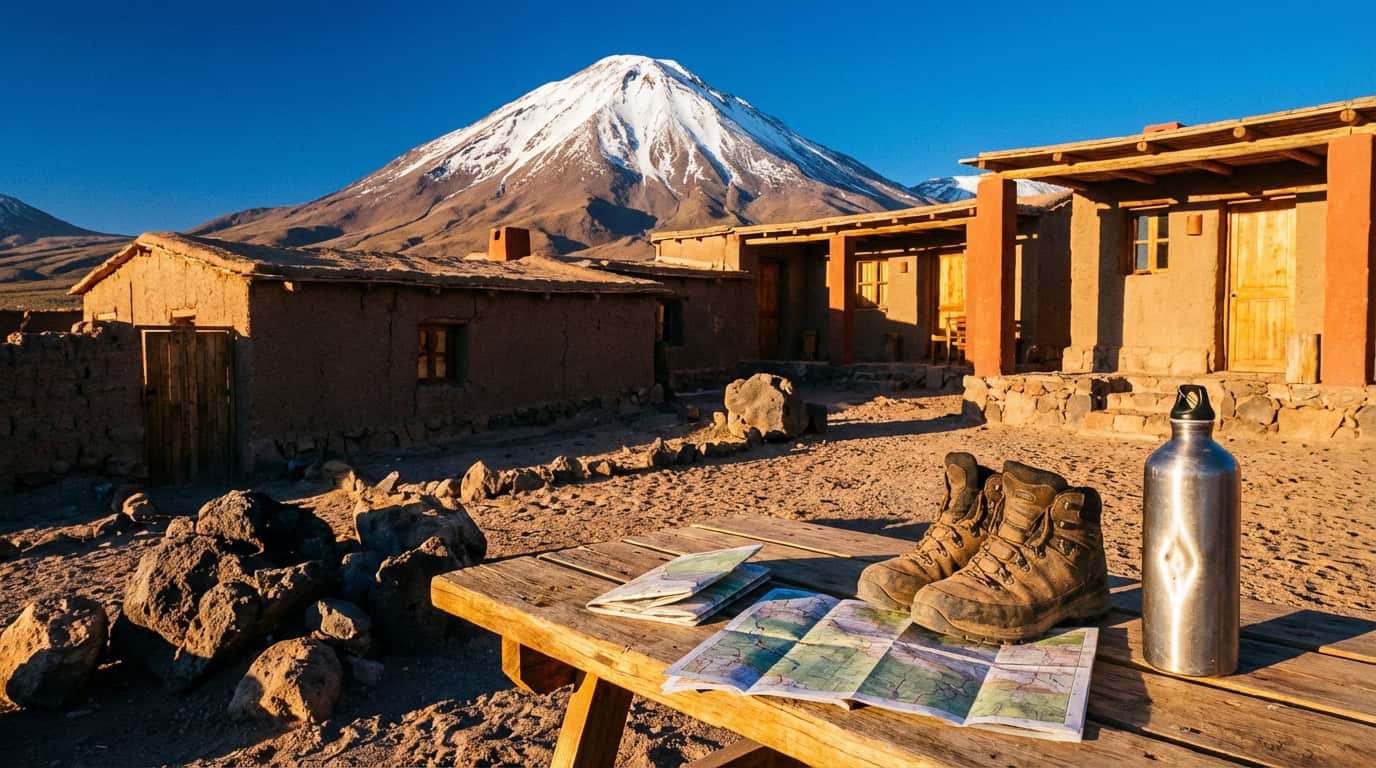
Your journey to the stars begins with flying into Calama, the gateway to the world’s driest non-polar desert. From there, a scenic ninety minute drive across the wind-swept plains brings you to San Pedro de Atacama, a charming adobe village that serves as your basecamp for adventure. I recommend booking a pre-arranged shuttle or renting a car to ensure a smooth transition into the high altitude environment. Staying at least five or six nights is the secret to a successful trip, as it allows your body to acclimate before you head into the breathtaking high-plateau lagoons.
Choosing where to rest your head is part of the magic, as the town offers everything from cozy hostels to sophisticated boutique lodges. If you want a social atmosphere and local tips, the smaller guesthouses near the town center are perfect for meeting fellow explorers. For those seeking a touch of desert luxury, several high-end retreats offer all-inclusive experiences that blend seamlessly into the volcanic landscape. I found that staying slightly outside the main square provides a quieter experience, perfect for stepping outside at night to witness the Milky Way in all its glory.
Timing is everything when planning your desert escape to ensure you have the clearest skies possible. While the Atacama is beautiful year round, it is wise to avoid the Altiplanic Winter during January and February when rare rain clouds can obscure the famous stargazing views. The shoulder seasons of spring and autumn offer the most pleasant temperatures for trekking through the Moon Valley or soaking in the Puritama hot springs. By visiting during these windows, you will enjoy mild days and xcrisp nights that are ideal for both daytime photography and late-night astronomical tours.
Final Reflections on Your Atacama Adventure
As you conclude your journey through the northern reaches of Chile, you will find that the Atacama Desert offers much more than just a checklist of dramatic landscapes. The vast, echoing silence of the salt flats and the rust-colored canyons creates a profound sense of stillness that is rare in our modern world. I have found that standing amidst the lunar-like rock formations at sunset provides a moment of clarity that stays with you long after the dust has been washed from your boots. It is a place where time seems to stretch, allowing you to reconnect with the raw beauty of the natural world in its most prehistoric form.
The true magic of this itinerary reveals itself after the sun dips below the horizon and the driest air on Earth unveils a celestial masterpiece. Stargazing in the Atacama is a soul-stirring experience, as the Milky Way appears so thick and bright that it felt like I could reach out and touch the ancient light. These star-studded nights offer a humbling perspective on our place in the universe, turning a simple vacation into a timeless journey now. Whether you are seeking luxury in a high-end lodge or the rugged charm of San Pedro, this desert landscape will leave an indelible mark on your spirit.
Frequently Asked Questions
1. How many days should I spend in the Atacama Desert?
I recommend staying for at least five or six nights to truly soak in the magic of the high plateau. This duration gives your body the necessary time to acclimate to the altitude before you venture toward the higher geysers and volcanoes.
2. What is the best way to get to San Pedro de Atacama?
The most efficient way to reach this desert sanctuary is to fly into the airport in Calama. From there, it is a straightforward drive to San Pedro de Atacama, which serves as the perfect vibrant hub for all your explorations.
3. How do I handle the high altitude during my trip?
Start your journey with low-altitude activities like exploring the Valle de la Luna on your first afternoon. This allows your body to gently adjust to the thin, dry air of the northern Chilean altiplano before you tackle the more strenuous high-altitude peaks.
4. What should I do for sunset on my first day?
Head straight to the Great Dune in the Valley of the Moon to witness the salt-encrusted ridges turn shades of crimson and burnt orange. It is a surreal, lunar-like experience that offers one of the most vivid sunsets you will ever see.
5. Is the Atacama Desert suitable for luxury travelers?
The desert has evolved into a versatile sanctuary that offers everything from budget-friendly finds to ultra-luxury escapes. You can easily find high-end lodges where you can sip local wine and enjoy sophisticated comfort after a day of rugged adventure.
6. What are the must-see natural wonders in the region?
You should prioritize the steaming geysers, hidden volcanoes, and the salt lagoons where you can experience the sensation of floating. Every corner of this rust-colored horizon offers a unique, otherworldly beauty that feels like a private show staged just for you.
If you are looking for more arid inspiration, you might also enjoy the ultimate Oman desert road trip which offers a similarly striking contrast between rugged terrain and natural beauty.