
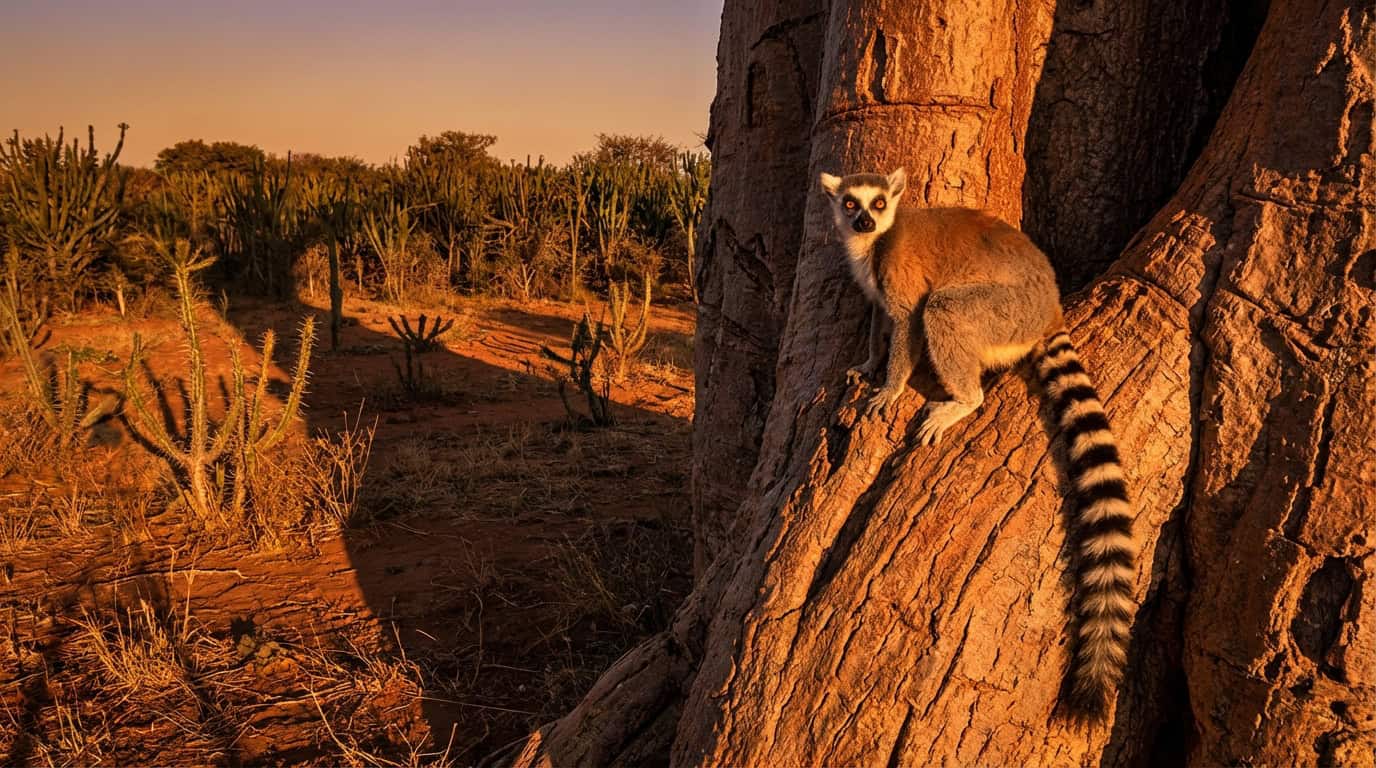
Imagine stepping into a world where evolution took a completely different path, a place so biologically distinct it feels like a literal “Eighth Continent.” A Madagascar wildlife tour is like entering a living laboratory where 90% of the creatures you encounter exist nowhere else on the planet. From the haunting, whale-like call of the Indri echoing through the misty canopy to the neon scales of a panther chameleon, every moment in the bush feels like a brush with the extraordinary.
I still remember the first time a tiny mouse lemur caught the glow of my flashlight; it was a humbling reminder of how much wonder is packed into this isolated island. With over 100 species of lemurs and half of the world’s chameleons waiting to be discovered, planning a journey here requires a focus on the country’s diverse microclimates. Whether you are navigating the spiny forests of the south or the lush rainforests of the east, the sheer density of endemic life ensures that your camera and your heart will stay full.
Key Takeaways
- Madagascar serves as a unique biological time capsule where 90% of the wildlife, including over 100 lemur species and half of the world’s chameleons, exists nowhere else on Earth.
- Successful wildlife tracking requires hiring local specialist guides and visiting diverse microclimates, such as the misty rainforests of Andasibe for Indri lemurs and the dry Kirindy Forest for the predatory Fossa.
- The optimal travel window is the dry season from July to November, which offers passable roads, peak chameleon activity, and the opportunity to witness baby lemur season.
- A comprehensive itinerary should balance iconic landmarks like the Avenue of the Baobabs with essential nocturnal walks to observe elusive species like the tiny mouse lemur.
Tracking Dancing Sifakas And Vocal Indri Lemurs
Trekking through the misty rainforests of Andasibe-Mantadia felt like stepping into a prehistoric world where nature still reigns supreme. As I navigated the tangled roots and vibrant ferns, the forest suddenly erupted with a haunting, melodic wail that vibrated deep within my chest. This was the legendary call of the Indri, the largest of all living lemurs, whose eerie songs can carry for over a mile through the dense canopy. Standing in silence as their shadowy figures moved through the emerald leaves above, I realized that no recording could ever capture the soul-stirring power of being in their presence. It is a bucket list moment that perfectly encapsulates the raw, untouched magic of the island.
Beyond the vocal performances of the Indri, the forest floors and mid-canopy levels are teeming with life that seems to defy the laws of evolution. I spent one unforgettable afternoon watching a troop of Verreauxs sifakas perform their iconic “dance,” a series of graceful, rhythmic leaps across the ground that left me breathless with wonder. These primates possess a playful energy that is infectious, and spotting them requires a mix of patience and a keen eye for movement. My guide pointed out several other endemic species along the way, including the camouflaged leaf-tailed gecko and bright green Parson’s chameleons hiding in plain sight.
For those planning their own adventure into these rainforests, I highly recommend arriving at the park gates at sunrise when the wildlife is most active. You should pack sturdy, waterproof hiking boots and a high-quality camera with a zoom lens to capture the lemurs high in the treetops. Hiring a local specialist guide is essential, as their expert ears can distinguish between species from hundreds of yards away. Be sure to spend at least two full days in the Andasibe area to increase your chances of seeing the more elusive nocturnal species during guided evening walks. Seeing these creatures in their natural habitat is a profound reminder of why protecting this unique biodiversity is so vital.
Chasing Chameleons and Fossas in Kirindy Forest
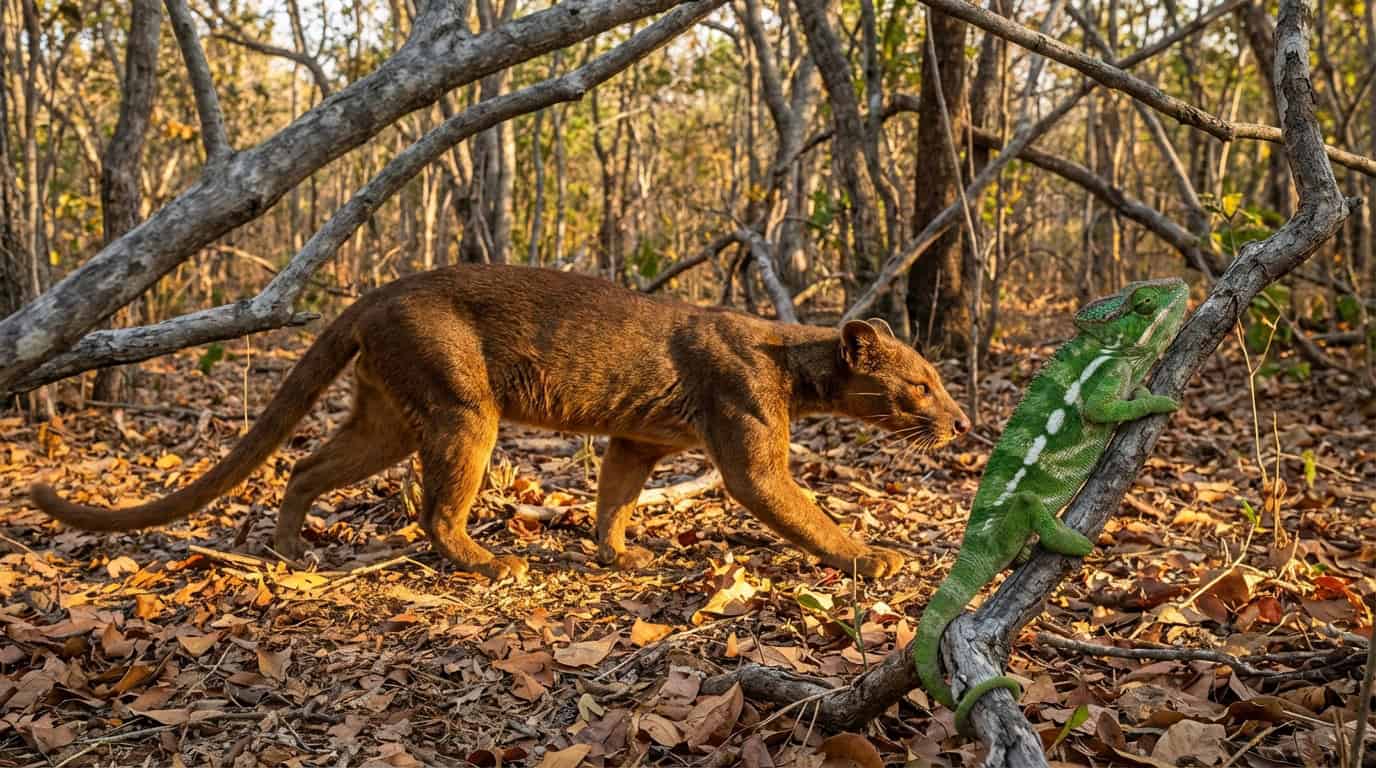
Stepping into the Kirindy Forest feels like entering a prehistoric world where the dry, deciduous canopy hides some of the most elusive creatures on the planet. As I crunched through the fallen leaves, my guide suddenly signaled for silence and pointed toward a high branch. There, basking in the dappled sunlight, sat the Fossa, Madagascar’s apex predator and a creature that looks like a fascinating cross between a cougar and a mongoose. Watching this sleek, agile hunter move through the trees is a rare privilege that few travelers ever witness. This encounter serves as a powerful reminder of why a Madagascar wildlife tour is a necessity for any serious nature enthusiast.
While the Fossa may be the king of the forest, the smaller inhabitants are just as captivating to discover. Kirindy is a world-class destination for spotting chameleons, ranging from the giant Oustalet’s chameleon to tiny, leaf-mimicking species that blend perfectly with the bark. I found myself squinting at every branch, amazed by how these reptiles change color and rotate their turret-like eyes in independent directions. It is a slow-paced, rewarding treasure hunt that requires patience and a keen eye for detail. These vibrant lizards represent just a fraction of the island’s incredible endemism, with nearly half of all chameleon species found only here.
To make the most of your visit to this unique ecosystem, I recommend scheduling a night walk to see the forest transform under the moonlight. This is when the tiny mouse lemurs emerge, their large eyes reflecting your flashlight as they dart between the branches. After a morning of tracking wildlife, you can easily drive to the nearby Avenue of the Baobabs to watch the sunset against the silhouette of those ancient, iconic trees. Be sure to pack a high-quality pair of binoculars and a macro lens for your camera to capture the intricate details of the reptiles. This combination of rare predators and surreal landscapes makes Kirindy an unforgettable highlight of any Malagasy adventure.
Sunset Strolls Through The Avenue Of The Baobabs
As the sun begins its slow descent over the Menabe plains, the towering Grandidier’s baobabs cast long, dramatic shadows across the dusty path. Walking among these ancient giants, some of which have stood for over eight hundred years, feels like stepping into a prehistoric world where time has completely stood still. The peeling, reddish bark of the trunks glows with an ethereal orange hue, creating a striking contrast against the deepening violet of the Malagasy sky. I found that standing at the base of these “upside down trees” provides a profound sense of perspective on the island’s incredible biological heritage. It is the ultimate bucket list adventure for any nature lover, offering a quiet space to reflect on the rare beauty of a landscape found nowhere else on the planet.
To make the most of your journey through this unique region, I recommend a three day flora and fauna focused circuit starting in the coastal town of Morondava. On your first afternoon, head straight to the Avenue of the Baobabs for the sunset, but be sure to stick around for the twilight to see the nocturnal mouse lemurs emerging from the nearby scrub. The second day should be dedicated to Kirindy Forest, a private reserve where you can spot the elusive fossa and the giant jumping rat among the thorny thickets. Finally, spend your third morning visiting the “Baobabs in Love,” two trees twisted together in a permanent embrace, before exploring the local mangroves by traditional pirogue. This itinerary ensures you witness the highlights of the Menabe while experiencing the diverse microclimates that define western Madagascar.
The magic of a Madagascar wildlife tour lies in these quiet, transitional moments when the day’s heat fades and the wild inhabitants of the forest begin to stir. While the baobabs are the undeniable stars of the show, keep your eyes peeled for the smaller wonders, such as the colorful flatid leaf bugs that cluster on the branches like vibrant flowers. I noticed that the best photography happens just after the sun dips below the horizon, when the silhouettes of the trees become sharp and iconic against the fading light. Remember to bring a reliable headlamp for the walk back to your vehicle, as the African bush comes alive with a whole new cast of characters once darkness falls. This experience is more than just a photo opportunity; it is an immersive look into one of the world’s most precious and fragile evolutionary wonders.
Planning Your Adventure From Antananarivo To Isalo
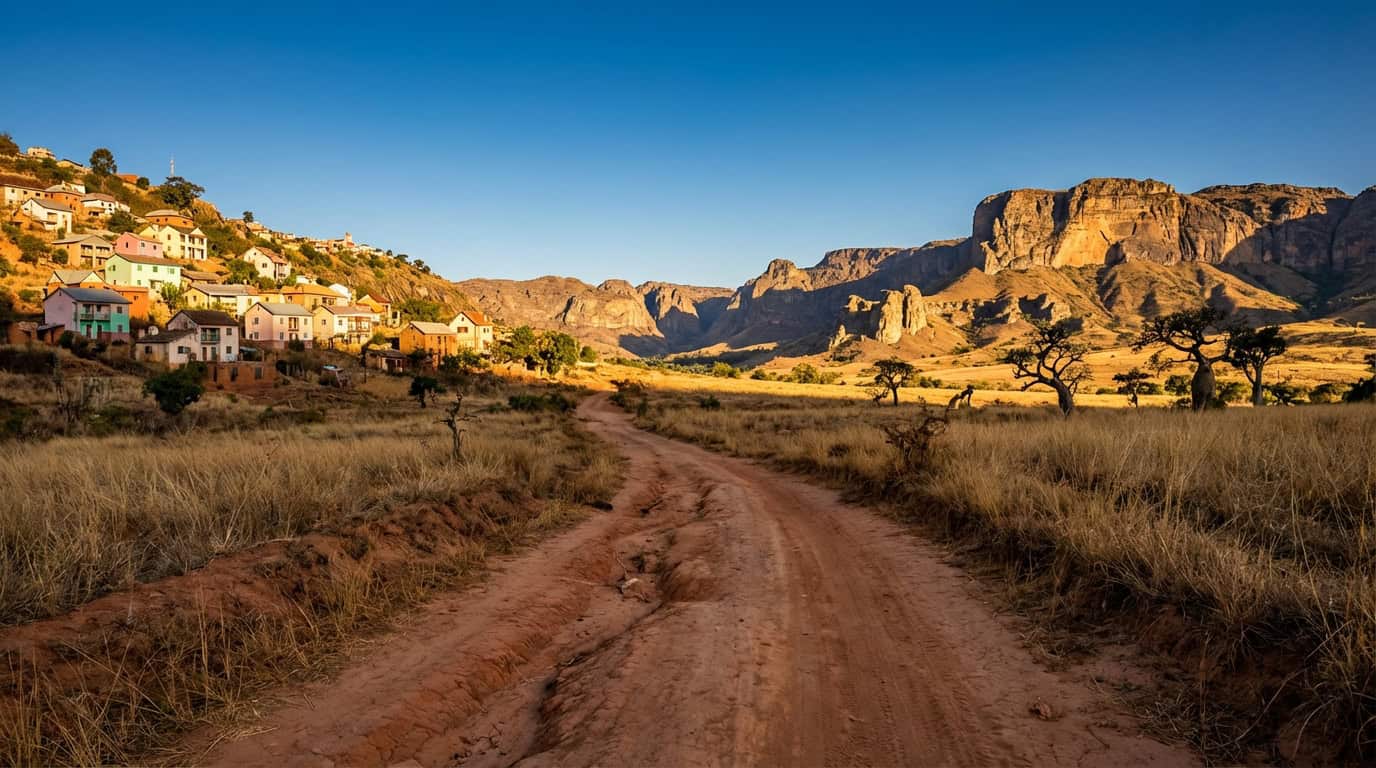
Embarking on a journey from the bustling capital of Antananarivo toward the sandstone massifs of Isalo is a transition through some of the most remarkable landscapes on the planet. I recommend planning your expedition during the optimal travel window, which typically runs from April to October, to ensure the roads are passable and the lemurs are most active. You should pack in layers, as the highlands can be surprisingly chilly at dawn while the southern plains bake under a relentless sun. Sturdy hiking boots are a nonnegotiable item for navigating the rocky terrain of Isalo National Park, where you will likely find yourself scrambling over ancient stones to reach hidden turquoise pools. Bringing a high quality pair of binoculars will also transform your experience, allowing you to spot camouflaged leaf tailed geckos or tiny mouse lemurs hiding in the canopy.
The route south along the RN7 highway is a legendary itinerary that serves as the perfect introduction to the island’s incredible biodiversity. Much like how you would plan your dream wildlife voyage elsewhere, this road trip requires careful logistical preparation. As you drive, you will witness the scenery shift from terraced rice paddies to the high altitude rainforests of Ranomafana, where the rare golden bamboo lemur resides. I always suggest spending at least two nights in each major stop to allow for nocturnal forest walks, which are essential for seeing the species that only emerge after sunset. Once you reach the vast plains of Isalo, the environment transforms into a dramatic desert canyon filled with endemic succulents and Ring-tailed lemurs. This specific path captures the heart of the Madagascar experience, blending rugged adventure with the awe of seeing creatures that exist nowhere else in the world.
An Unforgettable Journey Into Madagascar’s Wild Heart
A Madagascar wildlife tour is more than just a vacation, it is a profound journey into a biological time capsule that challenges your perception of the natural world. Standing beneath the towering shadows of the Avenue of the Baobabs or locking eyes with a curious Verreaux’s sifaka is a humbling experience that stays with you long after you fly home. These moments of connection with species found nowhere else on Earth serve as a powerful reminder of why we must protect these fragile ecosystems. Choosing to visit this remarkable island supports the very conservation efforts that keep these forests standing and these unique creatures thriving. It is a rare privilege to witness such a high level of endemism, and it truly changed the way I view my responsibility toward our planet.
The memories of hearing the haunting, whale-like song of the Indri echoing through the misty canopy of Andasibe will forever be etched in my mind. Beyond the thrill of checking rare lemurs and colorful chameleons off your bucket list, this trip offers a deeper understanding of the delicate balance between humanity and nature. You will leave with a renewed sense of wonder and a commitment to preserving the incredible biodiversity that makes the Eighth Continent so special. This adventure is a call to action for every traveler to be a mindful steward of the earth while exploring its most remote corners. If you are looking for more Indian Ocean inspiration, you can also explore Seychelles island hopping for a different perspective on island life. I hope your own journey to this island paradise is as transformative and inspiring as mine was.
Frequently Asked Questions
1. What is the best time of year to see Madagascar’s unique wildlife?
The best time to visit is between July and November when the weather is cool and dry, making it easier to trek through the rainforests. This window also coincides with baby lemur season and the peak activity of chameleons after the winter hibernation.
2. Which lemur species are considered must-see highlights?
You absolutely cannot miss the vocal Indri in Andasibe, known for their haunting whale-like songs that echo through the canopy. I also recommend tracking the dancing Verreaux’s Sifakas in the south, as their unique sideways hopping is one of the most joyful sights in the natural world.
3. How physically demanding are the wildlife treks?
The difficulty varies depending on the terrain, ranging from flat walks in the spiny forests to more strenuous climbs over tangled roots in the misty rainforests. Most national parks offer different trail lengths, so you can choose a route that matches your fitness level while still seeing incredible endemic life.
4. What should I pack for a trek through the rainforests?
Lightweight, moisture-wicking layers are essential for navigating the humid microclimates of the east. Don’t forget a reliable pair of broken-in hiking boots, a sturdy raincoat, and a powerful flashlight for spotting 100 species of lemurs during evening walks.
5. Can I see chameleons easily during a standard tour?
Madagascar is home to half of the world’s chameleon species, and they are surprisingly easy to spot once you know where to look. While the neon scales of the panther chameleon stand out, keep your eyes peeled for the smaller species camouflaged among the vibrant ferns and forest floor.
6. Is it necessary to hire a guide for these wildlife tours?
Hiring a local guide is mandatory in national parks and is the best way to ensure you actually spot the wildlife. These experts have an incredible ability to hear a distant lemur call or spot a masterfully camouflaged gecko that most travelers would walk right past.