
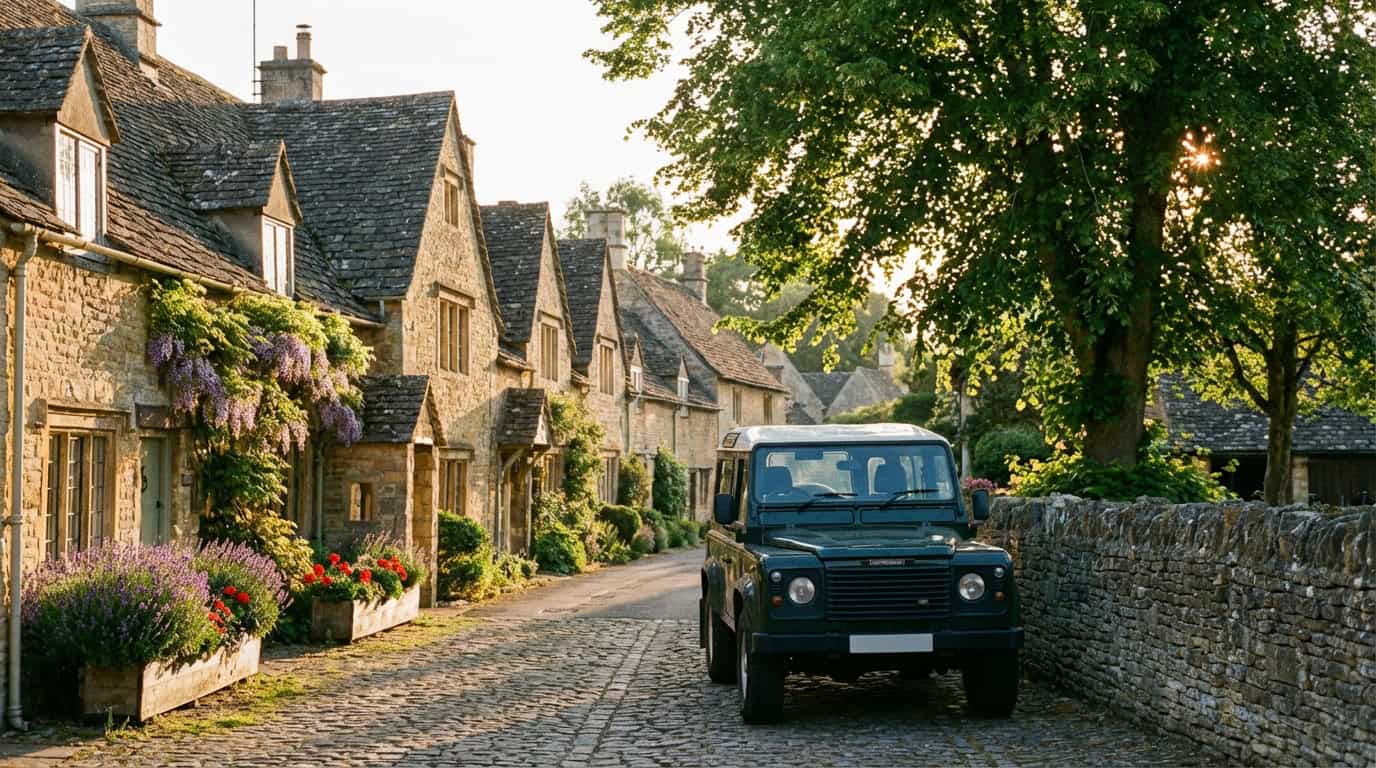
I have spent years daydreaming about the rolling hills of the English countryside, but nothing quite prepares you for the magic of a cotswolds village tour in person. There is a specific kind of stillness found here, where the only sound is the gentle rustle of leaves against ancient limestone walls and the distant chime of a parish clock. It is a place where time feels like a suggestion rather than a rule, inviting you to trade your frantic schedule for a slow-paced wander through history.
Walking through these historic hamlets feels like stepping directly into the pages of a well-worn storybook. From the golden glow of the stone cottages to the hidden footpaths that wind through emerald pastures, every turn offers a postcard-perfect view that stirs the soul. Whether you are seeking the ultimate cream tea or a quiet moment by a trickling stream, this corner of the world promises a restorative escape that lingers in your memory long after you have returned home.
Key Takeaways
- Adopt a slow travel mindset by trading rigid schedules for aimless wandering through historic hamlets and honey-colored stone streets.
- Step away from the car to explore the region’s ancient public footpaths and bridleways, which offer intimate access to hidden landscapes and private estates.
- Prioritize early morning visits to iconic spots like Castle Combe and Lower Slaughter to experience the villages in their natural stillness before crowds arrive.
- Immerse yourself in the local culture by dining at historic countryside pubs that feature regional ingredients like Cotswold lamb and artisanal cheeses.
Wandering Through Castle Combe And Lower Slaughter
Stepping into Castle Combe feels like walking directly into a beautifully preserved oil painting from a bygone era. I spent my morning wandering across the iconic stone bridge, listening to the gentle murmur of the Bybrook River as it winds past golden limestone cottages. There are no streetlights or modern signs to break the spell, allowing you to fully immerse yourself in the quiet rhythm of village life. I highly recommend pausing by the old market cross to soak in the atmosphere before heading toward the outskirts for a view of the wooded hills. It is the perfect place to slow down, breathe in the fresh country air, and appreciate the intricate details of medieval architecture.
Lower Slaughter offers a similarly enchanting experience, though it trades the dramatic hills for the serene beauty of the River Eye. I found myself captivated by the way the sunlight danced on the shallow water as it flowed alongside the twin rows of seventeenth century homes. Walking the narrow path toward the old water mill feels like a private journey through time, especially when you have the trail mostly to yourself. The village captures the very essence of English charm, with rose-covered doorways and perfectly manicured gardens that invite you to linger. It is a destination that rewards the patient traveler who is willing to trade a busy schedule for a peaceful lakeside stroll.
To make the most of these photogenic spots, I suggest arriving early in the morning when the mist still clings to the riverbanks. This allows you to capture the softest light on the honey-colored stone and enjoy the stillness before the afternoon visitors arrive. Take the time to sit on a stone bench and watch the local ducks glide past, as these small moments often become the most cherished memories of a trip. Bringing a camera is essential, but remember to put it away for a few minutes just to experience the sights and sounds with your own eyes. These villages are not just stops on a map, but living reminders of a simpler and more intentional way of living.
A Perfect Three Day Slow Travel Itinerary
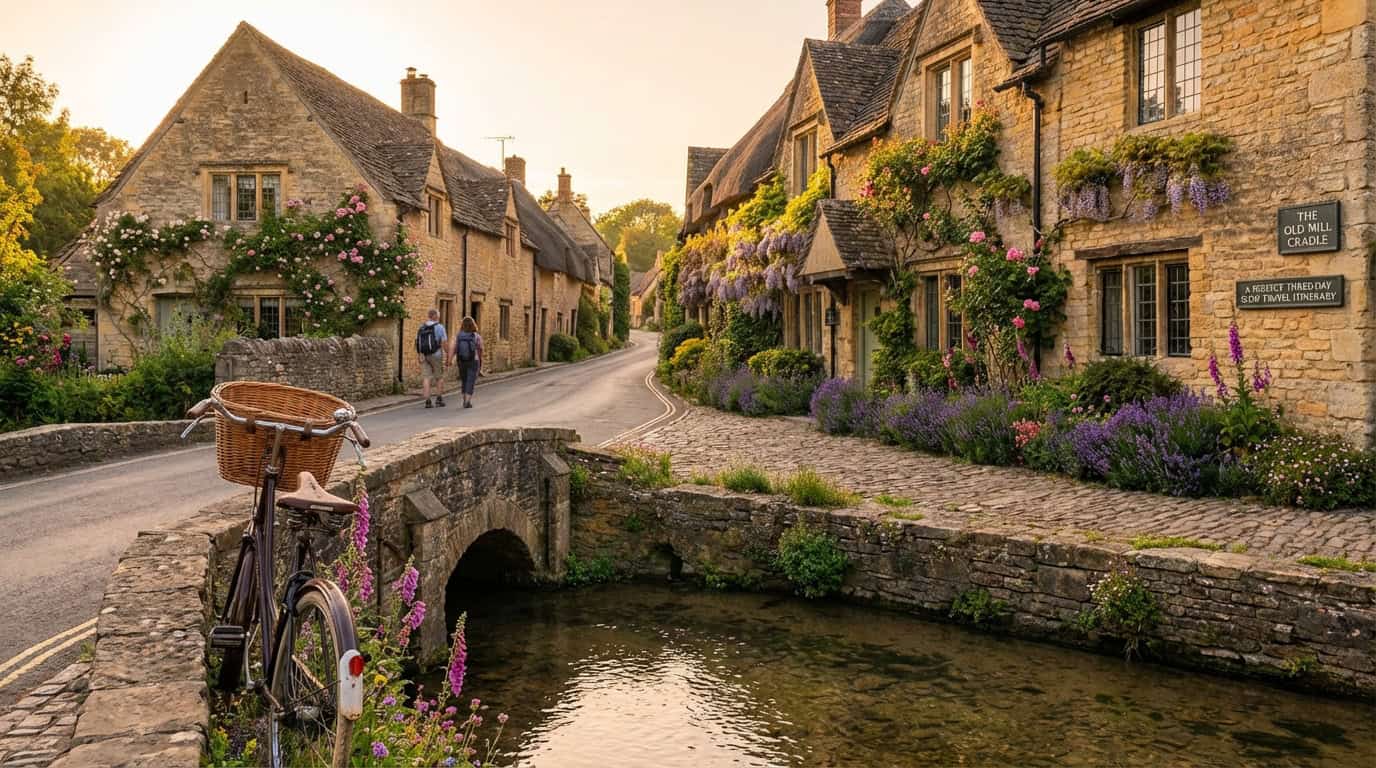
To truly embrace the slow travel movement, your three day journey begins in the gateway village of Burford, where the high street slopes elegantly toward the River Windrush. On your first day, I recommend spending the morning browsing the local boutiques for handmade woolens and antique treasures before finding a quiet corner for your first traditional cream tea. After soaking in the medieval atmosphere, take a short drive or a long, scenic walk to the nearby village of Bibury to see the iconic weavers’ cottages. This first day is all about shedding the rush of modern life and adjusting your internal clock to the gentle rhythm of the honey-hued stone surroundings.
The second day of your itinerary focuses on the heart of the Cotswolds as you move toward the twin gems of Upper and Lower Slaughter. These villages are best experienced on foot, allowing you to wander past rose-covered doorways and ancient stone footbridges without the distraction of a car. Plan for a long, leisurely lunch at a local inn where the ingredients are sourced from the very fields you just walked through. In the afternoon, explore the independent art galleries that dot the area, showcasing the work of residents who have been inspired by this landscape for generations. This middle leg of the journey highlights the intimate connection between the land and the people who call these historic hamlets home.
Your final day concludes with a northern sweep toward the sophisticated streets of Chipping Campden, a town renowned for its rich history in the wool trade. Before you reach the end of your tour, make sure to stop in Broadway to climb the local tower for a panoramic view of the rolling hills you have come to love. Spend your final afternoon indulging in a final decadent tea service, complete with thick clotted cream and strawberry jam, while reflecting on the miles you have covered. Ending your trip in Chipping Campden allows you to enjoy one last evening of fine dining and boutique shopping in a setting that feels like a living postcard.
Navigating The Hidden Footpaths Between Hamlets
While the narrow lanes of the Cotswolds are undeniably charming, the true magic of this region reveals itself once you step away from the steering wheel and onto the ancient public bridleways. These hidden footpaths serve as the literal veins of the English countryside, weaving through emerald pastures and kissing the edges of private estates that you simply cannot see from a car window. I found that walking between hamlets like Upper and Lower Slaughter allowed me to hear the rhythmic crunch of gravel and the distant chime of church bells without the hum of an engine. It is a deeply personal way to travel that forces you to slow down and notice the moss clinging to dry stone walls or the way the light hits a thatched roof. You become a part of the landscape rather than just a fleeting observer passing through it.
To navigate these trails successfully, I highly recommend downloading a reliable offline mapping app or carrying a traditional paper ordnance survey map of the area. Look for the yellow and blue waymarkers that signify public footpaths and rights of way, as these paths are legally protected and open for all to enjoy. I suggest wearing sturdy, waterproof boots even in the summer, as the dew on the long grass can be surprisingly heavy in the early mornings. Pack a light rucksack with a reusable water bottle and perhaps a few local treats from a village bakery to enjoy during a mid-hike rest. By choosing to walk, you gain the freedom to stop and sketch a view or photograph a curious sheep whenever the mood strikes you.
Planning your walking route is quite simple when you use the interconnected network of trails like the Cotswold Way or the Warden’s Way. These paths are designed to lead you from one honey-hued village to the next, often depositing you right at the doorstep of a cozy local pub or a historic tea room. I often plan my walks to coincide with a midday lunch stop, ensuring that a warm meal and a cold drink await me after a few miles of exploration. This approach transforms a simple hike into a curated journey of discovery where every turn offers a new perspective on this timeless landscape. You will find that the conversations you have with fellow walkers along the way become some of your most cherished memories from the trip.
Savoring Local Flavors In Historic Countryside Pubs
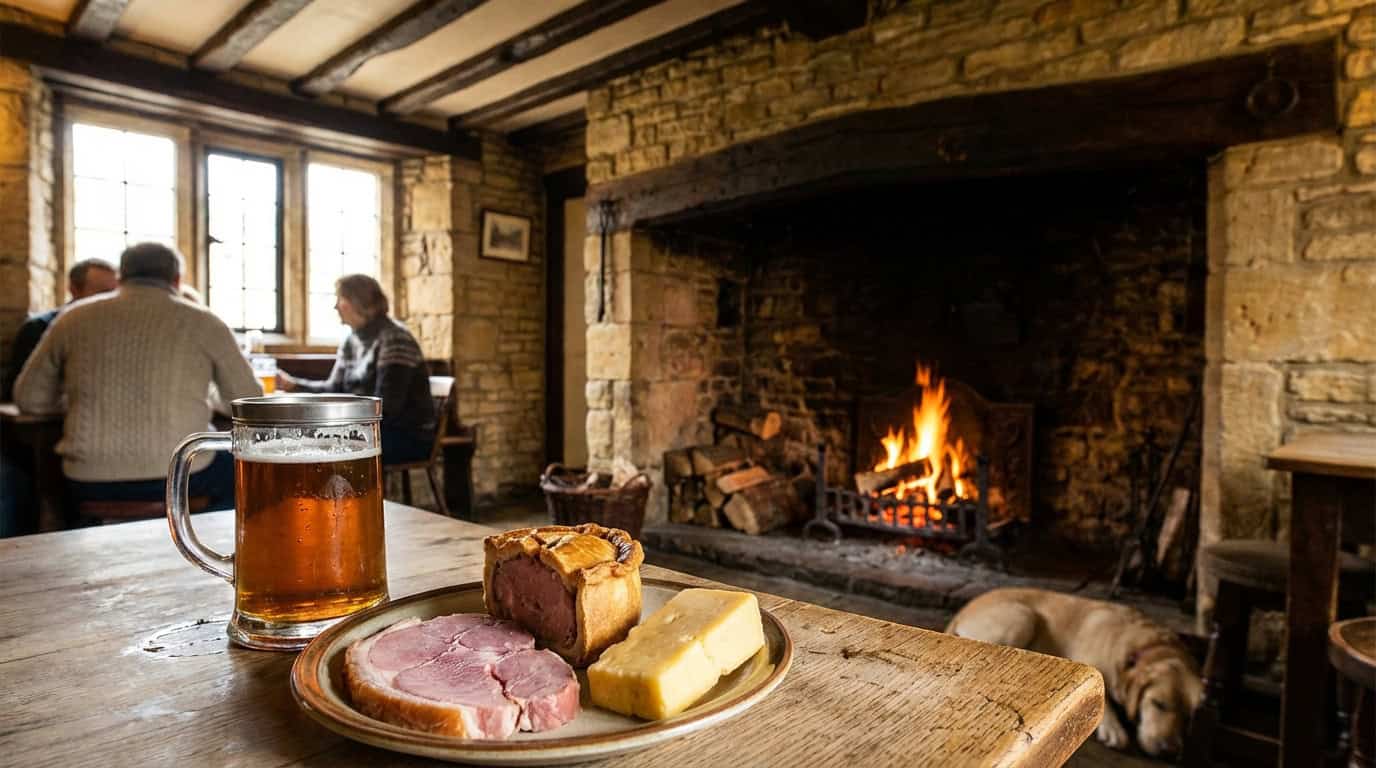
After a day spent wandering through honey-hued lanes and admiring the intricate carvings of medieval parish churches, there is nothing quite like the welcoming glow of a historic countryside pub. These ancient stone buildings, often tucked away at the edge of a village green or along a quiet footpath, serve as the true heart of the Cotswolds. You will likely find me tucked into a corner by a crackling stone fireplace, resting my boots while the scent of woodsmoke fills the air. It is the perfect moment to slow down and reflect on the day’s discoveries while soaking in the authentic atmosphere of a room that has hosted travelers for centuries.
The culinary experience in these hamlets is a direct reflection of the lush, rolling landscape that surrounds them. Most menus celebrate the region’s rich agricultural heritage, featuring locally sourced lamb, artisanal cheeses, and seasonal vegetables grown in nearby kitchen gardens. I always recommend trying a traditional ploughman’s lunch or a hearty slow cooked pie paired with a pint of craft ale from a local brewery. These meals are not just about sustenance, but about connecting with the land and the people who have preserved these traditions for generations.
To make the most of your evening, I suggest looking for pubs that offer outdoor seating with views of the sunset over the Cotswold Hills. There is a specific kind of magic in watching the light fade over limestone cottages while enjoying a plate of locally caught trout or a decadent sticky date pudding. Many of these establishments also host small, live folk music sessions or quiet village gatherings that offer a glimpse into the local way of life. Taking the time to linger over a meal ensures your journey remains focused on the personal, intimate experiences that define a slow travel adventure.
Finding Your Peace in the Cotswolds
There is something truly restorative about swapping the frantic pace of modern life for the gentle rhythm of a Cotswolds village tour. As you wander between honey hued cottages and listen to the soft trickle of a stream, the stresses of the world seem to evaporate into the misty hills. This region is more than just a collection of pretty landmarks, it is a sanctuary where history and nature live in perfect harmony. Choosing to travel slowly allows you to notice the small details, like the scent of woodsmoke in the air or the intricate carvings on a medieval church door. It is the ultimate soul soothing escape for anyone craving a moment of genuine peace and quiet beauty.
I encourage you to lace up your walking boots and start planning your own unforgettable adventure through these historic hamlets. Whether you spend your afternoons sipping tea in a hidden courtyard or trekking across the rolling public bridleways, the memories you make here will stay with you long after you return home. You do not need a rigid schedule to enjoy this landscape, you simply need the curiosity to follow a winding path and see where it leads. The golden stone of the Cotswolds is calling, and there is a cozy fireside seat waiting for you at the end of the trail. Much like exploring the cultural heart of a new destination, now is the perfect time to embrace the charm of the countryside and discover the magic for yourself.
Frequently Asked Questions
1. What is the best way to experience the magic of Castle Combe?
The best way to soak in this village is to arrive early and stand on the iconic stone bridge to hear the Bybrook River. Take a slow walk past the golden limestone cottages toward the old market cross to appreciate the medieval architecture without the distraction of modern streetlights.
2. How should I spend my time when visiting Lower Slaughter?
You should dedicate your visit to wandering along the banks of the River Eye where the sunlight reflects off the shallow water. It is a wonderfully serene spot for a quiet stroll or a moment of reflection by the historic stone buildings that line the riverbank.
3. What makes the architecture of the Cotswolds so unique?
The region is famous for its ancient honey colored limestone which gives the cottages a warm and golden glow. These historic hamlets have been preserved so well that walking through them feels like stepping directly into a storybook from a bygone era.
4. Is a Cotswolds village tour suitable for travelers seeking a quiet escape?
Absolutely, as this corner of the world is defined by a specific kind of stillness and a slow pace of life. It is the perfect destination to trade a frantic schedule for restorative walks through emerald pastures and peaceful moments by trickling streams.
5. What should I look for when exploring the historic hamlets?
Keep an eye out for hidden footpaths that wind through the countryside and lead to breathtaking views of the rolling hills. You will also find charming details like ancient parish clocks and hidden corners that offer the perfect backdrop for a traditional cream tea.
6. What is the best advice for someone planning their first Cotswolds trip?
Let go of your strict schedule and allow yourself to wander aimlessly through the golden stone streets. Focus on the sensory details, like the rustle of leaves and the fresh country air, to truly capture the magic of the English countryside.