
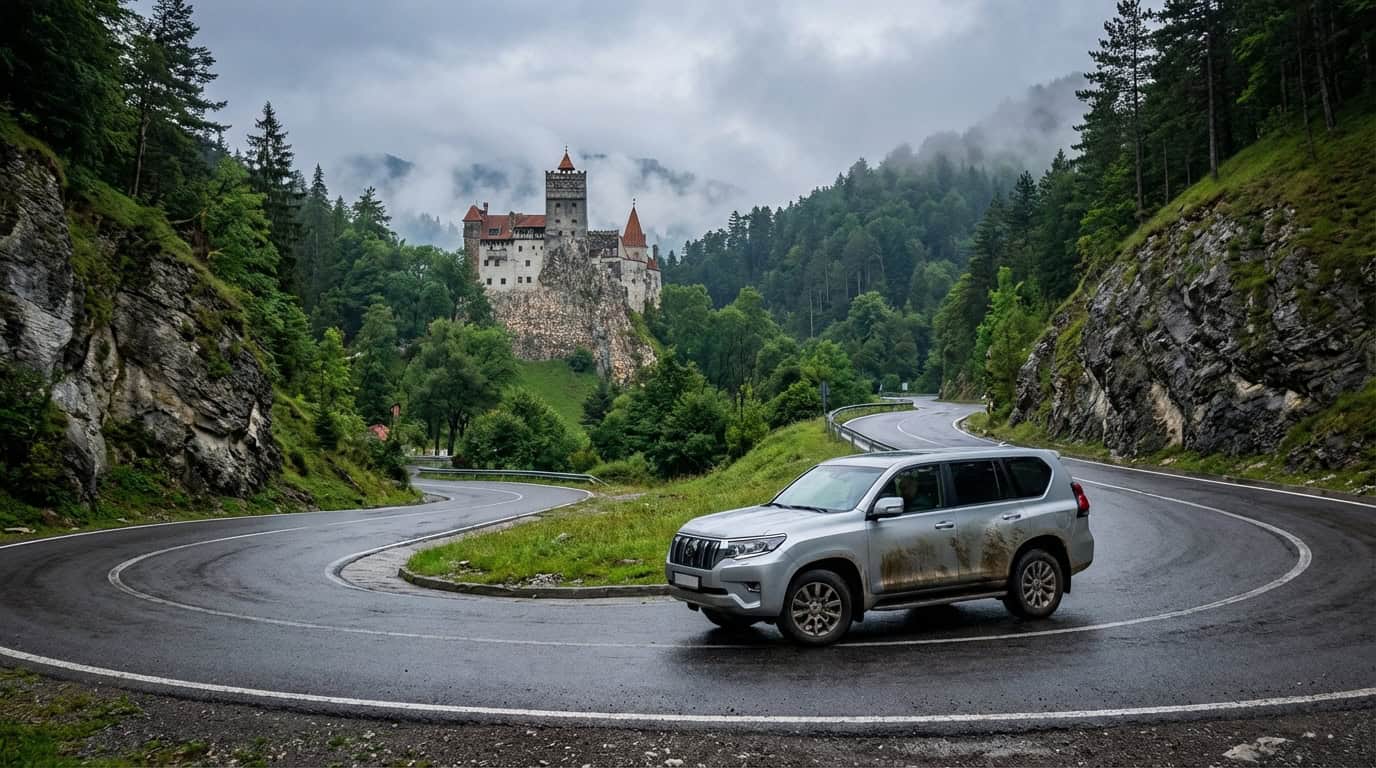
There is a certain magic that takes hold the moment you cross into the Carpathian Mountains, where the mist clings to ancient pine forests and the air smells of woodsmoke and adventure. A Transylvania road trip feels like driving through the pages of a Gothic storybook, where every hairpin turn reveals a soaring spire or a crumbling stone fortress. Whether you are chasing the legends of Vlad the Impaler or simply seeking the quiet rhythm of slow travel, these winding roads offer a rare glimpse into a world where medieval history is still very much alive.
I’ll never forget the first time I saw the jagged towers of Bran Castle silhouetted against a bruised purple sunset; it felt less like a tourist stop and more like a portal to another century. Beyond the famous peaks, you’ll find that the real soul of Romania lies in the details, such as the clatter of horse-drawn carts in Saxon villages and the formidable, iron-clad gates of Corvin Castle. Planning this journey requires a balance of logistical savvy and a willingness to get lost in the folklore of the highlands.
Key Takeaways
- The Transfăgărășan Highway is typically only open from late June through October, making mid-summer to early autumn the essential window for navigating the Carpathian mountain passes.
- A successful Transylvanian itinerary must balance the ‘Golden Triangle’ of castles—Peleș, Bran, and Corvin—with the slower-paced Saxon villages like Viscri and Biertan to capture the region’s full historical depth.
- Strategic timing is critical for major landmarks; arriving at Bâlea Lake and Bran Castle at dawn allows you to avoid heavy tourist crowds and experience the natural mist that defines the Gothic atmosphere.
- Drivers should prepare for a slow-travel experience that requires navigating hairpin turns, sharing rural roads with horse-drawn carts, and staying alert for local wildlife like brown bears.
Driving The Legendary Transfăgărășan Highway And Carpathian Passes
Nothing quite prepares you for the moment the Transfăgărășan Highway reveals itself, snaking through the Făgăraș Mountains like a ribbon of asphalt draped over emerald peaks. As I gripped the steering wheel and navigated the hairpin turns, the sheer scale of the Carpathian wilderness felt both humbling and exhilarating. This legendary route offers more than just a thrill for motorists; it provides a front row seat to Romania’s most dramatic scenery. I recommend starting your climb early in the morning to beat the mist and secure a spot at the Bâlea Lake lookout. This glacial lake sits at the highest point of the pass and serves as the perfect backdrop for photos before you descend toward the southern valleys.
Navigating these mountain passes requires strategic planning, especially since the Transfăgărășan Highway is typically only fully open from late June through October due to heavy snow. Beyond the main highway, the drive through the Carpathians connects you to hidden gems like the Vidraru Dam, where the sheer concrete walls rise out of the forest. Keep your eyes peeled for local wildlife, as it is not uncommon to spot brown bears lingering near the roadside, though you should always stay inside your vehicle for safety. For the best experience, I suggest driving from north to south, which allows the dramatic scenery of the Sibiu region to unfold gradually before you reach the historic Wallachian plains.
While the driving itself is a highlight, the real magic lies in the small stops along the way that bridge the gap between nature and folklore. You can pause at the ruins of Poenari Citadel, perched high on a cliffside, which offers an authentic connection to history. The air up here is crisp and scented with pine, providing a refreshing break from the summer heat of the lower Transylvanian towns. Make sure to pack layers, as temperatures can drop significantly as you ascend into the clouds, even in the height of July. These high altitude passes are the soul of the trip, offering a sense of freedom and adventure that is hard to find anywhere else in Europe.
Exploring The Golden Triangle Of Transylvanian Castles
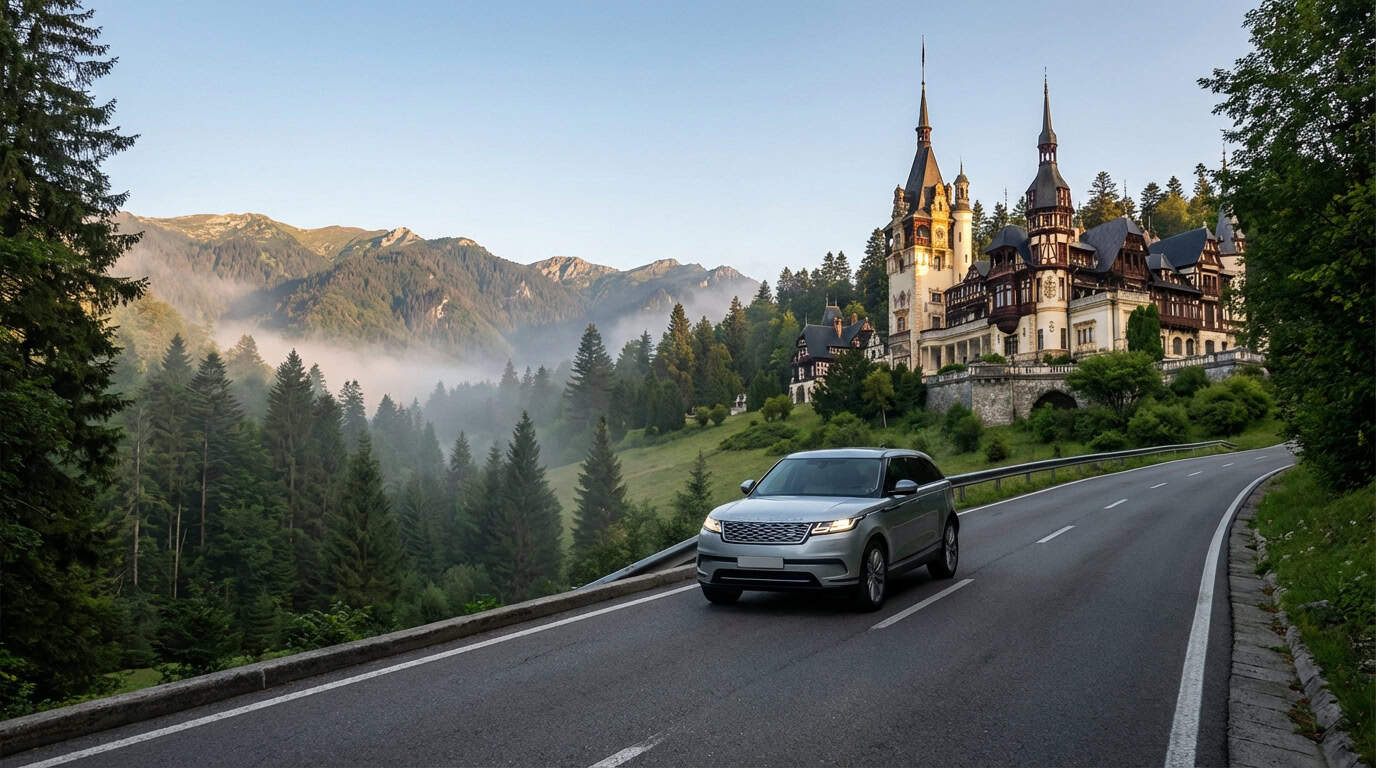
To begin your loop through the region, I recommend setting out from the fairy tale town of Sinaia to witness the neo-Renaissance splendor of Peleș Castle. Nestled within the lush Carpathian forests, this royal residence feels like a dream with its intricate wood carvings and stained glass windows. While it serves as a softer introduction to the area, it sets the stage for the history to come by showcasing the opulence of the Romanian monarchy. I spent an entire morning wandering the manicured gardens, breathing in the crisp mountain air before heading toward the more rugged landscapes that define the heart of Transylvania. This drive is spectacular, offering winding roads that reveal hidden valleys and traditional villages at every turn.
From the elegance of Sinaia, your route leads directly to the sheer cliffs of Bran Castle, the iconic structure synonymous with the legend of Dracula. Walking through its narrow stone stairways and secret passages, you can almost feel the weight of the past. I found that arriving just as the mist rolls over the ramparts provides the perfect atmosphere for photos and historical reflection. For an authentic experience, take a moment to explore the traditional open-air museum at the base of the hill to see how local villagers lived for centuries. It is a busy spot, so planning an early morning visit allows you to appreciate the Gothic architecture without the heavy midday crowds.
The final leg of this Golden Triangle architectural pilgrimage takes you west to Hunedoara, where the formidable Corvin Castle rises like a medieval masterpiece. This is widely considered the most authentic Gothic fortress in the country, featuring a massive drawbridge and towering buttresses. Legend says that Vlad the Impaler was imprisoned in the dungeons here, adding a layer of grit to its majestic silhouette. As I crossed the bridge over the Zlaști River, the sheer scale of the stone walls reminded me why this region remains a premier destination for road trippers. This collection of fortifications offers more than just photo opportunities, as it provides a deep connection to the complex history and folklore that still pulse through the Romanian countryside.
Wandering Through Medieval Saxon Towns And Fortified Churches
Driving through the heart of Transylvania feels like moving through a living storybook where every turn reveals a new spire or a pastel-colored facade. My first stop was Brașov, a city cradled by the Carpathian Mountains that perfectly blends Gothic grit with vibrant Saxon charm. I spent my afternoon wandering the narrowest street in Europe, Strada Sforii, before grabbing a hearty bowl of traditional goulash at a local bistro near the Black Church. The energy here is infectious, especially when you hike or take the cable car up to the Brașov sign for a panoramic view of the red-tiled roofs below. For those planning a visit, I recommend arriving early to find parking near the Council Square, as the pedestrian zones are best explored on foot with a fresh chimney cake in hand.
The journey north to Sighișoara felt like a leap back into the 12th century, especially as the citadel towers came into view against the rolling green hills. This UNESCO World Heritage site is the birthplace of Vlad the Impaler, and its cobblestone alleys are lined with houses painted in shades of ochre, lime, and dusty rose. I climbed the covered Scholars’ Stairs to reach the Church on the Hill, a quiet spot that offers a peaceful break from the bustling craft markets below. Make sure to stop at a family-run cellar to taste local plum brandy, known as țuică, but remember to save your serious driving for the next morning. These hidden gems are tucked away in narrow corners, so keep your camera ready for the ornate door knockers and ancient sundials that adorn the historic walls.
No Transylvanian road trip is complete without exploring the fortified churches that define the rural landscape between the major towns. My favorite detour was the village of Viscri, where the gravel roads and horse-drawn carriages make you feel like time has completely stood still. The white-walled fortified church there is a marvel of medieval defense, housing a small museum of traditional Saxon embroidery and tools. I suggest mapping out a road trip that includes Biertan and Prejmer, as these sites offer a deeper look into how these communities protected themselves for centuries. Most of these churches are managed by locals who are happy to share stories, so don’t be afraid to ask for the heavy iron key if the gate appears locked.
Planning Your Ultimate Romanian Driving Itinerary
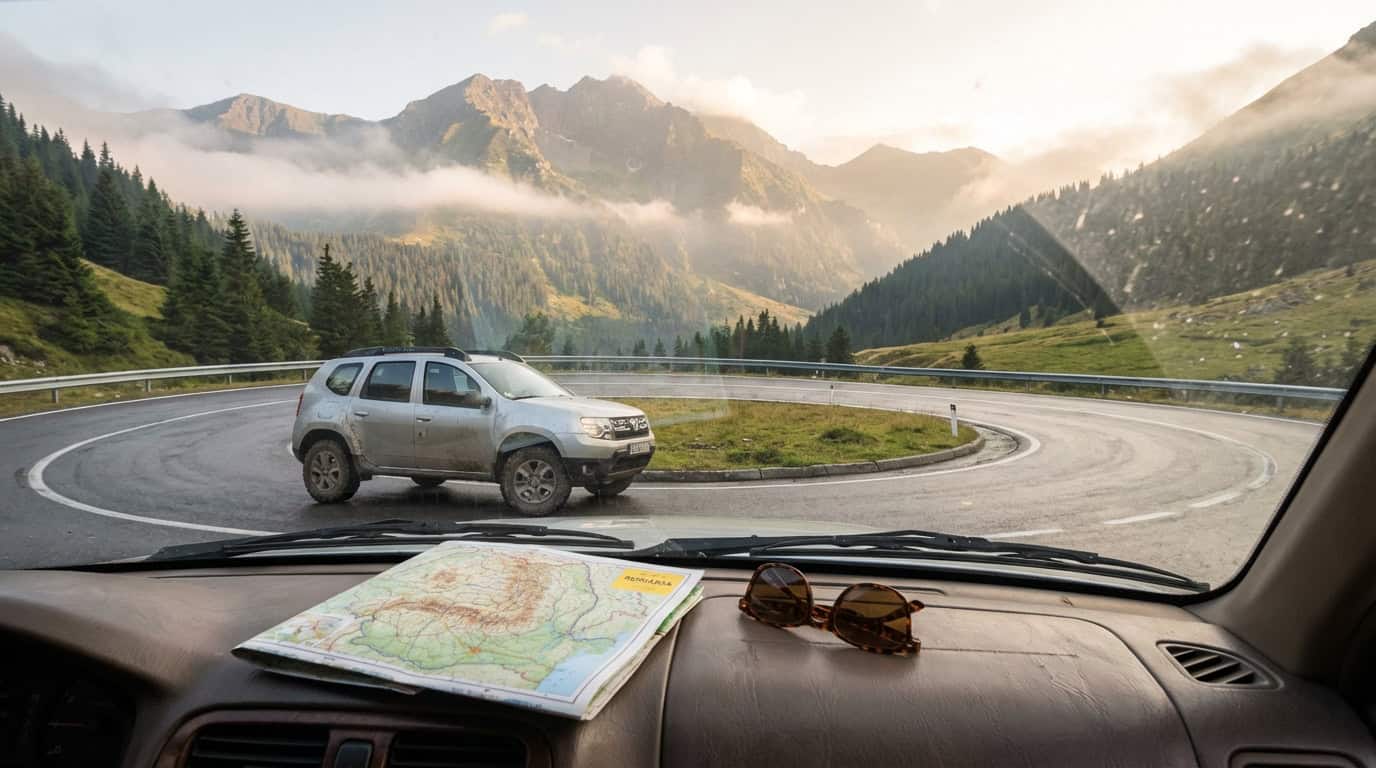
To truly experience the heart of Romania, I recommend starting your journey in the vibrant city of Brasov before weaving through the dramatic peaks of the Carpathian Mountains. This slow travel route prioritizes the Saxon villages, allowing you to soak in the atmosphere of medieval squares and cobblestone streets without feeling rushed. On day one, you can explore the Gothic spires of the Black Church before making the short, scenic drive to the rocky promontory where Bran Castle stands. While the folklore of Dracula often takes center stage here, I found that the real magic lies in the misty mountain views and the smell of fresh chimney cakes being sold by local vendors.
As you head further west on day two, the landscape shifts from dense forests to the rolling hills of the rural countryside, where fortified churches like those in Viscri and Biertan offer a peaceful glimpse into the past. These UNESCO World Heritage sites are perfect for quiet moments of reflection, far away from the typical tourist crowds. By the third day, you should make your way to the imposing Corvin Castle in Hunedoara, which is easily the most visually stunning Gothic fortress I have ever encountered. Walking across its massive wooden drawbridge feels like stepping directly into a medieval chronicle, especially if you arrive early in the morning to catch the fog lifting off the stone towers.
The final leg of this itinerary brings you to the colorful citadel of Sighisoara, a perfectly preserved inhabited fortress that feels like a living museum. I suggest spending your afternoon climbing the Scholars’ Stairs or wandering through the clock tower, then finding a small cafe to enjoy a glass of local wine as the sun sets over the pastel houses. This route balances the major landmarks of Romanian history with the gentle pace of village life, ensuring you see the famous sites while still discovering your own hidden corners of Transylvania. Remember to keep your camera ready for the shepherd flocks that frequently cross the winding roads, as these spontaneous moments often become the highlight of the entire trip.
Final Thoughts on My Transylvanian Journey
Driving through the heart of Romania is a transformative experience that balances the thrill of the open road with the quiet whispers of ancient history. From the hairpin turns of the Carpathian mountain passes to the cobblestone streets of Saxon villages, every mile feels like a step back into a storybook world. I found that the true magic lies in the slow moments, such as watching the mist roll over the ramparts of Corvin Castle or sharing a meal in a small village hidden behind a fortified church. This journey offers much more than just a checklist of sights, as it invites you to connect with a place where folklore and reality still intertwine. It is the ultimate destination for those who want their road trip to feel like a genuine expedition into the past.
Planning your own Transylvania itinerary requires a blend of curiosity and practical preparation for the rugged terrain. I recommend prioritizing the medieval towns while leaving plenty of room for spontaneous detours into the high altitude wilderness. If you are looking for more inspiration, you might consider how this region pairs with a Budapest city break to experience the full breadth of Central European history. Make sure to spend extra time at Bran Castle to appreciate its dramatic architecture before heading into the mountains for some of the most scenic driving in all of Europe. Whether you are a history buff chasing Gothic legends or an adventurer seeking the solitude of the forest, this region delivers an unforgettable mix of mystery and beauty. Pack your bags for a journey that promises to challenge your expectations and leave you with stories that last a lifetime.
Frequently Asked Questions
1. What is the best time of year to drive the Transfăgărășan Highway?
You should plan your trip between late June and October, as this high altitude pass is often closed due to snow during the rest of the year. I highly recommend starting your drive at dawn to enjoy the dramatic views of Bâlea Lake before the mountain mist rolls in.
2. Is it difficult to navigate the mountain roads in Transylvania?
While the hairpin turns of the Carpathian passes require focus and a steady hand on the wheel, the roads are well maintained and incredibly rewarding. You will need a balance of logistical savvy and a sense of adventure to navigate the winding routes that lead to hidden Saxon villages.
3. Which castles are essential stops on a Transylvanian itinerary?
You cannot miss the jagged towers of Bran Castle, which looks like a portal to another century when viewed at sunset. I also suggest visiting the formidable, iron clad gates of Corvin Castle to experience the true Gothic soul of the region.
4. What should I expect when driving through rural Romanian villages?
Be prepared for a slower pace of life where you will likely share the road with traditional horse drawn carts. These moments offer a rare glimpse into a world where medieval history is still alive, so embrace the opportunity to slow down and enjoy the scenery.
5. How do I avoid the crowds at the most popular lookout points?
The secret to a peaceful experience is timing, so aim to reach major landmarks like the Făgăraș Mountains early in the morning. Arriving before the tour buses allows you to experience the magic of the ancient pine forests and misty peaks in total solitude.
6. Is a road trip the best way to see the region?
Driving yourself is the ultimate way to explore because it gives you the freedom to pull over whenever a crumbling stone fortress catches your eye. This flexibility allows you to go beyond the famous peaks and discover the quiet rhythm of the highlands at your own pace. Much like The Ultimate Sicily Road Trip, a journey through Romania rewards those who venture off the beaten path to find authentic local culture.