
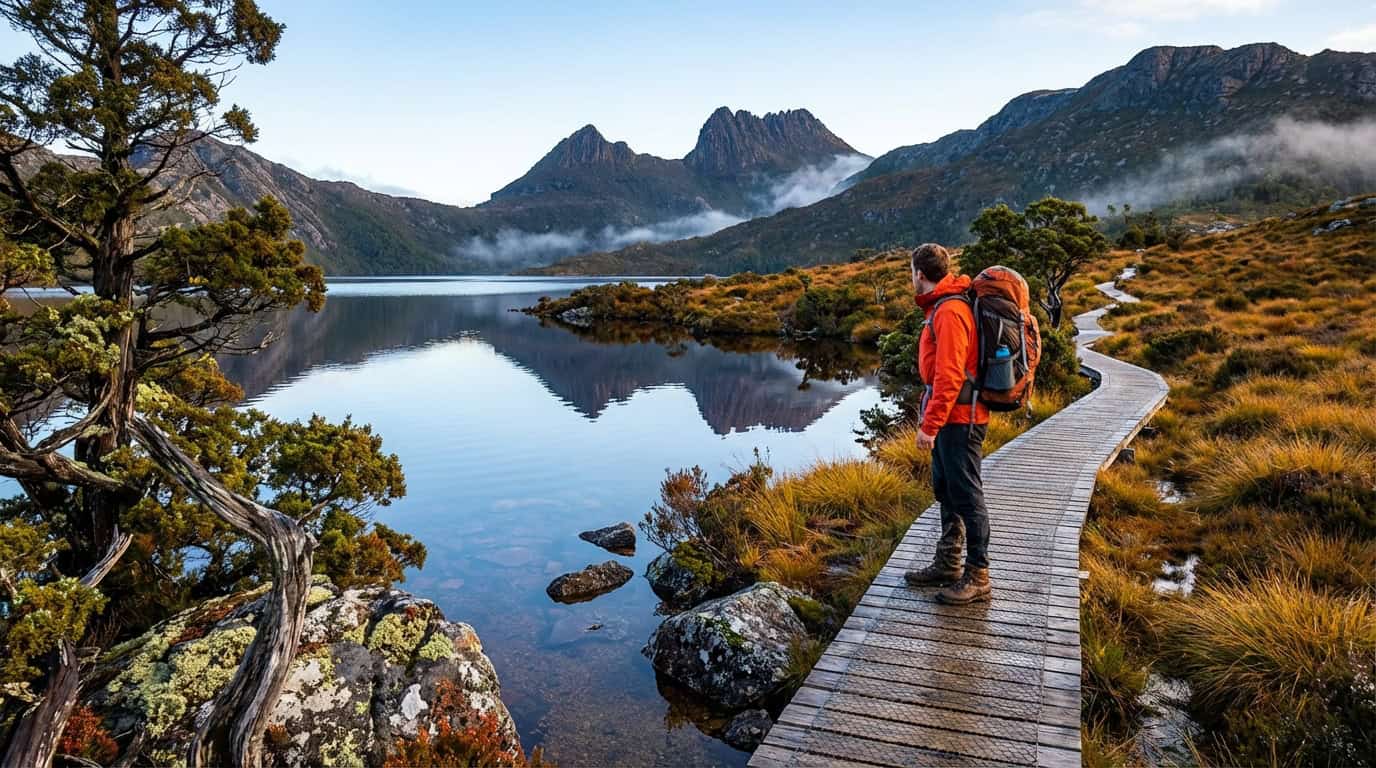
There is a primal, untamed magic that settles over you the moment you step onto a Tasmanian trail, where the air is the cleanest in the world and the silence is broken only by the crunch of ancient dolerite under your boots. With over 40% of the island protected within rugged national parks, this wilderness is a labyrinth of over 2,800 kilometers of tracks that cater to every level of adventurer. I created this tasmania hiking guide to help you navigate everything from the sun-drenched coastal paths of the east to the technical, moss-covered scrambles of the deep south.
Whether you are aiming for the summit of Mt. Ossa or wandering through quiet, temperate rainforests, the terrain here demands respect and rewards you with unmatched solitude. I still remember the first time I watched the sunrise hit the jagged peaks of the Cradle Mountains; it was a moment of pure clarity that only a true wilderness traverse can provide. To make your journey seamless, you will need to plan for fast-changing weather and understand the grading system that keeps these 126 major bushwalks safe for everyone. Planning your trek is about more than just a map, it is about connecting with a landscape that feels as old as time itself.
Key Takeaways
- Prepare for extreme weather volatility by utilizing a three-layer clothing system and high-quality waterproof gear, as the Tasmanian wilderness can shift through four seasons in a single day.
- Secure required National Parks passes and specific track permits months in advance, particularly for iconic routes like the Overland Track which operate on a strict quota system during peak season.
- Invest in technical, high-cut boots and heavy-duty gaiters to safely navigate a landscape defined by deep mud, sharp quartzite, and abrasive vegetation.
- Carry essential safety equipment including a registered Personal Locator Beacon (PLB), topographic maps, and a first aid kit to manage risks in remote areas with no cell service.
Conquering The Iconic Overland Track Circuit
Stepping onto the Overland Track feels like entering a different world where the air is crisp and the ancient landscape stretches out in every direction. This 65km journey from Cradle Mountain to Lake St Clair is the crown jewel of Tasmania’s wilderness, requiring trekkers to navigate through glacial valleys and alpine meadows. Because this is a world class experience, you must book your permit well in advance during the peak season from October to May. Each day offers a unique challenge, from the steep initial climb up to Marion’s Lookout to the long stretches of button grass plains that define the central highlands. I recommend packing for four seasons in a single day, as the weather here is famously unpredictable even in the height of summer.
Your six day itinerary begins with an exhilarating ascent toward the jagged peaks of Cradle Mountain before descending into the tranquil Waterfall Valley. On day two and three, you will traverse the high moorlands toward Pelion Plains, where the sight of Mt. Ossa, Tasmania’s highest peak, dominates the horizon. If you have the energy, the side trip to the summit of Mt. Ossa offers a panoramic view of the rugged interior that is simply breathtaking. The latter half of the trek winds through ancient rainforests and past towering waterfalls like Kia Ora and Hartnett Falls. Finally, you will reach the deep blue waters of Lake St Clair, where a ferry ride or a final forest walk marks the completion of this life changing adventure.
To make the most of this circuit, focus on high quality lightweight gear and a sturdy pair of waterproof boots for the muddy sections. You will spend your nights in a mix of communal huts and tent platforms, so a warm sleeping bag is essential for the chilly alpine nights. I found that the quiet moments at dusk, watching the local wombats graze near the campsites, were just as memorable as the mountain summits. Practical planning is key, so ensure you have a reliable stove and enough fuel since open fires are strictly prohibited in this sensitive ecosystem. Taking the time to prepare your body and your pack ensures that you can focus on the stunning scenery rather than your sore feet.
Essential Gear For The Tasmanian Backcountry
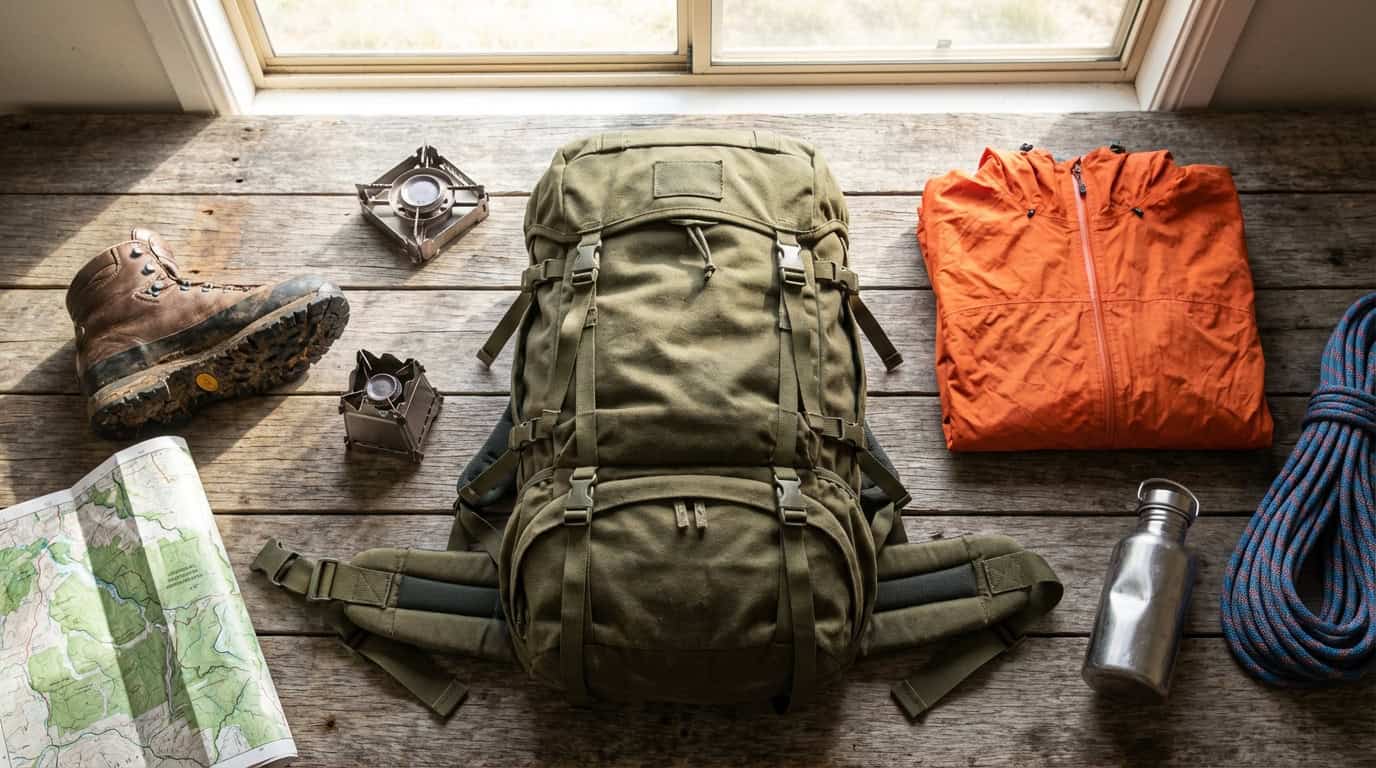
Preparing for a trek through the Tasmanian backcountry requires a mindset that respects the island’s notoriously fickle weather patterns. Even during the height of summer, I have witnessed the landscape transform from sun-drenched alpine meadows to a freezing, snow-dusted wilderness in a matter of minutes. My golden rule for the Overland Track and other Grade 4 circuits is a rigorous three-layer system consisting of a moisture-wicking merino base, a high-loft synthetic mid-layer, and a heavy-duty waterproof shell. Never underestimate the importance of quality waterproof over-pants, as the horizontal rain in the highlands can easily penetrate standard gear. This layering strategy ensures you remain dry and regulated while navigating the technical bouldering sections of Mt. Ossa or the exposed ridges of the Western Arthurs.
When it comes to footwear for Grade 5 trails, I always prioritize high-cut technical boots with aggressive tread patterns and exceptional ankle support. The terrain here is a punishing mix of deep mud, sharp quartzite, and slippery tree roots that can easily end a trip if you are not properly supported. I highly recommend pairing your boots with heavy-duty canvas gaiters to protect your legs from both the dense scrub and the occasional encounter with local wildlife. On my last trek through the Walls of Jerusalem, these gaiters were my best defense against the abrasive vegetation and muddy bogs that define the Tasmanian bush. Investing in sturdy trekking poles will also save your knees during the steep, knee-jarring descents that characterize the state’s most rugged mountain passes.
Safety in the remote wilderness is non-negotiable, especially when you are miles away from the nearest trailhead or cell service. I never step onto a multi-day circuit without a registered Personal Locator Beacon (PLB) and a comprehensive first aid kit specifically stocked for blister care and sprains. Navigating the dense forest can be tricky, so I always carry a physical topographic map and a compass as a reliable backup to my GPS device. It is also vital to pack a high-calorie emergency food stash and a lightweight bivvy bag for unexpected nights spent on the trail. By packing with this level of intentionality, you can focus on the breathtaking vistas and the profound silence of the ancient rainforest rather than worrying about the elements.
Coastal Wonders And Alpine Summit Day Hikes
If you are short on time but still want to experience the raw beauty of the Apple Isle, focusing on the Freycinet Peninsula offers the perfect balance of coastal charm and physical challenge. I always recommend starting with the iconic trek to the Wineglass Bay lookout, where the white sand and turquoise water create a stunning crescent shape that looks like a postcard come to life. For those who want to push their limits, the scramble up Mount Amos is a must, though the steep granite slabs require sturdy boots and a bit of nerve. Standing on that summit after a technical climb provides an unrivaled perspective of the Hazards mountain range and the vast Southern Ocean stretching toward the horizon.
To make the most of a quick trip, I suggest basing yourself near Coles Bay to capture the best morning light on the peaks before the midday crowds arrive. You can spend your morning navigating the pink granite boulders of the coastline and your afternoon cooling off with a dip in the pristine waters of Honeymoon Bay. While these hikes are shorter than the multi day circuits, the elevation changes are deceptively rugged and will certainly test your fitness. Remember to pack plenty of water and check the local weather forecasts, as the rocks can become incredibly slippery when those sudden coastal mists roll in from the sea.
This high impact itinerary ensures you witness the dramatic transition from sea level to alpine heights without needing a week of heavy supplies. By combining the well maintained paths of the lookout with the off trail feel of the mountain summits, you get a concentrated dose of what makes Tasmanian trekking so world renowned. I find that these specific trails offer the most visual reward per kilometer, making them ideal for active travelers who want to see the highlights before heading further inland. Whether you are gripping the stone on a steep ascent or strolling along the shore, the diversity of the landscape here never fails to inspire a deep sense of wonder.
Navigating The Wild Tasmanian Seasons And Permits
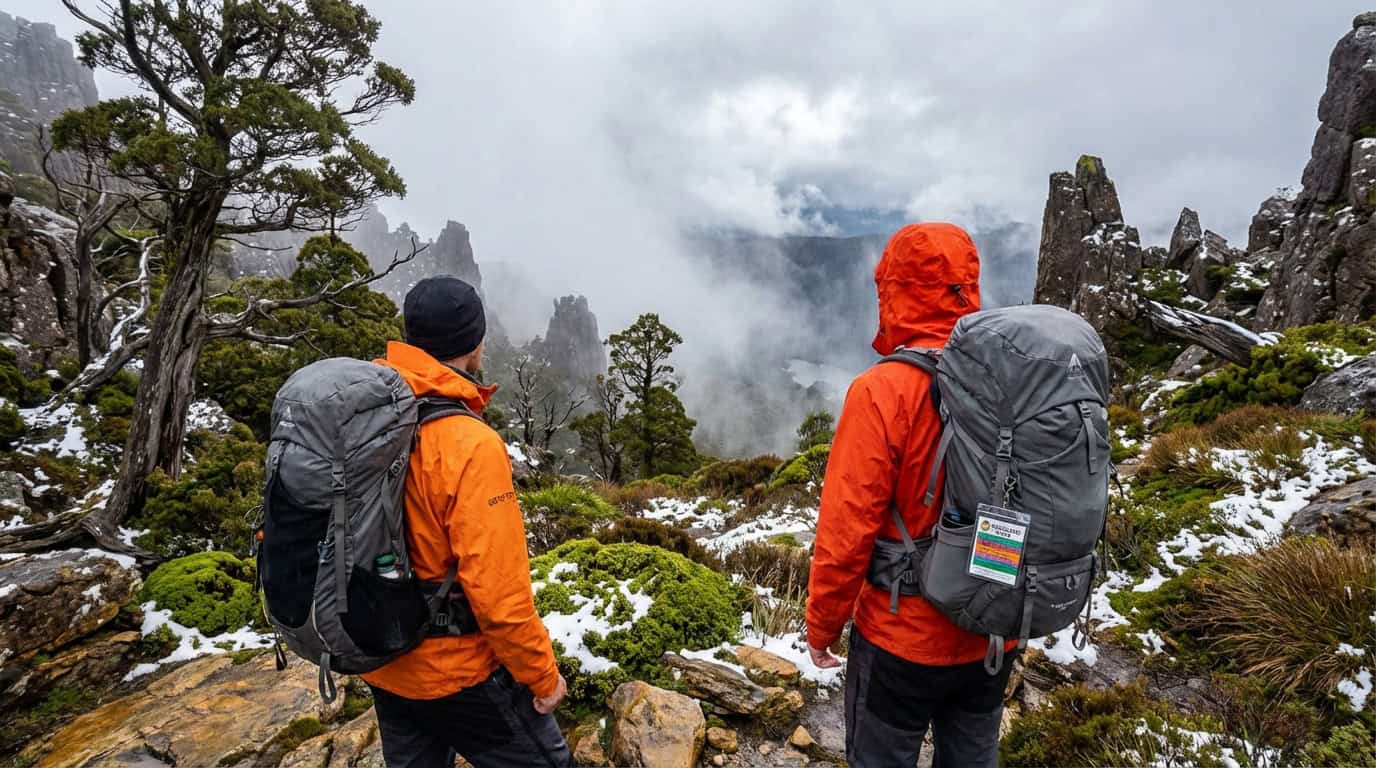
Before you lace up your boots for a trek like the Overland Track, you need to navigate the essentials of the Tasmanian National Parks Pass system. Since about 40 percent of the island is protected wilderness, most of the premier circuits require a valid pass to help maintain these pristine ecosystems. For the more popular multi day hikes, you will often need to secure specific track permits months in advance, as the state uses a quota system to prevent overcrowding and protect the fragile alpine flora. I always recommend securing your passes early in the planning phase to ensure your preferred dates are locked in before you start packing.
The weather in Tasmania is famously unpredictable, often delivering four seasons in a single afternoon regardless of the month. While the summer window from December to March offers the most stable conditions and longer daylight hours, you must still be prepared for sudden snowfalls or lashing rain on high ridges. I have found that autumn brings stunning colors to the deciduous beech forests, but it also requires a higher level of self sufficiency and warmer gear. Always check the official grading system, which range from Grade 1 for easy strolls to Grade 5 for technical wilderness traverses, to ensure your skills match the seasonal challenges of your chosen route.
Choosing the right window for your trek depends heavily on your comfort level with rugged terrain and changing climates. If you are aiming for the summit of Mount Ossa, the island’s highest point, a clear summer day is ideal for the technical rock scrambling required near the top. For coastal tracks, the shoulder seasons can be magical with fewer crowds and crisp, clear mornings that make the white sand beaches pop against the turquoise water. No matter when you go, bringing a high quality waterproof jacket and sturdy boots is a non negotiable part of the Tasmanian experience.
Embrace the Wild in Every Step
Tasmania is more than just a destination for your next trip, as it represents a profound shift in how you experience the natural world. Whether you are navigating the technical bouldering sections of a remote peak or finding your rhythm on the iconic Overland Track, the Tasmanian bush has a way of stripping away the noise of modern life. I have found that the island’s rugged terrain and unpredictable weather demand respect, yet they reward every ounce of effort with views that feel like they belong to a prehistoric era. Stepping onto these trails means joining a community of adventurers who value the raw, untouched beauty of the World Heritage Area.
Preparing for your first expedition might feel daunting, but the clarity you gain from a week in the wild is worth every bit of planning. Remember to pack for all four seasons in a single day and prioritize gear that can handle the moisture and wind of the high country. Start with the well-managed circuits to build your confidence before venturing into the more technical Grade 5 traverses that define this island. There is a transformative power in reaching the summit of Mount Ossa or watching the mist roll over a glacial lake.
Now is the perfect time to lace up your boots and commit to the challenge of a Tasmanian trekking circuit. You do not need to be an elite athlete to start, but you do need a spirit of curiosity and a willingness to embrace the elements. Much like exploring the Austrian Alps, every kilometer of the state’s managed trails offers a new perspective on what it means to be truly immersed in the wilderness. Take that first step toward your journey today, and I promise the memories of the southern stars and ancient rainforests will stay with you forever.
Frequently Asked Questions
1. What is the best time of year to tackle the Overland Track?
The peak season runs from October to May when the weather is most favorable for crossing alpine meadows. You must book your permits well in advance for these months as spots on this world class circuit fill up quickly. Even in summer, you should pack for four seasons in a single day because the mountain weather is famously unpredictable.
2. How difficult is the terrain for a typical Tasmanian hike?
The landscape is incredibly diverse, ranging from sun-drenched coastal paths to technical scrambles over ancient dolerite. With 126 major bushwalks to choose from, you can find everything from quiet rainforest wanders to the steep climb up to Marion’s Lookout. Always check the official grading system before you set out to ensure the track matches your fitness level.
3. What should I pack for a multi-day trek in the wilderness?
Preparation is key when you are navigating a landscape that demands respect and experiences fast-changing weather. Focus on high-quality layers, sturdy boots for the rugged tracks, and reliable rain gear to handle the mist of the deep south. Carrying a detailed map and a personal locator beacon is also essential for your safety in these remote areas.
4. Are permits required for all national parks in Tasmania?
You will need a valid National Parks Pass to explore the protected wilderness areas that cover over 40% of the island. Specific iconic routes like the Overland Track require additional individual permits during the busy season to preserve the trail’s solitude. These fees go directly toward maintaining the 2,800 kilometers of tracks that make this place a hiker’s paradise.
5. Where can I find the most dramatic sunrise views?
Watching the first light hit the jagged peaks of the Cradle Mountains is a moment of pure clarity you will never forget. For a different but equally stunning experience, head to the east coast for golden hour views over the white sands and turquoise waters. Both locations offer that primal magic that only the Tasmanian wilderness can provide.
6. Is it possible to hike solo in the Tasmanian bush?
While the unmatched solitude is a major draw for many trekkers, solo hikers must be exceptionally well-prepared for the technical terrain. I always recommend sharing your itinerary with someone and sticking to well-marked trails like the 65km journey to Lake St Clair. Much like planning an unforgettable mountain adventure, the silence of the ancient forests is beautiful, but the environment requires a high level of self-sufficiency. For those who love tropical landscapes, best Kauai hiking trails offer a similarly dramatic but warmer alternative to the rugged south.