
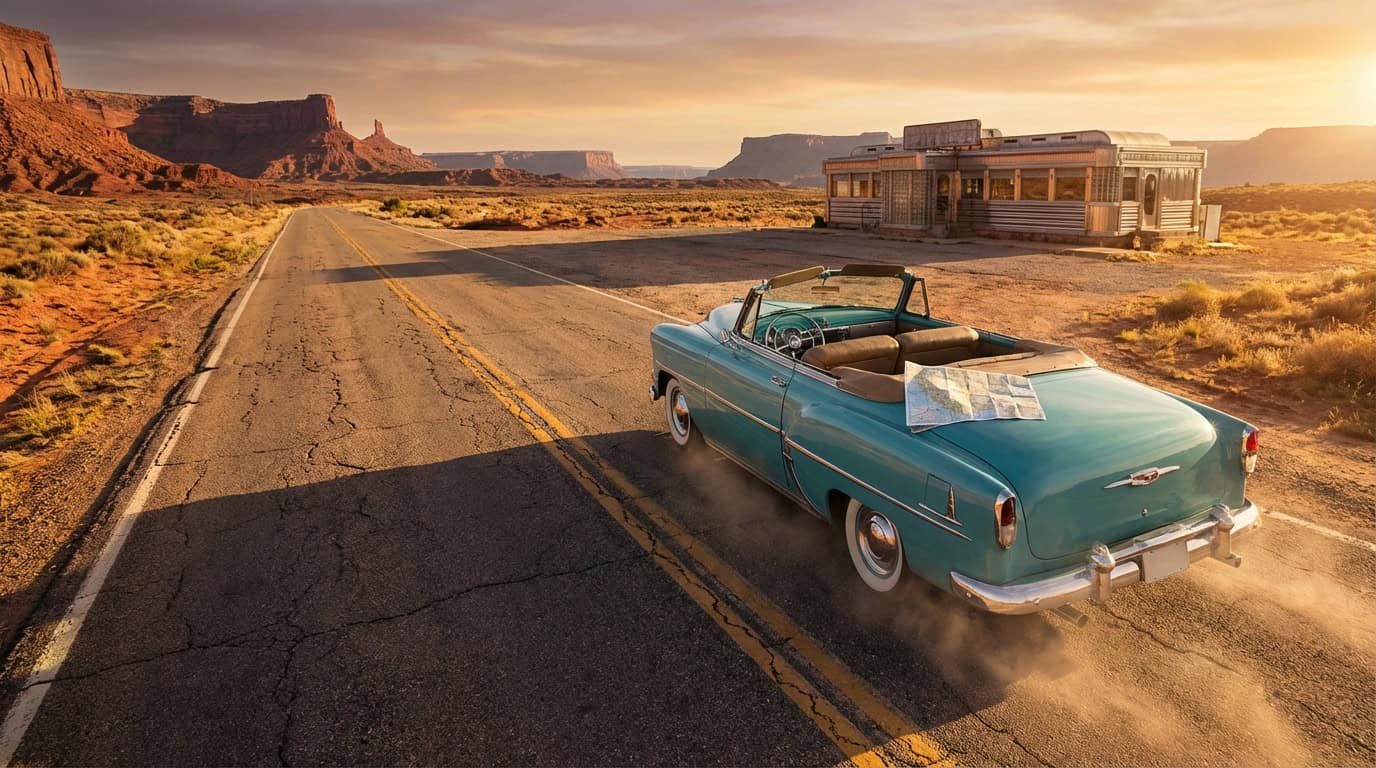
There is nothing quite like the thrill of rolling down your windows and pointing your tires west across the legendary Mother Road. I still remember the first time I mapped out my ultimate Route 66 itinerary, tracing the 2,448-mile path from the towering skyscrapers of Chicago to the sun-drenched pier in Santa Monica. With the historic highway approaching its monumental 100th anniversary in 2026, communities are pouring love into restoring the neon-lit diners, vintage motels, and quirky roadside attractions that define this iconic trip.
While it takes a bit of planning to navigate the modern patchwork of historic alignments and frontage roads, piecing together the route is truly half the adventure. Cruising through eight incredible states, from the sweeping plains of Oklahoma and Texas to the painted deserts of Arizona, reveals the rich, unfiltered heart of America. Today, roughly 85 percent of the original pavement is still beautifully drivable, just waiting for you to pack your bags, fire up the engine, and chase the western horizon.
Key Takeaways
- Roughly 85 percent of the original Route 66 is still drivable, but navigating its modern patchwork of historic alignments requires dedicated offline maps and a physical guidebook.
- Dedicate exactly fourteen days to complete the 2,448-mile journey from Chicago to Santa Monica to avoid feeling rushed and allow time for spontaneous detours.
- With the monumental 100th anniversary approaching in 2026, book accommodations well in advance as communities actively restore vintage motels and classic diners.
- Embrace the spirit of the Mother Road by prioritizing iconic stops, from quirky interactive art installations in Texas to a breathtaking sunrise detour at the Grand Canyon.
Preparing For The Historic Mother Road
Driving across the legendary Mother Road is a rite of passage for any true road trip enthusiast. Spanning a massive 2,448 miles from the bustling streets of Chicago to the sun-drenched pier in Santa Monica, this iconic route weaves through eight incredible states. I have always found that driving this historic path feels like stepping into a living time machine filled with pure Americana. Today, approximately 85 percent of the original pavement is still drivable, though it exists as a fascinating patchwork of historic alignments and frontage roads. Navigating this beautiful mosaic requires a bit of patience, but the reward of discovering forgotten towns and classic diners is absolutely worth the effort.
When planning your own Route 66 itinerary, I highly recommend dedicating exactly fourteen days to the adventure. This two-week pace is the perfect sweet spot for soaking in the magic of the trip without ever feeling rushed. You will have plenty of time to pull over for quirky roadside attractions, like towering fiberglass statues or colorful interactive art installations in Texas. A relaxed schedule also allows you to spend your evenings resting in beautifully restored vintage motels bathed in the glow of classic neon signs. Trust me, trying to squeeze this massive cross-country trek into a shorter timeframe means you will miss out on the spontaneous detours that make the trip so unforgettable.
Before you pack up the car, you need to prepare for the unique navigational challenges of this historic highway. Since Route 66 is no longer a single uninterrupted road, I suggest downloading dedicated offline maps and bringing a physical guidebook to help you connect the modern interstates with the old scenic byways. You should also book your accommodations well in advance, especially as communities actively restore their infrastructure for the massive 100th anniversary of the route in 2026. Keeping a detailed atlas handy will save you when cell service inevitably drops in the remote stretches of the Mojave Desert. With the right preparation and a spirit of adventure, you are completely ready to roll down the windows and let the magic of the open road take over.
Chicago To Oklahoma: Diners And Quirky Wonders
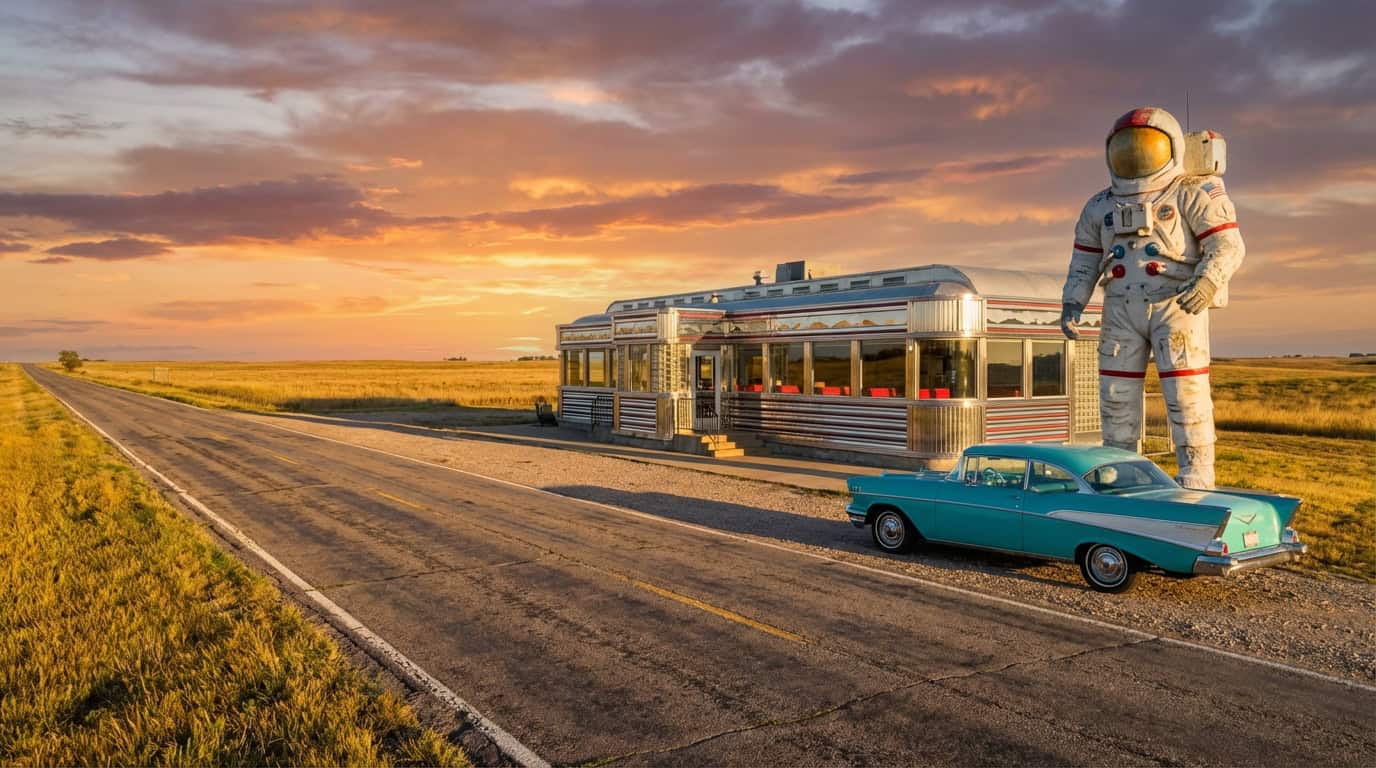
Kicking off the first week of our epic day-by-day Route 66 itinerary, we stood right under the iconic Begin Route 66 sign in downtown Chicago, feeling a rush of pure wanderlust. Navigating out of the bustling city limits, the urban skyline quickly melted into the charming, wide-open stretches of Illinois. One of my absolute favorite personal stops happened just a few hours into the drive when we pulled over to snap photos with a legendary thirty-foot fiberglass spaceman statue. Towering in the air with a silver space helmet, this quirky roadside giant instantly transported us back to the golden age of American road trips. It is these delightfully weird roadside attractions that make driving the Mother Road such an unforgettable adventure, reminding you to embrace the joy of the journey itself.
Leaving the flatlands behind, our route wound through the gorgeous rolling hills of Missouri, where classic neon diner signs lit up the twilight sky. By the time we crossed into Oklahoma, the landscape transformed again, leading us straight to a massive, smiling blue whale statue floating peacefully in a roadside pond. Walking inside the belly of this bizarre aquatic wonder was a surreal highlight of the week, offering a perfect spot for a quirky picnic lunch. When planning your own stretch from Chicago to Oklahoma, keep in mind that about eighty-five percent of the original highway is still drivable today. You will need to navigate a patchwork of historic alignments and modern interstate connectors, so I highly recommend downloading offline maps to keep your adventure on track.
Wrapping up the first week of our journey in Oklahoma left us completely spellbound by the rich history and vibrant communities keeping this historic path alive. With the one-hundredth anniversary of Route 66 approaching in 2026, we noticed incredible restoration efforts breathing new life into vintage motels and classic filling stations along the way. Taking the time to chat with the passionate locals who run these restored gems truly enriched our daily itinerary. As you pack your bags for this classic North American road trip, remember to take things slow and savor every single greasy spoon diner you encounter. The magic of this iconic route lies in the spontaneous detours, setting the perfect stage as we geared up for the next leg into the deserts of Texas and New Mexico.
Texas Panhandle To Arizona: Deserts And Canyons
As we leave the rolling plains behind, the drive into the Texas Panhandle signals a dramatic shift toward the rugged desert scenery that makes this classic American road trip so iconic. Our first major stop is a legendary interactive art installation just outside of Amarillo, where ten vintage cars are buried nose-deep in the dusty dirt. I highly recommend grabbing a few cans of cheap spray paint at a local hardware store before you arrive so you can leave your own colorful mark on these cars. It is an incredibly quirky and unforgettable roadside attraction that perfectly captures the rebellious spirit of the Mother Road. Just remember to pack some wet wipes to clean the paint off your hands before getting back behind the wheel for the next leg of our journey.
Crossing the border into New Mexico brings us to Tucumcari, a town that feels like a beautifully preserved time capsule from the golden age of automobile travel. You will want to time your arrival for the late afternoon so you can watch the historic boulevard light up with a mesmerizing display of retro neon signs. I always make a point to snap a few photos in front of a famous historic motel, which has been welcoming weary travelers with its glowing neon bird sign since 1939. The town offers a fantastic opportunity to grab a classic diner burger and chat with locals who are eagerly preparing for the monumental centennial celebration in 2026. Cruising down these historic streets truly transports you back to an era when the journey itself was just as important as the final destination.
Before we officially wrap up this segment of our itinerary in the heart of Arizona, I have a personal rule that every traveler must take a breathtaking detour to the Grand Canyon. Peeling off the historic highway at Williams allows you to drive about an hour north to witness one of the most magnificent natural wonders on the planet. My best practical advice is to arrive at the South Rim just before sunrise, allowing you to avoid the heavy afternoon crowds and watch the canyon walls burst into vibrant shades of orange and red. After soaking in those sweeping panoramic views, you can hop back onto the patchwork of historic alignments and modern connectors that make up the remaining drivable route. This unforgettable side quest adds the perfect touch of natural grandeur to our retro adventure as we push further west toward the California coast.
The Final Stretch: California To Santa Monica
Crossing into the final stretch of our Route 66 road trip brought us face to face with the rugged beauty of the Mojave Desert. I highly recommend starting your drive before sunrise to avoid the intense midday heat that routinely bakes this arid landscape. As we carefully navigated the famously winding paths of Sitgreaves Pass, the stunning canyon views made every hairpin turn completely worth the effort. We eventually rolled into the quirky gold rush town of Oatman, Arizona, just before the California border, where you absolutely must buy some carrots to feed the friendly wild burros roaming the streets. Sharing a quiet moment with these gentle animals felt like stepping directly into the rich history of the Mother Road.
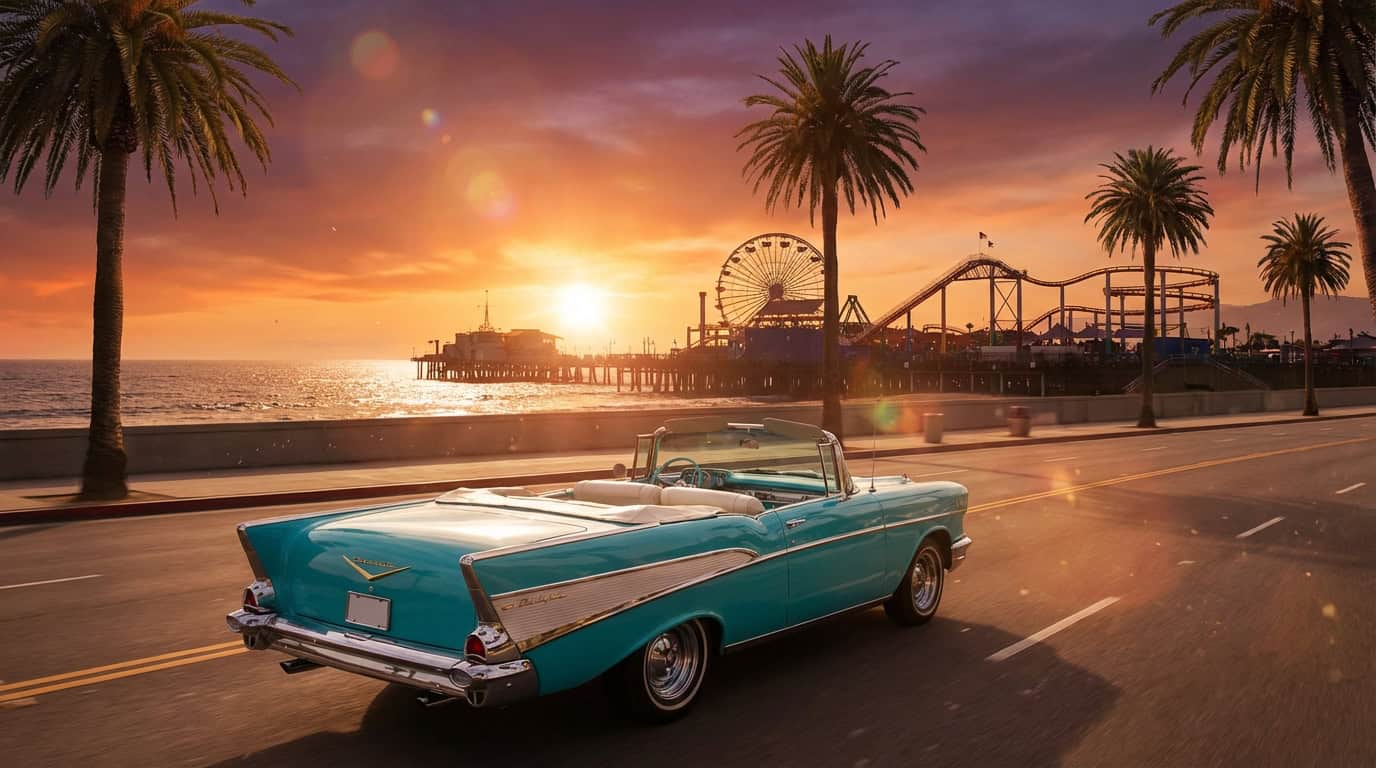
Leaving the desert behind, we eagerly traced the remaining miles of this historic highway toward the glittering California coast. While only about 85 percent of the original route is still drivable today, piecing together the historic alignments and frontage roads adds a thrilling sense of discovery to the journey. The urban sprawl of Los Angeles gradually replaced the open skies, signaling that our incredible adventure was finally drawing to a close. Pulling up to the Santa Monica Pier brought a sudden rush of emotion as we finally spotted the iconic End of the Trail sign. Standing there after driving nearly 2,448 miles across eight states, I felt a profound connection to the countless travelers who have completed this classic American pilgrimage.
Reflecting on Our Epic Mother Road Journey
Looking back on this incredible 2,448-mile journey from Chicago to Santa Monica, I can honestly say that driving the Mother Road is an experience that changes how you see America. We have explored everything from neon-lit diners and quirky roadside oddities in Texas to the breathtaking desert landscapes of Arizona. Navigating this historic patchwork of original alignments and modern connectors offers a rare glimpse into the golden age of American travel. It is not just about getting from point A to point B, but rather about embracing the spontaneous detours and the fascinating locals you meet along the way. For any true road trip enthusiast, experiencing this iconic stretch of highway is an absolute mandatory bucket-list adventure that fills your soul with pure wanderlust.
There has never been a better time to plan your own cross-country adventure, especially with the monumental 100th anniversary of Route 66 arriving in 2026. Communities across all eight states are already restoring classic motels and planning massive celebrations to honor this legendary route. I highly encourage you to grab a physical map, pack your favorite snacks, and start booking your overnight stays before the centennial crowds arrive. The open road is calling out with promises of unforgettable sunsets and timeless memories just waiting to be made. Put the car in drive, roll down your windows, and let the magic of this classic American journey guide you toward the trip of a lifetime.
Frequently Asked Questions
1. How long does it take to drive Route 66?
I highly recommend dedicating exactly fourteen days to truly experience the magic of your Route 66 itinerary. This two-week pace gives you plenty of time to soak in the neon-lit diners, vintage motels, and quirky roadside attractions without feeling rushed. You will have the freedom to chase the western horizon and discover the rich, unfiltered heart of America at your own perfect speed.
2. Where does Route 66 start and end?
Your unforgettable journey covers a massive 2,448 miles, starting right under the towering skyscrapers of Chicago and ending at the sun-drenched pier in Santa Monica. I love how this path weaves through eight incredible states, taking you from the sweeping plains of Illinois, Oklahoma, and Texas to the painted deserts of Arizona. It truly feels like stepping into a living time machine filled with pure Americana.
3. Is it still possible to drive the original Route 66?
Yes, you can absolutely still drive the historic Mother Road. Today, roughly 85 percent of the original pavement is still beautifully drivable, existing as a fascinating patchwork of historic alignments and frontage roads. While it takes a bit of patience to navigate, piecing together the route to find forgotten towns and classic diners is truly half the adventure.
4. What are some must-see stops on a Route 66 itinerary?
I always tell my friends to grab a cozy slice of pie at a classic roadside diner in Texas and marvel at the vibrant interactive art installations of buried vintage cars just down the road. You absolutely must spend a night at a historic neon-lit motel in Tucumcari, New Mexico, before exploring the breathtaking Petrified Forest in Arizona. Finishing your epic road trip with a sunset stroll on the Santa Monica Pier is the perfect way to celebrate your journey.
5. Why is 2026 a special year for Route 66?
The historic highway is approaching its monumental 100th anniversary in 2026, making it an incredibly magical time to plan your road trip. Local communities across all eight states are pouring love into restoring the vintage motels and quirky roadside attractions that define this iconic journey. I cannot wait to see the Mother Road shining brighter than ever as travelers gather to celebrate its legendary legacy.
6. How should I navigate the modern patchwork of the route?
I strongly suggest picking up a dedicated Route 66 guidebook or using a specialized GPS app designed specifically for the Mother Road. Because the path is a mosaic of historic alignments and frontage roads, standard mapping tools often reroute you onto the modern interstate. Taking the time to map out your ultimate Route 66 itinerary ensures you never miss those hidden gems and beautifully restored roadside diners.
7. What should I pack for a two-week Route 66 road trip?
Pack comfortable clothes for different climates, as you will be driving from the breezy shores of Lake Michigan all the way to the hot deserts of Arizona. I always make sure to bring a physical map, an amazing playlist filled with classic road trip tunes, and a great camera to capture those neon signs. Do not forget to leave a little extra room in your trunk for all the quirky souvenirs you will inevitably collect along the way.