
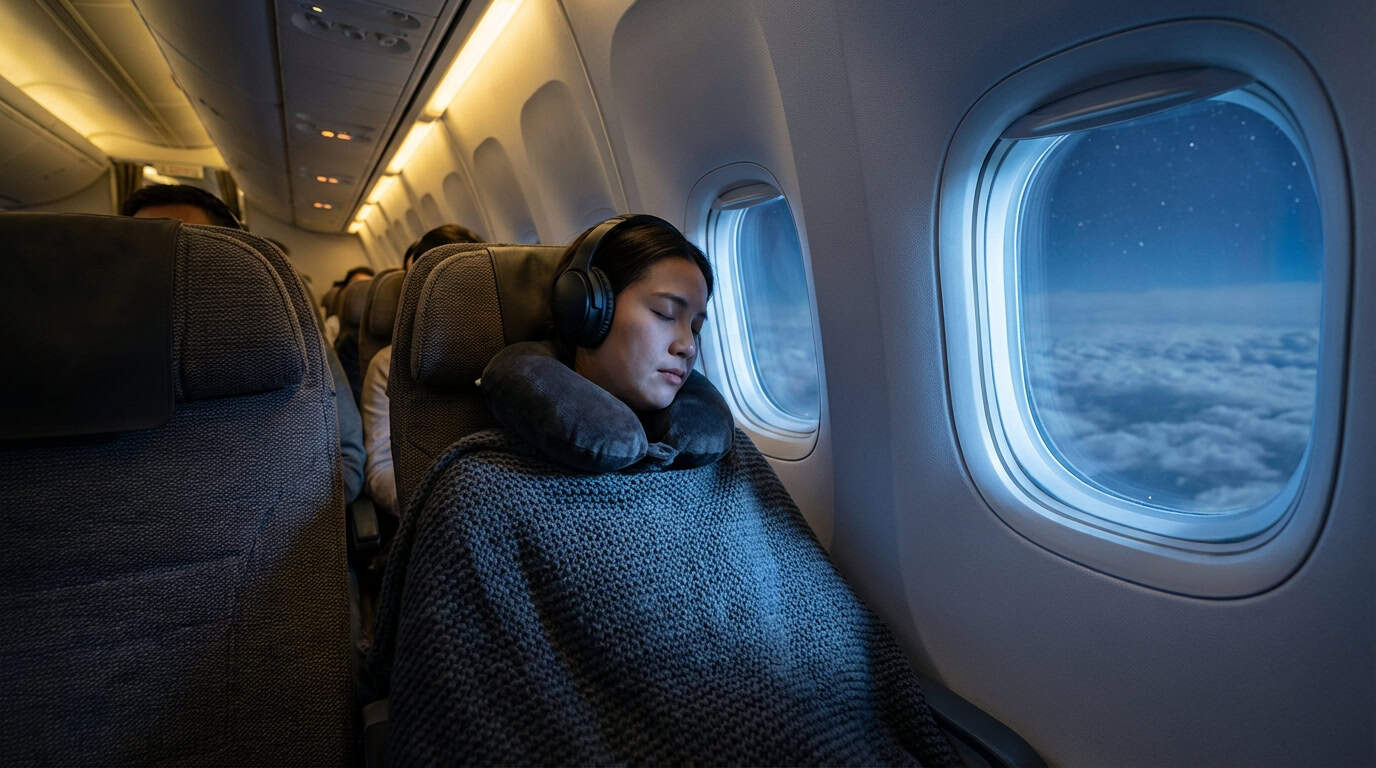
I still remember the sheer exhaustion of my first flight to Bali, stepping off the plane feeling more like a crumpled boarding pass than an eager explorer ready to embrace a new adventure. Since then, I’ve learned that crossing oceans doesn’t have to mean sacrificing your sanity or your physical well-being. By mastering the right long-haul flight tips, that daunting stretch of time in the sky transforms from a grueling endurance test into the peaceful, restorative beginning of your dream getaway.
Surviving those long intercontinental journeys begins months before you even pack your bags, especially with the modern shift toward wellness-focused travel. Whether it’s strategically booking a seat directly over the wings for the smoothest ride or managing your circadian rhythm to beat jet lag, every little detail matters. I’ve perfected a pre-flight approach that ensures you touch down feeling refreshed, radiant, and ready to conquer your itinerary the moment you leave the airport.
Key Takeaways
- Secure a mid-wing window seat six to eight months in advance to minimize turbulence and maximize sleep. Apply the five-row rule by sitting exactly five rows from galleys or restrooms to ensure a quiet environment while still receiving prompt meal service.
- Create a personal in-flight sanctuary by packing an ultra-plush blanket, noise-canceling headphones, and a dedicated hydrating skincare kit. Combat dry cabin air and travel anxiety by using overnight masks, facial mists, and drinking plenty of water throughout the journey.
- Conquer jet lag by immediately adjusting your watch, sleep schedule, and light exposure to match your destination’s time zone the moment you board. Freshen up with cold water and a change of clothes during the final hour of the flight to mentally and physically prepare for arrival.
Strategic Seating And The Five-Row Rule
I always begin my long-haul flight preparation a full six to eight months before takeoff to ensure I get the exact seat I want. Securing the right spot on the plane transforms those long transit days from a grueling endurance test into a peaceful start to my international adventures. I specifically hunt down a window seat situated directly over the wings, which acts as the center of gravity for the aircraft. This mid-wing location dramatically minimizes the bumpy impact of unexpected turbulence, allowing me to drift off comfortably while leaning against the side wall. Waking up refreshed as the sun rises over a new continent is a magical feeling, and it all starts with that early booking strategy.
Once I find that perfect mid-wing area, I apply a clever strategy known as the flight attendant-approved five-row rule. This brilliant little trick involves booking a seat exactly five rows away from the nearest galley or restroom. Sitting at this specific distance creates a reliable buffer zone against the clattering of carts and the constant chatter of passengers waiting in line. However, you are still close enough to the front of the cabin section to receive your hot meal early in the service cycle. Getting fed quickly means I can maximize my sleeping time and arrive at my dream destination ready to explore.
Packing The Ultimate In-Flight Wellness Kit
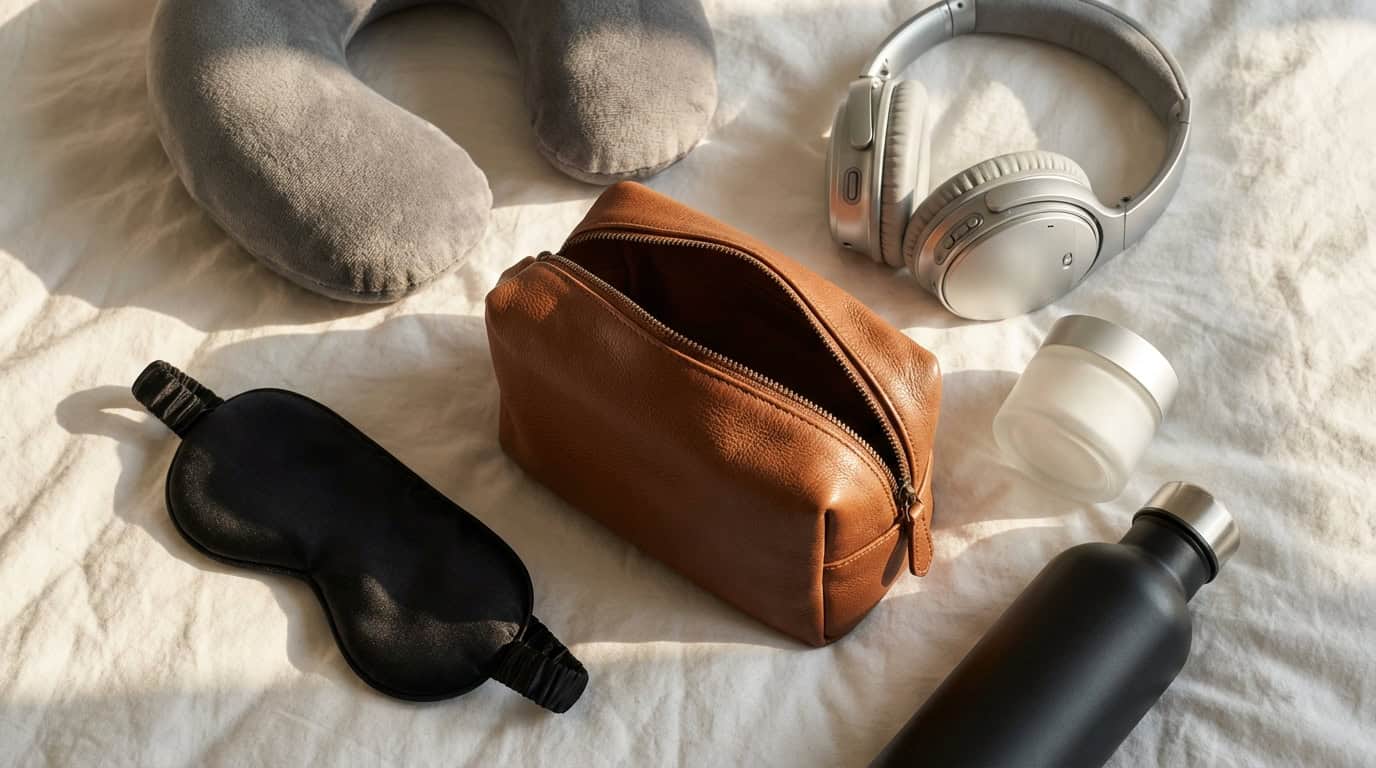
Stepping onto a plane for a long transit day across the globe used to fill me with dread, but I have learned that the secret to thriving is creating a personal sanctuary right at my seat. During a particularly grueling journey to Bali last year, I realized that relying on airline-provided amenities simply was not enough to find true comfort. Now, I always pack my own ultra-plush travel blanket to wrap myself in a cozy cocoon the moment the cabin lights dim. I pair this with high-quality noise-canceling headphones to block out the hum of the engines and the chatter of fellow passengers. These simple physical comforts instantly lower my travel anxiety, transforming a cramped space into a peaceful retreat where I can relax and drift off to sleep.
Beyond physical coziness, combating the dry air at cruising altitude is essential for arriving at your dream destination feeling refreshed instead of depleted. My personal wellness kit always includes a rich, hydrating overnight mask and a soothing facial mist that I apply generously throughout the flight. I also swear by keeping a heavy-duty lip balm and a small tube of luxurious hand cream in my seatback pocket for easy access. Drinking plenty of water is just as important as topical treatments, so I carry a large reusable bottle to ensure I stay hydrated from the inside out. Taking a few minutes to perform this mini spa routine at thirty thousand feet feels grounding, ensuring I step off the plane glowing and ready to explore the world.
Managing Jet Lag And Circadian Rhythms
I used to dread the physical toll of crossing multiple time zones until I shifted my approach to managing my internal clock. On a recent long flight to Tokyo, I decided to immediately change my watch and mindset to the destination time the moment I buckled my seatbelt. If it is daytime where you are landing, you need to force yourself to stay awake and soak in as much of the bright cabin lighting as possible. Conversely, if your destination is deep in the night, you must politely decline that mid-flight movie marathon, pop on a sleep mask, and command your body to rest. This intentional lighting strategy tricks your brain into adjusting its melatonin production long before you ever touch down.
Beyond just timing your sleep, nourishing your body correctly plays a huge role in conquering time zone transitions. I always pack my own healthy snacks and drink at least one full glass of water for every hour I am in the air to prevent dehydration from worsening my fatigue. When the cabin lights finally dim for a designated rest period, I create a cozy sanctuary using a high-quality neck pillow and noise-canceling headphones. Even if you cannot fall into a deep slumber right away, simply resting your eyes in total darkness gives your system a much-needed break. I have also found that avoiding heavy airline meals during my forced sleep windows prevents sluggish digestion from keeping me awake.
The final phase of this circadian rhythm rescue mission happens in the last hour of your journey. As the plane begins its descent, I always head to the lavatory to splash cold water on my face, brush my teeth, and change into a fresh set of clothes. Stepping off the aircraft feeling physically clean provides an incredible psychological boost that helps you power through those first few exhausting hours in a new country. Once you finally exit the airport, make it your priority to find some natural sunlight and take a brisk walk to fully awaken your senses. By taking control of your biological clock in the sky, you will arrive at your dream destination feeling refreshed and ready to embrace the adventure ahead.
My Secrets to Conquering Long Haul Flights
Looking back at my own exhausting transit days across the globe, I have learned that surviving a long international journey comes down to intentional preparation. Securing your tickets six to eight months in advance gives you the ultimate advantage in choosing that perfect mid-wing window seat for uninterrupted sleep. Once you settle into that carefully chosen spot over the airplane wings, you will feel significantly less turbulence and can focus entirely on your personal wellness. I always pack a dedicated comfort kit filled with hydration essentials and sleep aids to help manage my circadian rhythm high above the clouds. Combining these pre-flight booking strategies with mindful in-flight habits transforms an intimidating flight into a surprisingly restful experience.
It is normal to feel a bit anxious about spending countless hours inside an airplane cabin, but you have the power to conquer this challenge. I clearly remember the overwhelming joy of stepping off a grueling fourteen-hour flight and immediately smelling the salty, warm breeze of the Amalfi Coast. Every single minute of strategic planning and mid-air stretching becomes worth it the moment your passport gets stamped. Armed with the right preparation and a positive mindset, you can handle any lengthy travel day that stands between you and your next great adventure. Take a deep breath, pack your favorite cozy socks, and get ready to step straight off the tarmac into the destination of your dreams.
Frequently Asked Questions
1. When should I start booking my seat for a long intercontinental journey?
I always begin my flight preparation a full six to eight months before takeoff to ensure I get the exact spot I want. Securing your ideal seat early transforms your transit day from a grueling test into a peaceful start to your adventure. It gives you the ultimate peace of mind as you dream about your upcoming getaway.
2. Where is the best place to sit on an airplane to avoid bad turbulence?
I highly recommend hunting down a seat situated directly over the wings. This specific area acts as the center of gravity for the aircraft, which dramatically minimizes the bumpy impact of unexpected turbulence. You will enjoy a much smoother ride across the ocean and arrive feeling relaxed.
3. Why do you prefer the window seat for long flights?
I always choose a window seat because it allows you to comfortably lean against the side wall to drift off and get some much-needed rest. Waking up refreshed as the sun beautifully rises over a new continent is a magical feeling. It also means I never have to worry about other passengers waking me up to use the restroom.
4. What exactly is the five-row rule for booking flights?
The brilliant five-row rule is a clever flight attendant secret where you book a seat exactly five rows away from major disruption areas like galleys and restrooms. I love using this trick because it keeps you far enough from the noisy foot traffic, ensuring you get uninterrupted beauty sleep. It is a simple strategy that makes a world of difference for your overall wellness in the sky.
5. How can I manage my circadian rhythm to beat jet lag?
Surviving long flights and beating jet lag begins with adjusting your sleep schedule a few days before you even pack your bags. I like to slowly shift my sleeping and eating times to match my dream destination. Staying hydrated and resting strategically on the plane ensures you touch down feeling radiant and ready to conquer your itinerary.
6. How do I shift my mindset about long stretches of time in the sky?
I used to step off planes feeling like a crumpled boarding pass, but I learned that crossing oceans does not have to sacrifice your sanity. By mastering a few simple wellness strategies, you can turn that daunting flight into a restorative prelude to your journey. Think of your time in the air as a peaceful retreat before your grand adventure begins.