
Stepping off the train into the crisp, snow-muffled streets of Sapporo for the first time felt like walking straight into a snow globe. I still remember the thrill of catching snowflakes on my eyelashes before warming up with a steaming bowl of rich, buttery miso ramen. If you are dreaming of experiencing the legendary Japow and world-class ski resorts for yourself, crafting the perfect Hokkaido winter itinerary is the key to experiencing this magical northern island. Between December and March, this region transforms into one of the world’s premier cold-weather destinations, blending heart-pounding alpine adventures with unforgettable cultural festivals.
To help you explore the snowy expanses, I have mapped out a route that hits all the absolute must-see hubs using the reliable regional rail network. We will start by marveling at the massive ice sculptures of the Sapporo Snow Festival and wandering along Otaru’s romantic, gas-lit canal. From there, the journey heads into the mountains for unparalleled powder skiing in Niseko and nearby alpine resorts, before wrapping up with the hauntingly beautiful illuminated Blue Pond in Biei. You can easily adapt these specific stops to fit your travel style, whether you are chasing adrenaline on the slopes or simply seeking a cozy, culturally rich winter escape.
Key Takeaways
- Plan your Hokkaido trip between December and March to experience world-class powder skiing in Niseko, the famous Sapporo Snow Festival in early February, and Biei’s illuminated Blue Pond.
- Utilize Hokkaido’s reliable regional rail network with a rail pass for safe, scenic, and effortless travel between major winter hubs without the stress of driving on icy roads.
- Survive the freezing temperatures and icy sidewalks by packing strategic thermal layers, a windproof jacket, and essential slip-resistant waterproof winter boots.
- Balance thrilling alpine adventures with rich cultural comforts by soaking in traditional outdoor hot springs and warming up with local specialties like rich, buttery miso ramen.
Days 1 To 3 Sapporo And Otaru
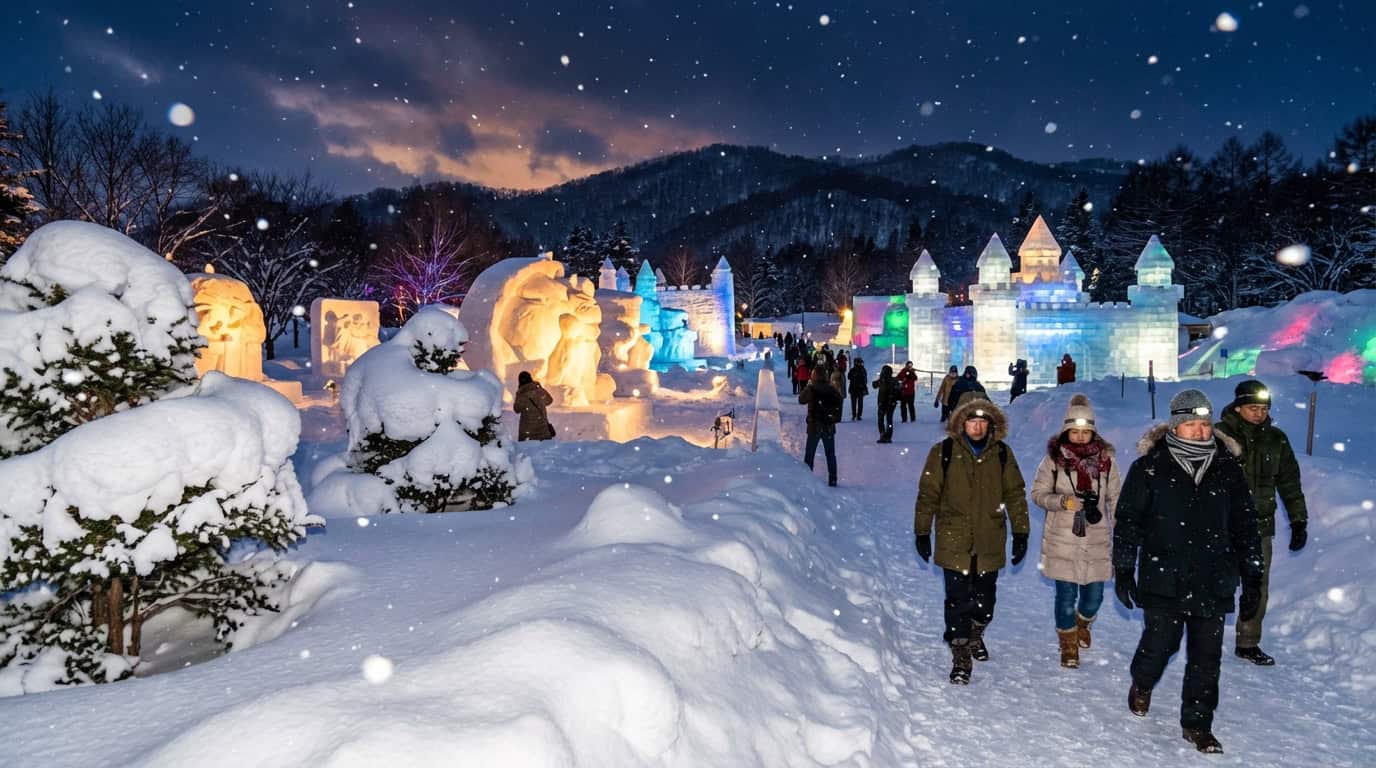
I always recommend kicking off your Hokkaido winter itinerary right in the heart of Sapporo during the first week of February. This timing lets you experience the world-famous Sapporo Snow Festival, where massive, intricately carved ice sculptures tower over Odori Park. On your first two days, wrap up warmly and spend your afternoons wandering through these frozen masterpieces, grabbing hot bowls of local miso ramen from nearby street vendors to stay cozy. As the sun sets, the sculptures are illuminated with vibrant light shows that make the entire city feel like a magical winter wonderland. Make sure to pack slip-resistant boots, because walking on the icy sidewalks while gazing up at the art can be surprisingly tricky.
On your third day, take a quick train ride from Sapporo to the incredibly romantic port city of Otaru. Stepping out of the station feels like walking into a vintage snow globe, especially when you head straight for the famous Otaru Canal. I absolutely love strolling along the water just before dusk, when the historic gas lamps flicker on and cast a warm glow against the snow-covered brick warehouses. You can easily spend hours ducking into the local glasswork shops to warm your hands and pick up beautiful handmade souvenirs. Before heading back to Sapporo for the night, treat yourself to some of the freshest sushi in Japan at one of the cozy restaurants lining the historic streets.
Days 4 To 5 Chasing Niseko Powder
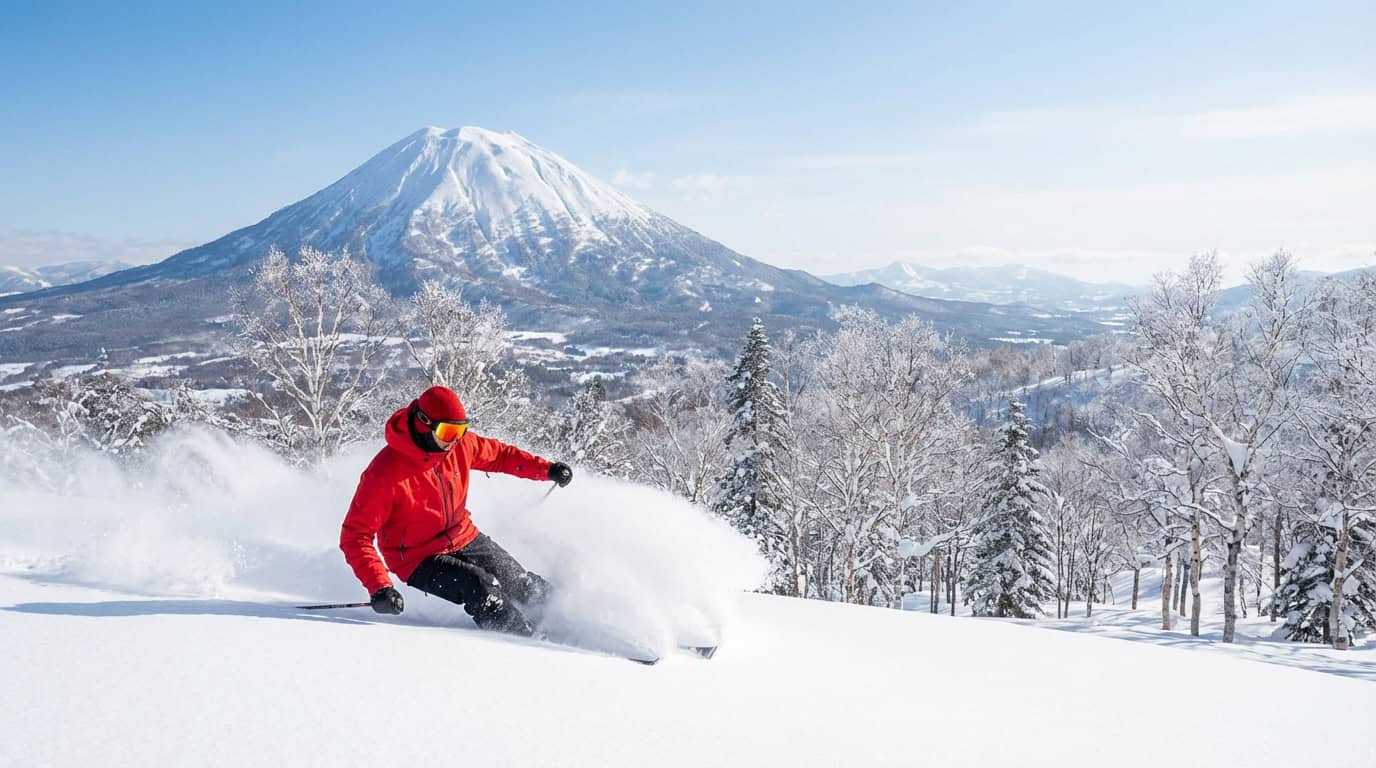
After a scenic train ride from Sapporo, I always feel a rush of adrenaline as the majestic peak of Mount Yotei comes into view. Niseko is globally celebrated as the ultimate winter sports mecca, and experiencing its legendary Japow firsthand is an absolute must for your itinerary. The snow here is incredibly light and dry, creating a floating sensation that makes every turn down the mountain feel completely effortless. I recommend starting your morning at the main ski area, which offers the largest skiable terrain and plenty of runs for both beginners and seasoned experts. You can easily rent top-tier equipment right at the base of the mountain, making it incredibly convenient to head straight into the powder.
Once you have carved up the slopes for a few hours, take a midday break to refuel with a steaming bowl of spicy miso ramen at one of the cozy mountain lodges. The afternoon is the perfect time to explore the tree-lined trails of the quieter resort areas, where the pristine snow glades feel incredibly serene. When your legs finally need a rest, swapping your ski boots for a traditional yukata robe is the ultimate reward. I highly suggest visiting a local rotenburo (outdoor hot spring) to soothe your aching muscles while watching snowflakes gently fall around you. Soaking in the mineral-rich waters offers a profoundly relaxing experience that perfectly captures the spirit of a Hokkaido winter.
As evening approaches, the vibrant Niseko village truly comes alive with glowing lantern-lit streets and bustling izakayas. Securing dinner reservations well in advance is crucial, as the best local sushi spots and yakitori joints fill up incredibly fast during the peak winter months. For your fifth day, you can either chase more fresh powder on the slopes or take a guided snowshoeing tour through the silent, snow-draped forests. I love wrapping up this leg of the journey by sipping hot sake at a local bar, sharing stories of the day with fellow travelers from around the globe. This perfect blend of thrilling outdoor adventure and rich cultural comfort makes Niseko an unforgettable highlight of any Japanese winter getaway.
Days 6 To 7 Biei And Drift Ice
I always tell my friends that nothing prepares them for the sheer magic of Biei in the peak of winter. You will want to bundle up in your warmest layers before heading out to witness the famous Shirogane Blue Pond under the night sky. During the snowy months, this already stunning location transforms into a surreal wonderland as brilliant spotlights illuminate the frozen, snow-covered trees jutting out of the vibrant blue water. Just a short drive away, you can also marvel at the Shirahige Waterfall, where freezing cobalt waters cascade beautifully through thick icicles. I highly recommend renting a car with winter tires or booking a local bus tour from Asahikawa to travel these rural roads safely.
On day seven, your itinerary takes you further east to the coastal town of Abashiri for an experience that feels entirely out of this world. This is where you can board an icebreaker ship to cruise straight through the massive sheets of drift ice floating down from the Sea of Okhotsk. Hearing the heavy hull of the vessel crunching through the thick white ice is an unforgettable sensory thrill that I cannot recommend enough. You might even spot adorable wildlife resting on the frozen blocks, including Steller sea eagles and wild seals. Since this is one of the most popular winter attractions in northern Japan, you absolutely must book your cruise tickets several weeks in advance.
Connecting these two distinct regions requires a bit of strategic planning, but the scenic transit options make the journey incredibly rewarding. You can easily take the limited express train from Asahikawa directly to Abashiri, allowing you to sit back and watch the pristine white landscapes roll by your window. I always suggest picking up a local bento box and a hot green tea from the station before you board the train. Once you arrive and finish your icy cruise, you can thaw out with a steaming bowl of fresh seafood ramen at a cozy local eatery. Wrapping up this leg of the trip with a hearty meal will leave you perfectly energized for the rest of your snowy adventure.
Hokkaido Winter Transit And Packing Essentials
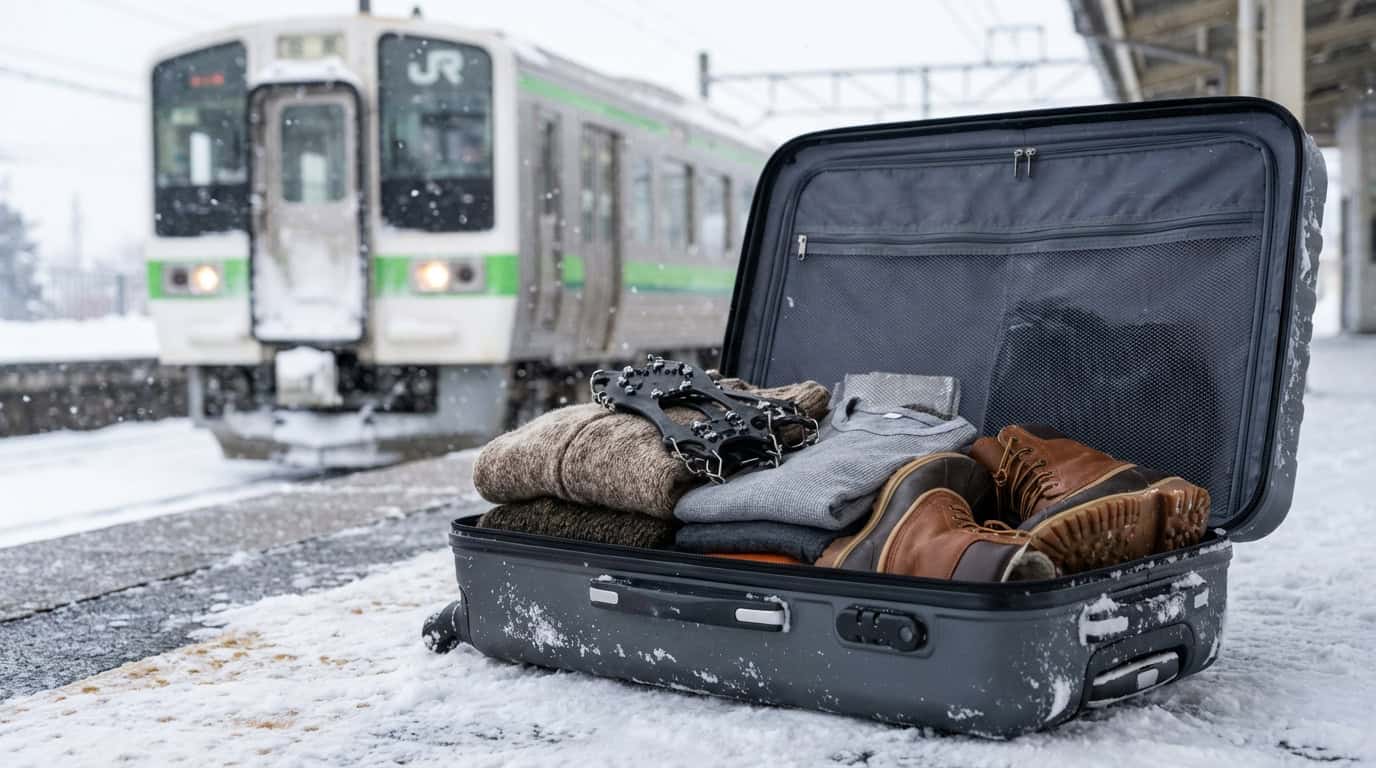
Traveling through a snowy wonderland might sound intimidating, but I can assure you that the regional rail network makes moving between winter hubs surprisingly effortless. Instead of worrying about icy roads, you can simply sit back in a heated train car and watch the pristine white landscapes glide past your window. I highly recommend picking up a regional rail pass for this northern island, as it provides seamless access to major destinations like Sapporo, Otaru, and the gateways to Niseko. Be sure to reserve your seats a few days in advance during the busy snow festival season to guarantee a spot on the most popular routes. Watching the frozen coastlines and snowy forests from the comfort of these reliable trains is truly one of the highlights of my winter journeys.
Staying wonderfully cozy in freezing temperatures requires a smart packing strategy focused entirely on strategic layering. I always start my daily outfit with high-quality thermal base layers, which trap body heat without adding unnecessary bulk under my clothing. You will definitely want a thick fleece or wool sweater for your middle layer, topped off with a windproof and waterproof insulated jacket to block out the biting northern chill. My absolute biggest secret for surviving long days at the outdoor snow festivals is investing in tall, waterproof winter boots with heavy traction. Add some touchscreen-compatible gloves, a warm knitted hat, and a few pocket hand warmers to your day bag, and you will be perfectly prepared to enjoy the legendary powder snow.
Ready for Your Magical Hokkaido Winter Escape?
Crafting this Hokkaido winter itinerary has reminded me just how truly magical Japan’s northernmost island becomes when blanketed in snow. From the vibrant ice sculptures of the Sapporo Snow Festival to the romantic, gas-lit strolls along the Otaru canal, every region offers its own distinct winter charm. I still dream about carving through the world-famous powder snow in Niseko and warming up afterward with a steaming bowl of rich miso ramen. If you venture out to central Hokkaido, witnessing the ethereal glow of the illuminated Blue Pond in Biei will absolutely take your breath away. These diverse experiences blend heart-pounding winter sports with deep cultural traditions to create a travel adventure you will never forget.
Now is the perfect time to stop dreaming about that legendary Japow and start locking in your own snowy Japanese getaway. Because the best conditions typically last from December through March, you will want to secure your accommodations and rail passes well in advance. I highly recommend building your route around the reliable regional rail network or renting a sturdy winter vehicle to connect these incredible hubs seamlessly. Whether you are chasing adrenaline on the ski slopes or seeking quiet moments in a snowy outdoor hot spring, this northern paradise delivers on every level. Pack your warmest layers, grab your camera, and get ready to experience the ultimate winter wonderland for yourself.
Frequently Asked Questions
1. When is the best time to visit Hokkaido for a winter trip?
I always suggest planning your trip between December and March to experience the legendary Japow at its peak. If you want to see the magical Sapporo Snow Festival like I did, aim for the first week of February. It is truly an unforgettable experience to see those towering ice sculptures illuminated at night.
2. What are the absolute must-visit destinations on a winter itinerary?
My perfect route starts in the snowy streets of Sapporo and the romantic gas-lit canals of Otaru. From there, I highly recommend heading into the mountains for world-class powder skiing in Niseko and nearby alpine resorts before wrapping up at the hauntingly beautiful illuminated Blue Pond in Biei. You will experience the perfect blend of alpine adventure and cultural magic.
3. How is the transportation around Hokkaido during the snowy months?
Traveling across the snowy expanses of this northern island is incredibly easy using the reliable regional rail network. I love grabbing a window seat on the train and watching the winter wonderland glide by without worrying about driving in heavy snow. It is the safest and most scenic way to connect all your must-see hubs.
4. What should I pack for the extreme cold and snowy streets?
You definitely want to pack plenty of warm layers to stay cozy while wandering through the frozen masterpieces. I cannot stress enough how important it is to bring a sturdy pair of slip-resistant boots for walking safely on icy sidewalks. A good winter coat and waterproof gear will keep you comfortable while you chase those snowflakes.
5. What local food should I try to warm up after a day in the cold?
My absolute favorite way to warm up is with a steaming bowl of rich, buttery miso ramen right from a local street vendor. Hokkaido is famous for its incredible culinary scene, and nothing beats the comfort of hot noodles after a freezing afternoon. You will also want to try the incredibly fresh local seafood and dairy products while you explore.
6. Do I have to be a skier to enjoy this Hokkaido winter itinerary?
Not at all! You can easily adapt these stops to fit your personal travel style, whether you are chasing adrenaline on the slopes or seeking a cozy cultural escape. Even in famous ski hubs like Niseko, I always find plenty of magical hot springs and charming cafes to enjoy without ever strapping on a pair of skis.
7. How many days should I spend exploring Sapporo and Otaru?
I recommend dedicating the first three days of your trip to soaking in the vibrant culture of Sapporo and Otaru. This gives you plenty of time to marvel at the snow festivals, stroll along romantic canals, and eat your delicious local food. It is the perfect pace to ease into your magical northern adventure.