
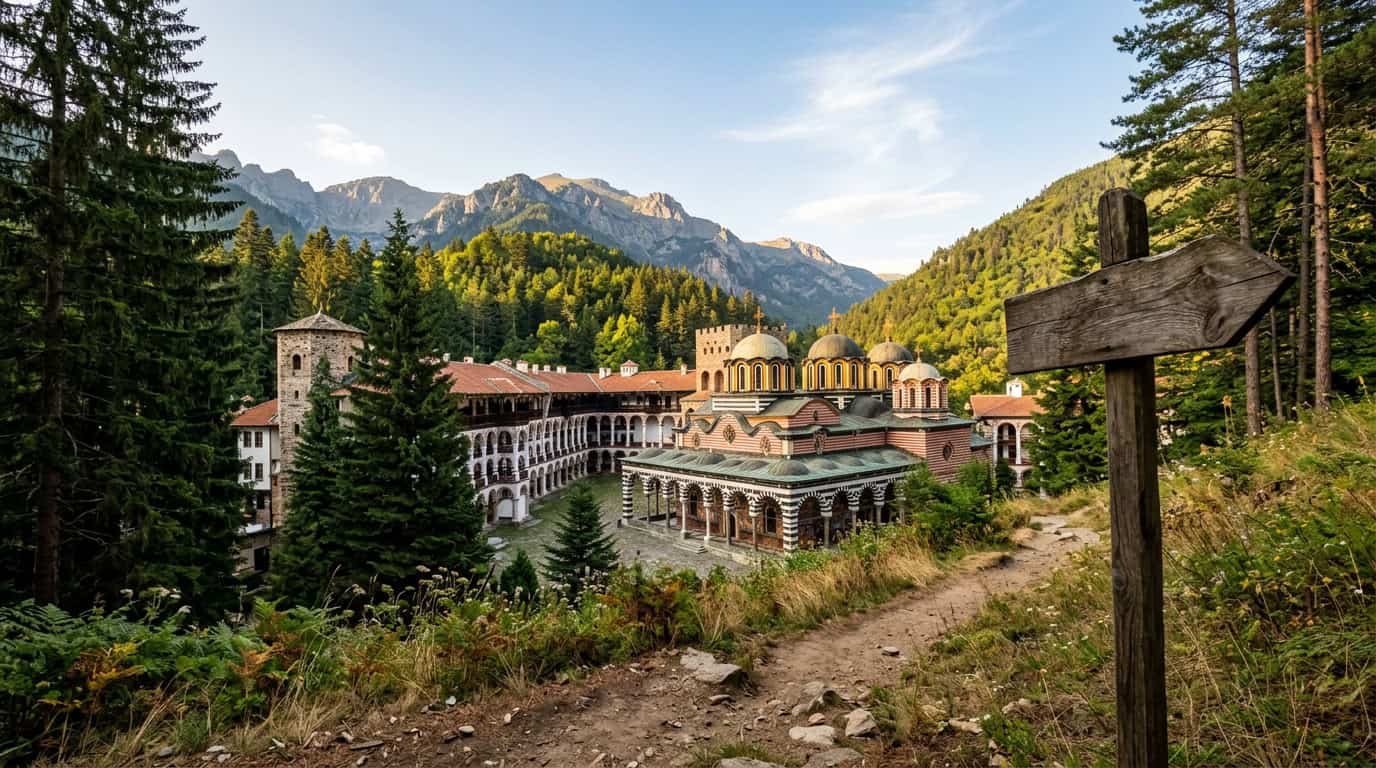
Tucked high within the emerald folds of the Rila Mountains, the air feels thinner, purer, and steeped in centuries of quiet devotion. This UNESCO World Heritage site is the undisputed spiritual heart of Bulgaria, offering a kaleidoscope of vibrant frescoes and medieval stone that feels worlds away from the bustle of Sofia. Planning the perfect Rila Monastery itinerary is about more than just checking a box; it is an invitation to witness the harmony of Orthodox tradition and rugged alpine beauty.
The journey south from the capital takes you through winding mountain passes where the elevation climbs to a crisp 1,147 meters. I found that a dedicated seven to nine round trip allows for a soulful pace, leaving plenty of time to wander beneath the striped arches of the Main Church. Between the shadow of the ancient Hrelyo Tower and the treasures hidden in the monastery museum, every corner of this sanctuary tells a story of resilience and artistry.
Key Takeaways
- Arrive at the Rila Monastery by 9:30 AM to experience the spiritual atmosphere and intricate frescoes in silence before the midday crowds and tour groups arrive.
- Complement the cultural visit with a hike to the Cave of St. Ivan Rilski and a traditional meal of fresh river trout along the Rilska River to fully connect with the region’s natural and culinary heritage.
- Visit the Monastery Museum to see Rafail’s Cross and climb the 14th-century Hrelyo Tower for a deeper understanding of the site’s role as a medieval fortress and bastion of Bulgarian identity.
- Pair a trip to the monastery with a stop at the Boyana Church on the return to Sofia to contrast the grand scale of Rila with world-class 13th-century Pre-Renaissance wall paintings.
Morning Exploration Of The Main Monastery Complex
To truly experience the spiritual soul of Bulgaria without the distraction of large tour groups, I recommend leaving Sofia no later than 8:00 AM to arrive as the morning mist still clings to the Rila Mountains. Stepping through the heavy iron-bound gates into the cobblestone courtyard feels like a leap back into the 10th century, where the black and white striped arches contrast beautifully against the rugged green peaks. Arriving early allows you to appreciate the silence of the cloister before the midday rush begins. Take a moment to stand in the center of the courtyard and look up at the four levels of balconies, which once housed hundreds of monks dedicated to preserving Bulgarian culture during centuries of foreign rule.
The centerpiece of your morning should be the Church of the Assumption, where the exterior portico is covered in some of the most vivid frescoes in Eastern Europe. I spent nearly an hour tracing the intricate details of these scenes, which depict everything from celestial choirs to vivid warnings of the afterlife. Once inside, the dim light reveals a massive, gold-plated iconostasis that glows with an ethereal warmth, creating a space that feels both ancient and deeply alive. It is a profound introduction to the country’s religious heritage, especially when you can hear the faint echoes of a morning prayer service reflecting off the stone walls.
After soaking in the spiritual atmosphere of the church, climb the stairs of the 14th-century Hrelyo Tower to see the only part of the original medieval fortress still standing. The view from the top offers a perfect perspective of the monastery’s layout against the backdrop of the dense forests. To round out your morning, head to the Monastery Museum to witness the legendary Rafail’s Cross, a wooden masterpiece carved with over 600 miniature figures using only a magnifying glass. Seeing the physical evidence of such devotion provides a deep understanding of why this site remained a bastion of national identity through Bulgaria’s most challenging historical eras.
Savoring Local Flavors Along The Rilska River
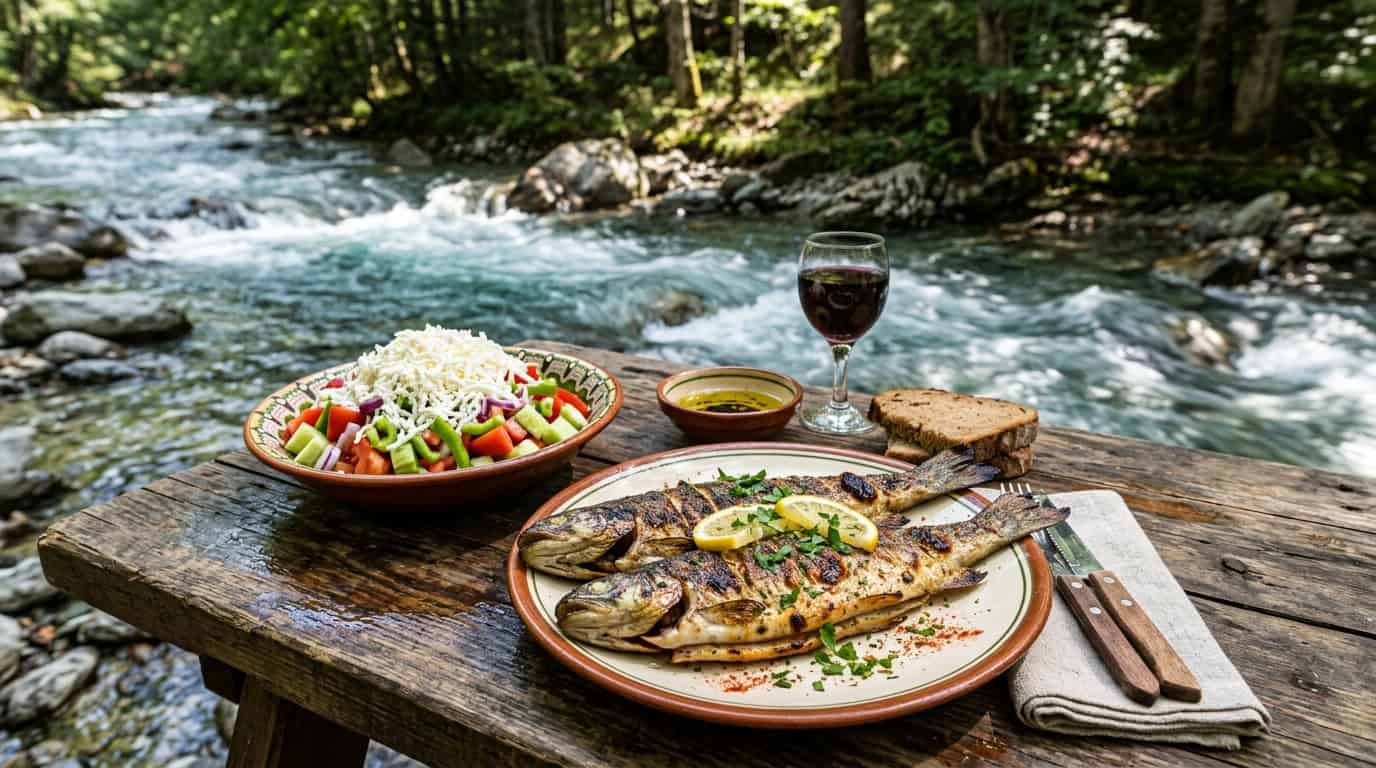
After immersing yourself in the profound spiritual history of the monastery, a short walk toward the rushing Rilska River offers the perfect change of pace. The air here is noticeably cooler and carries the scent of pine needles and woodsmoke from the nearby taverns. I highly recommend finding a seat at one of the rustic, riverside eateries where the sound of the water provides a soothing soundtrack to your meal. These traditional spots capture the rugged essence of the Rila Mountains, offering a peaceful retreat before you continue your high-altitude adventure. It is the ideal moment to rest your legs and reflect on the intricate frescoes you just witnessed within the monastery walls.
The undisputed star of any local menu in this region is the river trout, which is often caught fresh from the cold mountain streams. I watched as the chef prepared mine simply, grilling it over charcoal until the skin was perfectly crisp and seasoned with local herbs. To complete the experience, you must pair the fish with a side of homemade shopska salad and perhaps some warm, grilled bread. The combination of the flaky, buttery fish and the vibrant Bulgarian vegetables is exactly the fuel you need for an afternoon trek. This meal is more than just sustenance; it is a true taste of the Bulgarian highlands that connects you to the land.
As you finish your lunch, take a moment to look up at the towering peaks that surround the valley. Many visitors use this midday break to transition from the cultural wonders of the UNESCO site to the rugged hiking trails that lead toward the Cave of St. Ivan Rilski. The path starts just a short distance from the riverside restaurants, winding through ancient beech forests that have stood for centuries. Having a hearty, local meal makes the steady incline much more manageable as you follow in the footsteps of medieval monks. This seamless blend of culinary tradition and natural exploration is what makes a trip to Rila so unforgettable.
Hiking To St Ivan Rilski Cave And Hermitage
No visit to this sacred mountain retreat is complete without venturing beyond the stone walls to find the cave where St. Ivan Rilski lived in solitude for seven years. I found the trailhead just a short five minute drive or a pleasant thirty minute walk further up the road from the main monastery gates. The path winds through an ancient, moss-covered beech forest that feels like stepping back into a medieval Bulgarian legend. You will follow a well marked trail that ascends gently, offering a peaceful atmosphere that contrasts beautifully with the bustling courtyard of the monastery. It is a moderate hike that takes about twenty minutes, making it accessible for most travelers who want to connect with the region’s deep spiritual roots.
Once you arrive at the hermitage, you can enter the narrow cave where the saint sought enlightenment away from the distractions of the world. The tradition here is to climb through a small opening at the back of the cave, as local legend says only those with a pure heart can pass through easily. Outside the cave, be sure to visit the small stone church and the nearby spring, which is said to hold healing properties. I recommend bringing a small bottle to collect some of the cold mountain water before heading back down. This short trek perfectly blends the natural splendor of the Rila Mountains with the profound history that has shaped the Bulgarian identity for centuries.
Afternoon Return Via The Historic Boyana Church
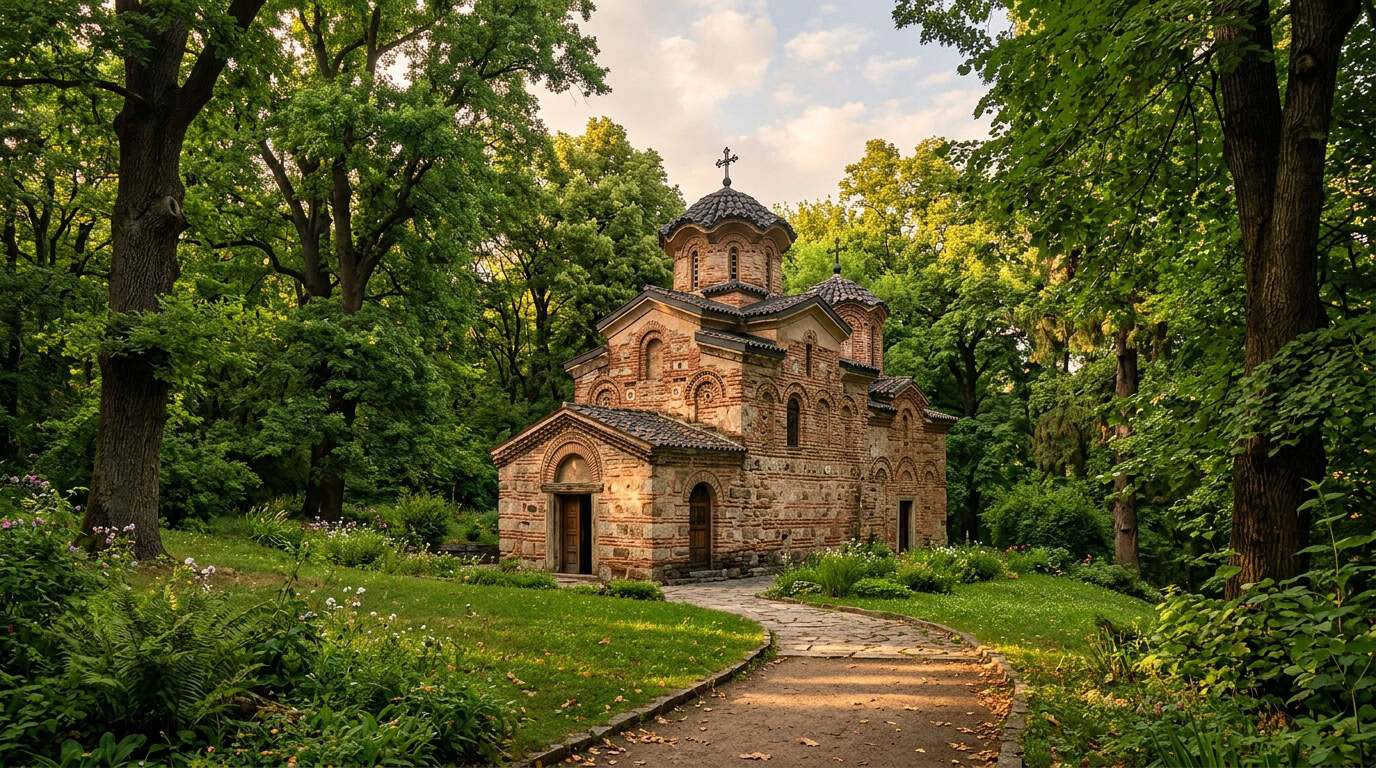
As you begin the descent from the misty peaks of the Rila Mountains toward the Sofia valley, the transition from rugged nature to refined history is truly captivating. While the monastery captures the grand scale of Bulgarian spirituality, the tiny Boyana Church on the outskirts of the capital offers a more intimate look at the nation’s artistic soul. This unassuming brick structure is a mandatory stop because it houses some of the most significant Pre-Renaissance wall paintings in the world. I found that stepping inside the small, climate-controlled interior feels like entering a time capsule where the 13th-century frescoes remain startlingly vivid. The portraits of Tsar Constantine Tikh and Tsaritsa Desislava are particularly famous for their emotional depth and realistic detail.
The surrounding neighborhood of Boyana also serves as a perfect gateway for those who want to stretch their legs after the long drive back from the mountains. If you have an extra hour, you can follow the nearby hiking trails that lead toward the Boyana Waterfall or simply enjoy the crisp air of Vitosha Mountain. The contrast between the morning’s high-altitude monastery adventure and this afternoon’s cultural immersion provides a complete picture of Bulgaria’s heritage. Make sure to book your entry slot in advance, as the preservation rules only allow a few visitors inside the church at a time to protect the delicate pigments. It is the ideal way to wrap up a magical Central European escape, blending the wild beauty of the Rila range with the sophisticated artistry of the Second Bulgarian Empire.
Embracing the Spiritual Heart of the Rila Mountains
Following this Rila Monastery itinerary offers more than just a checklist of sights, as it truly bridges the gap between Bulgaria’s profound spiritual history and the raw beauty of its alpine landscapes. Standing in the central courtyard surrounded by striped arches and vivid frescoes, you can feel the weight of centuries of cultural preservation that kept the Bulgarian spirit alive. The transition from the hushed, incense-scented halls of the Main Church to the crisp, pine-scented air of the surrounding peaks creates a perfect sensory balance. It is a rare destination where you can admire world-class medieval art in the morning and find yourself deep in a mountain forest by the afternoon.
To make your journey as seamless and magical as mine, I recommend arriving as early as possible to experience the monastery before the midday crowds arrive from the capital. Pack a light jacket regardless of the season, because the mountain air remains cool even when Sofia is basking in summer heat. Do not miss the chance to try the local mekitsa, which is traditional fried dough, from the small bakery just outside the monastery walls for an authentic taste of the region. Taking the extra hour to hike up to St. Ivan Rilski’s cave provides a peaceful perspective on the landscape that most day-trippers unfortunately overlook.
Ultimately, a visit to this UNESCO World Heritage site serves as a powerful reminder of how nature and heritage intertwine to define a nation’s identity. Much like chasing legends through the nearby Balkan ranges, whether you are marvelling at the intricate woodcarvings of the Rafail’s Cross or listening to the rushing waters of the Rilska River, the area demands a slow and mindful pace. This itinerary ensures you capture the grand architectural scale of the complex while still leaving room for those quiet, personal moments of reflection in the wild. Bulgaria has a way of staying in your heart long after you leave, and the serenity of the Rila Mountains is exactly where that connection begins.
Frequently Asked Questions
1. How much time should I set aside for a trip to Rila Monastery?
I recommend planning for a dedicated seven to nine hour round trip to truly soak in the spiritual atmosphere. This generous window allows you to travel through the winding mountain passes from Sofia and explore the complex at a soulful, unhurried pace.
2. What is the best time of day to arrive at the monastery?
You should aim to arrive by 9:30 AM, which means leaving Sofia no later than 8:00 AM. Arriving early lets you witness the morning mist clinging to the peaks and enjoy the courtyard in silence before the larger tour groups arrive.
3. What should I look for when visiting the Church of the Assumption?
Spend time under the exterior portico to marvel at the vivid and dramatic frescoes that cover every inch of the walls. These colorful masterpieces offer a fascinating glimpse into Eastern Orthodox artistry and tell stories of resilience that have survived for centuries.
4. Are there specific landmarks I shouldn’t miss within the courtyard?
Make sure to visit the ancient Hrelyo Tower, which stands as a sturdy medieval sentinel against the mountain backdrop. You should also look up at the four levels of balconies that once housed hundreds of monks dedicated to preserving Bulgarian culture.
5. What is the dress code for visiting this sacred site?
Since this is the spiritual heart of Bulgaria, you should dress respectfully by covering your shoulders and knees. The mountain air at 1,147 meters can be quite crisp, so bringing a light jacket or scarf is a practical way to stay warm while remaining modest.
6. Is it worth visiting the monastery museum during my trip?
The monastery museum is a must see for history lovers because it houses incredible treasures that define the sanctuary’s past. It provides essential context to the artistry you see outside, making your journey feel complete and deeply informative.