
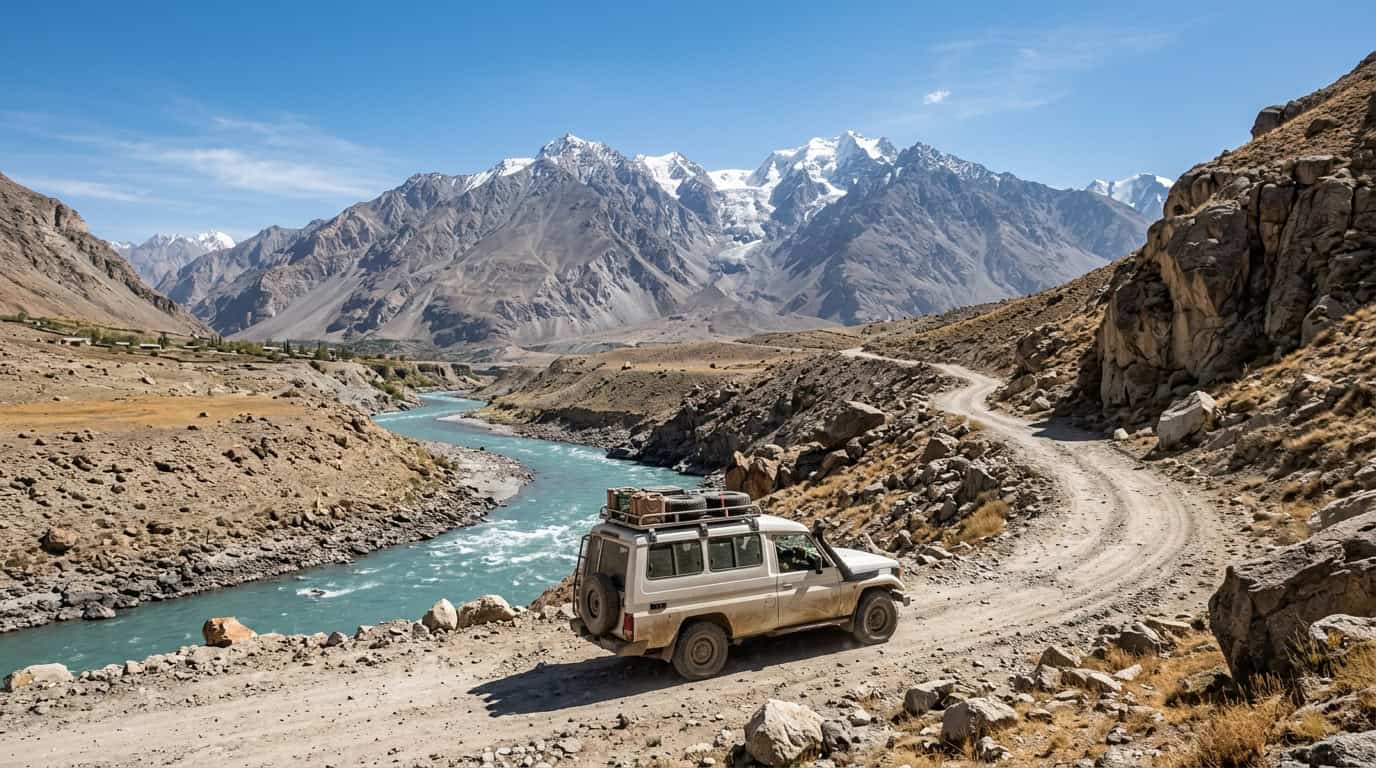
The Tajikistan Pamir Highway is more than just a road; it is a ribbon of asphalt and gravel that winds through the “Roof of the World,” offering a raw beauty that few places on Earth can match. As I crested the Ak-Baital Pass at a staggering 4,655 meters, the thin, crisp air and the sight of the snow-dusted lunar landscape reminded me why this remains the ultimate bucket-list journey for any intrepid traveler. Whether I am navigating the sheer cliffs of the Panj River or gazing across the border into Afghanistan, this 1,250-kilometer trek challenges the spirit and rewards you with unmatched high-altitude vistas.
Planning a trip in 2026 requires a mix of flexibility and preparation, as massive infrastructure projects are currently reshaping these ancient mountain passes. While you can technically rush the drive in a few days, I have found that the magic truly happens when you slow down for a 10-day expedition to properly acclimatize and explore hidden side valleys. From securing your GBAO permit to finding the best homestays in remote villages, navigating the shifting requirements is the first step toward an unforgettable adventure in the heart of the Pamirs.
Key Takeaways
- A successful journey requires both a standard Tajik visa and a mandatory Gorno-Badakhshan Autonomous Province (GBAO) permit to pass through numerous internal checkpoints.
- Travelers in 2026 must prepare for significant delays and dusty detours between Qala-i-Khumb and Khorog due to massive infrastructure projects reshaping the mountain passes.
- A minimum 10-day itinerary is essential to allow for proper altitude acclimatization before reaching the 4,655-meter Ak-Baital Pass and to experience the cultural depth of remote Pamiri homestays.
- Traversing the high-altitude landscape requires a sturdy 4×4 vehicle, a seasoned driver, and complete self-reliance for mechanical issues in areas with limited electricity and connectivity.
Navigating The High Passes And Gorno-Badakhshan Logistics
Conquering the Roof of the World requires more than just a sturdy 4×4 vehicle, as the logistical hurdles are as high as the peaks themselves. Before you even set wheel in the region, you must secure a GBAO permit in addition to your Tajik visa. This document is your golden ticket through the numerous internal checkpoints that dot the high-altitude landscape. As of 2026, massive infrastructure projects are transforming the notoriously rugged stretch between Qala-i-Khumb and Khorog. While these road construction updates promise smoother travel in the future, you should currently prepare for significant delays and dusty detours that test your patience and your vehicle’s suspension.
The true challenge of the M41 begins as the oxygen thins and you approach the staggering 4,655-meter Ak-Baital Pass. This is the highest point on the highway, and the views from the top are nothing short of lunar. To avoid the crushing headaches and fatigue of altitude sickness, I highly recommend spending a few extra days in the lower valleys to acclimatize properly. Keep a steady supply of water and snacks handy, and never rush the ascent, because the landscape is far too beautiful to experience through a haze of dizziness. Watching the sunlight hit the stark, rust-colored mountains makes every slow, methodical kilometer worth the effort.
Navigating this remote wilderness is as much about mental preparation as it is about mechanical readiness. You will find yourself in some of the most isolated stretches of road on the planet, where self-reliance is the name of the game. Always carry extra fuel and a reliable spare tire, as the jagged rocks on the mountain passes can be unforgiving. Despite the harsh conditions, the hospitality of the Pamiri people remains a warm constant in an otherwise rugged environment. Whether you are sharing tea in a roadside yurt or navigating a narrow cliffside turn, the sense of accomplishment you feel out here is unlike any other journey on earth.
Exploring The Ancient Wakhan Corridor And Afghan Border
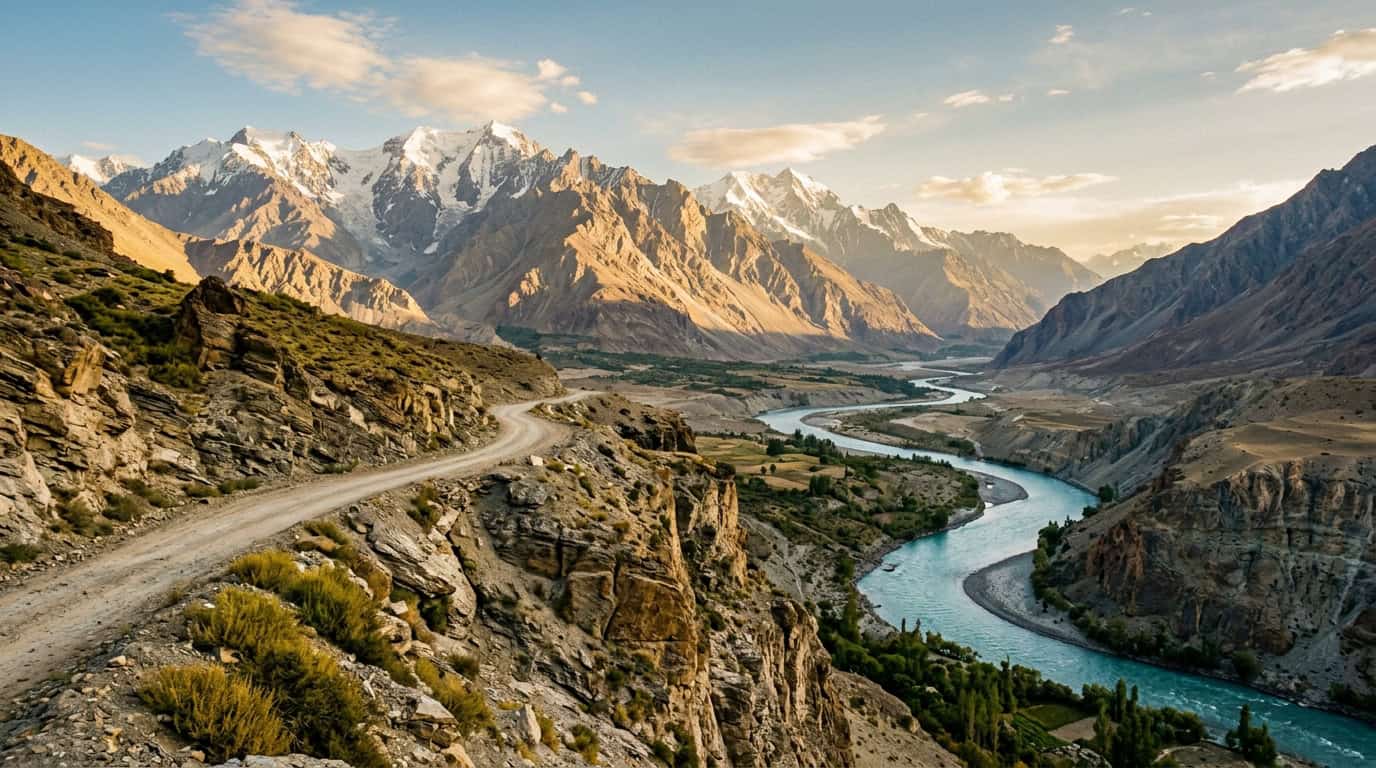
The detour through the Wakhan Valley is where the Pamir Highway transforms from a rugged mountain pass into a profound cultural journey. As you wind along the Panj River, the narrow strip of water is often all that separates you from the sun-drenched hills of Afghanistan. Staying in a traditional Pamiri homestay in Ishkashim offers an intimate glimpse into local life, where you can share tea on a felt-covered platform and hear stories of the ancient Silk Road. The hospitality here is legendary, making it easy to forget how remote you truly are from the modern world. It is a place where time slows down, allowing you to appreciate the scale of the high-altitude landscape.
High above the valley floor, the crumbling stone walls of Yamchun Fort offer one of the most breathtaking vistas in all of Tajikistan. Standing among these 12th century ruins, you can look out across the vast river delta and see the jagged, snow-capped peaks of the Hindu Kush rising in the distance. After exploring the ancient fortifications, a soak in the nearby Bibi Fatima hot springs provides a much-needed reprieve for travelers. The mineral-rich waters are tucked into a natural cave, offering a moment of quiet reflection amidst the raw beauty of the borderlands. It is a rare opportunity to connect with history while surrounded by the untamed power of nature.
Peering across the river into Afghan villages feels like looking through a window into another era altogether. You will see farmers tilling their fields with wooden plows and children waving from the opposite bank, creating a surreal and deeply moving experience. This proximity to such a mysterious neighbor adds a layer of adventurous thrill that few other road trips can match. Make sure to pack a good pair of binoculars to truly appreciate the intricate details of the mud-brick architecture on the far side. Traversing this corridor is not just about the miles covered, but about the connection you feel to a region that has remained unchanged for centuries.
A Seven Day Itinerary From Dushanbe To Osh
Starting in the bustling markets of Dushanbe, your first two days will take you through the dramatic red rock canyons of the Kulob region before reaching the Panj River. This river forms a natural border with Afghanistan, and you will follow its winding path as the mountains begin to tower thousands of meters above the road. On day three and four, you will climb into the heart of the Gorno-Badakhshan region, making your way toward the remote village of Bulunkul. This area is home to the stunning turquoise waters of Yashilkul Lake, where the silence of the high altitude desert is only broken by the sound of the wind.
The journey continues on day five toward Murghab, a town that feels like it belongs on the moon due to its stark, treeless landscape and high elevation. You will spend your sixth day crossing the legendary Ak Baital Pass, which sits at a breathtaking 4,655 meters above sea level, making it the highest point on the entire route. After descending past the cobalt blue expanse of Karakul Lake, your final day involves crossing the border into Kyrgyzstan. The descent into the lush Fergana Valley toward the ancient city of Osh provides a beautiful contrast to the rugged, high altitude wilderness of the Pamirs.
To make the most of this seven day adventure, you should ensure your vehicle is a sturdy four wheel drive and that you have packed plenty of layers for the shifting temperatures. While the road can be bumpy and the air thin, the hospitality of the local Pamiri people in their traditional homestays will be the highlight of your trip. I recommend taking frequent stops to photograph the yaks grazing in the distance and to chat with the nomadic herders along the way. This itinerary balances the thrill of extreme mountain driving with enough time to truly soak in one of the most remote cultures on earth.
Survival Tips For Remote Pamir Mountain Travel
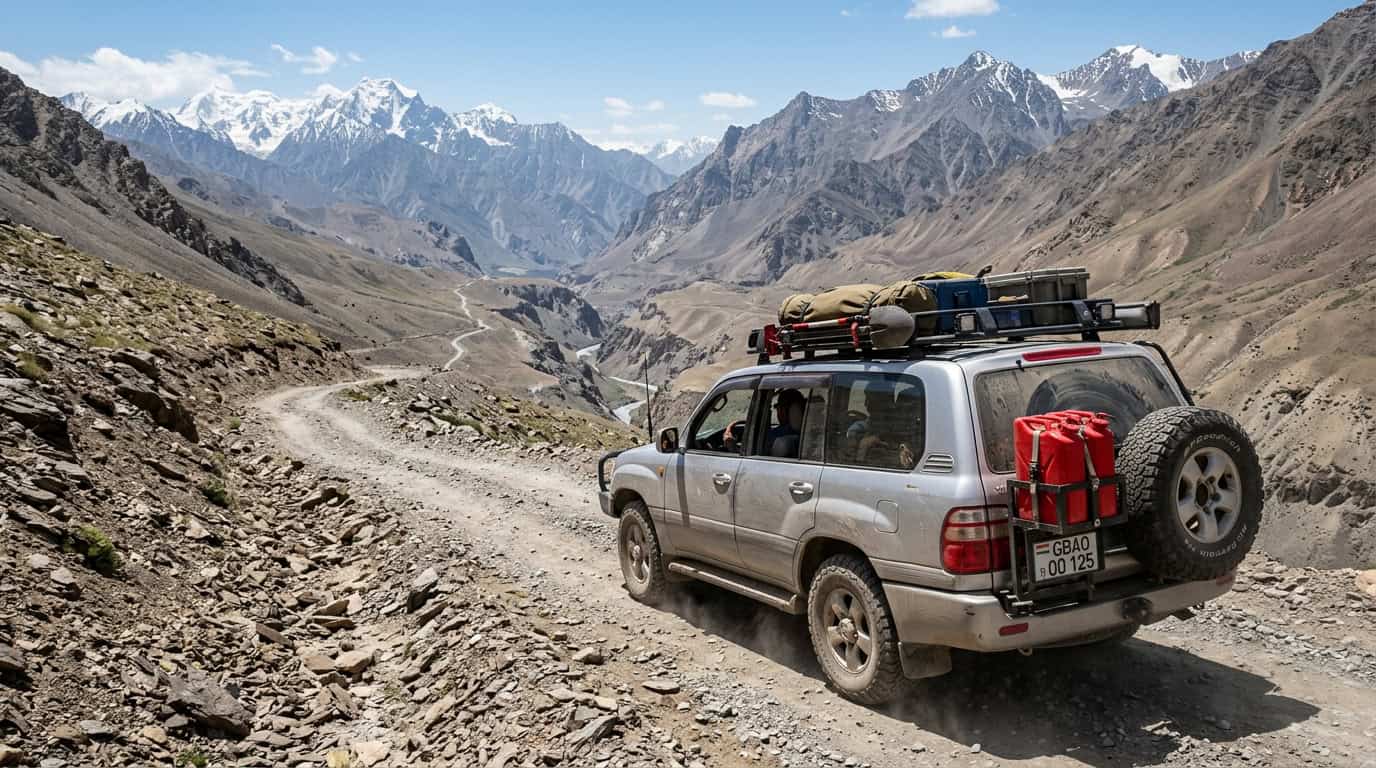
Hiring a seasoned 4×4 driver is your first step toward a successful journey across the rugged terrain of the M41. You should look for local drivers who possess deep knowledge of the high passes and can handle mechanical issues in areas where help is hours away. I found that meeting potential drivers in Dushanbe or Khorog allowed me to gauge their experience and ensure their vehicle was in top condition for the steep climbs. These experts do more than just drive, as they often act as vital translators and cultural bridges when you reach the most remote settlements. Always discuss your preferred pace and side trips upfront to ensure your expectations for the adventure are perfectly aligned.
Finding a place to sleep in the tiny mountain villages along the Roof of the World is an exercise in trust and local hospitality. Much like the ultimate Ha Giang Loop, most accommodations are traditional family run guesthouses where a warm floor mat and a communal bowl of shir chay, which is a local salt tea, replace luxury amenities. I recommend looking for the small, hand painted signs in villages like Murghab or Langar, or simply asking a local resident for the nearest homestay. These stays offer a rare glimpse into Pamiri life, though you should be prepared for basic pit toilets and limited running water. Bringing a high quality sleeping bag and a portable power bank will make these rustic nights much more comfortable.
Embracing the rugged lifestyle of the Pamirs requires a shift in mindset regarding modern conveniences like high speed internet and constant electricity. Power is often restricted to a few hours in the evening when generators are running, so you must prioritize charging your camera gear and headlamps during those windows. I quickly learned that the lack of digital connectivity was actually a gift that allowed me to focus on the staggering beauty of the Ak Baital Pass. Use these quiet evenings to share stories with your hosts or gaze at the clearest night skies you will likely ever see. Being flexible and patient is the ultimate survival tip for navigating one of the most remote and rewarding roads on the planet.
Finding Resilience on the Roof of the World
Trekking across the Roof of the World on the Pamir Highway is more than just a notch on your travel belt, as it is a journey that fundamentally shifts your perspective on what it means to be resilient. Reaching the staggering heights of the Ak Baital Pass at 4,655 meters leaves you breathless not just from the thin air, but from the sheer, raw majesty of a landscape that feels like the edge of the earth. I found that the true magic of Tajikistan lies in the quiet moments between the mountain peaks, where the silence of the high plateau is broken only by the wind. It is a place where the scale of nature humbles you and the simplicity of life in remote mountain outposts reminds you of what truly matters.
The window to experience this rugged frontier in its most authentic state is beginning to narrow as new infrastructure projects start to reshape the ancient landscape. While improved roads might make the journey smoother in the future, there is an irreplaceable charm in the bumpy, unpaved tracks and the isolated villages that have remained unchanged for centuries. You will discover a level of hospitality here that is rare in the modern world, where families invite you in for tea and bread simply because you are a guest in their land. For those looking to extend their Central Asian exploration, journeying through the Uzbekistan Silk Road offers a perfect historical complement to the wild nature of the Pamirs. I urge you to pack your bags and go now while the dust still kicks up behind your 4×4 and the stars feel close enough to touch in the dark Pamiri sky.
This extreme road trip is a challenge that rewards every ounce of effort with views and stories that will stay with you for a lifetime. Whether you are navigating the narrow corridors of the Wakhan Valley or sharing a meal in a yurt near Murghab, the Pamir Highway offers a sense of discovery that is increasingly hard to find. It is a test of spirit and a celebration of the wild, untamed beauty of Central Asia. Take the leap, embrace the altitude, and let the rugged heart of Tajikistan transform your understanding of adventure before the world catches up to this hidden gem.
Frequently Asked Questions
1. What is the best way to handle the high altitude on the Pamir Highway?
The most effective strategy is to slow down and allow for a 10 day expedition to ensure your body properly acclimatizes to the thin air. Crossing the Ak-Baital Pass at 4,655 meters is a serious feat, so taking extra time in the side valleys helps prevent altitude sickness while letting you soak in the lunar landscapes.
2. Do I need special paperwork to travel through the Gorno-Badakhshan region?
Yes, you must secure a GBAO permit in addition to your standard Tajik visa before you begin your journey. This document is absolutely essential because you will encounter numerous internal checkpoints throughout the high-altitude landscape that require it for passage.
3. What should I expect regarding road conditions and construction in 2026?
You will encounter massive infrastructure projects, particularly on the rugged stretch between Qala-i-Khumb and Khorog, which are currently being transformed. While these updates promise future smoothness, you must prepare for significant delays, dusty detours, and terrain that will test even the best 4×4 suspension.
4. How long does it take to complete the entire trek?
While it is technically possible to rush the 1,250 kilometer drive in just a few days, I recommend a minimum of 10 days to truly experience the magic of the region. This pace allows you to navigate the sheer cliffs of the Panj River and explore remote villages without feeling rushed.
5. What kind of vehicle is necessary for this journey?
A sturdy 4×4 vehicle is non-negotiable for navigating the gravel, asphalt, and unpredictable detours of the Pamir Highway. The terrain is incredibly demanding, and having a reliable high-clearance vehicle ensures you can safely manage the steep climbs and river-side cliffs.
6. What is the accommodation like in the more remote parts of the Pamirs?
In the heart of the mountains, the best way to experience the local culture is by staying in traditional homestays in remote villages. These stays offer a warm, authentic glimpse into Pamiri life and provide a much-needed sanctuary after a long day of navigating the high passes.