
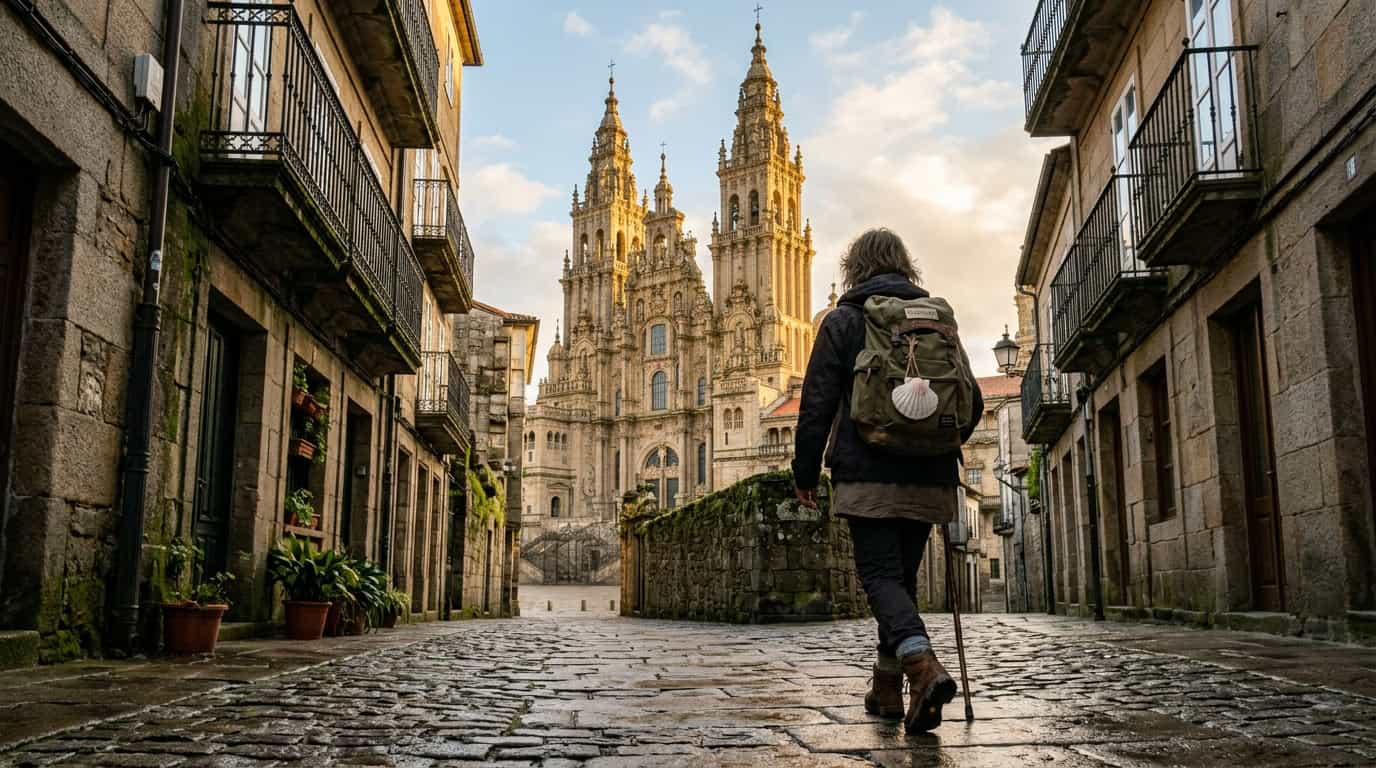
There is a specific kind of magic that settles over you the moment you step into the stone-paved heart of Santiago de Compostela. Whether you’ve arrived after trekking hundreds of miles on the Camino or simply wandered in to admire the soaring Baroque spires, the air feels thick with centuries of history and shared triumph. Standing in the Praza do Obradoiro, watching the mist roll off the cathedral’s ancient Romanesque walls, you realize this isn’t just a destination; it’s a living monument to human perseverance and architectural wonder.
Beyond the iconic tomb of St. James, this Galician capital hides a vibrant soul fueled by cozy tapas bars and narrow, winding alleys that smell of rain and toasted almond cake. I remember finding a quiet corner in the Old Town where the granite glowed gold at sunset, realizing that the city’s true charm lies in the balance between its grand UNESCO heritage and its intimate, everyday moments. To truly experience this place, look past the guidebooks and let the rhythm of the bagpipes lead you toward the hidden plazas where the local spirit truly thrives.
Key Takeaways
- The Cathedral of Santiago de Compostela serves as a profound emotional and architectural finish line, blending Romanesque foundations with Baroque grandeur to honor centuries of human perseverance.
- True Galician culture is found beyond the main tourist paths in the narrow granite alleys of the Old Town and the vibrant Mercado de Abastos, where traditional flavors like octopus and Tarta de Santiago define the local soul.
- Planning a pilgrimage during Semana Santa requires booking accommodations a year in advance to experience the spiritual intensity of traditional processions and the flight of the Botafumeiro.
- The essence of the Santiago experience lies in ‘slow travel,’ where the rhythmic sounds of bagpipes and the golden light on ancient stone create a shared sense of connection among travelers from around the world.
Standing Beneath The Majestic Cathedral Of Santiago De Compostela
Stepping into the Praza do Obradoiro after weeks of walking feels less like arriving at a destination and more like a profound emotional release. As I stood on the weathered stones of the square, the sheer scale of the Cathedral of Santiago de Compostela seemed to pulse with the energy of the millions of pilgrims who have stood here since the Middle Ages. The Baroque facade, with its soaring towers and intricate stone carvings, glowed under the soft Galician sky, serving as a triumphant finish line for my long journey. I found myself dropping my pack and simply staring upward, feeling a mix of physical exhaustion and spiritual lightness. It is a moment where time feels suspended, and the weight of every mile walked suddenly transforms into a sense of human perseverance and pure accomplishment.
The architectural transition from the Romanesque foundations to the ornate Baroque exterior tells a story of centuries of faith and artistic evolution. While the outside is a masterpiece of 18th-century grandeur, moving toward the interior reveals the Portico da Gloria, a stunning example of Romanesque sculpture that captures the essence of medieval devotion. I spent nearly an hour tracing the details of the granite figures, marveling at how the city has preserved its UNESCO World Heritage status while remaining a living, breathing center for modern travelers. For those planning their own pilgrimage, I recommend arriving in the square early in the morning to witness the golden light hitting the stone before the midday crowds arrive. This quiet window allows you to appreciate the cathedral not just as a monument, but as a sanctuary that has sheltered the weary for nearly a thousand years.
Navigating The Ancient Granite Alleys Of The Old Town
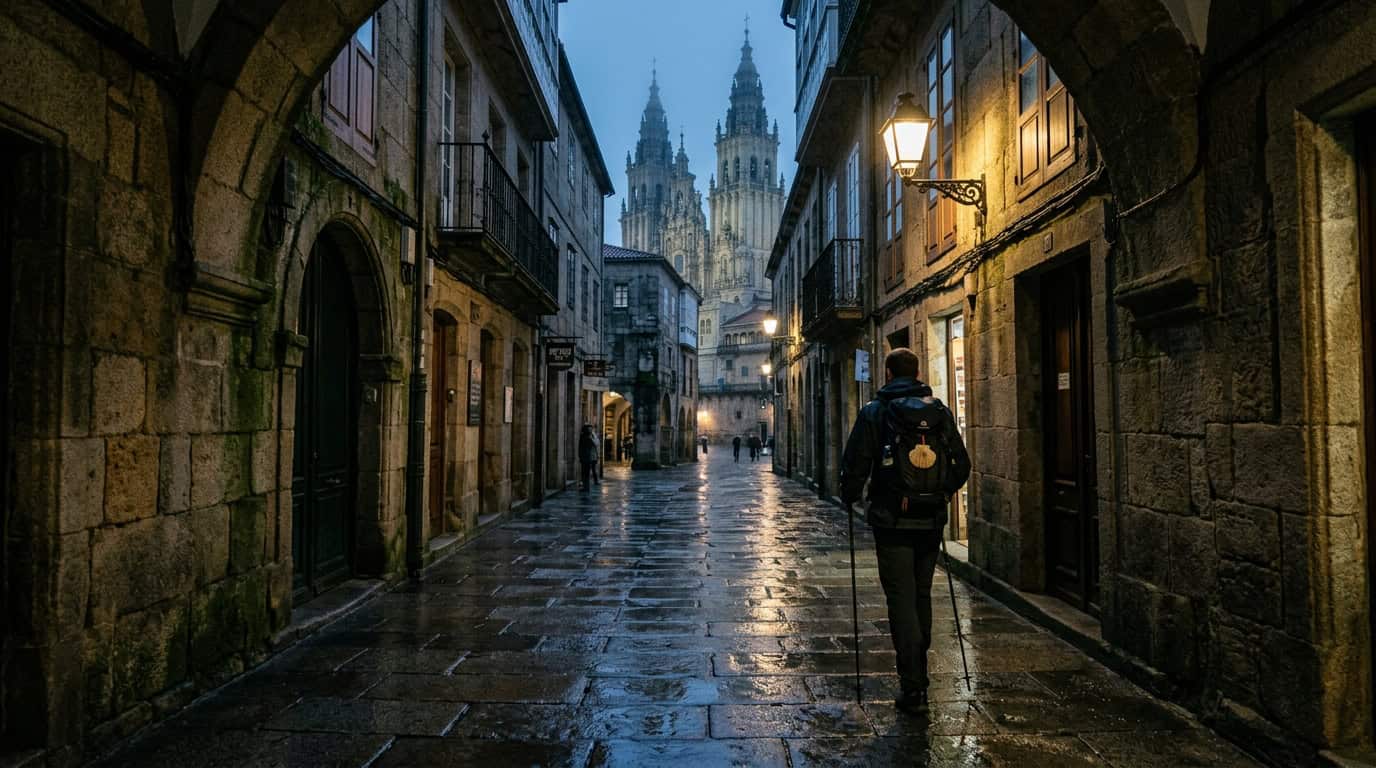
Stepping into the Old Town of Santiago de Compostela feels like a reward for the soul after the long miles of the Camino. The ancient granite slabs beneath your feet have been worn smooth by centuries of pilgrims, and their rhythmic echoes create a sense of timelessness. As you wander through the narrow, winding alleys, the scent of damp stone and fresh rain mixes with the aroma of almond cakes from local bakeries. I found that the best way to experience this UNESCO World Heritage site is to put away the map and let the architecture guide you. Every corner turned reveals a hidden courtyard or a sudden view of the cathedral towers rising above the rooftops.
The heart of the city beats in its vibrant plazas where the spiritual journey meets local Galician life. I spent an afternoon tucked away in a tiny tapas bar on Rúa do Franco, sharing a plate of traditional octopus with fellow travelers who had just finished their pilgrimage. There is a unique energy here, a blend of exhaustion and triumph that makes every conversation feel deep and meaningful. Between the bustling markets and the quiet, shadowed cloisters, you can feel the layers of history that make this city more than just a destination. It is a place where the modern world slows down to honor the traditions of the past.
To truly soak in the atmosphere, I recommend heading to the Praza da Quintana just as the sun begins to set. The granite walls take on a golden hue, and the local musicians often fill the air with the haunting sounds of the gaita, or Galician bagpipe. This is the perfect moment to reflect on your journey while watching the shadows dance across the Baroque facades. Whether you are searching for a quiet spot for meditation or a lively tavern to celebrate your arrival, these streets offer a sanctuary for every kind of traveler. The magic of Santiago is not just in the cathedral, but in the quiet moments spent navigating these historic corridors.
Savoring Authentic Galician Flavors Beyond The Pilgrim Menu
After weeks of walking the rugged trails toward the Cathedral, your body craves more than just fuel; it seeks a celebration of the journey. While the standard pilgrim menus offer reliable comfort, the true soul of Galician gastronomy waits within the stone walls of the Mercado de Abastos. I remember wandering through the granite halls, where the scent of salty sea air mixes with the earthy aroma of local cheeses and fresh bread. It is here that you can truly connect with the land you have just traversed by sampling Padrón peppers or succulent octopus prepared right before your eyes. This market is not just a place to shop, but a vibrant community hub where every bite tells a story of the Atlantic coast.
No spiritual or physical homecoming in Santiago is complete without the iconic Tarta de Santiago, the almond cake that serves as a sweet reward for every traveler. Marked by the distinctive Cross of Saint James dusted in powdered sugar, this flourless treasure offers a dense, moist texture that feels like a warm embrace after a long trek. I found that sitting in a quiet plaza with a slice of this cake and a coffee is the perfect way to reflect on the miles behind you. It represents the perfect marriage of simple ingredients and centuries of tradition, providing a lingering taste of Galicia that stays with you long after you leave the city. This humble dessert is more than a treat; it is a symbol of completion and the sweet joy of reaching your destination.
Planning Your Spiritual Journey For Semana Santa 2026
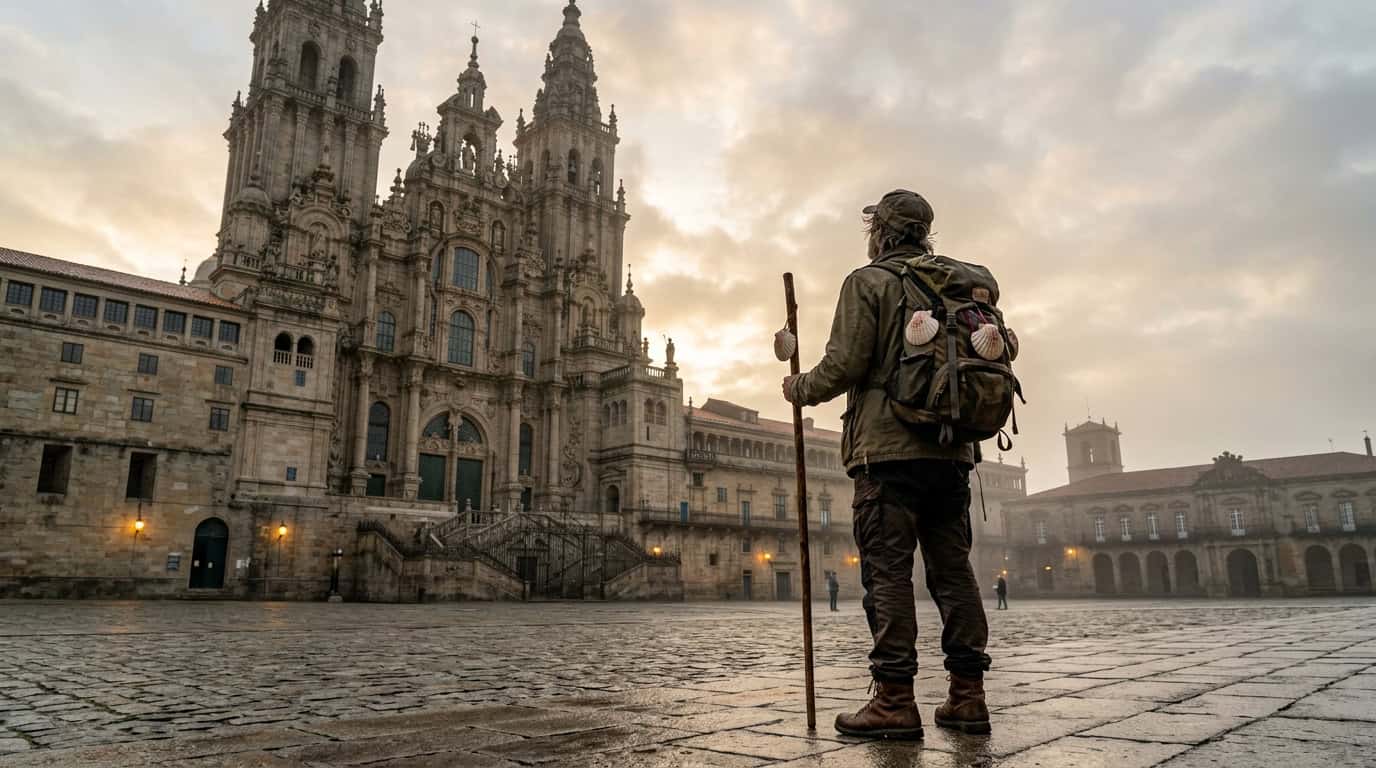
Planning your arrival in Santiago de Compostela for Semana Santa 2026 requires a shift toward a slower, more intentional pace. As you walk the final kilometers into the Praza do Obradoiro, the rhythmic sound of drums replaces the silence of the trail, signaling the start of a deeply moving week. I recommend booking your accommodation within the historic Old Town at least a year in advance, as the city fills with pilgrims seeking the spiritual intensity of the Passion. Focus your first day on the emotional Procesión de la Esperanza, where the swaying statues and hooded penitents create an atmosphere that feels suspended in time. Between events, find a quiet corner in a local cafe to reflect on your journey while enjoying a traditional slice of Tarta de Santiago.
The heart of your three day itinerary should center on the architectural and spiritual marvels that define this UNESCO World Heritage site. On your second day, dedicate your morning to the Cathedral of Santiago de Compostela to witness the midday pilgrims’ mass and the breathtaking flight of the Botafumeiro. Spend your afternoon wandering the narrow, granite paved streets to reach the Church of San Fructuoso for the evening processions that wind through the shadows of the Baroque facades. This is a perfect time to practice slow travel by simply sitting on the cathedral steps and watching the diverse faces of fellow travelers arriving from all over the world. The collective energy of thousands of people sharing a common destination creates a sense of belonging that is hard to find elsewhere.
Your final day should be a celebration of both the physical achievement of your pilgrimage and the solemn beauty of Holy Week. Start with a sunrise walk through the Alameda Park for the most iconic view of the cathedral towers rising above the morning mist. Spend your afternoon following the Procesión del Santo Entierro, which offers a somber yet magnificent display of Galician faith and tradition. For a practical tip, remember that many local shops close during the main processions, so plan your meals and souvenir shopping for the early morning hours. Ending your journey in the presence of St. James during such a holy time provides a profound sense of closure to your long walk across Spain.
Where the Journey Becomes a Shared Soul
Standing in the shadow of the great Cathedral, I realized that Santiago de Compostela is far more than just a destination on a map. The air here feels heavy with the stories of millions who have walked these paths before, creating a profound sense of connection that transcends time. As I watched pilgrims embrace the statue of St. James, the physical exhaustion of the journey seemed to melt away into a collective sense of peace. This city serves as a powerful reminder that slow travel is not just about the miles covered, but about the internal shifts that happen when we allow ourselves to move at the pace of the earth. It is a place where the spiritual and the physical meet, offering a rare opportunity to reflect on our own life paths while surrounded by centuries of Romanesque and Baroque beauty.
If you have ever felt the pull toward the edge of the world, I wholeheartedly encourage you to lace up your boots and answer that call. Whether you seek religious fulfillment or simply a break from the frantic pace of modern life, the journey to Galicia will challenge and change you in ways you cannot yet imagine. Start planning your route early, perhaps focusing on the final hundred kilometers to ensure you qualify for your Compostela certificate, but remember to leave room for the unexpected. Take the time to linger in the small villages, share a meal with a stranger, and let the rhythmic cadence of the walk clear your mind. Your own story is waiting to be written along these ancient trails, leading you toward that golden sunset in the Plaza del Obradoiro.
Frequently Asked Questions
1. What is the best way to experience the Cathedral after a long journey?
The most profound way to experience the Cathedral is to stand in the center of Praza do Obradoiro and let the scale of the Baroque towers sink in. Take your time to transition from the physical exertion of the trail to the spiritual stillness of the interior, where you can visit the tomb of St. James and admire the Romanesque architecture.
2. What should I eat to get a true taste of Galician culture?
You must wander the narrow alleys of the Old Town to find a cozy tapas bar serving local specialties. My personal favorite is the Tarta de Santiago, a delicious toasted almond cake that pairs perfectly with the city’s rainy, atmospheric charm.
3. Is Santiago de Compostela worth visiting if I am not a pilgrim?
Absolutely, because this city is far more than just a finish line for hikers. Its status as a UNESCO World Heritage site makes it a dream for history lovers and architecture lovers who want to explore granite streets and hidden plazas filled with the sound of traditional bagpipes.
4. What is the atmosphere like in the city’s Old Town?
The Old Town feels like a living fairy tale where the granite buildings glow gold at sunset and the air smells of rain and fresh pastries. It is a place where grand history meets intimate moments, offering a vibrant soul that thrives in its winding, stone-paved streets.
5. How can I find the hidden gems away from the tourist crowds?
The secret to finding the city’s true spirit is to look past the guidebooks and follow the rhythm of the local music. Let the sound of bagpipes lead you into the smaller, quieter plazas where you can enjoy the authentic pace of Galician life away from the main cathedral square. For those who prefer driving over walking, you might consider the ultimate trans-Pyrenees road trip to see more of the region’s diverse landscapes.
6. What makes the Praza do Obradoiro so special?
This square is a place of incredible emotional release where the energy of millions of past travelers seems to pulse through the stones. It serves as a majestic open-air stage where you can witness the shared triumph of people from all over the world arriving at their destination.