
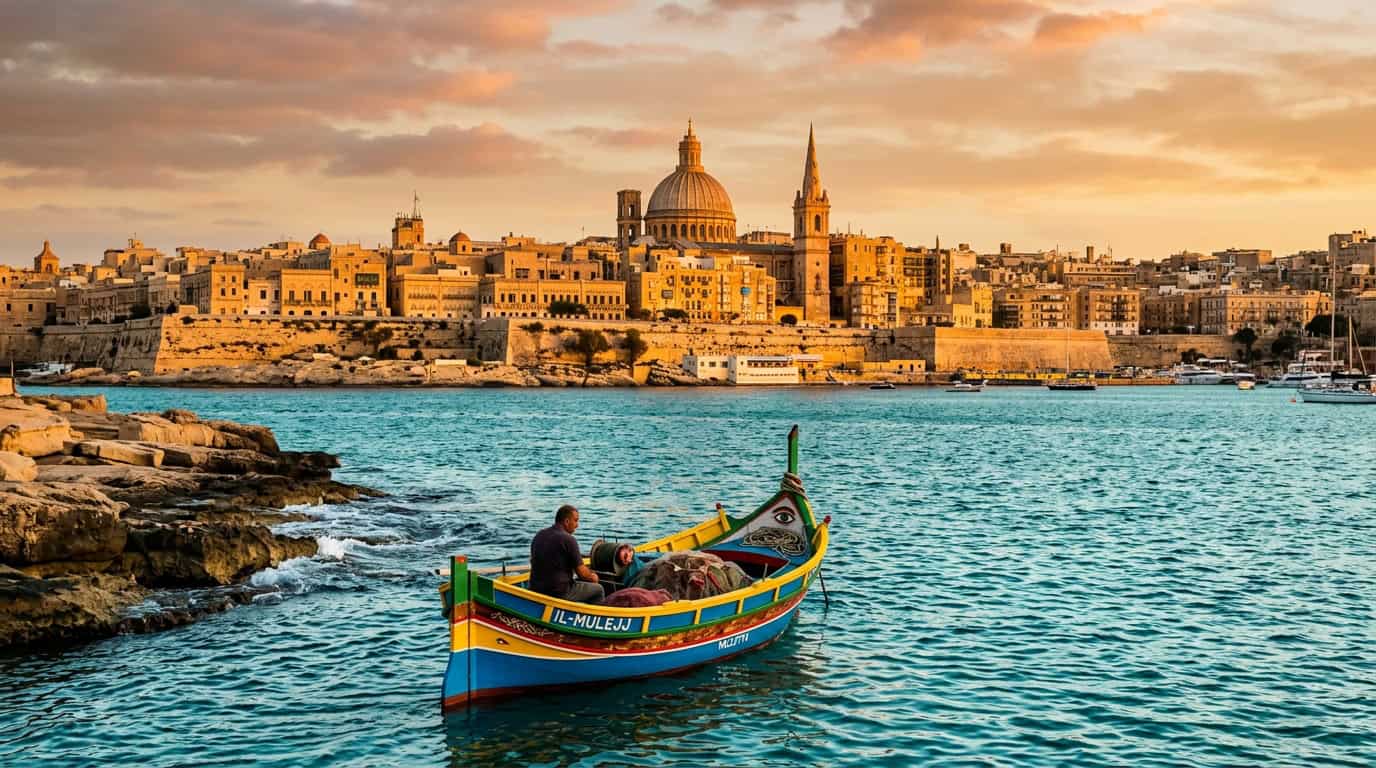
Bathed in a golden Mediterranean glow, Malta is a living gallery where 7,000 years of history meet dramatic limestone cliffs and neon-blue waters. On my last visit, I discovered that the best malta photography spots aren’t just found on postcards, but in the quiet moments when the sun kisses the honey-colored stone of Valletta. Whether you are chasing the first light over the Grand Harbour or capturing the moody shadows of ancient alleyways, this island offers a unique blend of textures and light that is a dream for any visual storyteller.
As travel to the archipelago grows, the secret to a stunning portfolio lies in the art of slow photography and impeccable timing. I’ve found that the true magic happens when you step away from the midday bustle to find hidden viewpoints that most travelers simply walk past. From the flickering lanterns of Mdina at blue hour to the quiet dawn frames along the waterfront, finding the right perspective requires a mix of patience and a bit of local insight.
Key Takeaways
- Embrace the ‘slow photography’ movement by arriving at popular sites during dawn or the blue hour to capture the island’s 7,000-year history without the interference of modern crowds.
- Utilize the ‘honey-colored’ limestone architecture and steep street geometry of Valletta and Mdina as natural frames and leading lines to create cinematic, high-contrast compositions.
- Prioritize the golden hour for coastal locations like the Ta Cenc Cliffs, using wide-angle lenses and neutral density filters to balance the dramatic vertical scale against the Mediterranean horizon.
- Equip yourself with a versatile gear kit including wide-angle lenses for architecture, fast primes for low-light alleyways, and a sturdy tripod for long exposures during the blue hour.
Golden Hour Geometry In The Streets Of Valletta
Valletta is a masterclass in linear beauty, where the steep hills create a rhythmic succession of limestone facades that drop straight into the deep blue of the Mediterranean. I found that the best way to capture this unique geometry is by arriving just as the first light touches the city rooftops, turning the honey colored stone into a glowing canvas. Walking through the quiet morning streets allows you to appreciate the visual storytelling of Malta’s 7,000 year history without the distraction of modern crowds. The dramatic shadows cast by the balconies and the sharp angles of the staircases provide a perfect structure for any composition.
One of my favorite secret spots is the small, weathered archway located near Lascaris Wharf, which acts as a magnificent natural frame for the Grand Harbour. If you time your visit between 5:30 and 7:00 AM during the summer months, you can catch the sun rising directly across the water, illuminating the historic forts in the distance. This perspective emphasizes the scale of the limestone fortifications while providing a soft, cinematic glow that is impossible to replicate later in the day. It is a moment of pure serenity that perfectly captures the intersection of Malta’s rugged geology and its refined architectural heritage.
To get the most out of this location, I recommend bringing a wide angle lens to truly emphasize the verticality of the streets and the depth of the harbor views. While the golden hour provides the most warmth, don’t be afraid to experiment with different exposures as the light shifts across the limestone surfaces. Slowing down your process here is essential, as the subtle details of the craftsmanship on the wooden doors and iron railings deserve a close look. This approach to photography turns a simple morning walk into a deep exploration of the island’s enduring character and timeless beauty.
Low Light Magic Within The Silent City Walls
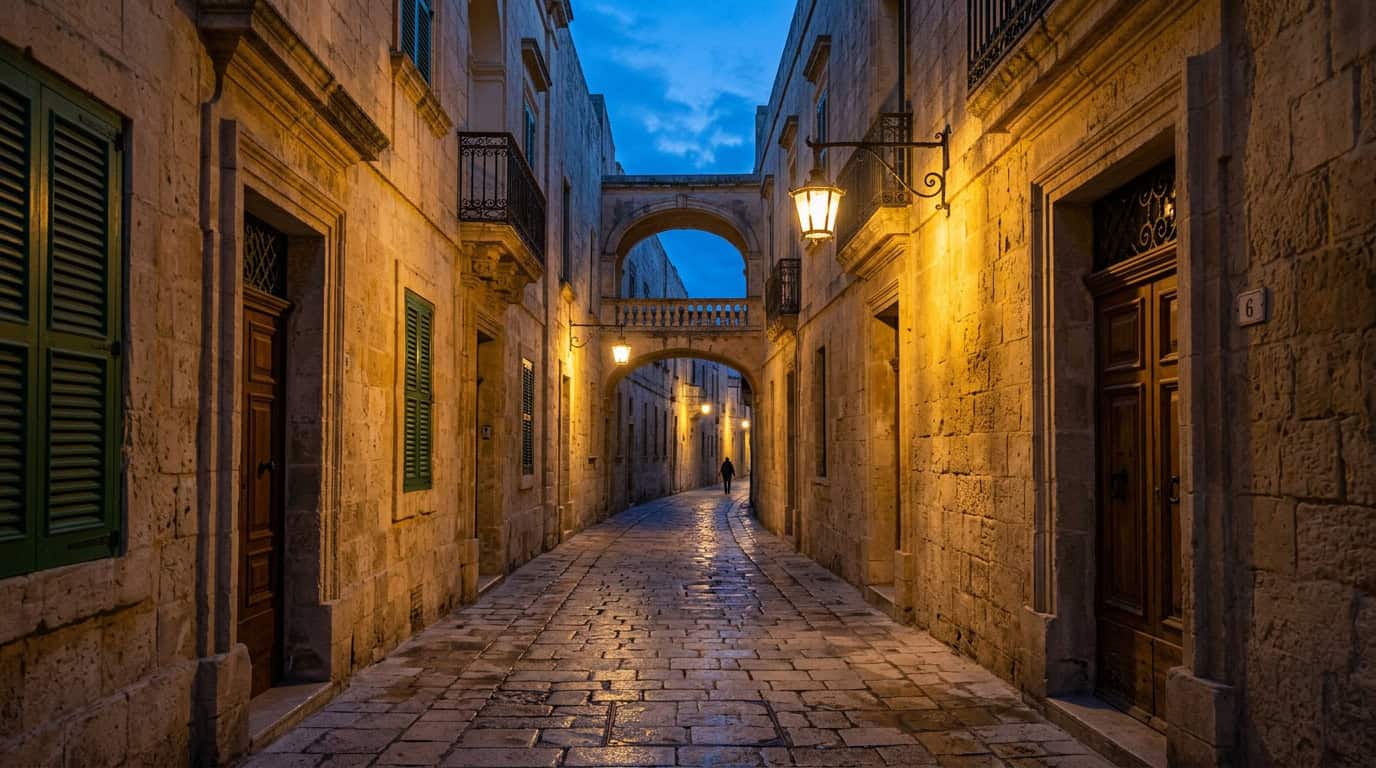
As the sun dips below the horizon, Mdina transforms from a sun-drenched fortress into a cinematic dreamscape of shadows and gold. The Silent City is best captured during the blue hour, when the deep indigo of the Mediterranean sky creates a striking contrast against the warm glow of the honey-colored limestone walls. I recommend positioning yourself in one of the narrow, winding alleys just as the traditional wrought-iron lanterns begin to flicker to life. The soft, ambient light minimizes harsh shadows, allowing you to capture the intricate textures of the ancient stone and the vibrant pops of color from the famous Mdina doors. It is a moment where time feels suspended, offering a sense of peace that is rare in more bustling urban centers.
To get the most out of this low-light session, you will want to lean into the slow photography movement by taking your time with each composition. Since the streets are narrow, using a wide-angle lens can help you frame the towering architecture, but do not be afraid to push your ISO settings to handle the dimming light. I found that the most magical shots often happen near the city gates or tucked-away corners where the lanterns cast long, dramatic shadows across the cobblestones. Because most day-trippers have departed by dusk, you can often find a solitary street to photograph without any crowds in your frame. This quiet atmosphere not only makes for better photos but also allows you to truly connect with the 7,000 years of history embedded in these walls.
Coastal Drama At The Ta Cenc Cliffs
For a truly raw encounter with the Mediterranean, we must cross the channel to Gozo and head toward the southern edge of the island. The Ta Cenc Cliffs rise a staggering 150 meters above the sea, offering a sheer limestone drop-off that challenges both your nerves and your creative eye. To capture the true scale of these prehistoric formations, I recommend pulling out your widest lens to include the jagged cliff edge in the foreground. This technique anchors the viewer, leading their gaze from the textured rock patterns down to the deep turquoise swells crashing below. It is a location that demands a slow photography approach, allowing you to find a unique composition away from the more trodden paths.
Timing is everything when you are working with such a dramatic vertical landscape, and the golden hour here is nothing short of legendary. I suggest arriving at least an hour before the sun dips below the horizon to scout for a safe, stable vantage point that aligns with the setting sun. As the light softens, the pale limestone begins to glow with a warm honey hue, creating a striking contrast against the darkening water. This is the moment to use a neutral density filters to balance the bright sky with the shadowed cliffs. Watching the sun disappear into the infinite Mediterranean horizon from this height is a spiritual experience that yields some of the most powerful images in any Maltese portfolio.
Architectural Symmetry At The Mellieħa Viewpoint
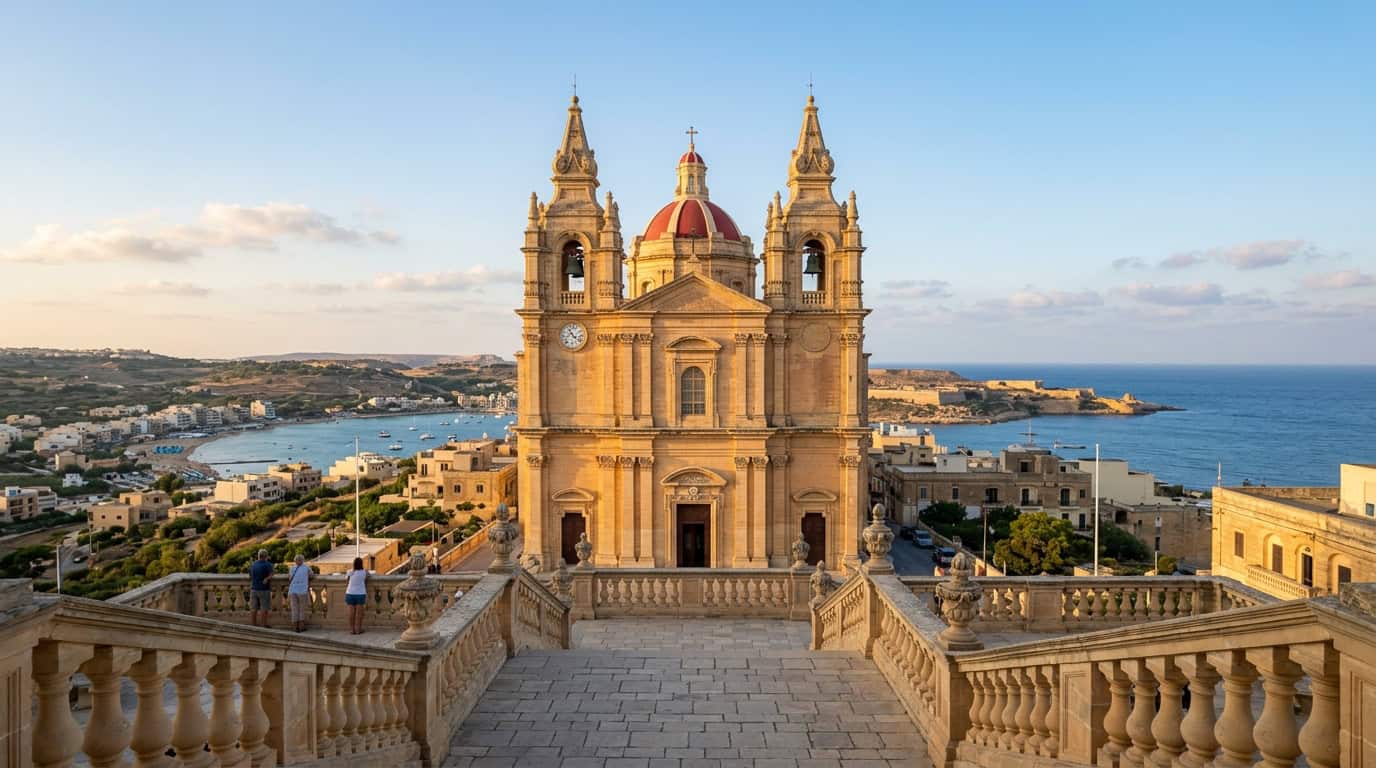
For a perspective that truly captures the limestone grandeur of the north, head away from the main square to find a narrow, canyon like street that perfectly aligns with the twin towers of the Mellieħa Parish Church. This specific vantage point allows you to use the local architecture as a natural frame, creating a sense of depth that highlights the golden hues of the stone. I found that the symmetry here is most striking when you position your tripod low to the ground to emphasize the leading lines of the cobblestones. It is a quiet spot that feels worlds away from the busy tourist hubs, offering a moment of stillness to compose your shot.
As the sun begins to dip below the horizon, the village undergoes a magical transformation that every storyteller should witness. The warm glow of the traditional street lamps begins to flicker on, casting a soft amber light across the church facade and the surrounding valley. I recommend sticking around for the blue hour, as the deep azure of the sky provides a stunning contrast to the illuminated limestone. To get the best results, use a long exposure to smooth out any movement and let the village lights create a starburst effect.
This location is a prime example of why slow photography is so rewarding in Malta, as it allows you to appreciate the architectural details that define the island. Instead of rushing through the main landmarks, taking the time to find these hidden viewpoints ensures your photos tell a deeper story of the Mediterranean charm. I suggest arriving at least thirty minutes before sunset to scout your framing and adjust for the changing shadows. Watching the lights of Mellieħa sparkle against the darkening hills is a memory that stays with you long after you have packed away your camera.
Capturing Malta’s Timeless Golden Hour Glow
Malta offers a visual palette that feels entirely distinct from its Mediterranean neighbors, defined by the warm glow of its honey colored limestone and the deep blues of the surrounding sea. I have found that the island’s unique light is most magical when you are willing to wake before the sun or linger long after the crowds have vanished. Whether you are framing the Grand Harbour through a quiet Valletta archway at dawn or capturing the Arctic light in a different hemisphere, the atmosphere here demands your full attention. It is a place where the geological drama of the coastline meets thousands of years of human ambition, creating a landscape that feels both ancient and alive.
The secret to truly capturing the soul of these islands lies in practicing a slower, more intentional style of photography. Instead of rushing between the famous viewpoints, I encourage you to pause and let the 7,000 years of history etched into the stone tell its own story through your lens. Look for the small details in the narrow alleys of Mellieħa or the way the shadows fall across prehistoric megaliths as the day winds down. By choosing to move at a gentler pace, you will discover hidden perspectives that a hurried traveler might miss entirely, much like coastal charm in the English countryside. Your best shots will be the ones that reflect the quiet, enduring spirit of Malta’s timeless heritage.
Frequently Asked Questions
1. What is the absolute best time of day to photograph Valletta?
The magic happens during the first light of dawn, specifically between 5:30 and 7:00 AM in the summer months. This is when the sun kisses the honey colored limestone and the streets are blissfully empty, allowing you to capture the city’s rhythmic geometry without the crowds.
2. Where can I find a unique perspective of the Grand Harbour?
Head toward the weathered archway near Lascaris Wharf for a stunning natural frame of the harbor. This hidden viewpoint offers a sense of scale and history that you simply cannot get from the standard tourist overlooks.
3. How can I capture the best shots of Mdina?
Visit the Silent City during the blue hour when the flickering lanterns begin to glow against the ancient stone. The moody shadows and narrow alleyways create a timeless atmosphere that feels like stepping back through 7,000 years of history.
4. What should I focus on when photographing Malta’s architecture?
Look for the interplay of shadows and sharp angles created by the iconic balconies and steep staircases. The contrast between the warm limestone facades and the deep blue Mediterranean water provides a perfect color palette for any visual storyteller.
5. Is it difficult to avoid crowds while taking photos in Malta?
The secret to a stunning portfolio is practicing slow photography and arriving at popular spots before the midday bustle begins. By exploring the waterfront at dawn or finding quiet viewpoints off the beaten path, you can capture the island’s authentic, peaceful essence.
6. What gear do I need for a photography trip to Malta?
Bring a wide angle lens to capture the sweeping street views and dramatic cliffs, but do not forget a fast prime lens for those low light moments in Mdina. A sturdy tripod is also essential for capturing the soft, golden glow of the Mediterranean during the early morning hours.