
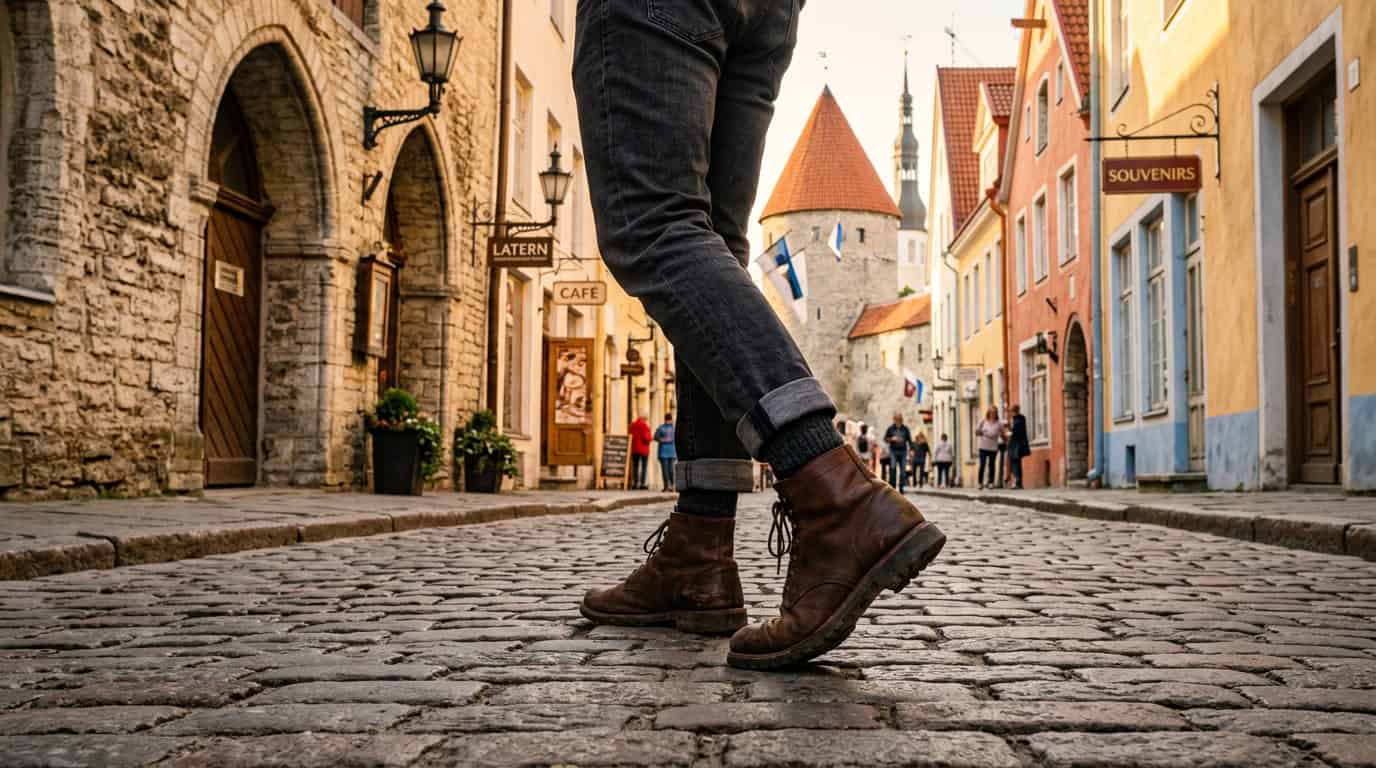
Stepping through the 14th-century limestone towers of Viru Gate feels less like a city tour and more like a deliberate stumble into a storybook. This tallinn old town walk takes you through a 113-hectare maze of cobblestones where the salt-scented air of the Baltic meets the aroma of roasted almonds. As you navigate the winding split between the merchant-driven Lower Town and the aristocratic heights of Toompea Hill, you’ll realize why this UNESCO World Heritage site remains Northern Europe’s most perfectly preserved medieval secret.
The magic lies in the details, from the flickering lanterns of St. Catherine’s Passage to the ancient jars of the Raeapteek pharmacy, which has been curing ailments since 1422. You can easily cover the 4-kilometer loop in a few hours, but the real joy is found in the slow climb up the “Long Leg” toward the seat of power. Whether you are chasing the golden hour light over the Gothic Town Hall or seeking out artisan workshops hidden in stone cellars, this walk is a masterclass in timeless European charm.
Key Takeaways
- Tallinn’s Old Town is divided into two distinct historical zones: the merchant-driven Lower Town and the aristocratic heights of Toompea Hill, connected by the ‘Long Leg’ ascent.
- The district features some of Europe’s oldest continuously operating landmarks, including the Raeapteek pharmacy, which has been in service since 1422, and the 15th-century Gothic Town Hall.
- Sturdy footwear is essential for navigating the 113-hectare UNESCO World Heritage site, as the terrain consists of authentic, uneven medieval cobblestones and steep limestone inclines.
- A complete walking tour covers a four-kilometer loop that can be finished in a few hours, though the best experience comes from exploring hidden artisan workshops in St. Catherine’s Passage.
Entering The Gates Of The Lower Town
My journey into the heart of Tallinn begins at the iconic Viru Gate, where two 14th century limestone towers stand as the grand sentinels of the Lower Town. Stepping through these gates feels like crossing a threshold in time, as the modern city noise fades and the click of my shoes on the cobblestones takes over. This entrance was once the primary gateway for medieval merchants, and today it remains the perfect starting point for any walking tour of this UNESCO World Heritage site. I always recommend pausing here for a moment to take in the view of the narrow streets stretching out before you, lined with colorful facades and charming flower stalls. It is the kind of place that immediately makes me reach for my camera to capture the perfectly preserved medieval atmosphere.
From the main gate, I quickly tucked away into the narrow, atmospheric corridor of St. Catherine’s Passage. This hidden alleyway is arguably the most picturesque spot in the entire city, featuring massive ancient tombstones mounted along the walls and stone arches spanning overhead. It is a hub for local creativity, where you can watch master glassblowers and weavers working in the artisan workshops of the local guild. I found myself lingering by the windows of these studios, watching the flickering flames and admiring the handmade treasures that keep centuries-old traditions alive. The passage feels intimate and secluded, offering a quiet escape from the busier thoroughfares and a true glimpse into the craftsmanship that built this merchant city.
Emerging from the quiet alleys, I arrived at the expansive Town Hall Square, the vibrant heart of the Lower Town for over eight centuries. The square is dominated by the impressive Gothic Town Hall, an architectural masterpiece that has stood since the early 1400s. Just across the plaza, you will find Raeapteek pharmacy, which is one of the oldest continuously operating pharmacies in Europe, dating back to 1422. I stepped inside to see the displays of historical remedies, which provide a fascinating look at medieval medicine. Whether you are grabbing a coffee at a sidewalk cafe or simply admiring the architecture, this square is the ultimate spot to soak in the spirit of Tallinn.
Climbing To The Heights Of Toompea Hill
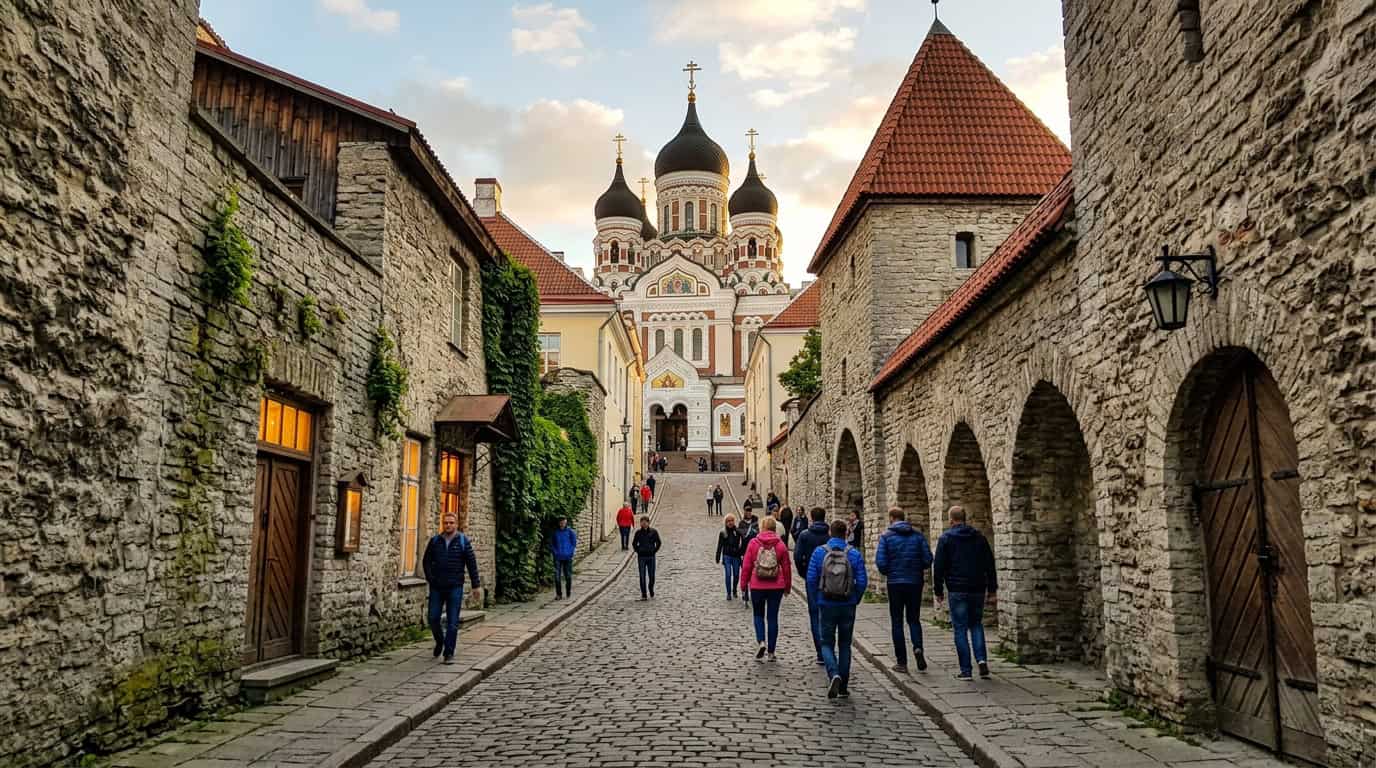
Leaving the bustling Lower Town behind, I began my ascent toward the seat of power by walking up the charming Long Leg street. This gently sloping path was historically the primary route for the nobility, and as you climb, you can feel the transition from the merchant world to the aristocratic heights of Toompea Hill. The limestone walls rise high on either side, creating a narrow corridor that feels like a portal back to the 13th century. I always recommend taking a slow pace here to admire how the ancient stones have been polished by centuries of footsteps. Once you reach the top, the atmosphere shifts instantly as the grand architecture of the upper city comes into view.
The first landmark that will undoubtedly catch your eye is the stunning Alexander Nevsky Cathedral with its iconic black onion domes. This Russian Orthodox masterpiece stands in bold architectural contrast to the surrounding medieval buildings, serving as a powerful reminder of the complex layers of Estonian history. Just across the square, you will find the salmon pink Toompea Castle, which now serves as the home of the Estonian Parliament. It is a fascinating site where medieval fortifications meet 18th century elegance, and you can often see the national flag flying high above the Pikk Hermann tower. Standing here, you are truly at the heart of the nation’s political and historical identity.
No walk to the top of the hill is complete without visiting the panoramic viewing platforms that overlook the city and the Baltic Sea. I personally love the Kohtuotsa lookout because it provides a perfect view of the terracotta rooftops and the many church spires that define the Tallinn skyline. From this vantage point, you can see the modern city rising in the distance while the medieval walls remain perfectly preserved below you. The salty breeze from the Gulf of Finland often reaches these heights, offering a refreshing end to the climb. It is the ideal spot to snap a few photos and reflect on why this UNESCO World Heritage site remains one of the most magical corners of Europe.
Hidden Courtyards And Ancient Apothecary Secrets
Stepping off the main squares of the Lower Town often leads into quiet, shadowed alleys where the true medieval soul of Tallinn lingers. One of my favorite stops is the Raeapteek, located right on Town Hall Square, which has been operating continuously since at least 1422. Inside this ancient apothecary, the air smells of dried herbs and history, and you can still see museum displays of medieval remedies like burnt bees and stallion hooves. It is a fascinating glimpse into a time when medicine was a mix of science and superstition, and I highly recommend spending a few minutes browsing the antique jars.
After exploring the secrets of the pharmacy, I made my way through the narrow cobblestone passages toward the towering spire of St. Olaf’s Church. Once considered the tallest building in the world, this church offers one of the most rewarding views in all of Estonia if you are willing to brave the climb. The stone staircase is steep and narrow, but reaching the viewing platform provides a breathtaking panorama of the red-tiled roofs and the shimmering Baltic Sea. Looking down at the 113 hectare UNESCO World Heritage site from this height makes you truly appreciate how perfectly preserved this merchant hub remains.
To round out the walk, I ducked into St. Catherine’s Passage, a hidden gem that feels like a film set from the Middle Ages. This picturesque alleyway is lined with ancient tombstones and the open workshops of the local guild, where you can watch artisans glassblowing or weaving traditional textiles. It is the perfect place to slow down and appreciate the intricate details of the limestone architecture that defines the city. These smaller corners of the Old Town offer a sense of intimacy that you just cannot find on the broader main streets.
Practical Tips For Your Medieval Trek
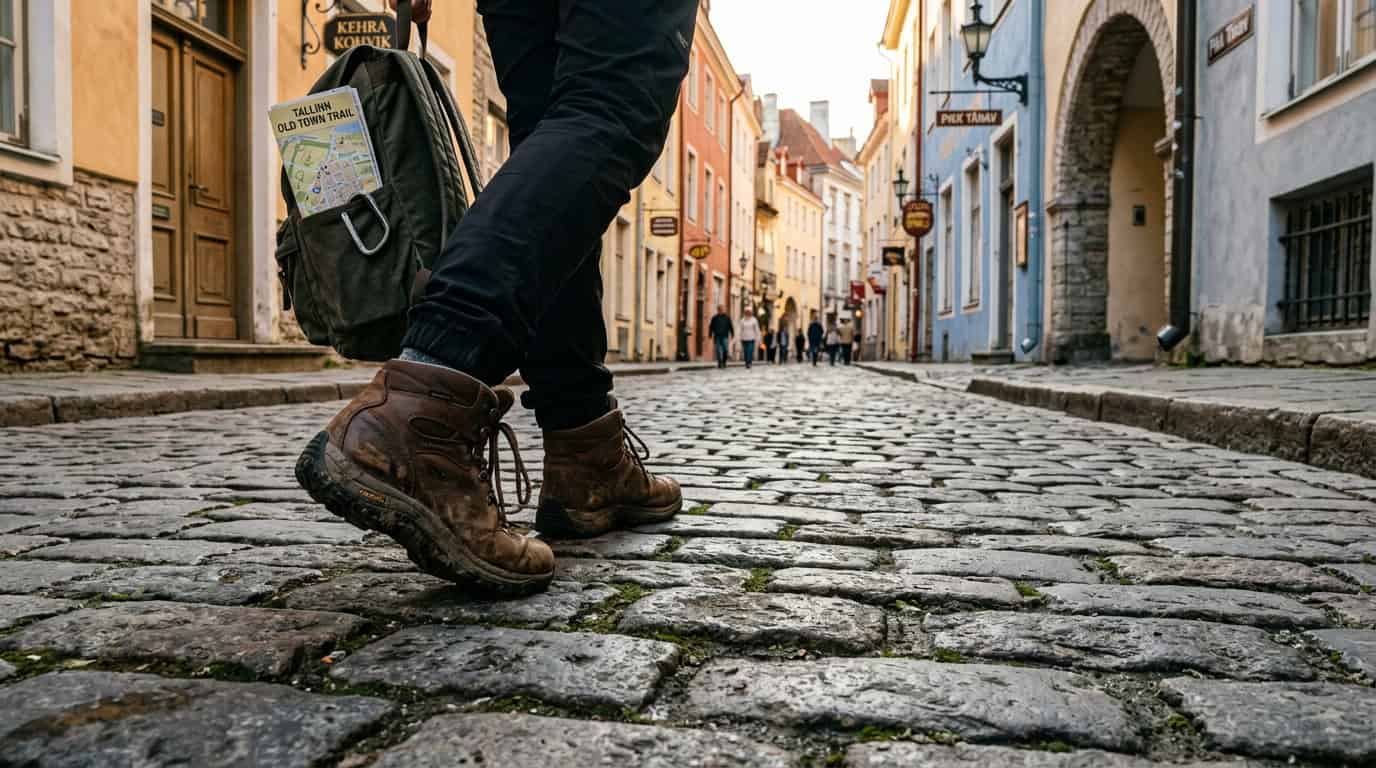
Navigating the winding, limestone corridors of Tallinn’s Old Town requires a bit of preparation to truly enjoy the medieval atmosphere. Since the entire district is a UNESCO World Heritage site paved with authentic, uneven cobblestones, leave your heels and thin-soled dress shoes at the hotel. I highly recommend wearing sturdy walking shoes or sneakers with excellent grip to handle the steep climb up Toompea Hill. To beat the crowds, try to start your walk before 9:00 AM when the morning light hits the pastel facades of the Lower Town. This early window provides a peaceful time to photograph the Viru Gate and Town Hall Square without the bustle of large tour groups.
Weather in the Baltics can be unpredictable, so dressing in layers is the golden rule for any Estonia road trip or trek. Even during a sunny afternoon, the narrow alleys like St. Catherine’s Passage can feel surprisingly chilly due to the towering stone walls that block the sun. I always carry a light, windproof jacket or a compact umbrella, as a sudden coastal breeze often sweeps in from the Baltic Sea. If you find yourself caught in a drizzle, use it as an excuse to duck into one of the ancient cellars for a warm drink. These cozy underground spots offer a perfect refuge and allow you to appreciate the thick, medieval masonry from the inside.
No journey through these historic streets is complete without pausing for a taste of local tradition to fuel your climb. For a quick and authentic snack, stop by the small kiosks or taverns near the Town Hall Square that serve hot elk soup and savory pastries. If you are planning an Estonia winter break, head to the Raeapteek, one of the oldest pharmacies in Europe, to try their famous spiced claret or marzipan. Estonian marzipan has a rich history dating back centuries, and nibbling on a piece while wandering past artisan workshops makes the history feel tangible. These small culinary breaks are what transform a standard sightseeing tour into a truly immersive medieval experience.
Final Reflections on My Tallinn Time Travel Walk
Reflecting on my journey through this UNESCO World Heritage site, it is easy to see why Tallinn remains the crown jewel of the Baltic region. Walking from the merchant hubs of the Lower Town up to the limestone cliffs of Toompea Hill feels like stepping directly into a living history book. The preservation of the 14th century walls and the Gothic spires creates an atmosphere that is both imposing and deeply romantic. I found myself constantly pausing to admire how the golden Estonian light hits the red tiled roofs at sunset. It is a rare place where the medieval past and the vibrant present coexist in perfect harmony.
While following a structured itinerary helps you see the major landmarks like the Town Hall Square and Viru Gate, the real magic happens when you tuck away your map. I highly recommend spending an extra hour simply wandering through the narrow, winding alleyways like St. Catherine’s Passage. You might stumble upon a hidden courtyard where local artisans are still practicing centuries old crafts or find a quiet cafe tucked into a medieval cellar. These spontaneous moments of discovery are what make a trip to Estonia truly unforgettable. Every cobblestone has a story to tell if you take the time to listen.
As you plan your own adventure, remember that the best way to experience this compact city is on foot and at a slow pace. Whether you are marveling at the ancient remedies in the Raeapteek pharmacy or looking out over the city from the Patkuli viewing platform, let the enchanting atmosphere guide you. Tallinn is more than just a collection of historic buildings, it is an invitation to slow down and appreciate the intricate details of a bygone era. I hope this Tallinn city break has inspired you to pack your bags and discover the medieval wonders of Estonia for yourself. The winding streets are waiting for your footsteps to join their long history.
Frequently Asked Questions
1. How long does it take to complete the Tallinn Old Town walk?
You can easily cover the main four kilometer loop in about two to three hours. However, I suggest setting aside a full afternoon to truly savor the slow climb up the Long Leg and explore the hidden artisan workshops tucked away in stone cellars.
2. What is the best starting point for exploring the Old Town?
I always recommend beginning your journey at the 14th century limestone towers of Viru Gate. It serves as the grand entrance to the Lower Town and immediately immerses you in a storybook atmosphere with its colorful facades and charming flower stalls.
3. Is the Tallinn Old Town walk difficult for beginners?
The walk is manageable for most travelers, but keep in mind that the terrain consists of authentic medieval cobblestones. You will want to wear sturdy shoes for the winding paths and the steady incline leading from the merchant streets up to the heights of Toompea Hill.
4. What are the must-see historical stops along the route?
Make sure to visit the Raeapteek pharmacy, which has been operating in the Town Hall Square since 1422. You should also take time to wander through the flickering lanterns of St. Catherine’s Passage to see local craftsmen at work in their ancient studios.
5. What is the difference between the Lower Town and Toompea Hill?
The Lower Town was historically the bustling hub for medieval merchants and craftsmen, characterized by narrow streets and the Gothic Town Hall. In contrast, Toompea Hill served as the aristocratic seat of power, offering sweeping views and a more regal atmosphere.
6. When is the best time of day to photograph the Old Town?
The golden hour just before sunset is a magical time to capture the Gothic architecture and the warm glow of the lanterns. The light hitting the limestone towers and the red tiled roofs creates a timeless scene that is perfect for photography.