
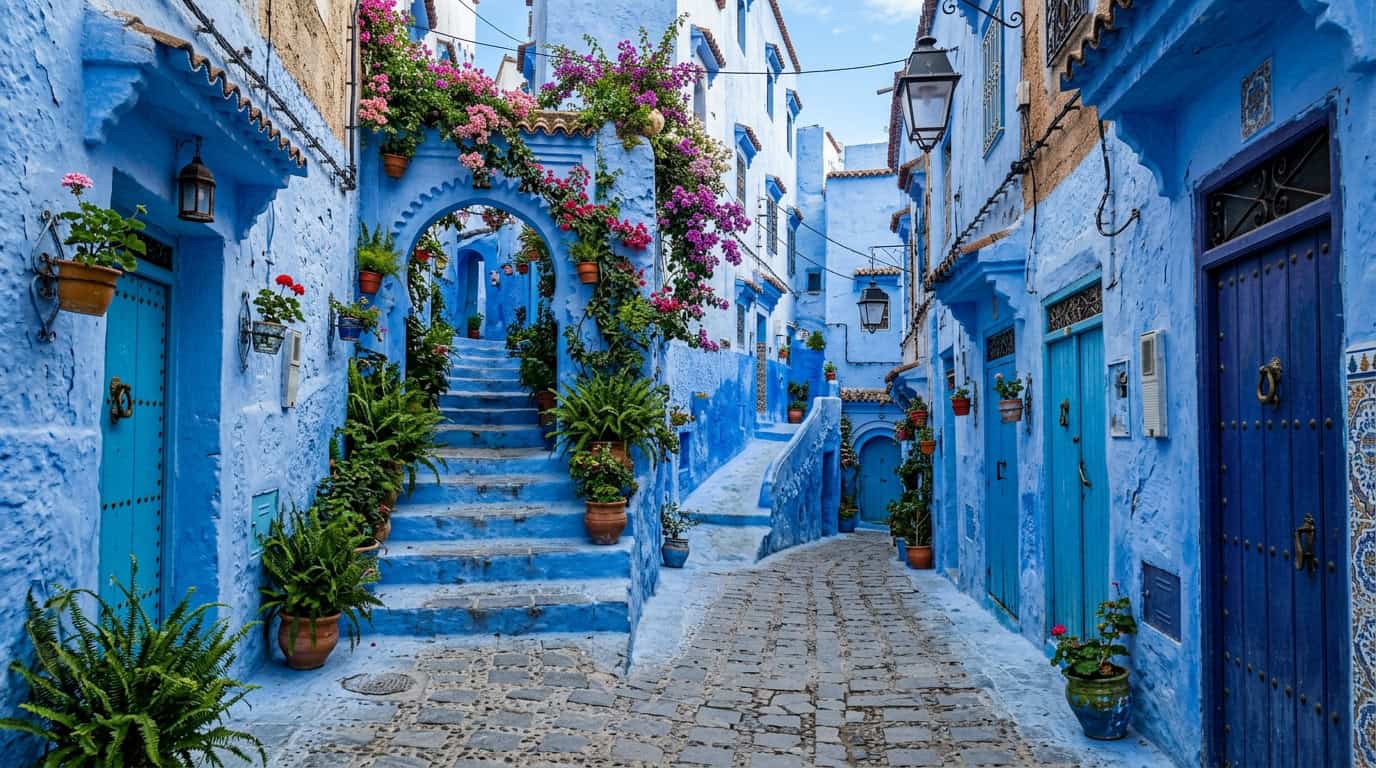
Tucked high within the rugged Rif Mountains, the Chefchaouen blue city feels less like a traditional destination and more like a vivid dream come to life. I remember wandering through the labyrinthine medina, where the scent of fresh bread mingled with the crisp mountain air and every corner revealed a new, breathtaking shade of azure. From its 15th-century roots as a fortress to its transformation into the “Blue Pearl,” this city offers a serene escape where history and magic collide under the watchful gaze of the twin mountain peaks.
Whether you are chasing the perfect photograph or seeking a quiet moment of reflection in a hidden plaza, planning a trip here requires a balance of wonder and strategy. Recent sustainability efforts have preserved the city’s authentic charm even as it grows in popularity, making it an ideal time to explore its winding cobblestone paths. You will find that the blue-washed walls do more than just cool the buildings; they create a sanctuary that invites you to slow down and soak in the vibrant Moroccan culture.
Key Takeaways
- Chefchaouen’s signature blue-washed walls serve both spiritual and practical purposes, symbolizing the divine while naturally repelling mosquitoes and cooling buildings during intense summer heat.
- Navigate the steep, labyrinthine medina on foot with sturdy footwear, prioritizing early morning visits to landmarks like the Spanish Mosque and Kasbah to avoid crowds and capture the best light.
- Extend your journey beyond the city walls into Talassemtane National Park to support eco-tourism initiatives and experience the region’s natural biodiversity through hikes to the Akchour waterfalls and the Bridge of God.
- Practice respectful tourism by dressing modestly, seeking permission before photographing locals, and choosing locally owned lodges and cafes to preserve the city’s authentic Andalusian heritage.
Wandering Through The Azure Medina Labyrinth
Stepping into the Medina of Chefchaouen feels like falling headfirst into a dream where every shade of sapphire, turquoise, and cobalt comes to life. As I wandered through the narrow, winding alleys, the scent of fresh bread from communal ovens mingled with the earthy aroma of raw pigments sold in small sacks. While the blue walls are undeniably beautiful, they also hold deep historical significance, as many believe they were first painted by Jewish refugees in the 1930s to represent the sky and the divine. Others will tell you the color serves a practical purpose by repelling mosquitoes or keeping the stone houses cool during the intense Moroccan summers. Regardless of the origin, the effect is a calming, immersive atmosphere that makes you feel as though you are walking through the heart of the ocean.
Every turn in this azure labyrinth offers a new perspective that is a photographer’s absolute paradise. Some of the most iconic shots can be found along the Calle Sidi Buchuka, where colorful flower pots pop against the monochromatic blue backdrop. I found that the best time to capture the magic is just after sunrise when the soft morning light hits the walls and the streets are still quiet. For a unique view, head toward the Spanish Mosque on the hill at dusk to see the entire city glowing like a blue jewel nestled between the peaks of the Rif Mountains. Beyond the famous steps, look for the small details like ornate wooden doors and intricate tilework that tell the story of the city’s Andalusian heritage.
Navigating the steep, cobbled paths requires a bit of stamina, but the sensory rewards are well worth the effort. You will likely find yourself invited for mint tea by a local shopkeeper, offering a moment of rest amidst the vibrant bustle of the marketplace. I recommend wearing comfortable shoes with good grip, as the smooth stones can become quite slippery, especially in the early morning dew. Take your time to get lost on purpose, away from the main tourist thoroughfares, to discover hidden courtyards and quiet corners where the blue hue feels most authentic. It is in these silent, shadowed corridors that the true spirit of the Blue Pearl reveals itself to those willing to explore.
Iconic Landmarks From Kasbah To Spanish Mosque
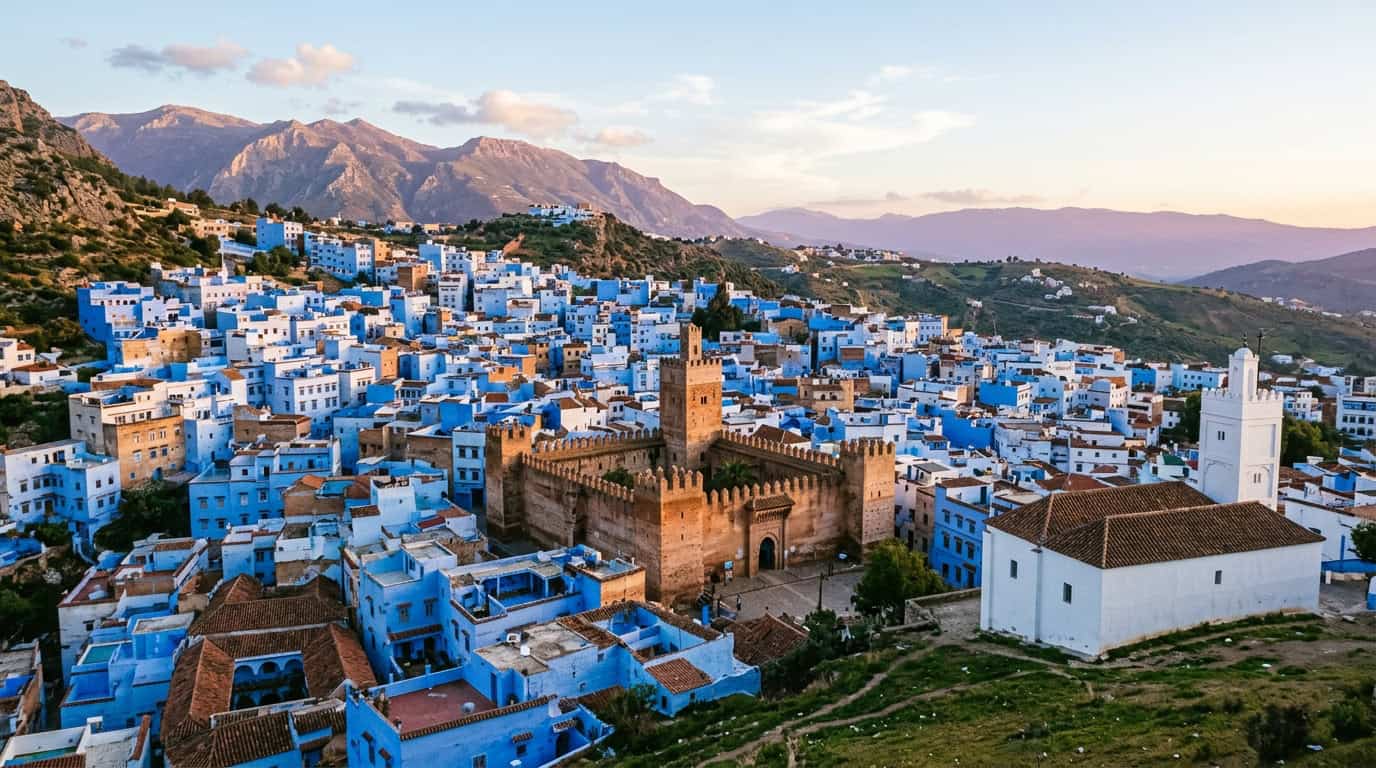
Your journey begins in the heart of the medina at Place Uta el-Hammam, where the vibrant energy of the city truly comes alive. I love sitting at one of the perimeter cafes to watch the sunlight dance across the red-hued walls of the 15th-century Kasbah. This fortress, built by Moulay Ali Ben Rachid, offers a peaceful retreat from the bustling market stalls with its lush gardens and ethnographic museum. You can climb the tower for an incredible view of the blue-washed houses framed by the rugged Rif Mountains. It is the perfect spot to get your bearings before exploring the winding, azure alleyways that make this city so famous.
After exploring the cobblestone streets, make your way toward the eastern gate of the medina to begin the gentle ascent to the Spanish Mosque. This white building sits perched on a hilltop, offering a panoramic vantage point that looks like a painting come to life. I recommend timing your walk about forty-five minutes before dusk so you can secure a spot on the grass. As the sun dips behind the “horns” of the mountains, the entire blue city begins to glow with a magical, iridescent light. It is a breathtaking sight that perfectly captures the serene spirit of the Blue Pearl.
To make the most of this itinerary, remember to wear comfortable walking shoes as the path to the mosque is a steady incline on a dirt trail. Along the way, you will pass local families and goats grazing near the Ras el-Maa waterfall, where the sound of rushing water adds to the tranquil atmosphere. Bring a light jacket even in the summer, as the mountain air turns crisp once the sun disappears. Sharing this sunset with fellow travelers is one of those quintessential Morocco moments that stays with you long after you return home. This balance of historic architecture and natural beauty is what makes Chefchaouen an unforgettable destination.
Sustainable Adventures In Talassemtane National Park
Just beyond the blue-washed walls of the medina, the rugged peaks of Talassemtane National Park beckon with a wild, emerald beauty that feels like a secret world. Hiking through these ancient fir forests and limestone cliffs allows you to see the Rif Mountains from a fresh perspective while supporting the region’s commitment to eco-tourism. I recommend starting your trek early in the morning to catch the mist rising off the peaks, which creates a dreamlike atmosphere that rivals the city’s own charm. As you follow the winding trails toward the Akchour waterfalls, you will encounter local guides who are passionate about preserving the natural biodiversity of this protected area. These natural wonders provide a refreshing escape from the bustling souks and remind us why protecting such pristine landscapes is so vital for the future of Moroccan travel.
Recent green initiatives in Chefchaouen have made it easier than ever to explore the surrounding wilderness without leaving a heavy footprint behind. The city has introduced new waste management programs and solar energy projects that aim to balance its popularity with environmental stewardship. When planning your hike, consider packing a reusable water bottle to take advantage of the mountain springs and choosing locally owned lodges that prioritize traditional building methods. Many of the trailheads are now better marked to keep hikers on designated paths, which helps prevent soil erosion and protects the native flora. By engaging with these sustainable practices, you become part of a movement that ensures the Blue Pearl remains a vibrant, healthy destination for generations to come.
One of my favorite ways to experience the park’s magic is by visiting the Bridge of God, a stunning natural rock arch that towers over the river below. The path to this geological marvel is lined with fragrant wildflowers and offers plenty of spots to pause for a picnic of locally sourced goat cheese and fresh bread. These small, intentional moments of connection with the land are what make a trip to Chefchaouen feel truly meaningful and transformative. As you watch the sunlight filter through the trees and listen to the sound of rushing water, the importance of these conservation efforts becomes crystal clear. It is a powerful reminder that the most beautiful sights are those we work together to protect and cherish.
Practical Tips For Your Blue City Escape
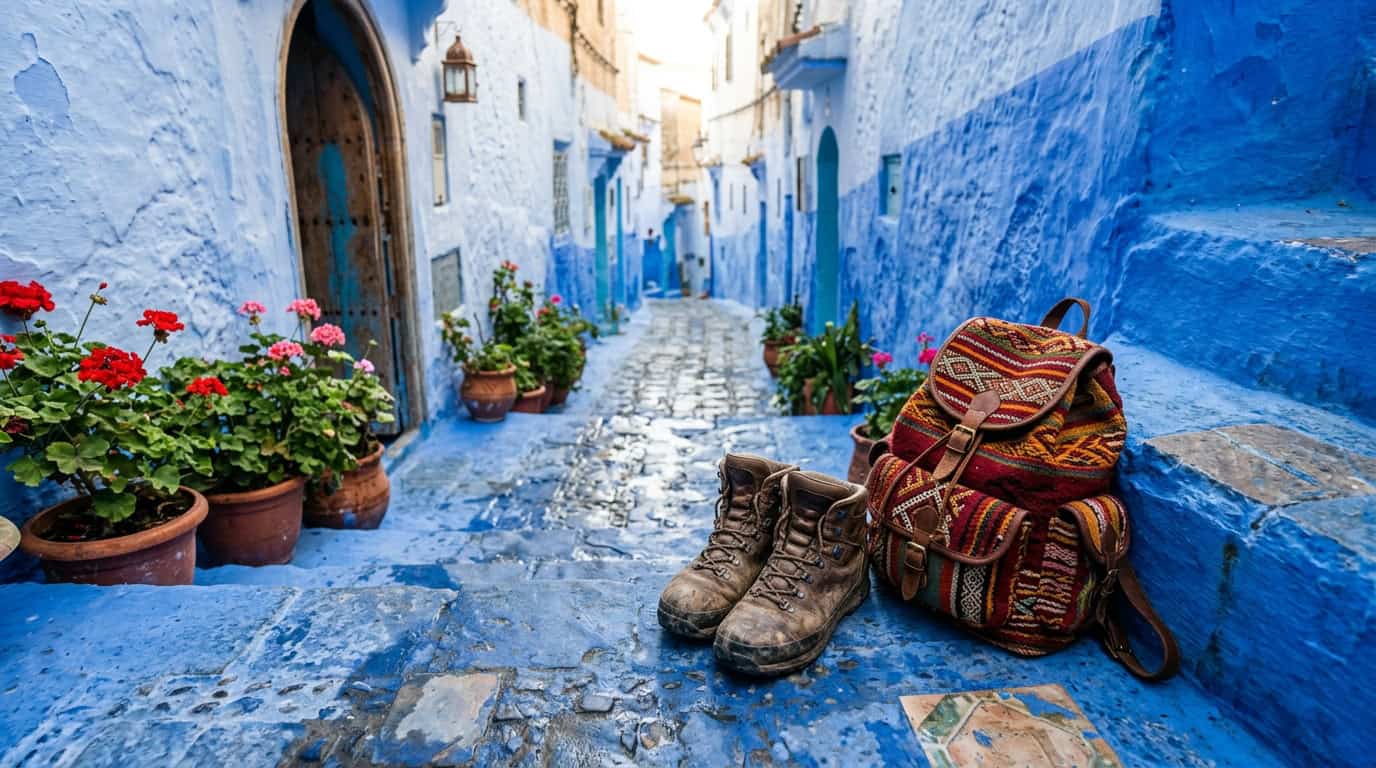
Reaching the Blue Pearl requires a bit of planning, as there is no airport or train station directly in the city. Most travelers arrive via a scenic bus ride or private transfer from Tangier or Fes, which winds through the rugged Rif Mountains. I recommend booking your bus tickets at least a day in advance during the peak trekking season to ensure you get a seat. Once you arrive, the medina is best explored on foot, so bring sturdy walking shoes with good grip for the steep, often slippery blue-painted cobblestones.
When your legs need a break from the winding stairs, head to a rooftop cafe overlooking the Uta el-Hammam square. You must try the local goat cheese, which is a regional specialty, paired with a steaming glass of fresh mint tea. I found that the best views are often found at the smaller, family-run spots tucked away in the higher alleys rather than the main square. These elevated terraces provide the perfect vantage point to photograph the sea of azure rooftops against the backdrop of the towering mountain peaks.
Respecting the local culture is essential for a authentic Moroccan escape in this historic mountain town. While the blue walls are a photographer’s dream, always ask for permission before taking portraits of the locals, especially the older generation. It is also important to dress modestly by covering your shoulders and knees to show respect for the community’s traditional values. As you navigate the narrow passages, remember that these vibrant streets are people’s homes, so keep your voice down and avoid blocking doorways while capturing your vacation photos.
The Lasting Magic of the Blue Pearl
Chefchaouen is far more than just a beautiful backdrop for your photos, as it captures a unique spirit that stays with you long after you leave the Rif Mountains. The city manages to balance its ancient history as a defensive fortress with a modern commitment to sustainability, ensuring its azure streets remain vibrant for generations to come. Walking through the winding medina feels like stepping into a living painting where every shade of indigo and sky blue tells a story of refuge and tradition. It is a place that rewards the slow traveler who is willing to put down the map and get lost in the maze of cobalt doorways.
There has never been a better time to turn your Moroccan dreams into a reality and experience the Blue Pearl for yourself. Whether you are sipping fresh mint tea overlooking the Spanish Mosque or hunting for handmade wool blankets in the local markets, the city offers an unparalleled sense of peace. The crisp mountain air and the friendly locals create an atmosphere that is both welcoming and mysterious, making it the ultimate addition to any North African itinerary. Much like following an Uzbekistan travel itinerary to see towering turquoise domes, visiting this blue city allows you to witness how color can define the soul of a region. I hope these insights inspire you to pack your bags and discover why this mountain gem remains one of the most enchanting destinations on the planet.
Frequently Asked Questions
1. Why is Chefchaouen painted blue?
The stunning azure hues carry deep history, as many believe Jewish refugees began the tradition in the 1930s to mirror the sky and the divine. Beyond the spiritual meaning, these shades serve the practical purpose of repelling mosquitoes and keeping the stone homes cool during the heat of the Moroccan summer.
2. What is the best way to explore the Medina?
The best approach is to let yourself get lost within the labyrinthine cobblestone paths where you can stumble upon hidden plazas and communal ovens. I recommend starting early in the morning to experience the quiet magic of the blue walls before the afternoon crowds arrive.
3. Where is Chefchaouen located?
This magical city is tucked high within the rugged Rif Mountains in northern Morocco, framed by the iconic twin mountain peaks that give the town its name. Its remote location adds to the sense of serenity, making it feel like a peaceful sanctuary far removed from the bustle of larger cities.
4. Is Chefchaouen a sustainable destination for travelers?
Yes, recent sustainability efforts have been incredibly successful at preserving the authentic charm and historical integrity of the Blue Pearl. These initiatives ensure that the vibrant culture and delicate architecture remain protected even as the city grows in popularity with global explorers.
5. What should I expect from the local atmosphere?
You will find a calming and immersive environment that invites you to slow down and soak in the vibrant Moroccan culture. The scent of fresh bread and the crisp mountain air create a sensory experience that feels more like a vivid dream than a typical tourist stop.
6. When is the best time to visit the Blue City?
Spring and autumn offer the most comfortable temperatures for wandering the steep, winding alleys of the Medina. During these seasons, the mountain air is perfectly crisp, making the hike through the azure labyrinth a truly refreshing and inspirational journey.