
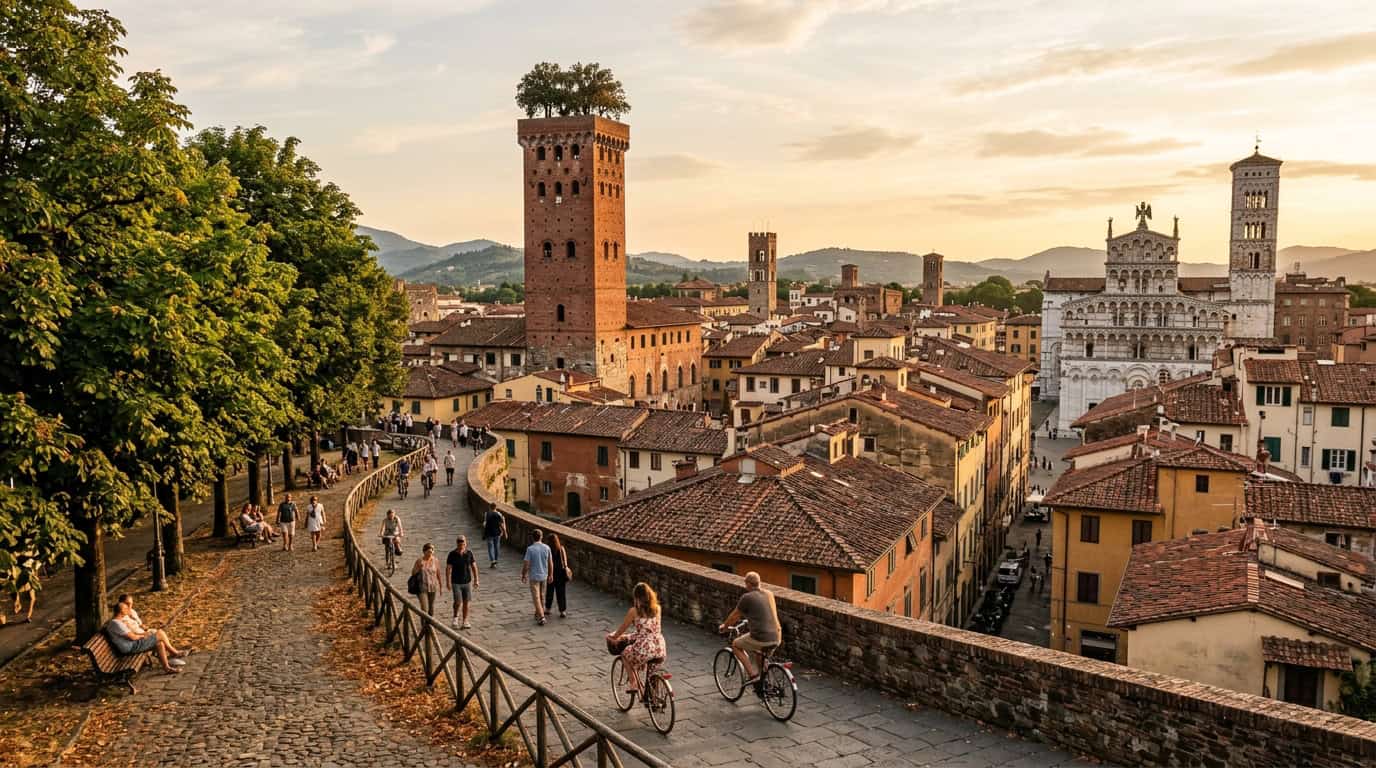
While the crowds descend on Florence and Pisa, I found my Tuscan sanctuary atop a 2.6-mile circuit of perfectly preserved Renaissance walls. This Lucca Italy guide is born from those golden afternoons spent cycling beneath a canopy of trees, looking out over a sea of terracotta rooftops and the jagged peaks of the Apuan Alps. It is a city that breathes at a slower pace, where the City of a Hundred Churches reveals its secrets through narrow cobblestone alleys rather than frantic sightseeing schedules.
You’ll feel the magic most when you’re standing in the Piazza dell’Anfiteatro, an elliptical square that still echoes the shape of its ancient Roman foundations. Whether you are climbing the 232 steps of the Guinigi Tower to touch the ancient oaks growing on its roof or marveling at the Holy Face in the Duomo di San Martino, Lucca feels like a living Renaissance dream. This is the ultimate walkable escape for travelers who want to trade high-density tourism for authentic charm and a city that truly welcomes both its human and animal visitors with open arms.
Key Takeaways
- Lucca offers a peaceful, walkable alternative to crowded Tuscan hubs, characterized by its ‘City of a Hundred Churches’ and a slower, more authentic pace of life.
- The 2.6-mile circuit of Renaissance walls serves as an elevated urban park, providing a tree-lined path for cycling and walking with panoramic views of the city and the Apuan Alps.
- Historical landmarks like the elliptical Piazza dell’Anfiteatro and the tree-topped Guinigi Tower showcase the city’s unique architectural evolution from Roman foundations to Renaissance heights.
- The city has evolved into a ‘smart city’ for animal lovers, featuring dedicated ‘Animal Lines’ pathways, pet-friendly infrastructure, and welcoming public spaces for travelers with pets.
Cycling The Renaissance Walls And Rooftop Trees
To truly experience the soul of Lucca, I recommend starting your morning by renting a bicycle to navigate the city’s most iconic feature. The Renaissance walls form a massive four-kilometer loop that has been transformed into a lush, elevated park where locals and visitors alike enjoy a slower pace of life. As you pedal along the wide, tree-lined path, you will be treated to breathtaking views of the Apuan Alps in the distance and the city’s terracotta rooftops below. It is a refreshing way to get your bearings while avoiding the crowded streets found in larger Tuscan hubs. I found that the gentle breeze and the shade of the ancient trees make this the perfect activity for a relaxed afternoon.
After completing your circuit of the ramparts, head toward the center of town to find the most unusual skyline feature in Italy. The Guinigi Tower stands out immediately because of the ancient holm oaks growing directly from its rooftop, representing a symbol of rebirth and endurance. I suggest bracing yourself for the 232-step climb, as the reward at the summit is unlike any other viewpoint in the region. Standing beneath the shade of centuries-old trees while looking out over a sea of medieval towers and red-tiled houses is a surreal experience. The panoramic view offers a perfect perspective of the elliptical Piazza dell’Anfiteatro and the many bell towers that give Lucca its distinctive character.
Exploring Circular Piazzas And Puccini’s Legacy
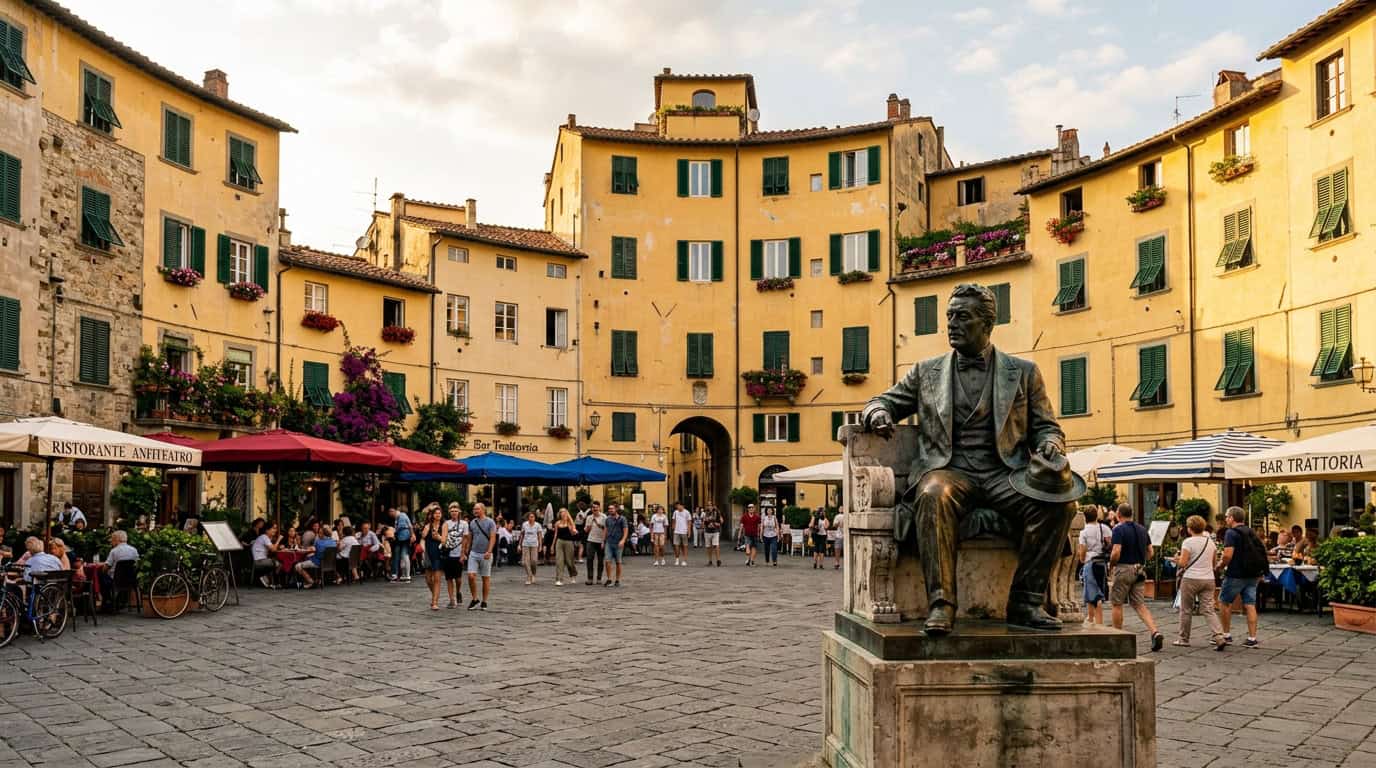
Stepping into Piazza dell’Anfiteatro feels like walking into a living history book where the ancient Roman past meets the vibrant pulse of modern Tuscan life. This unique elliptical square was built directly upon the foundations of a second century Roman amphitheater, and you can still see the original arches integrated into the surrounding colorful buildings. I love grabbing a gelato and sitting in the center of the plaza to admire how the medieval houses follow the exact curve of the long-lost arena. It is the perfect spot to slow down and watch the world go by, offering a much more peaceful atmosphere than the crowded squares of nearby Florence.
Beyond its architectural wonders, Lucca resonates with a deep musical soul as the birthplace of the legendary opera composer Giacomo Puccini. You can visit the house where he was born, which is now a fascinating museum filled with his personal letters and the piano he used to compose Turandot. To truly experience his legacy, I highly recommend attending one of the nightly concerts held in the Church of San Giovanni, where professional singers perform his most famous arias. The acoustics in these ancient stone halls are breathtaking, making it easy to understand why this city has remained a sanctuary for artists and musicians for centuries.
If you are planning your afternoon walk, start at the Guinigi Tower to see the oak trees growing on its roof before heading toward the Puccini Museum. Afterward, make your way through the narrow, winding streets to reach the Piazza dell’Anfiteatro just as the golden hour light hits the yellow facades. This route allows you to transition seamlessly from the city’s Roman roots to its operatic heritage while avoiding the midday heat. Ending your day with a glass of local wine in the circular piazza is the ultimate way to soak in the relaxed, sophisticated charm that defines the Lucchese lifestyle.
Navigating The Human Animal Smart City Paths
Lucca has truly embraced its identity as a smart city by integrating the needs of our four-legged companions into its historic urban fabric. As I wandered through the cobblestone streets, I was delighted to find the new Animal Lines, which are specially designated pathways that make navigating the city with a pet incredibly seamless. These routes are designed to connect the city’s major landmarks while ensuring there are plenty of shaded spots and water stations along the way. It is a breath of fresh air to see a Tuscan destination prioritize animal welfare alongside modern technology. This thoughtful infrastructure allowed me to explore at a slower pace without worrying about my dog’s comfort or safety.
The crowning jewel of this pet-friendly evolution is undoubtedly the massive green belt provided by the Renaissance walls. Spanning over four kilometers, this elevated park offers a wide, paved circuit where cyclists, walkers, and pets can coexist in perfect harmony. I spent a morning cycling along the ramparts with my pup in a basket, enjoying the panoramic views of the terracotta rooftops and the distant Apuan Alps. There are numerous grassy patches and hidden groves where you can stop for a picnic or let your furry friend stretch their legs away from the city traffic. It is rare to find such a large, accessible green space right in the heart of a medieval center.
Beyond the walls, the city’s piazzas and cafes have adopted a remarkably welcoming attitude toward travelers with animals. I found that most establishments in Piazza dell’Anfiteatro offer bowls of fresh water and even small treats for visiting dogs as a standard courtesy. The smart city features also include digital maps that highlight pet-friendly zones and nearby veterinary services, making trip planning stress-free. Whether you are climbing the Guinigi Tower or admiring the Duomo, you will find that Lucca’s modern amenities make it the ultimate dream destination for animal lovers. This commitment to inclusivity makes every stroll through the City of a Hundred Churches feel like a shared adventure.
A Perfect One Day Lucca Walking Itinerary
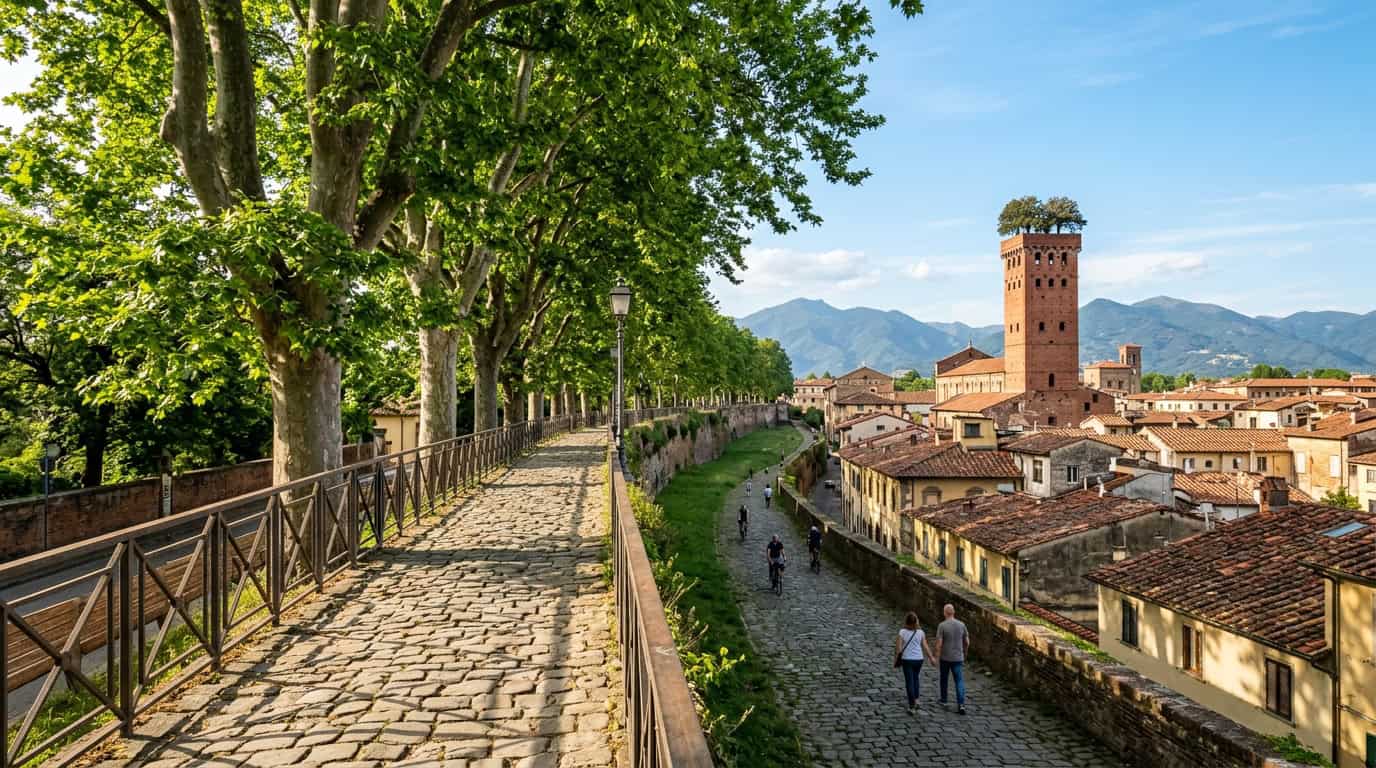
To begin your morning in this walled wonder, start at the Duomo di San Martino to admire the intricate marble facade and the legendary Volto Santo. From the cathedral, wander through the narrow medieval lanes toward the Guinigi Tower, where you can climb the stairs to see ancient oak trees growing atop the summit. After taking in the panoramic views of the terracotta rooftops, make your way to the elliptical Piazza dell’Anfiteatro for a quick espresso while sitting on the site of a former Roman arena. This route perfectly captures the city’s unique architectural layers, blending ancient ruins with a vibrant, living community that feels far removed from the frantic pace of nearby Florence.
As the afternoon light softens, head toward the northern edge of the city to discover the hidden silk shops that celebrate Lucca’s long history as a textile powerhouse. For lunch, tuck into a plate of tordelli lucchese at a local x, savoring the rich meat sauce and hand-pressed pasta that defines the region’s comfort food. Afterward, rent a bicycle to complete a full circuit of the 2.6 mile Renaissance walls, which serve as an elevated park filled with locals and travelers alike. This slow living pace allows you to appreciate the city’s smart, pedestrian-friendly layout while catching glimpses of the distant Apuan Alps through the trees.
Embracing the Lucchesi lifestyle means slowing down to notice the small details, from the ornate ironwork on shop signs to the quiet gardens tucked behind stone walls. This city remains my favorite hidden gem in Tuscany because it prioritizes quality of life and preservation over high-density tourism. My final tip for your visit is to stay for the evening passaggiata, when the golden hour turns the streets into a communal living room. Whether you are exploring the hundred churches or simply lounging in a shaded piazza, you will find that Lucca offers a sense of peace that is increasingly rare in modern travel.
Finding Your Rhythm in Lucca’s Timeless Streets
Lucca is the perfect antidote to the frantic pace of Italy’s more crowded hubs, offering a serene escape where history and modern living blend seamlessly. I found that the best way to embrace this city’s unique charm is by slowing down and letting the rhythm of the cobblestone streets guide you. Whether you are circling the massive Renaissance walls on a vintage bicycle or climbing the Guinigi Tower to sit beneath its ancient rooftop oaks, every moment feels like a breath of fresh air. It is a place where you can truly trade long museum lines for long, leisurely lunches in the Piazza dell’Anfiteatro. This Tuscan gem proves that you do not need to rush to see everything when the simple act of being there is the greatest highlight of all.
If you are planning your own itinerary, I highly recommend starting your morning with a full loop around the 2.6 mile park atop the city walls before the midday sun arrives. Spend your afternoon wandering through the City of a Hundred Churches, making sure to stop at the Duomo di San Martino to see the intricate Volto Santo. As the evening approaches, find a quiet corner in a local enoteca to sip on regional wine while watching the locals enjoy their daily passeggiata. Lucca remains one of my favorite escapes because it rewards the curious traveler who prefers a deeper, more intimate connection with a destination. I hope this guide inspires you to pack your bags and discover the quiet magic of this walled paradise for yourself.
Frequently Asked Questions
1. What is the best way to get a layout of the city when I first arrive?
I always recommend starting your journey by renting a bicycle and heading straight for the Renaissance walls. This four kilometer elevated park offers a perfect bird’s eye view of the terracotta rooftops and local life while keeping you shaded under a canopy of ancient trees.
2. Is Lucca a good destination for travelers who want to avoid heavy crowds?
Lucca is the ultimate sanctuary for those looking to escape the frantic pace of Florence or description. You will find a much slower, more authentic rhythm here that allows you to explore cobblestone alleys and quiet churches without feeling like you are in a tourist trap.
3. What makes the Guinigi Tower a must-visit spot in the city?
Climbing the 232 steps of the Guinigi Tower is a magical experience because of the ancient oak trees growing right on its roof. It is a surreal feeling to stand under the shade of living trees while looking out at the jagged peaks of the Apuan Alps in the distance.
4. Can you tell me about the history of the Piazza dell’Anfiteatro?
This stunning elliptical square was built directly upon the foundations of an ancient Roman amphitheater. Its unique shape still echoes that history today, creating a vibrant circular hub filled with cafes where you can sit and soak in the Renaissance atmosphere.
5. What should I look for inside the Duomo di San Martino?
When you step inside the Duomo, make sure to seek out the Holy Face, which is one of the city’s most revered and beautiful treasures. The cathedral itself is a masterpiece of design that perfectly captures the spiritual and artistic soul of the region.
6. Is Lucca a walkable city for a relaxed vacation?
Lucca is incredibly walkable and friendly to both human and animal visitors, making it a stress free destination for any traveler. Since the city is contained within its massive walls, you can easily wander from the Roman foundations to the hidden gardens on foot or by bike.