
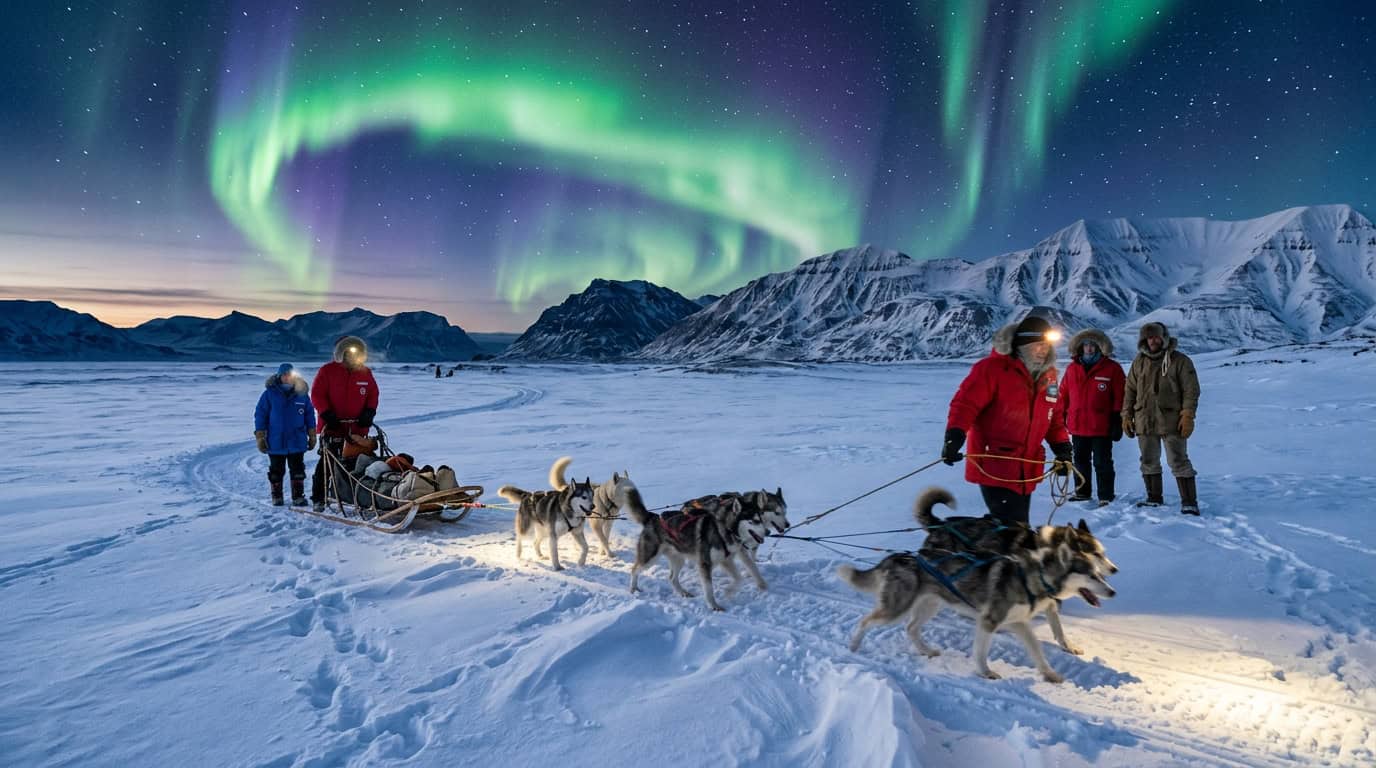
Standing on the edge of the world in the depths of a Svalbard winter, the silence is so profound I can almost hear the dance of the Aurora Borealis overhead. Whether I arrive during the velvety Northern Lights Winter or the brilliant Sunny Winter, the landscape offers a raw, frozen magic that feels like stepping onto another planet. Finding the perfect svalbard winter activities is about more than just sightseeing; it is about embracing the Arctic spirit while respecting one of the most fragile ecosystems on Earth.
I still remember the thrill of my first snowmobile safari across the vast Tempelfjorden, where the ice meets the sky in a seamless blur of blue and white. From the adrenaline of mushing my own team of huskies through Bolterdalen to the surreal stillness of an ice cave hidden deep within a glacier, every moment here is a masterclass in wonder. As new environmental regulations ensure this wilderness remains pristine for 2025 and beyond, my journey becomes part of a collective effort to explore this majestic frontier responsibly.
Key Takeaways
- Svalbard offers the rare opportunity to witness the ‘Noon Aurora’ during the Polar Night from November to February, when extreme northern latitudes allow the Northern Lights to appear in total darkness at midday.
- The ‘Sunny Winter’ transition from March to May is the optimal time for first-time visitors, providing the necessary daylight for long-distance expeditions while maintaining the frozen conditions required for dog sledding and ice caving.
- Modern Arctic exploration is shifting toward sustainability, utilizing electric snowmobiles and adhering to strict 2025 environmental regulations to protect the archipelago’s fragile ecosystem.
- Safety in the high Arctic requires professional guides equipped for polar bear protection and specialized gear designed for moisture management and extreme sub-zero temperatures.
Chasing The Noon Aurora During The Polar Night
Stepping out of my hotel at noon only to be greeted by a velvet sky studded with stars is a disorienting yet magical introduction to the Polar Night. Because Svalbard is located so far north, the sun remains well below the horizon from November to February, creating a rare phenomenon where the Noon Aurora can dance across the sky even at midday. I found myself constantly checking my watch in disbelief as vibrant ribbons of green and violet swirled above the town square during lunch hour. This constant darkness transforms the landscape into a dreamlike world where the passage of time feels entirely secondary to the celestial display. It is an experience that feels much more extreme and raw than a typical Arctic trip, offering a true sense of isolation and wonder.
To truly appreciate the silence of the high Arctic, I recommend booking a guided excursion to a remote wilderness outpost. Located away from the minimal glow of Longyearbyen, these camps provide the perfect dark sky conditions for serious aurora photography and storytelling. During my visit, we huddled inside a cozy wooden cabin while a local guide shared fascinating tales about polar bears and the rugged history of Svalbard explorers. Safety is a top priority here, as professional guides always carry polar bear protection and keep a watchful eye on the perimeter while I scan the horizon for the next light show. Sipping hot coffee by a roaring fire while waiting for the sky to ignite is a quintessential Svalbard memory that every traveler should experience.
Planning a midday aurora hunt requires a bit of preparation to ensure I stay warm and safe in the deep tundra. I always dress in multiple wool layers and high quality insulated boots, as the temperatures can drop significantly when standing still to admire the lights. Most guided tours provide heavy duty thermal suits, which are essential for the snowy trek out to the wilderness camps. It is also a good idea to bring a tripod for the camera, as capturing the Arctic light requires a steady hand and a long exposure. Even if the lights decide to be shy, the sheer stillness of the frozen valley and the camaraderie of fellow adventurers make the journey into the heart of winter completely worth it.
Snowmobile Expeditions Across The Tempelfjorden Tundra
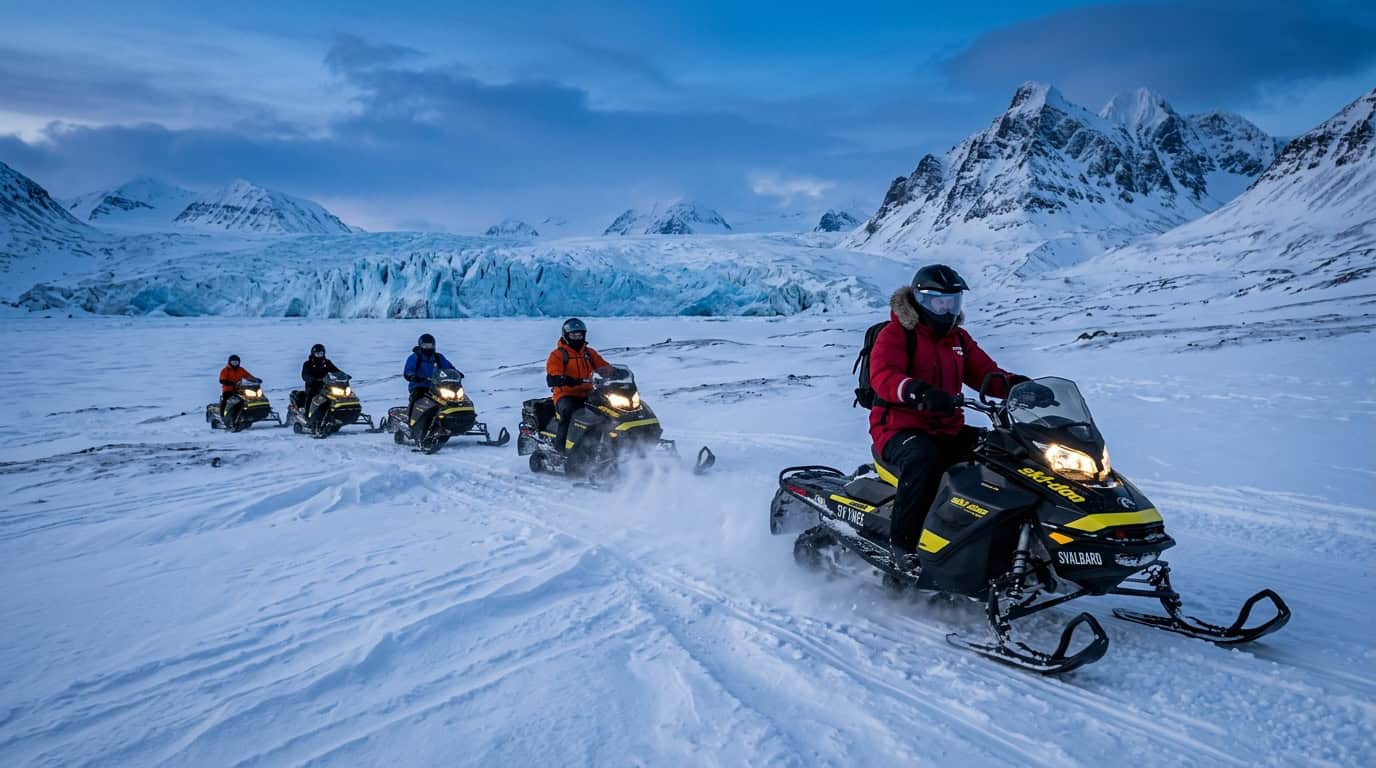
Revving the engine of a snowmobile and heading toward Tempelfjorden is an experience that makes me feel like a true Arctic explorer. As we leave the lights of Longyearbyen behind, the vastness of the frozen tundra opens up in a way that feels both intimidating and deeply inspiring. The ride takes us across massive frozen fjords where the ice is thick enough to support our weight, leading us toward the rugged landscapes of the East Coast. Gliding over the snow, I quickly realize that this is not just a tour but a gateway into one of the most remote wilderness areas on the planet. It is the ultimate adventure for those who want to see the Arctic in its rawest, most extreme form.
Safety is the top priority when venturing into the realm of the polar bear. Because we are traveling through active hunting grounds, our guides carry specialized equipment and maintain a constant watch to ensure we respect these magnificent creatures from a distance. Learning about polar bear behavior and the strict local safety protocols adds a layer of profound respect to the journey. We always move with the understanding that we are guests in a wild habitat, making every sighting a rare and humbling privilege. This careful balance of thrill and responsibility is what defines the unique spirit of Svalbard travel.
The future of these expeditions is looking brighter and quieter as the region transitions toward sustainable electric snowmobiles. Riding an electric sled across the silent tundra allows us to hear the crunch of the snow and the whistle of the wind without the roar of a traditional engine. These eco friendly machines help preserve the pristine air quality and minimize our footprint on the delicate ecosystem. As we push toward the horizon, it feels incredible to know that we are exploring this fragile landscape in a way that protects it for future generations. This shift toward green technology ensures that our Arctic adventures remain as clean as the fresh snow beneath our tracks.
Mushing Through Bolterdalen And Glacial Ice Caves
Mushing through the frozen expanse of Bolterdalen feels like stepping into a silent, monochromatic dream where the only sound is the rhythmic panting of the huskies and the soft crunch of sled runners against the snow. Unlike the more manicured trails found in other regions, Svalbard offers a raw and untamed Arctic wilderness where the vast tundra stretches toward jagged peaks under a twilight sky. As I gripped the handlebar and felt the raw power of the team pulling forward, I realized that this is the ultimate way to connect with the landscape while respecting the delicate environment. The guide will always carry a rifle for polar bear safety, a sobering reminder that I am a guest in a truly wild territory. This excursion is perfect for travelers who crave a more extreme and remote expedition than a typical winter holiday.
The adventure reaches a breathtaking peak when we reach the foot of a glacier and prepare to descend into a hidden world of sparkling blue ice. These natural meltwater channels are carved out during the summer and freeze into intricate, crystalline cathedrals beneath the heavy glacial pack during the winter months. Strapping on a headlamp and navigating the narrow, winding passages reveals layers of ancient bubbles and frozen ripples that look like glass. It is an intimate experience that feels worlds away from the wind swept surface above, offering a quiet sanctuary of deep indigo hues and frozen history. To make the most of this, I recommend booking a combined mushing and ice cave tour during the Sunny Winter months of March or April when the light returns to illuminate the glacial entrances.
When planning a trip to Longyearbyen, remember that the sheer remoteness of the Svalbard archipelago requires a bit more preparation than a standard European getaway. I dress in thick wool layers and windproof outer shells, as the temperatures in the valleys can drop significantly below freezing without warning. While the Northern Lights Winter provides a magical backdrop for midday aurora sightings, the later spring season offers the visibility needed to truly appreciate the scale of the glaciers. I always follow the instructions of local guides regarding safety and 2025 environmental regulations to ensure this pristine tundra remains protected for future explorers. Taking the time to learn about the history of the region from a mushing guide adds a rich layer of context to every mile traveled across the ice.
Historical Coal Mine Tours And Longyearbyen Cultural Gems
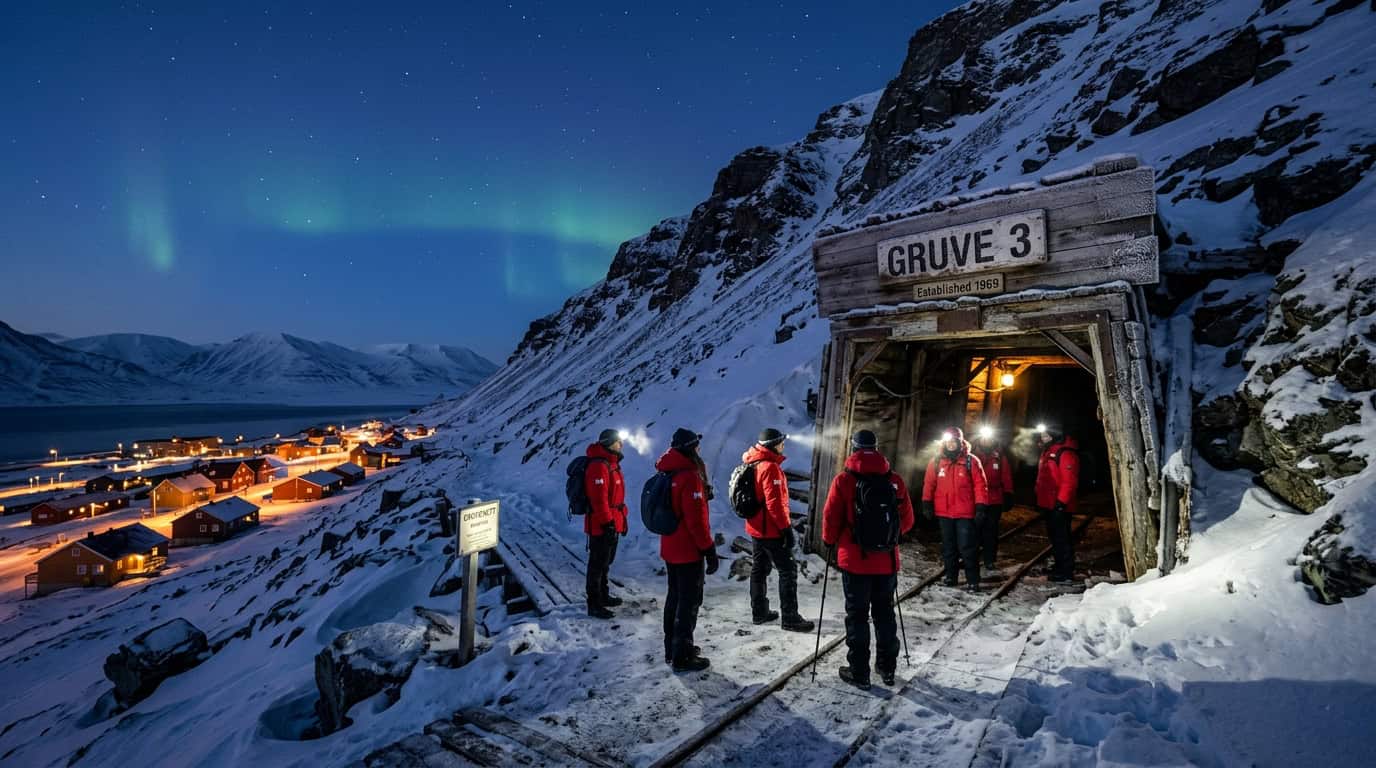
To truly grasp the industrial soul of Svalbard, I recommend descending into the dark depths of a preserved coal mine, which feels like a time capsule from a bygone era. Walking through the low tunnels where miners once toiled provides a visceral connection to the grit and determination required to survive in this extreme polar environment. I found that the silence underground creates a hauntingly beautiful contrast to the whistling Arctic winds outside. Our guide shared stories of the daily routines and the tight knit community that built Longyearbyen from the ground up. It is a sobering yet inspiring reminder that this remote outpost was founded on hard labor long before it became a hub for modern adventure.
Back in the heart of town, the Longyearbyen cultural scene offers a warm refuge from the freezing temperatures and a wealth of knowledge for history buffs. I highly recommend spending a few hours at the local museum, where I learned about the tragic whaling era and the incredible adaptations of local wildlife. Seeing the vintage trapping gear and polar bear exhibits really puts the extreme nature of this destination into perspective. For those interested in the race to the North Pole, the local expedition museum is a must visit gem filled with stories of dirigibles and daring explorers. These local landmarks do more than just provide shelter; they weave a rich narrative that makes every snowmobile expedition feel more meaningful.
Why Sunny Winter is My Top Pick
While Svalbard offers a raw and rugged Arctic experience, visiting during the Sunny Winter transition from March to May is my top recommendation for first timers. This unique window provides the perfect balance between the ethereal blue light of the polar night and the return of the golden sun reflecting off the vast glaciers. I have enough daylight for long snowmobile expeditions to the East Coast while still enjoying the crisp, snowy conditions required for dog sledding. It is a magical time when the wilderness feels most accessible, allowing me to witness the dramatic landscape without the total darkness of mid winter.
Packing for the extreme cold of seventy eight degrees north requires a serious commitment to high quality layers and moisture management. I always suggest starting with a heavy wool base layer, followed by a thick fleece or wool sweater to trap heat effectively. The outer shell must be entirely windproof and waterproof to protect against the biting Arctic winds during high speed tundra expeditions. I never forget to bring extra wool socks and chemical hand warmers, as keeping extremities warm is the key to enjoying time outdoors. High quality mittens are often better than gloves because they allow fingers to share body heat while scanning the horizon for wildlife.
Ultimately, a trip to this remote archipelago is about respecting the power of nature and the strict safety regulations that protect both visitors and the local polar bear population. I always travel with a certified guide who carries the necessary safety equipment and possesses the local knowledge to navigate the shifting glacial terrain. The silent beauty of the ice caves and the thrill of mushing a team of dogs through Bolterdalen will stay with me long after I return home. Planning a journey with a focus on sustainability and preparation ensures that the Arctic adventure is both responsible and deeply inspiring. Much like chasing the great white silence on a southern voyage, exploring Svalbard requires a deep appreciation for the world’s most isolated and pristine environments.
Frequently Asked Questions
1. When is the best time to experience the Polar Night in Svalbard?
The Polar Night occurs from November to February, a magical window where the sun never rises and the sky remains a deep velvet blue. This is the only time to witness the rare noon Aurora, where the Northern Lights dance overhead during lunch hour.
2. What should I expect when driving a snowmobile across the tundra?
Driving a snowmobile across Tempelfjorden is an exhilarating way to feel the scale of the Arctic. I navigate a seamless blur of blue and white ice, but I keep in mind that environmental regulations are in place to keep this wilderness pristine.
3. Is dog mushing difficult for beginners to try?
Mushing a team of huskies through Bolterdalen is surprisingly intuitive and deeply rewarding. I feel a powerful connection to the dogs and the landscape as I glide through the silence of the snow, guided by expert instructors who prioritize the safety of the pack.
4. What is it like to explore an ice cave inside a glacier?
Stepping into an ice cave is like entering a frozen cathedral hidden deep within a glacier. The stillness is surreal and the frozen formations are breathtaking, offering a raw look at the geological wonders that lie beneath the Svalbard snow.
5. How do the new 2025 environmental regulations affect my trip?
These regulations ensure that exploration of the high Arctic remains responsible and leaves the fragile ecosystem untouched for future generations. The journey becomes part of a collective effort to protect this majestic frontier while still enjoying its most iconic winter activities.
6. Is it really possible to see the Northern Lights at midday?
Yes, because Svalbard is located so far north, the constant darkness of the Polar Night allows the Aurora Borealis to appear even at noon. I have stood in the town square at lunchtime watching vibrant ribbons of green swirl overhead, a phenomenon not found in typical Arctic destinations. For those seeking a different kind of seasonal magic, an Estonia winter break offers a charming blend of medieval history and frozen landscapes.