
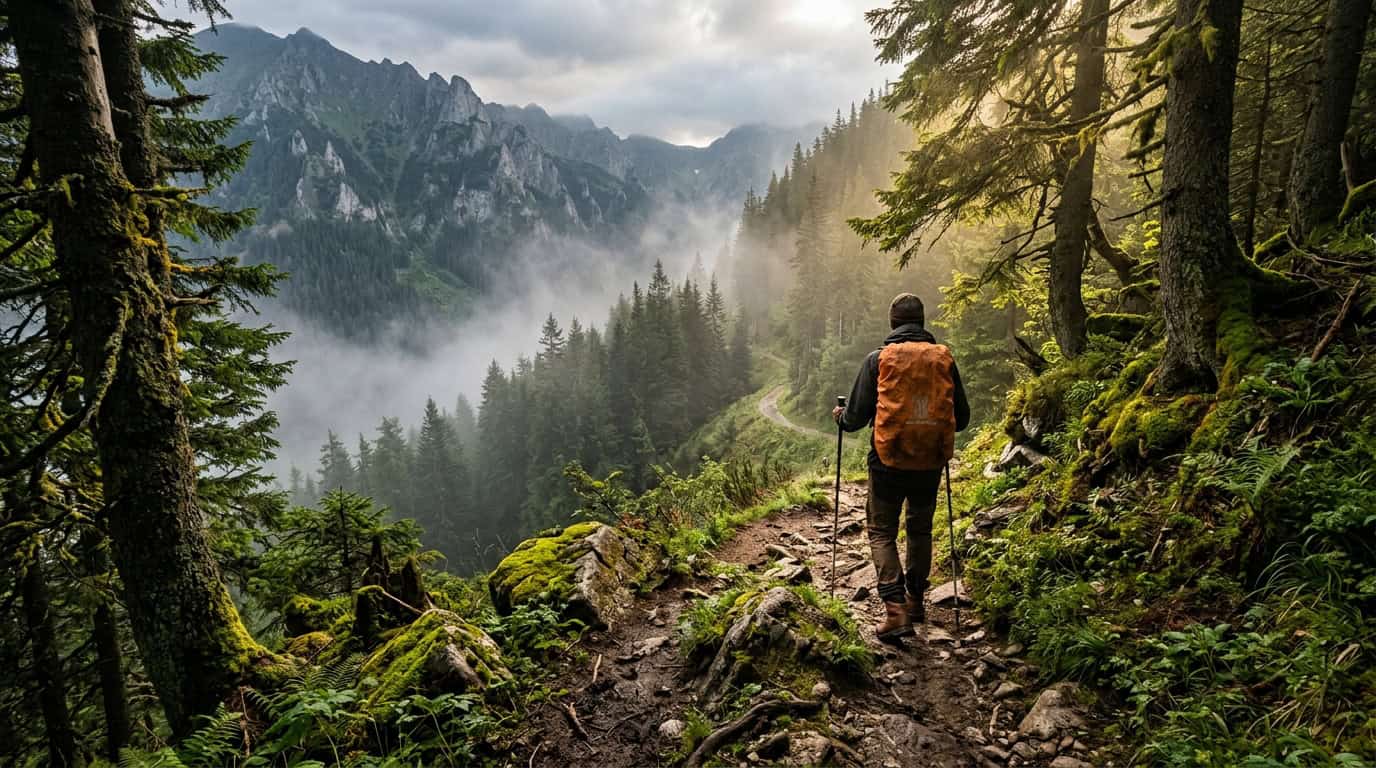
There is a profound, misty magic that settles over the Carpathian Mountains at sunrise, a sight that has kept me returning to the transylvania hiking trails year after year. As we move through 2026, this region has transformed into a world-class trekking hub where rugged, limestone peaks meet the ancient charm of medieval Saxon villages. Whether you are seeking the adrenaline of a high-altitude ridge or a quiet path through wildflower meadows, these mountains offer a rare sense of untouched wilderness that is becoming harder to find elsewhere in Europe.
I still remember the first time I stepped onto the Via Transilvanica, feeling the weight of history in every stone marker as I walked toward a distant fortified church. The recent addition of sustainable modular lodging has made these epic journeys more accessible than ever, allowing you to cross the Transylvanian Alps without sacrificing a warm bed. From the grueling ascent of Moldoveanu Peak to the gentle, rolling hills of Terra Saxonum, the scenery invites you to slow down and connect with a culture that still lives in harmony with the seasons.
Key Takeaways
- Transylvania has emerged as a premier trekking destination for 2026, offering a unique blend of high-altitude limestone peaks and ancient medieval Saxon villages.
- The introduction of a sustainable modular lodging network and eco-friendly shelters allows hikers to traverse rugged wilderness areas like the Via Transilvanica without sacrificing comfort or safety.
- The Făgăraș Mountains and Piatra Craiului provide world-class vertical challenges, including the ascent of Moldoveanu Peak, which is best tackled between July and September to ensure manageable weather conditions.
- Hiking in the Carpathians serves as a cultural immersion where travelers can explore historic fortified churches and stay in traditional Kalibash villages that live in harmony with the seasons.
Conquering The Făgăraș Mountains And The Transylvanian Alps
Stepping onto the jagged ridges of the Făgăraș Mountains felt like entering a realm where the earth touches the sky. Known as the Transylvanian Alps, this range offers a raw, vertical challenge that tested my endurance and rewarded my spirit with every grueling step. I spent my mornings navigating narrow limestone spines and my afternoons watching the mist roll over emerald valleys far below. The air at these heights is crisp and carries the scent of ancient pine and wild herbs. It is a place where nature remains untamed, demanding respect from every hiker who wanders into its rocky embrace.
The ascent to Moldoveanu Peak was the pinnacle of my journey, standing tall as the highest point in Romania at 2,544 meters. I remember the adrenaline surge as I navigated the final scramble, my heart pounding in rhythm with the wind howling across the ridge. Reaching the summit felt like a personal triumph over the rugged Carpathian wilderness, offering a panoramic view of peaks that seemed to stretch on forever. For those planning this trek, I recommend starting before dawn from the Podragu Chalet to beat the afternoon clouds. Ensure you pack plenty of water and high energy snacks, as the steep elevation gains require significant fuel for your muscles.
Beyond the physical grit, the Făgăraș range provides a profound sense of solitude that is hard to find in modern Europe. I spent hours trekking without seeing another soul, surrounded only by the whistling wind and the occasional silhouette of a chamois leaping across the scree. The trail infrastructure has improved recently with eco friendly modular shelters, but the wild essence of the mountains remains beautifully unchanged. These high altitude paths are best conquered between July and September when the snow has finally retreated from the northern slopes. It is an experience that transforms a simple hike into a legendary story of perseverance and awe.
Walking History Along The Via Transilvanica Trail
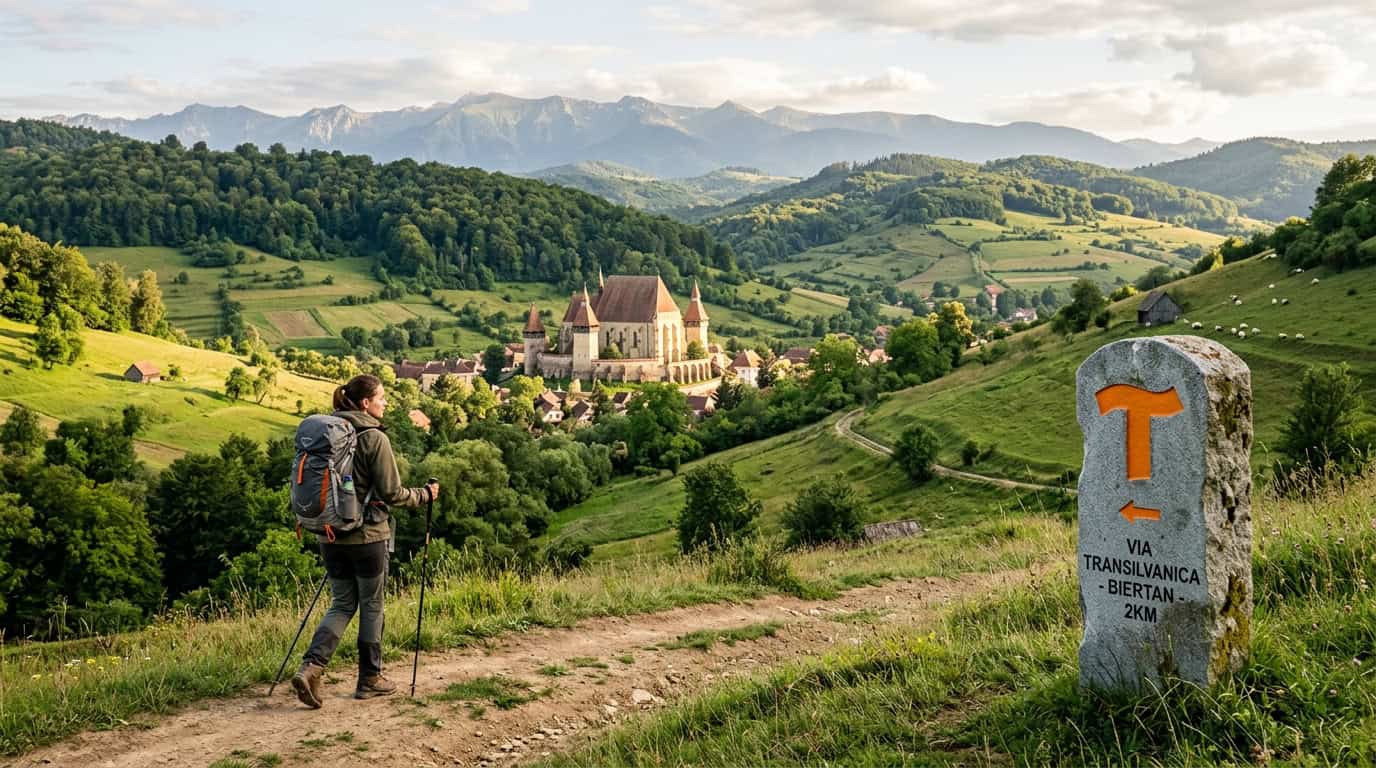
Stepping onto the Terra Saxonum section of the Via Transilvanica feels like walking directly into a living history book where the modern world simply fades away. As I navigated the rolling hills and dense oak forests, the silhouette of medieval fortified churches appeared on the horizon like ancient sentinels. These stone structures, once built to protect villagers from invasions, now serve as incredible landmarks for hikers seeking a blend of cultural depth and natural beauty. I spent my afternoons wandering through the quiet courtyards of Biertan and Malancrav, marveling at how these architectural treasures have remained virtually unchanged for centuries. The trail here is moderate and inviting, making it the perfect introduction to the Romanian wilderness without the extreme verticality of the higher peaks.
What truly surprised me during this journey was the seamless integration of the new modular lodging network designed specifically for the modern trekker. These sustainable, eco-friendly cabins are strategically placed to provide a comfortable refuge after a long day of exploring the Carpathian foothills. I found the minimalist design of these units to be a brilliant contrast to the rustic surroundings, offering a clean and cozy space to recharge without disrupting the natural environment. Staying in these pods allowed me to remain fully immersed in the forest atmosphere while enjoying the peace of mind that comes with reliable infrastructure. It is a significant improvement for solo hikers or those who prefer a bit of structure on a long-distance path.
If you are planning your own adventure along this epic trail, I highly recommend timing your trek to catch the golden hour over the Saxon villages. The way the late afternoon light hits the colorful facades of the traditional houses is a sight you will never forget. Make sure to pack a sturdy pair of boots and a reliable GPS, though the trail is remarkably well marked with its signature orange indicators. I often found myself stopping to chat with local shepherds who were more than happy to share stories about the land over a piece of fresh cheese. This connection to the people and the past is what makes the Via Transilvanica more than just a hike, as it is a profound journey through the heart of Romania.
Exploring Piatra Craiului Limestone Ridges And Kalibash Villages
The Piatra Craiului Mountains offer some of the most breathtaking scenery in the Carpathians, defined by a narrow, saw-toothed limestone ridge that gleams white against the deep green forest. Hiking here feels like stepping into a world of dramatic verticality where the trails demand respect and offer unparalleled views in return. I remember the exhilarating feeling of reaching the crest, where the wind whipped across the rocks and the entire expanse of Transylvania unfolded beneath my boots. It is a challenging environment that keeps you on your toes, but the sheer beauty of the jagged cliffs makes every ounce of effort worthwhile. For those seeking a true mountain adventure, these trails provide a rugged beauty contrast to the rolling hills found elsewhere in the region.
Descending from the high ridges leads you into the soul of the mountain at the Kalibash villages of Măgura and Peștera. These traditional hamlets are perched on the grassy plateaus, where life still moves to the rhythm of the seasons and the sound of distant sheep bells. Staying in a local guesthouse here was the highlight of my journey, offering a chance to slow down and breathe the budget friendly alpine escape air. I spent my evenings watching the sunset paint the limestone peaks in shades of pink while sipping on homemade pear brandy. These villages serve as the perfect base for day hikes, allowing you to explore the surrounding meadows before returning to a warm, home-cooked meal by the fire.
To make the most of this region, I recommend planning a three-day loop that starts in the town of Zărnești and climbs through the spectacular Zărnești Gorges. Spend your first night in Măgura to experience the authentic rural hospitality that makes this corner of Romania so special. On the second day, challenge yourself with a trek toward the Curmătura Cabin, which sits at the foot of the main ridge and serves legendary apple pie. Make sure to pack sturdy boots with excellent grip, as the limestone can be quite slippery when damp or covered in loose scree. This itinerary perfectly balances the physical thrill of the high peaks with the cultural immersion of the historic mountain settlements.
Navigating Bucegi Mountains Rock Formations And Mountain Huts
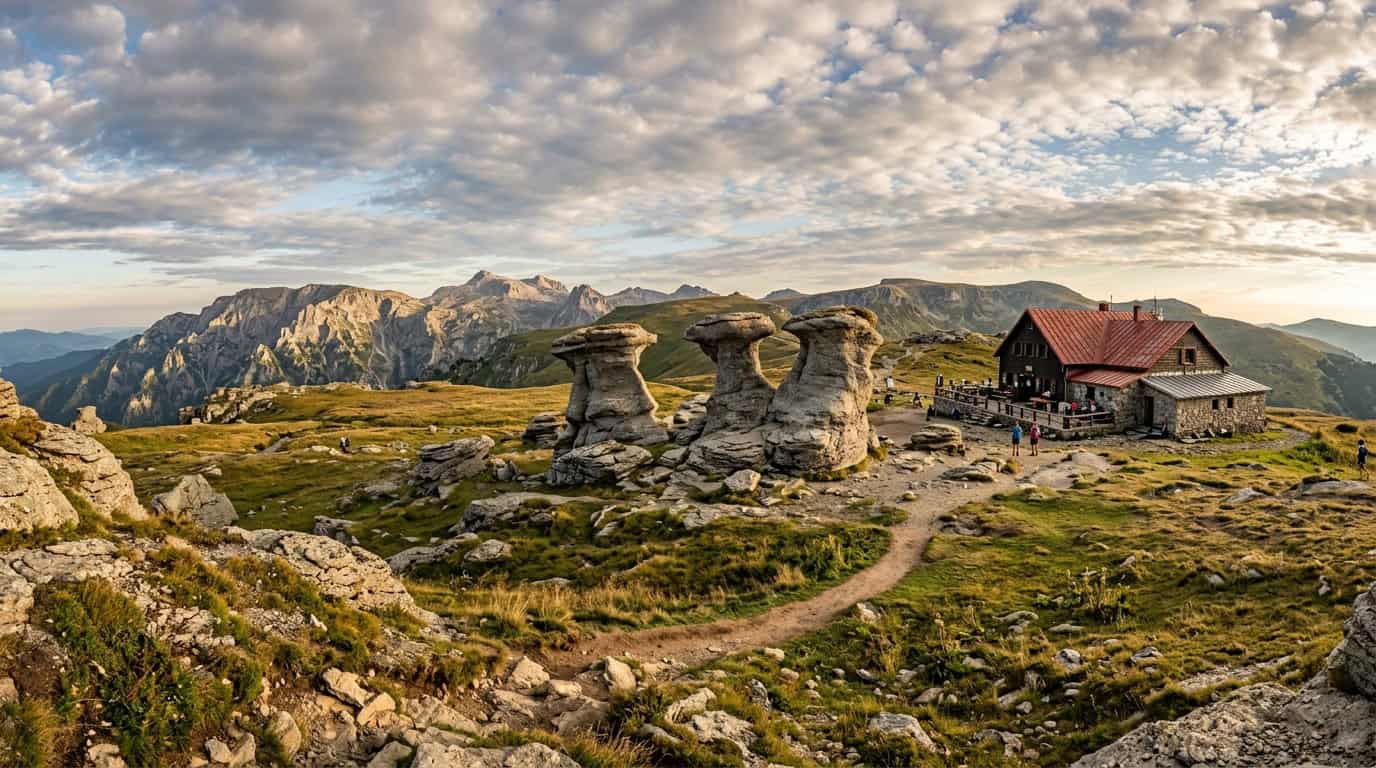
Standing atop the Bucegi plateau feels like stepping onto the set of a high-altitude fantasy novel where wind-sculpted stone giants guard the horizon. To reach the famous Sphinx and Babele rock formations, you can take the cable car from Bușteni, but I highly recommend the climb through the Jepii Mici valley for a truly immersive experience. This steep, rewarding trail winds through dense pine forests and rocky chimneys, offering glimpses of the vast Transylvanian landscape below. Once you arrive at the plateau, the natural megaliths appear suddenly through the mist, their weathered shapes inviting endless speculation about ancient civilizations. Be sure to arrive early in the morning to beat the crowds and capture the soft light hitting the stone faces.
For those seeking an authentic connection to the Carpathian spirit, spending a night at a high-altitude cabana is an essential part of the journey. Cabana Babele and the nearby Cabana Caraiman offer rustic, no-frills accommodation where the warmth comes from hearty bowls of ciorbă and the shared stories of fellow hikers. These traditional mountain huts are the heart of Romanian hiking culture, providing a cozy refuge from the unpredictable alpine weather. You should pack a lightweight sleeping liner and plenty of cash, as digital payments are rare at these heights. Watching the sunset from the porch of a remote hut, far above the city lights, is a memory that defines the rugged beauty of Transylvania.
Finding Stillness on Transylvania’s Ancient Trails
Standing atop a craggy ridge in the Făgăraș Mountains, I realized that Transylvania offers far more than just a physical challenge for the legs. There is a profound, almost spiritual stillness that settles over you when navigating these ancient forests, where the scent of pine needles and the distant chime of shepherd bells create a timeless atmosphere. Every mile I trekked along the Via Transilvanica felt like a bridge between the modern world and a legendary past, grounding me in a way that only raw nature can. These mountains do not just demand your endurance, they invite you to slow down and rediscover a sense of wonder that is often lost in our daily lives.
I encourage you to lace up your boots and experience this rugged beauty for yourself, whether you seek the high altitude thrills of the Highlands or the cultural charm of the Saxon villages. Planning your own Transylvania road trip adventure is a rewarding process that begins with a single step into some of Europe’s last truly wild places. Remember to respect the local traditions and take advantage of the sustainable lodging options that make exploring this region more accessible than ever before. Transylvania is waiting to tell you its story through its winding paths and misty peaks, so do not hesitate to begin your journey into the heart of Romania.
Frequently Asked Questions
1. What is the best time of year to hike the Transylvanian Alps?
I highly recommend visiting between late June and September when the high-altitude snow has melted and the weather is most stable. This window offers the clearest views of the jagged Făgăraș ridges and ensures the wildflowers in the meadows are in full, vibrant bloom.
2. Do I need to carry a tent to hike the Via Transilvanica?
You can leave the heavy camping gear behind thanks to the wonderful new sustainable modular lodging and local guesthouses along the route. These cozy spots allow you to experience the rugged wilderness during the day while enjoying a warm bed and a home-cooked meal every night.
3. How difficult is the climb to Moldoveanu Peak?
Reaching Romania’s highest point at 2,544 meters is a grueling, vertical challenge that requires excellent physical stamina and steady footing. While the ascent is demanding, the adrenaline surge and the feeling of standing above the clouds make every step of the journey worth the effort.
4. Are the hiking trails in Transylvania well-marked?
The paths are generally well-defined with distinct stone markers and signs, especially along the iconic Via Transilvanica. However, the mist can roll in quickly in the Făgăraș Mountains, so I always suggest carrying a reliable GPS map to navigate the limestone spines safely.
5. What should I pack for a trek through the Făgăraș Mountains?
Layering is essential because the crisp mountain air can turn chilly even in the height of summer. Be sure to pack sturdy hiking boots for the rocky terrain, a waterproof jacket for sudden mists, and a camera to capture the emerald valleys and ancient pine forests.
6. Can I experience Transylvanian culture while on the trails?
Absolutely, as many of the paths like those in Terra Saxonum lead you directly through medieval villages and past historic fortified churches. Hiking here is a unique opportunity to see a way of life that remains in beautiful harmony with the seasons and the land.
7. Is it safe to hike alone in the Carpathian Mountains?
While the trails are accessible, these are wild and untamed places where nature demands your full respect. I suggest hiking with a partner or joining a small group, particularly in the high-altitude areas where the terrain is jagged and the weather can change in an instant.