
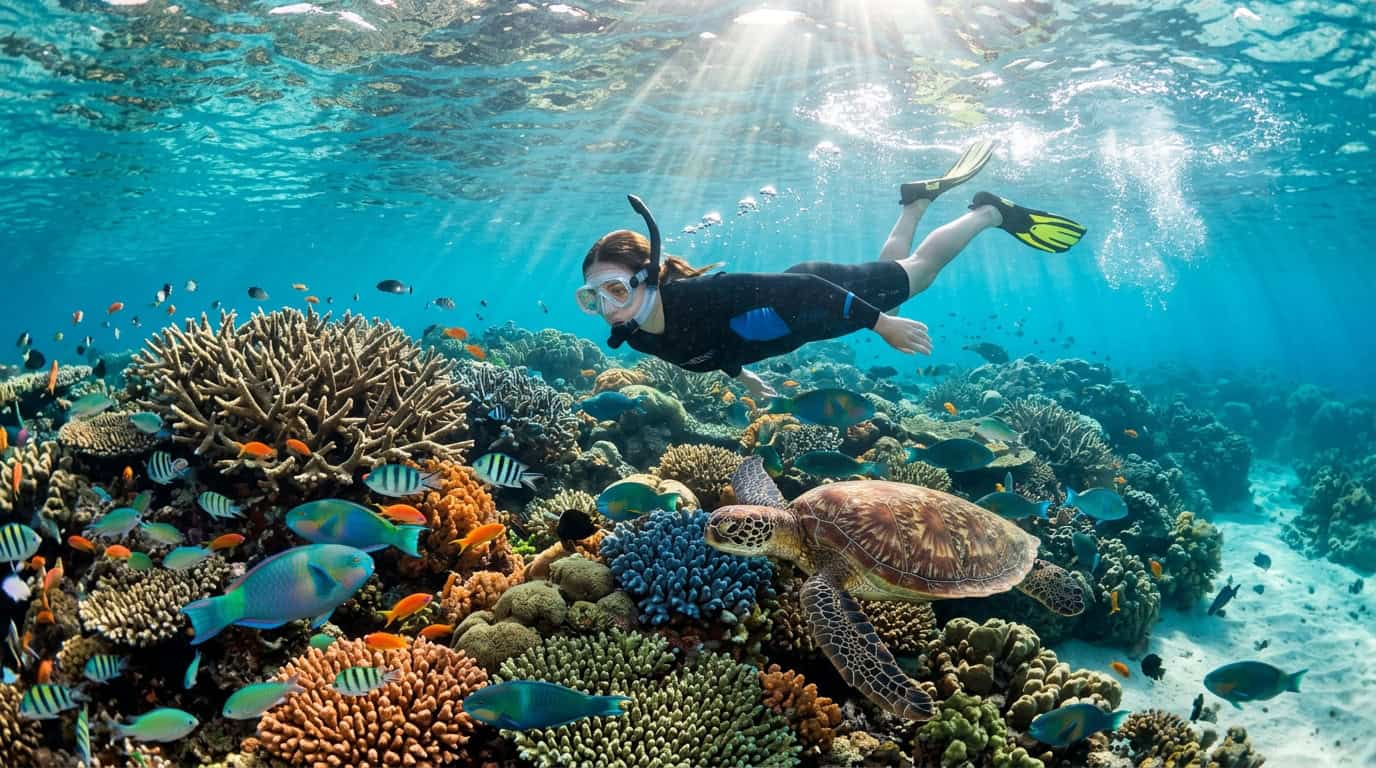
Imagine stepping off a pristine white beach and immediately finding yourself suspended over a kaleidoscope of coral and tropical fish. This is the magic of Cape Range snorkeling, where the world-class Ningaloo Reef sits just a few fin-kicks from the shore of Western Australia. After the recent passage of Tropical Cyclone Narelle, the surroundings have been dramatically reshaped into something even more breathtaking. I recently stood on the banks of Yardie Creek and watched in awe as it finally broke through the sandbar, flowing freely into the turquoise sea for the first time in years.
The park’s recovery as of mid-2026 has revealed stunning new rocky shelves and shifted dunes that make the coastline feel like a brand-new frontier. While most of the iconic campgrounds have reopened their gates, keep in mind that southern gems like Boat Harbour and One K are still healing and won’t be accessible until August. Now is a truly unique moment to visit, as you’ll witness a vibrant ecosystem in a state of beautiful transition. Whether you are drifting over the famous Mandu Mandu or exploring the newly revealed sandy pockets, the water remains as clear and inviting as ever.
Key Takeaways
- The 2026 passage of Tropical Cyclone Narelle has reshaped the Cape Range coastline, uncovering new rocky shelves and causing Yardie Creek to flow freely into the sea for the first time in years.
- Successful snorkeling at Turquoise Bay and the Oyster Stacks requires timing visits with an incoming high tide of at least 1.2 meters to ensure safe clearance over delicate coral and optimal water clarity.
- While most iconic campgrounds and snorkel sites are open, southern gems like Boat Harbour and One K remain closed for environmental healing until their scheduled reopening on August 1, 2026.
- The Ningaloo Reef offers world-class biodiversity accessible directly from the shore, allowing visitors to encounter over 500 species of fish, sea turtles, and reef sharks without the need for boat tours.
Drift Snorkeling The Turquoise Bay Current
Floating atop the crystal clear waters of Turquoise Bay feels like flying over a hidden underwater metropolis. As you wade into the southern end of the bay, the gentle current takes hold and whisks you effortlessly over expansive gardens of staghorn and plate coral. This drift is one of the most accessible ways to experience the Ningaloo Reef, offering a front row seat to a kaleidoscope of parrotfish, sea turtles, and graceful reef sharks. Unlike the crowded reefs on the east coast, the experience here feels intimate and wild, with world class marine life just a few meters from the shore. I always find myself mesmerized by the vibrant colors that seem to glow even brighter against the white sandy floor.
Navigating this stretch of coastline in 2026 requires a bit of extra attention due to the significant shifts caused by Tropical Cyclone Narelle. The sandbars at the northern end of the drift have migrated, creating new tidal patterns that can pull you slightly further out than in previous years. It is essential to enter the water at the designated drift access point and keep a close eye on the shore to ensure you exit before the current reaches the sandbar hook. I noticed that the recent breakthrough at nearby Yardie Creek has subtly altered the clarity near the shore, but the main snorkel loop remains as pristine as ever. Always check the local tide charts at the Milyering Visitor Centre to ensure you are drifting during the safest window.
The beauty of Cape Range snorkeling lies in the sheer diversity of life that thrives in these rehabilitated waters. Since the storm, I have seen an incredible resurgence of smaller reef fish inhabiting the newly revealed rocky shelves and crevices. The shifting dunes have created fresh entry points that make the walk from the parking area feel like a whole new adventure. While some southern sites like Boat Harbour are still recovering, Turquoise Bay remains the crown jewel for anyone seeking an easy yet exhilarating marine encounter. Just remember to wear plenty of reef safe sunscreen and take your time to let the current do all the hard work for you.
Close Encounters At The Oyster Stacks
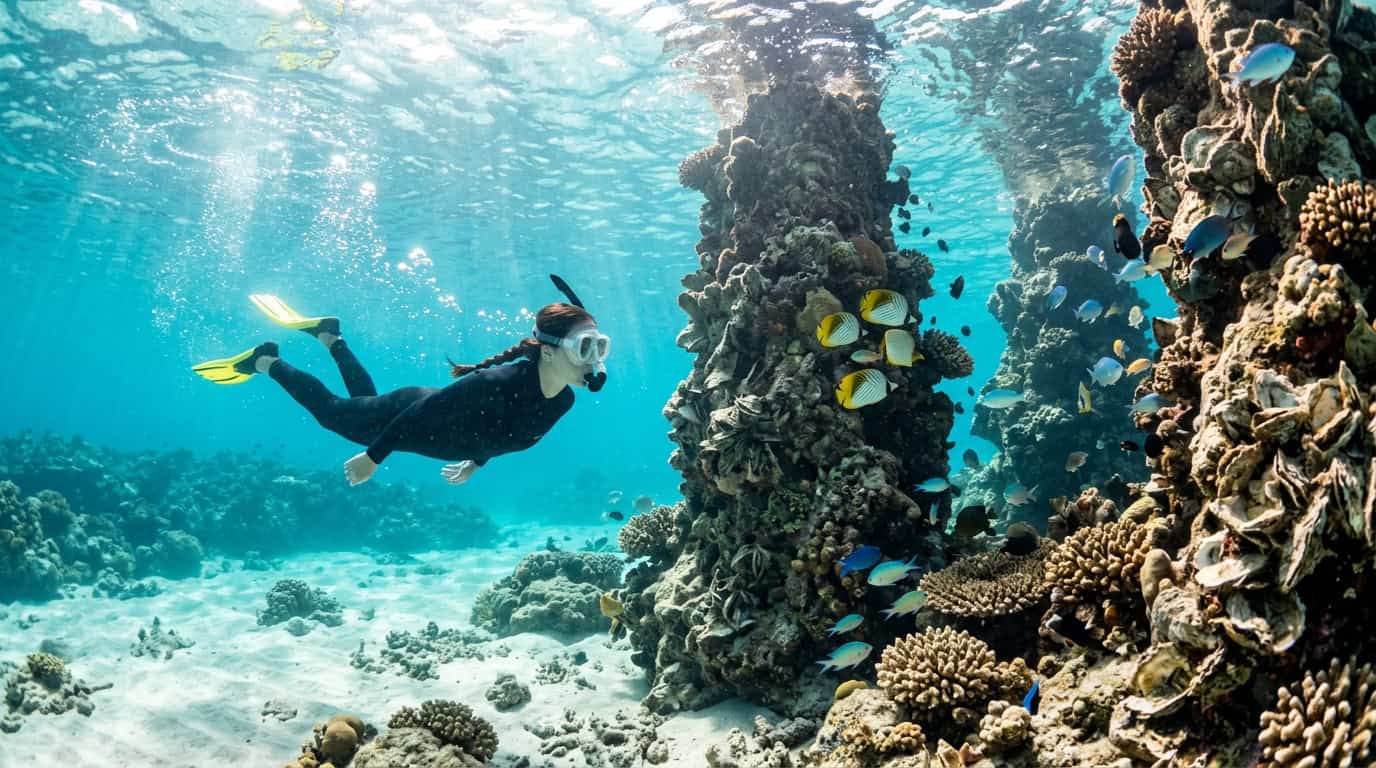
Stepping into the turquoise shallows of the Oyster Stacks feels like entering a crowded metropolitan city for fish. Because this site is part of the protected Ningaloo Coast, the density of marine life here is staggering. Recent coastal shifts following the early 2026 weather events have uncovered fresh rocky shelves, creating brand new nooks and crannies for over 500 species of colorful reef fish to inhabit. I found myself hovering just inches above the vibrant coral while schools of parrotfish and neon damselfish darted around my mask. It is an intimate experience that makes you feel like a guest in a thriving underwater community rather than just a distant observer.
The beauty of this specific spot lies in its incredible accessibility, as you can simply wander off the shore and find yourself surrounded by world class biodiversity. Unlike other famous reef systems that require expensive boat tours and long travel times, the Oyster Stacks offers a premier snorkeling experience right from the beach. I highly recommend timing your visit for a high tide of at least 1.2 meters to ensure you have enough clearance over the delicate coral structures and the newly revealed limestone ledges. Watching the tide flow back into the recently opened Yardie Creek nearby adds a sense of wonder, reminding you how dynamic this environment truly is.
Planning your day around the tides is the most important tip I can give for a successful trip to this part of Cape Range. When the water level is right, the visibility is crystal clear, allowing you to spot everything from tiny nudibranchs to majestic sea turtles gliding through the deeper channels. Since some southern areas like Boat Harbour are still recovering, the Oyster Stacks has become a true sanctuary for those seeking a quiet yet spectacular encounter with nature. It is a place where the rugged Western Australian desert meets the Indian Ocean in a spectacular display of life. Be sure to bring your own gear and plenty of water, as the raw beauty of this remote wilderness is matched only by its peaceful, uncrowded atmosphere.
Navigating The Wild Yardie Creek Coastline
The southern stretch of Cape Range National Park has undergone a breathtaking transformation, and the rugged beauty of the Yardie Creek coastline is more captivating than ever. Following the recent weather events, the iconic sandbar at Yardie Creek has finally broken through, creating a dynamic tidal flow where the freshwater meets the turquoise Ningaloo Reef. Snorkeling here now feels like exploring an entirely new world, as the shifting tides bring a fresh energy to the local marine life and the surrounding limestone cliffs. I found that timing your visit with the incoming tide offers the clearest visibility for spotting schools of fish navigating the new channel. It is a powerful reminder of how nature constantly reshapes this UNESCO World Heritage site, providing a more intimate and less crowded experience than the popular northern spots.
As we look toward the later months of 2026, the anticipation for the full reopening of the park is building among the local community and travelers alike. While some areas have been resting, the official reopening of Boat Harbour and One K is scheduled for August 1, which will unlock even more pristine shore-based snorkeling opportunities. These southern sites are legendary for their dramatic rocky shelves and expansive white dunes that have shifted into beautiful new formations after the cyclone. I recommend planning your trip for late summer or early spring to be among the first to explore these recovered waters. The wait will undoubtedly be worth it, as these secluded spots offer some of the most accessible and vibrant coral gardens found anywhere on the Western Australian coast.
Navigating this wild coastline requires a bit of preparation, but the reward is a world-class marine encounter right at your fingertips. Make sure to pack plenty of water and sun protection, as the southern end of the park feels delightfully remote and untouched. The new rocky outcrops revealed by the shifting sands have created tiny lagoons that are perfect for observing smaller reef species in shallow water. I always suggest starting your morning at Yardie Creek to witness the sunrise over the cliffs before heading further south to scout the newly accessible beaches. This area truly embodies the spirit of Ningaloo, offering a raw and authentic connection to the ocean that stays with you long after you leave the water.
Planning Your Ultimate Ningaloo Shore Adventure
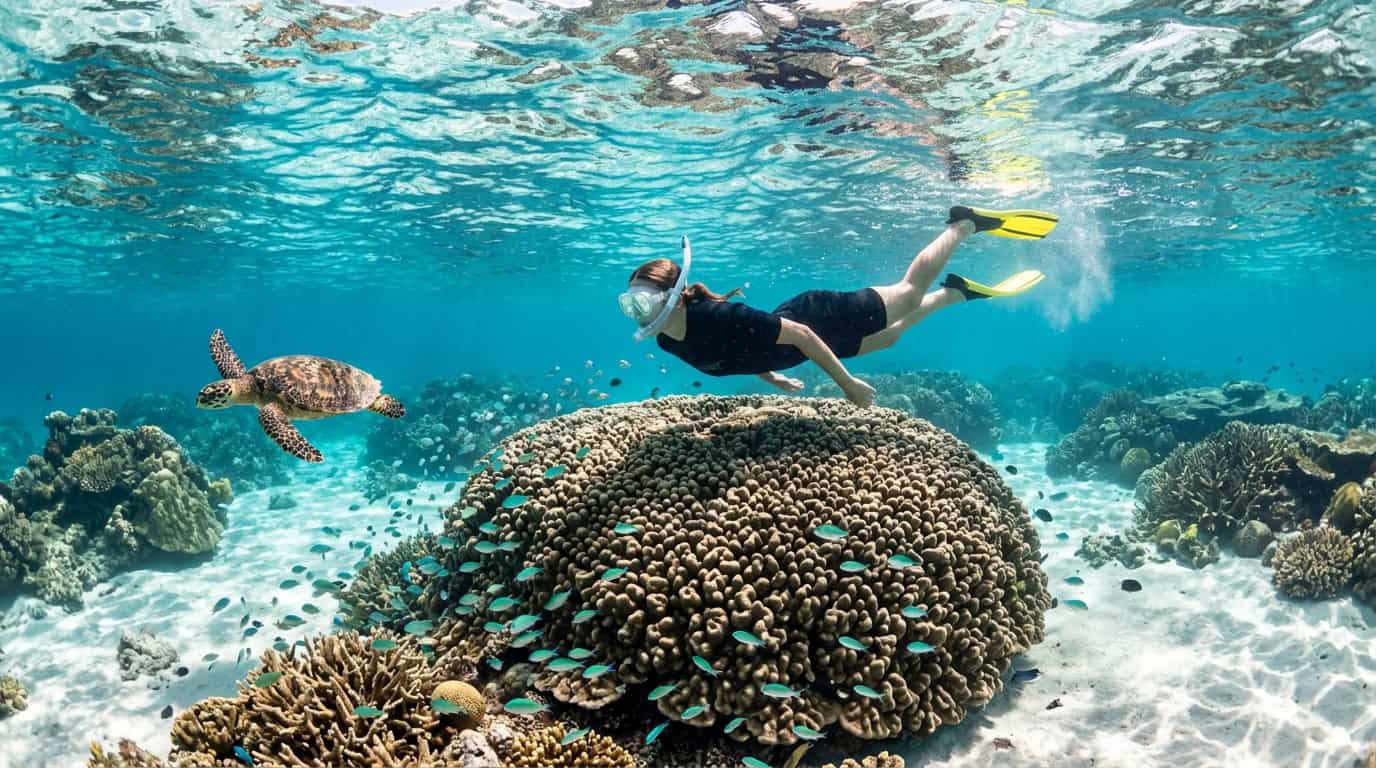
To truly master the Ningaloo shore adventure, your first stop should be the vibrant town of xmouth to secure high quality fins and a mask before driving into the park. I always recommend arriving at the Milyering Discovery Centre early in the morning to check the latest tide charts and swell conditions for the day. For the ultimate snorkeling experience, aim to enter the water during an incoming high tide when the water is clearest and the current is most manageable. This timing ensures you can drift effortlessly over the coral gardens at Turquoise Bay without worrying about shallow reef scrapes. After the recent shifts from the 2026 weather events, you will find that spots like the newly flowing Yardie Creek offer a unique perspective where the red range meets the turquoise sea.
Securing a campsite within Cape Range National Park is the secret to getting the reef all to yourself before the day-trippers arrive from town. I personally love sites like Osprey Shield or Tulki Beach because they put you just steps away from the water’s edge for a sunrise dip. Since these spots are incredibly popular, you must book your site through the official park system months in advance to ensure you do not miss out. If you are visiting after August 2026, keep an eye out for the reopening of Boat Harbour for a more secluded experience. Living out of a van or tent right on the Ningaloo Coast allows you to witness the incredible transition of colors as the sun sets over the Indian Ocean.
Exploring this UNESCO World Heritage site is a powerful reminder of why Western Australia remains a premier destination for nature lovers. The sheer accessibility of the reef means you can encounter sea turtles, reef sharks, and thousands of tropical fish just meters from the sand without needing a boat. It is a world-class bucket list destination that offers a more intimate and rugged experience than the crowded reefs found elsewhere. I invite you to pack your gear and immerse yourself in this ancient area where the desert truly meets the deep blue. This shore-to-reef magic is something every traveler should experience at least once in their lifetime.
The Magic of Ningaloo Coast
Snorkeling through the turquoise waters of Cape Range National Park is an experience that truly redefines what it means to connect with the ocean. While other reefs often steal the spotlight, the Ningaloo Coast offers a far more intimate and accessible encounter with marine life right from the shore. I have found that there is something magical about simply walking off the white sand and immediately finding myself surrounded by vibrant coral gardens and curious sea turtles. It is a world-class destination that feels like a hidden gem, providing a sense of solitude and wonder that is increasingly hard to find in popular travel spots.
The recent natural transformations in the park have only added to the allure of this rugged coastline. Following the recovery from Tropical Cyclone Narelle, sites like Yardie Creek have taken on a new life with the creek now flowing freely into the tides. You will notice that the shifting dunes have revealed fresh rocky shelves to explore, creating a scene that feels both ancient and brand new. Even with a few spots like Boat Harbour still preparing for their full return, the resilience of the reef is on full display for anyone willing to make the journey. Much like embracing the go slow lifestyle in other coastal havens, taking your time here allows you to fully appreciate the subtle details of the landscape.
Planning your visit to this UNESCO World Heritage site requires a bit of timing, but the rewards are well worth the effort. I recommend checking local updates on site accessibility before you head out, especially as the final recovery milestones are met in late 2026. Make sure to pack your own gear and plenty of water so you can spend the entire day drifting over the coral at Turquoise Bay or Oyster Stacks. This stretch of Western Australia is a testament to the beauty of the natural world, offering a peaceful escape where the desert truly meets the sea.
Frequently Asked Questions
1. When is the best time to visit Cape Range for snorkeling?
Now is a truly unique moment to visit as the ecosystem is in a beautiful state of transition following the recent cyclone. While most of the park is open, plan your trip for August or later if you want to access southern gems like Boat Harbour and One K.
2. How do I experience the drift snorkel at Turquoise Bay?
To enjoy this effortless underwater flight, simply wade into the southern end of the bay and let the gentle current whisk you over the coral gardens. It is one of the most accessible ways to see parrotfish and sea turtles just meters from the shore.
3. What marine life can I expect to see at Ningaloo Reef?
You will find yourself suspended over a kaleidoscope of tropical fish, including vibrant parrotfish and graceful reef sharks. The reef is also home to sea turtles and expansive gardens of staghorn and plate coral that glow against the white sandy floor.
4. Are the campgrounds in Cape Range National Park currently open?
Most of the iconic campgrounds have reopened their gates and are ready for visitors following the recovery of the park. Keep in mind that specific southern spots like One K are still healing and will remain closed until August 2026.
5. What makes Yardie Creek a special stop on the itinerary?
Yardie Creek has recently undergone a breathtaking transformation where the water has finally broken through the sandbar to flow into the sea. Standing on the banks to watch the red limestone cliffs meet the turquoise ocean is a powerful experience you cannot miss.
6. Is Cape Range snorkeling suitable for beginners?
The shore based snorkeling here is world class and incredibly easy to access even for those with little experience. Places like Turquoise Bay allow you to see a hidden underwater metropolis with just a few fin kicks from the pristine white beach.