
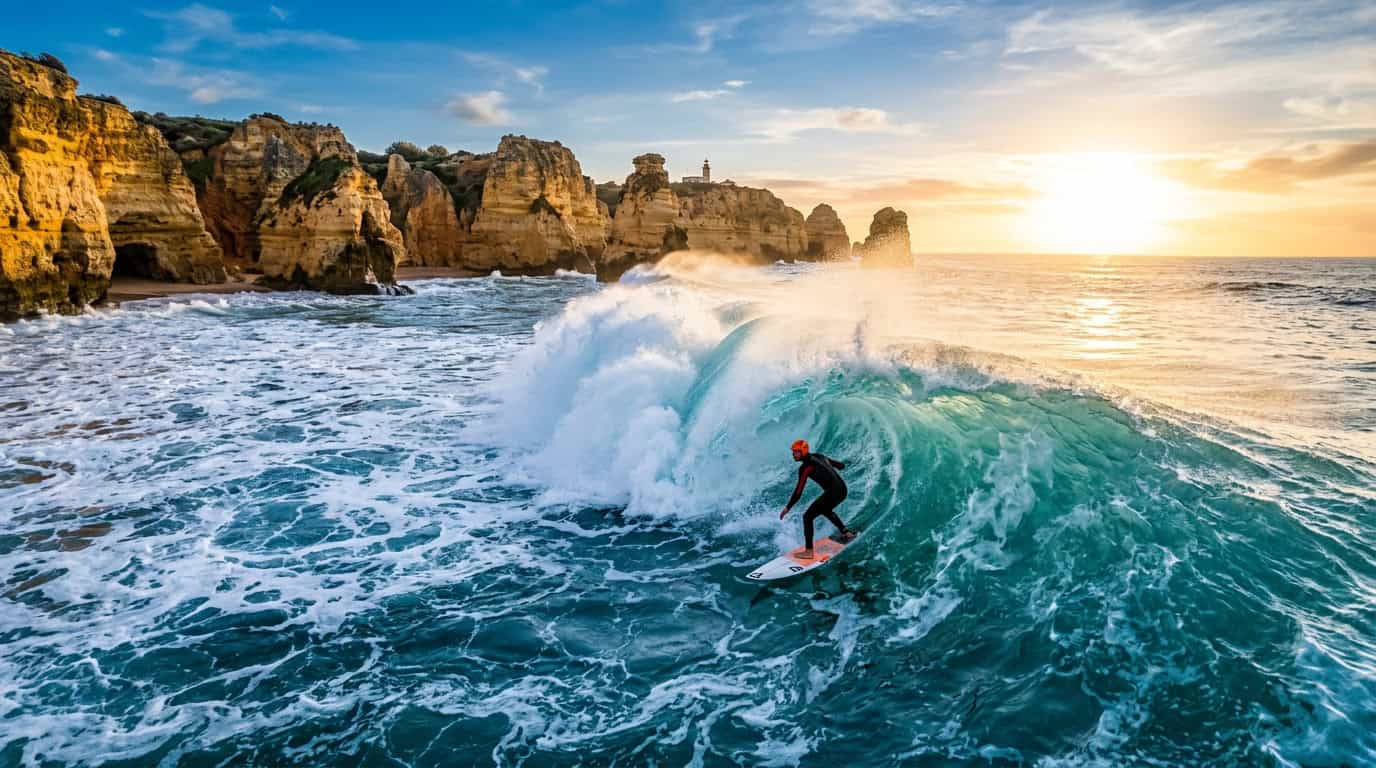
There is a unique magic in standing atop the rugged cliffs of southern Portugal, watching the Atlantic’s raw energy transform into perfect, peeling lines. Because of its jagged, dual-coastline geography, the region offers an incredible variety of algarve surfing spots that cater to every mood and skill level. Whether I’m chasing the powerful, consistent swells of the west coast or seeking the sun-drenched, glassy waves of the south, I’ve found that this corner of Europe always provides a playground for those of us who live for the water.
In 2026, the surf culture here is more vibrant than ever, blending world-class conditions with a laid-back atmosphere that feels like a second home. I still remember my first morning at Arrifana, paddling out as the mist lifted to reveal a sheltered bay that felt worlds away from the daily grind. From the expansive, uncrowded sands of Bordeira to the beginner-friendly peaks at Amado, planning a trip here means you are never more than a short drive away from a break that perfectly matches the day’s swell and your personal style.
Key Takeaways
- The Algarve’s dual-coastline geography allows surfers to switch between the raw Atlantic power of the west coast and the sheltered, glassy conditions of the south coast within a twenty-minute drive.
- Sagres serves as the ultimate strategic home base, providing instant access to different ocean conditions based on the morning wind and swell direction.
- Beginners and intermediate surfers should prioritize Praia do Amado for its consistent sandy peaks and Arrifana for its cliff-sheltered bay and manageable high-tide waves.
- Winter swells transform the south coast into a high-performance sanctuary, where spots like Zavial and Beliche offer clean, offshore breaks when the west coast becomes too unruly.
Chasing Powerful Peaks Along The Wild West Coast
Stepping onto the rugged shores of the Costa Vicentina feels like entering a different world where the raw power of the Atlantic takes center stage. I always recommend starting your journey at Praia do Amado, a versatile stretch of sand that serves as the heartbeat of the local surf scene. The beach features multiple peaks over a forgiving sandy bottom, making it a fantastic spot for us to practice our pop-ups or refine our turns. Even during the peak of the 2026 season, the atmosphere here remains incredibly welcoming with plenty of space for everyone to find their own wave. You will find that the consistent swells and local surf schools make it an essential stop for any active traveler exploring the west coast.
If you are looking for a slightly more protected environment, the stunning cliffs of Arrifana offer a picturesque sanctuary from the heavy winds. This north facing bay is a personal favorite because it caters to such a wide range of abilities, especially during high tide when the waves become soft and manageable for beginners. On bigger swell days, more experienced surfers can head to the northern end of the beach to challenge the legendary right hand point break. The village perched on the cliffside provides the perfect backdrop for a post surf meal, allowing you to soak in the views while planning your next session. It is the kind of place where the sunset seems to linger just a bit longer over the rolling whitewash.
For those who crave a sense of isolation and vast open spaces, the three kilometer stretch of Praia da Bordeira is an absolute must visit. This massive beach near Carrapateira is famous for its shifting sandbanks and powerful peaks that rarely feel crowded even on the sunniest days. I love the dramatic walk across the dunes to reach the shoreline, as it builds a sense of anticipation for the session ahead. You should be mindful of the strong currents here, but the reward is often a long, high quality ride with only a handful of others in the water. It is a wild and beautiful playground that perfectly captures the adventurous spirit of a Portuguese road trip.
Navigating The Sagres Peninsula Where Two Coasts Meet
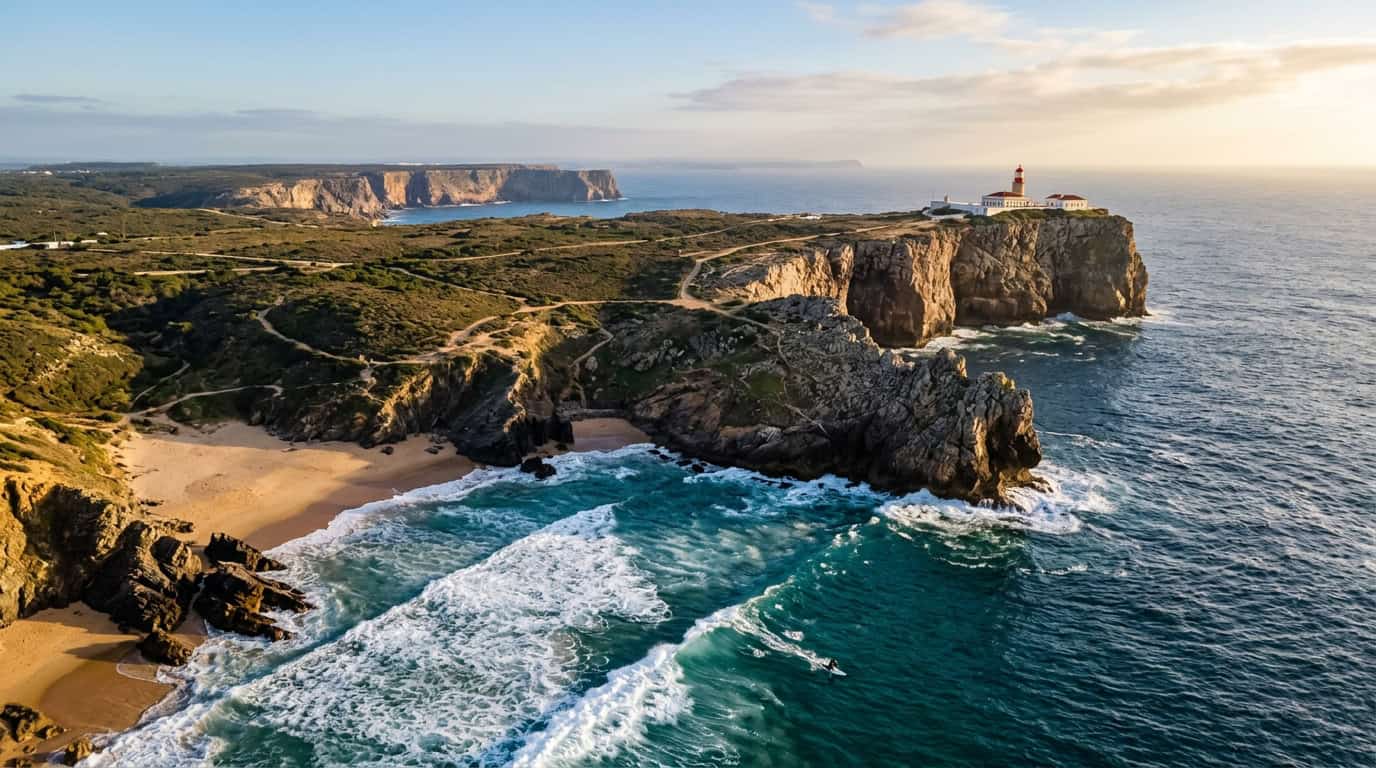
Choosing Sagres as your strategic home base is the ultimate strategic move for any surfer looking to maximize their time in the water. This rugged town sits right at the tip of the peninsula where the wild Atlantic west coast meets the more sheltered southern shore. Because of this unique geography, you can essentially choose your ocean conditions based on the morning breeze. If the wind is howling from the north, you simply drive five minutes in the opposite direction to find a clean, offshore break. It is a surfer’s playground where the geography does the hard work of filtering the swell for you.
When the massive winter swells march in from the north, I always head straight to Beliche to check for those legendary heavy barrels. Tucked beneath towering orange cliffs, this beach offers a natural amphitheater that protects the waves from harsh winds. It is a powerful, fast wave that requires quick feet and a bit of confidence, but the reward is one of the most aesthetic rides in Portugal. On days when the tide or swell is too aggressive there, I just pivot back toward the center of town. Tonel is the reliable heartbeat of the Sagres surf scene, offering consistent peaks and a sandy bottom that works for a variety of skill levels.
The beauty of navigating this peninsula is the ability to adapt your itinerary on the fly without wasting hours in a car. You can enjoy a sunrise session at Tonel, grab a coffee in the village, and then scout the west coast for a sunset session as the tide shifts. This flexibility is why the region remains a premier hub for active travelers who want to experience the raw power of the Costa Vicentina. Whether you are hunting for a technical tube or a playful urban wave, the intersection of these two coasts ensures that you rarely face a flat day. Making the most of this geography is all about understanding how the wind interacts with the cliffs to create perfect windows of opportunity.
Scoring Summer Waves And Winter Shelters In The South
When the powerful Atlantic swells turn the west coast into a chaotic mess of white water, I always point my van toward the southern shoreline to find a more refined rhythm. The south coast of the Algarve acts as a natural sanctuary, where the rugged cliffs of Sagres provide a buffer against the prevailing winds. On days when Bordeira is too unruly for most, a short drive to Zavial can reveal a perfectly groomed right-hand point break tucked neatly into a limestone cove. This area is a playground for those who know how to read the charts, as it transforms from a calm swimming beach into a high performance arena when the swell wraps around the corner. I love the contrast of the turquoise water against the golden rock walls, which makes every session here feel like a private discovery.
For those who prefer a more relaxed pace or are just starting their surfing journey, Meia Praia near Lagos offers a fantastic alternative during the winter months. This long, sandy stretch catches the larger south swells, creating manageable waves that are perfect for longboarding or practicing your pop-up without the intimidation of heavy reef breaks. I often find myself here during the early morning glass, enjoying the vast space and the easy paddle out that the south coast provides. If you are hunting for hidden surf breaks, keep an eye on the tide charts and explore the rocky outcroppings between the main beaches during a rising tide. These hidden gems come alive only under specific conditions, rewarding patient travelers with uncrowded peaks and crystal clear rides that feel miles away from the typical tourist trail.
Planning your route around these southern spots requires a bit of flexibility, but the payoff is a diverse surf experience that most visitors overlook. I recommend staying centrally in a town like Lagos or Sagres, allowing you to check the conditions on both coasts within a twenty minute drive. If the wind is blowing hard from the north, the south coast will likely be offshore and buttery smooth, offering the ideal winter shelter for a long day in the water. Don’t forget to pack a thicker wetsuit for those sunrise sessions, as the Atlantic chill can still bite even when the sun is shining brightly over the cliffs. Whether you are chasing a heavy barrel at a hidden reef or just enjoying a sunset cruise on a foamie, the versatility of the southern Algarve ensures you never have to miss a day of surfing.
Planning Your Ultimate Algarve Surf Trip Itinerary
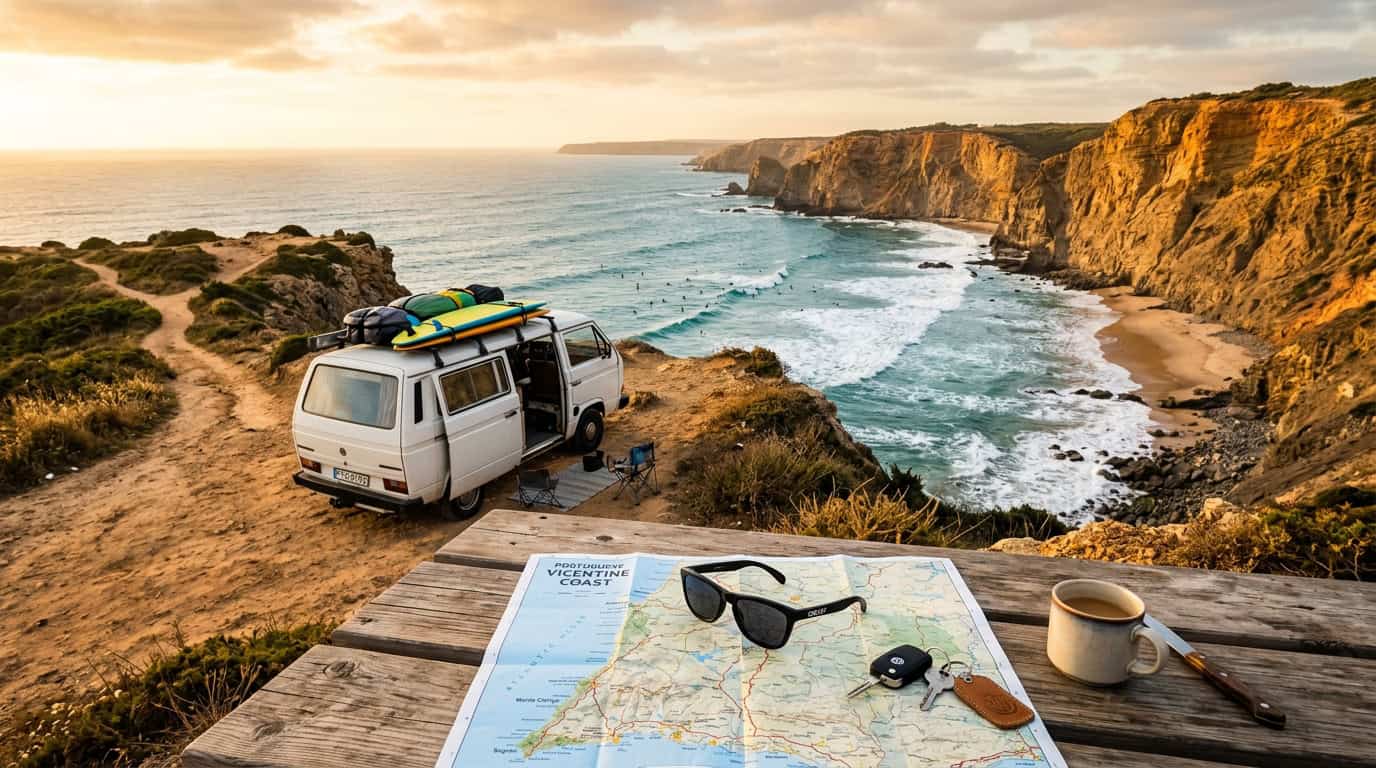
To kick off your ultimate Algarve adventure, I recommend starting on the rugged West Coast at Praia do Amado where the Atlantic energy is most palpable. You can spend your morning carving through the consistent peaks of this sandy-bottomed playground before heading up the road to Carrapateira for a well-deserved break. My favorite post-surf ritual involves grabbing a warm, flaky pastel de nata from a local bakery and finding a quiet spot overlooking the massive dunes of Bordeira. As the sun begins to dip, drive north to the cliffs of Arrifana to watch the longboarders dance on the right point break while the sky turns a fiery orange.
On the second day, your itinerary should shift toward the south-facing coast if the swell on the West Coast gets too unruly for comfort. Sagres serves as the perfect base camp, allowing you to pivot between the powerful waves of Tonel and the more sheltered, glassy conditions of Beliche within minutes. After a salty session, I love wandering through the town to find a small cafe for a hearty bifana sandwich to refuel for the afternoon. End your day at the Cape Saint Vincent lighthouse, the southwesternmost point of Europe, where the dramatic cliffs provide a front-row seat to the most spectacular sunset on the continent.
For the final stretch of your trip, head back toward the Costa Vicentina to experience the sheer scale of the landscape at Praia da Bordeira. This three-kilometer stretch of sand offers so much space that you can often find a peak all to yourself even during the busier summer months. I always suggest packing a light picnic to enjoy on the wooden boardwalks that snake through the cliffs, offering incredible views of the turquoise water below. It is the perfect way to soak in the raw, natural beauty of the Algarve while reflecting on the incredible waves you caught during your journey through this surfing paradise.
Catching Your Perfect Wave in the Algarve
There is something truly life changing about waking up to the sound of the Atlantic crashing against the golden cliffs of the Algarve. Whether you find yourself paddling out into the consistent peaks of Praia do Amado or watching the sunset over the rugged horizon of Arrifana, this coastline offers a sense of freedom that is hard to find anywhere else. The unique geography of the region ensures that you can find a wave for any skill level, making it the perfect destination to push your boundaries. Beyond the technical aspects of the surf, it is the connection to the raw, salt-misted energy of the ocean that stays with you long after you leave the water.
Now is the time to book that flight to southern Portugal. The surf culture here is vibrant and welcoming, offering a perfect blend of adrenaline-fueled mornings and laid-back afternoons in sun-drenched coastal villages. You will find that the rhythm of the tides quickly becomes your own, stripping away the stress of daily life and replacing it with a deep sense of presence. Every session in the water is a chance to reset, grow, and experience the transformative power of nature firsthand. Pack your board, embrace the spirit of the Costa Vicentina, and let the waves of the Algarve redefine your perspective on adventure.
Frequently Asked Questions
1. What are the best surf spots for beginners in the Algarve?
Praia do Amado is my top recommendation for beginners because its forgiving sandy bottom and consistent peaks create the perfect environment to practice your pop-ups. You can also head to the sheltered bay of Arrifana, where the dramatic cliffs protect the water from harsh winds and provide a gentle, welcoming swell.
2. When is the best time of year to catch the best waves?
The 2026 season continues to show that the Algarve is a year-round destination, but the west coast truly shines from autumn through spring when the Atlantic swells are most powerful. If you prefer sun-drenched, glassy waves and a more relaxed pace, the summer months offer beautiful conditions on the south coast.
3. Is it easy to find surf schools and equipment rentals in the area?
You will find a vibrant surf culture here with plenty of local schools and rental shops conveniently located right on the beaches like Amado and Arrifana. I always find it easy to grab a high-quality board and a wetsuit for a day of exploring, making it a stress-free experience for any traveler.
4. Which beach offers the most space to avoid crowds?
Praia da Bordeira is your go-to spot if you are looking for expansive, uncrowded sands and plenty of room to find your own peak. The sheer scale of the beach ensures that even during busy periods, you can still enjoy that tranquil, one-on-one connection with the ocean.
5. How do I choose between the west coast and the south coast?
The west coast is perfect if you are chasing raw Atlantic power and consistent surf, while the south coast offers a more sheltered experience. Because of the region’s unique geography, you are never more than a short drive away from switching coasts to match the day’s specific swell and your personal style.
6. What makes Arrifana such a special spot for surfers?
Arrifana feels like a hidden sanctuary where the mist lifts to reveal a stunning bay tucked beneath rugged cliffs. It offers a unique magic because the geography provides a natural shield from the elements, creating a peaceful atmosphere that makes you feel worlds away from the daily grind.