
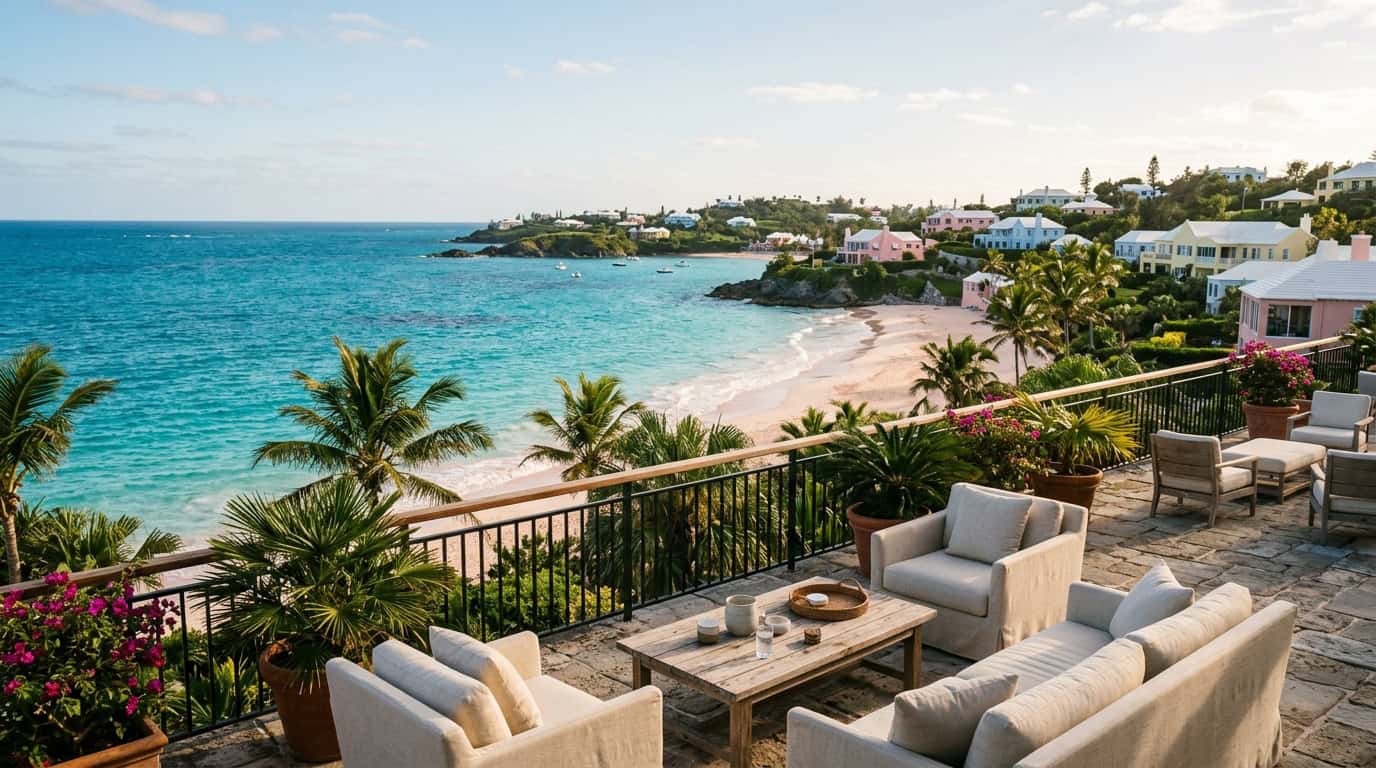
Bermuda’s pink-sand beaches, turquoise coves, and storybook lanes make every arrival feel like stepping into a postcard. I’ve found that the best Bermuda travel guide balances dreamy escapes with practical details, from getting around without a conventional rental car to choosing the right base. Whether I’m seeking reef adventures, historic streets, or slow afternoons by the sea, Bermuda makes it easy to experience a lot on one small, captivating island.
I might spend a morning wandering UNESCO-listed St. George’s, an afternoon snorkeling above coral gardens, and sunset savoring harbor views around Hamilton or the Royal Naval Dockyard. With tips on beaches, transportation, landmarks, local culture, and trip planning, you can shape an itinerary that feels both effortless and unforgettable. Pack light layers, bring your sense of adventure, and leave room for the unexpected turns that make Bermuda special.
Key Takeaways
- Bermuda is ideal for a short luxury escape, combining pink-sand beaches, turquoise water, historic towns, coral reefs, caves, and maritime attractions within roughly 21 square miles.
- Plan transportation carefully because conventional rental cars are generally unavailable; use buses, ferries, taxis, or permitted small electric vehicles, and allow extra time for schedules and cross-island travel.
- Choose your base according to your priorities: Hamilton offers dining, shopping, and central connections; St. George’s provides UNESCO-listed history and quiet lanes; the Royal Naval Dockyard suits maritime sightseeing and western-island access.
- Build a balanced itinerary around one main area at a time, pairing standout beaches such as Horseshoe Bay, Warwick Long Bay, or Tobacco Bay with snorkeling, sailing, cave visits, historic walks, and relaxed waterfront meals.
Introduction To Bermuda Travel
Bermuda is a compact North Atlantic island that feels perfectly suited to a short luxury escape. From major East Coast hubs, convenient flights can bring you beside pink-tinged beaches, turquoise water, and elegant waterfront hotels in just a few hours. I love how quickly the scenery shifts from polished marinas to quiet coves, historic lanes, and pastel-painted buildings. With about 21 square miles to explore, Bermuda makes it possible to enjoy a memorable long weekend without spending much of it in transit.
Although its beaches and warm climate may look Caribbean at first glance, Bermuda sits well north of the Caribbean and has a distinctly British-influenced character. Historic St. George’s, the Royal Naval Dockyard, and Hamilton each offer a different view of the island’s maritime past, while coral reefs, caves, and calm bays invite swimming and snorkeling. I recommend planning a mix of relaxed beach time and town wandering because Bermuda’s charm comes as much from its heritage and scenery as from its clear water. The experience feels refined, peaceful, and wonderfully different from a typical tropical resort destination.
A car-free trip is not only practical in Bermuda, it can also make the journey more enjoyable and scenic. Conventional rental cars are generally unavailable, so I rely on public buses, ferries, taxis, or permitted small electric rental vehicles. Ferries are especially useful for connecting Hamilton, the Dockyard, and other waterfront stops. If you are arriving by cruise, check your port schedule carefully and reserve time for the Dockyard’s museums, shops, and nearby beaches. The western end of the island is not a quick detour from Hamilton or St. George’s. Building each day around one main area keeps your Bermuda itinerary easygoing while leaving room for an unplanned swim or sunset stroll.
Planning A Short Bermuda Escape
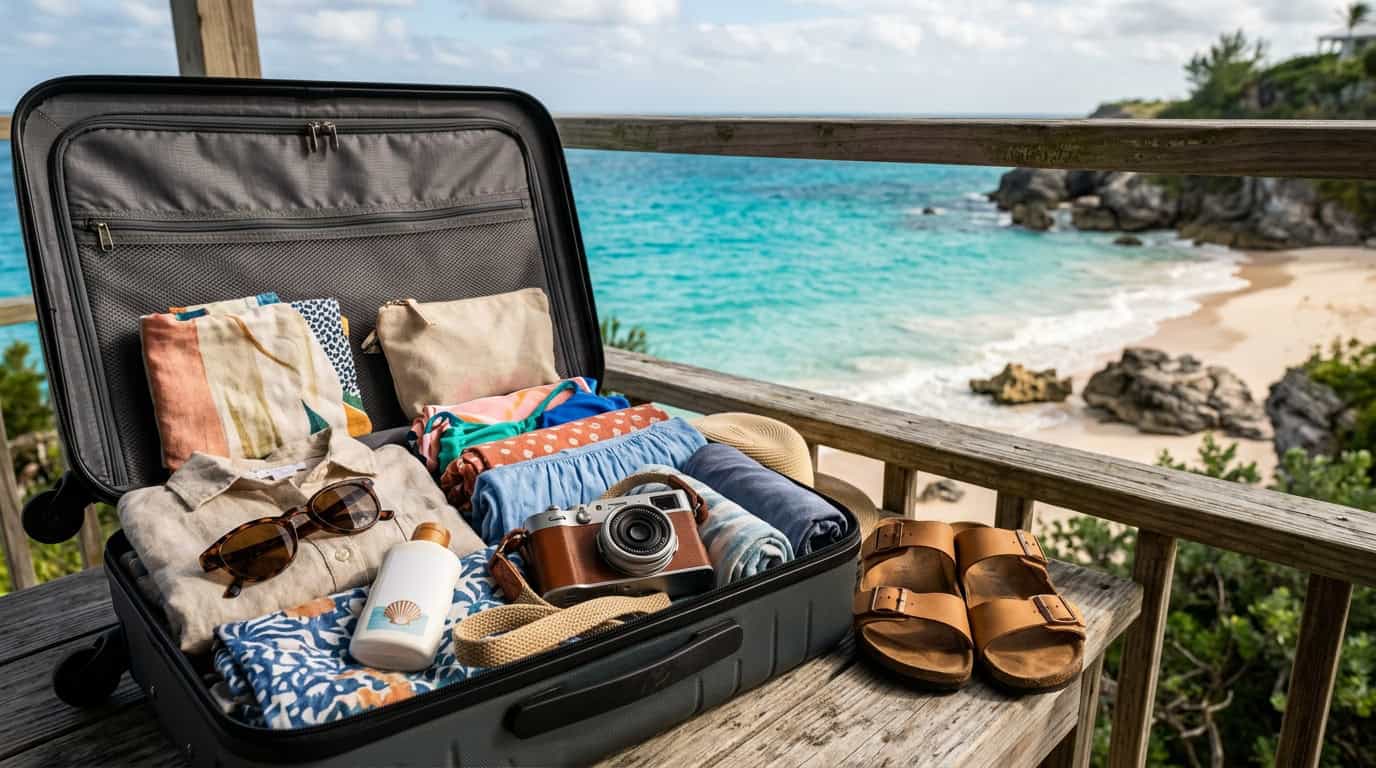
Bermuda is especially well suited to a luxury weekend escape, with direct flights from several East Coast hubs often taking roughly 1.5 to 2.5 hours, depending on the route and schedule. I find May through October ideal for warm beach weather, snorkeling, and sailing, while April and November can be excellent for sightseeing, milder temperatures, and fewer visitors. Pack a valid passport, proof of onward or return travel, and confirmed accommodation. Bermuda’s dollar is pegged to the U.S. dollar, which is widely accepted. Flight schedules and fares change seasonally, so booking early is wise if you want a Friday departure and Sunday return.
Choosing the right base can shape the whole trip because Bermuda is compact but not designed for conventional rental cars. Hamilton makes the most sense for first-time visitors who want easy ferry and bus connections, lively dining, and quick access to central beaches and attractions. St. George’s offers atmospheric lanes, historic architecture, and a quieter east-end setting. The Royal Naval Dockyard is ideal for cruise passengers, maritime history, sunset strolls, and exploring the island’s western side. I usually rely on buses, ferries, taxis, and a reserved scooter for experienced riders, allowing extra time to cross the island instead of trying to squeeze every parish into one weekend.
For two adults sharing a comfortable room, I would budget roughly $2,000 to $4,000 for a three-night weekend, including round-trip flights, lodging, meals, local transportation, and one or two paid activities. Beach time at Horseshoe Bay can be wonderfully simple, but snorkeling, sailing excursions, museum visits, and restaurant meals can quickly raise the total, especially in peak summer. Cruise travelers should check whether their ship docks at the Royal Naval Dockyard and reserve popular excursions early, since port days can make ferries, beaches, and historic sites feel busier. With a little planning, I can spend one day swimming beside pink-tinged sand, another wandering St. George’s, and still return to Hamilton for a sunset dinner before flying home.
Getting Around Bermuda Without A Car
Bermuda’s compact size makes getting around without a car surprisingly simple, especially when you plan around its reliable public transit. Pink-and-blue buses connect Hamilton with St. George’s, the Royal Naval Dockyard, and beach areas across the parishes, while ferries offer a scenic shortcut across the Great Sound. I like using Hamilton as a hub because it makes it easy to combine a morning at Horseshoe Bay with an afternoon in the historic east or west end. Check the latest schedules before setting out because evening and weekend service can be less frequent. Carry a transportation pass or exact fare for smoother boarding.
Taxis are the easiest choice from the airport to a hotel, particularly after a late flight or when carrying beach gear. They are also useful for reaching quieter coves that sit far from a bus stop. Bermuda does not generally allow conventional rental cars, but visitors can reserve small electric rental vehicles or scooters for greater flexibility, subject to local rules and availability. I recommend scooters only for confident riders because narrow, winding roads, left-side traffic, changing weather, and unfamiliar intersections can make a first ride stressful. Electric vehicles offer a calmer option for a short luxury escape, but book early and confirm where you can charge near your hotel.
Cruise visitors should check which port their ship uses, then map the ferry or bus connection to Hamilton, St. George’s, or the Royal Naval Dockyard before leaving the pier. To reach remote beaches, travel early, allow extra time for the return connection, and do not assume that a taxi will be waiting in a quiet area. My biggest Bermuda travel tip is to avoid cramming both ends of the island into a single afternoon because missed buses or ferry cutoffs can quickly turn a relaxed beach day into a race. With a little planning, you can trade traffic jams for sea views and spend more time enjoying turquoise water, historic streets, and Bermuda’s famous pink-tinged sand.
Bermuda Beaches And Water Adventures
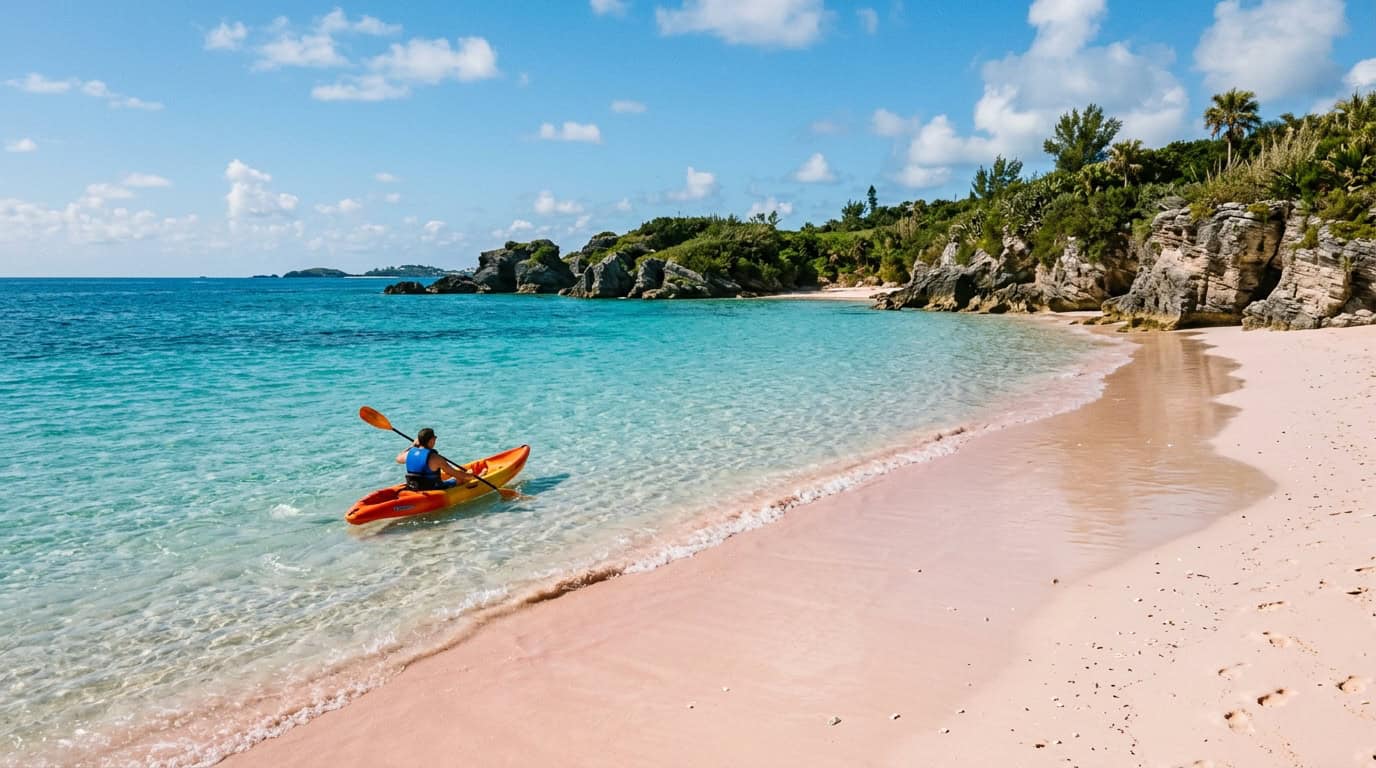
Bermuda’s pink-tinged beaches make the island feel made for a luxury weekend escape, and I start with Horseshoe Bay for its dramatic coves, soft sand, and turquoise water. Arrive early for the most peaceful swim, then follow the South Shore trail toward Warwick Long Bay, where the shoreline often feels quieter and more open. Elbow Beach offers an easy blend of beautiful scenery and convenient access, while Tobacco Bay near St. George’s is my choice for calm, shallow water and beginner-friendly snorkeling. For an even quieter stretch, explore the smaller coves along the South Shore after the morning crowds thin, while keeping an eye on changing surf conditions. I recommend choosing one standout beach for a leisurely morning rather than rushing between every photogenic viewpoint.
The island’s clear water invites more than sunbathing, from a quick reef snorkel to a half-day sailing trip across sheltered bays. I love pairing Tobacco Bay with a snorkeling session, while guided reef excursions and wreck dives reveal the vibrant underwater world farther offshore. Crystal Cave and Fantasy Cave offer a cool change of pace, with dramatic formations and underground pools that are easy to visit between beach stops. If your schedule is tight, reserve a morning boat outing and leave the afternoon for a slow lunch, a swim, or a sunset sail. That balance lets me enjoy Bermuda’s adventures without turning a short, indulgent trip into a checklist.
Planning around arrival and departure points makes beach time feel effortless, especially when a cruise call or quick flight limits your hours. The Royal Naval Dockyard is convenient for west-end excursions, while Hamilton and St. George’s provide different starting points for ferries, buses, taxis, and permitted electric minicars. Conventional rental cars are generally unavailable. Cruise visitors can make the most of a Dockyard day by booking a nearby sailing or snorkeling trip, then leaving time to explore the historic waterfront before returning to the ship. On a weekend stay, I would schedule Horseshoe Bay or Warwick Long Bay on the first full morning, a cave visit or reef excursion that afternoon, and Tobacco Bay or a sunset sail before departure. Checking beach conditions, ferry times, and excursion availability in advance helps turn Bermuda’s compact size into a genuine advantage.
Hamilton St Georges And Dockyard
Hamilton is my favorite base for a quick Bermuda escape, with colorful Front Street restaurants, independent shops, and ferries linking the city to other visitor hubs. I usually pair a morning of shopping and waterfront dining with an afternoon at Horseshoe Bay, where pink-tinged sand curves around clear turquoise water. Since conventional rental cars are generally unavailable, I plan around buses, ferries, taxis, and scooters. I check schedules before setting out because service can vary by route and season. St. George’s feels quieter and more atmospheric, with cobbled lanes, pastel buildings, and UNESCO-listed history that rewards a slow walk.
For a three-day itinerary, I would spend day one exploring Hamilton before taking a ferry or bus toward a south-shore beach. On day two, I would wander St. George’s and visit nearby historic sights. Day three would be devoted to the Royal Naval Dockyard’s museums, waterfront galleries, and maritime attractions. At the Dockyard, I like leaving time for the National Museum of Bermuda, a swim or snorkeling excursion, and a sunset meal beside the harbor. The compact island makes this route realistic, but I would avoid packing every parish into one day, especially when a beach stop turns into an unplanned afternoon in the warm shallows. That balance is what makes a short Bermuda trip feel restorative rather than rushed.
Cruise-port planning starts with knowing where the ship docks because a Dockyard arrival places you near western Bermuda’s museums and waterfront attractions, while a Hamilton arrival puts restaurants, shopping, and ferry connections immediately within reach. From the Dockyard, I would explore the historic complex first, then use a ferry, bus, or taxi for a beach or Hamilton visit, allowing generous time to return before all-aboard. From Hamilton, I would begin with Front Street and the harbor, then choose either St. George’s for heritage and quiet lanes or Horseshoe Bay for a memorable pink-sand afternoon. I always carry water, confirm the final return schedule, and keep the day’s route simple enough to leave room for Bermuda’s famously tempting detours.
Conclusion For Your Bermuda Escape
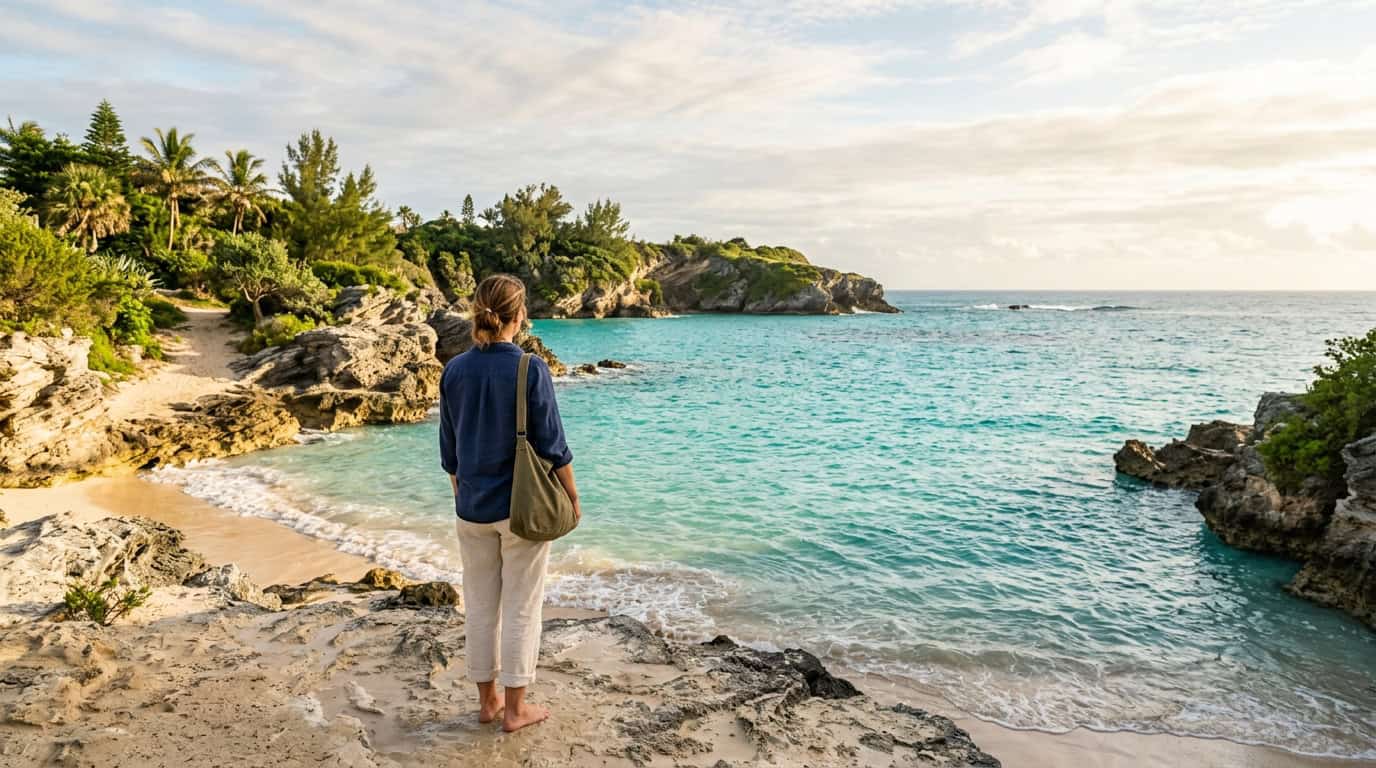
Planning a Bermuda escape starts with choosing a season that fits your priorities. The island’s warm months are ideal for swimming, sailing, and snorkeling, while spring and fall can bring a quieter, more relaxed atmosphere. Short flights from major East Coast hubs make Bermuda especially appealing for a long weekend, so I look for a schedule that leaves enough time to settle in and enjoy the island instead of rushing from one highlight to the next. Because conventional rental cars are generally unavailable, I rely on buses, ferries, taxis, or a permitted small rental vehicle to move between Hamilton, St. George’s, and the Royal Naval Dockyard. The compact size keeps transit manageable, and a ferry ride can turn transportation into a scenic part of the trip.
Beach selection is simple when I match the shoreline to the kind of day I want. Horseshoe Bay offers iconic pink-tinged sand and dramatic coves, Warwick Long Bay feels more spacious, and Tobacco Bay is a strong choice for calm water and snorkeling near St. George’s. I like pairing a beach morning with a historic walk, a leisurely lunch, or time on the water because Bermuda’s short distances make it easy to enjoy several sides of the island in one day. Comfortable shoes, reef-friendly sunscreen, and a light cover-up belong in every beach bag, especially when a swim is followed by exploring old streets or dining outdoors.
Cruise travelers should confirm whether their ship docks at the Royal Naval Dockyard, Hamilton, or St. George’s, then plan shore time around the port’s location and ferry connections. From the Dockyard, I would reserve time for maritime history and a nearby beach, while a Hamilton arrival makes it easy to combine waterfront dining with shopping, museums, or a ferry trip east. Leaving room for weather, tendering, and the return-to-ship deadline helps keep an ambitious day enjoyable instead of stressful. With a little planning, this Bermuda itinerary becomes a satisfying mix of pink sand, historic discovery, memorable meals, and unforgettable time on clear turquoise water.
Plan Your Perfect Bermuda Escape
Bermuda makes an ideal luxury weekend escape, especially with short flights from major East Coast hubs and an island compact enough to explore without rushing. I found the easiest way to get around was to combine public buses and ferries with a rental scooter, while remembering that conventional rental cars are generally unavailable. Hamilton is a convenient base for dining and shopping, St. George’s adds UNESCO-listed history, and the Royal Naval Dockyard offers museums, waterfront views, and easy access to western attractions. I still plan extra time for island transit because scenic routes and ferry schedules can shape the day as much as the activities themselves. With a little planning, moving between parishes becomes part of the adventure rather than a logistical burden.
The island’s pink-tinged beaches and clear turquoise water deserve a central place in any Bermuda travel guide, whether I am swimming at Horseshoe Bay, snorkeling from a quiet cove, or watching the evening light soften the shoreline. Cruise visitors should confirm their ship’s port, often the Royal Naval Dockyard, and reserve popular excursions early, leaving enough time to return well before departure. I recommend pairing a beach morning with a historic stop or reef adventure, then saving sunset for a waterfront meal near Hamilton or the Dockyard. Bermuda may cover only about 21 square miles, but its caves, coral reefs, historic towns, and maritime character reward travelers who slow down. For me, the best trip balances polished relaxation with practical preparation, creating a memorable escape that feels effortless and distinctly Bermudian.