

A sunrise hike in the Alps or a scooter ride along a tropical coast can become an expensive ordeal when illness or injury strikes far from home. I’ve learned that travel medical insurance can help cover unexpected emergency care, hospital stays, surgery, and other urgent costs that regular health insurance may not cover overseas. It protects my health and my travel budget when the unexpected interrupts an otherwise unforgettable journey.
Unlike trip cancellation coverage, which protects the money spent on a planned vacation, travel medical insurance focuses on care while I’m away. Before packing my bags, I check the policy’s coverage limits, exclusions, emergency assistance, and evacuation benefits so I can explore with greater confidence. A little preparation at home leaves more room to savor every mountain view, market meal, and winding road abroad.
Key Takeaways
- Travel medical insurance helps cover unexpected emergency care abroad—such as doctor visits, hospitalization, surgery, prescriptions, dental treatment, and ambulance services—when regular health insurance may provide limited or no overseas protection. It is separate from trip cancellation insurance, which protects prepaid travel costs.
- Review coverage limits, deductibles, exclusions, emergency assistance, and direct-payment procedures before purchasing a policy. Make sure the plan covers every destination, the full travel period, and planned activities such as skiing, scuba diving, trekking, or motorbike travel.
- Medical evacuation, transportation home after stabilization, and repatriation of remains are distinct benefits with different eligibility rules and limits. Confirm whether evacuation requires insurer approval, where transportation can go, and whether companion support or medical escorts are covered.
- Check pre-existing-condition rules and waiver requirements carefully, then save policy documents, emergency contacts, medical records, receipts, and claim instructions in accessible digital and printed formats. Prompt reporting and thorough documentation can make emergency assistance and reimbursement significantly easier.
Emergency Medical Coverage Abroad
Travel medical insurance can help cover the unexpected costs of getting sick or hurt abroad, from emergency doctors and hospital treatment to surgery, ambulance transportation, prescriptions, and emergency dental care. This matters because regular health insurance may offer limited overseas protection, while Medicare and Medicaid generally do not cover routine medical costs outside the United States. I think of it as a practical safety net, especially for destinations where private treatment is expensive or payment is expected upfront. Before buying, I check the policy’s coverage limits, evacuation benefits, deductibles, exclusions, and rules for pre-existing conditions.
On a coastal trip, I once watched a simple slip on wet stone turn into a painful ankle injury that required an urgent clinic visit and X-rays. The injury was minor, but arranging care in an unfamiliar town, understanding the bill, and finding transportation would have been far more stressful without a plan for emergency expenses. A sudden fever, allergic reaction, or chipped tooth can create the same kind of disruption, even when it does not ruin the entire adventure. With the right travel medical insurance, I can focus on recovering and getting back to exploring instead of worrying about every medical charge.
I also prepare for a claim before leaving home because good documentation can make a difficult situation much easier to manage. I save the policy number and emergency assistance instructions offline, carry a list of medications and relevant medical history, and ask for itemized bills, medical records, prescriptions, and receipts after treatment. Policies may exclude non-emergency care, hazardous activities, alcohol-related injuries, or conditions that were not properly disclosed, so I read the fine print rather than assuming everything is covered. That small investment in planning gives me greater confidence to enjoy the scenery, flavors, and spontaneous moments that make international travel so rewarding.
Medical Evacuation And Repatriation
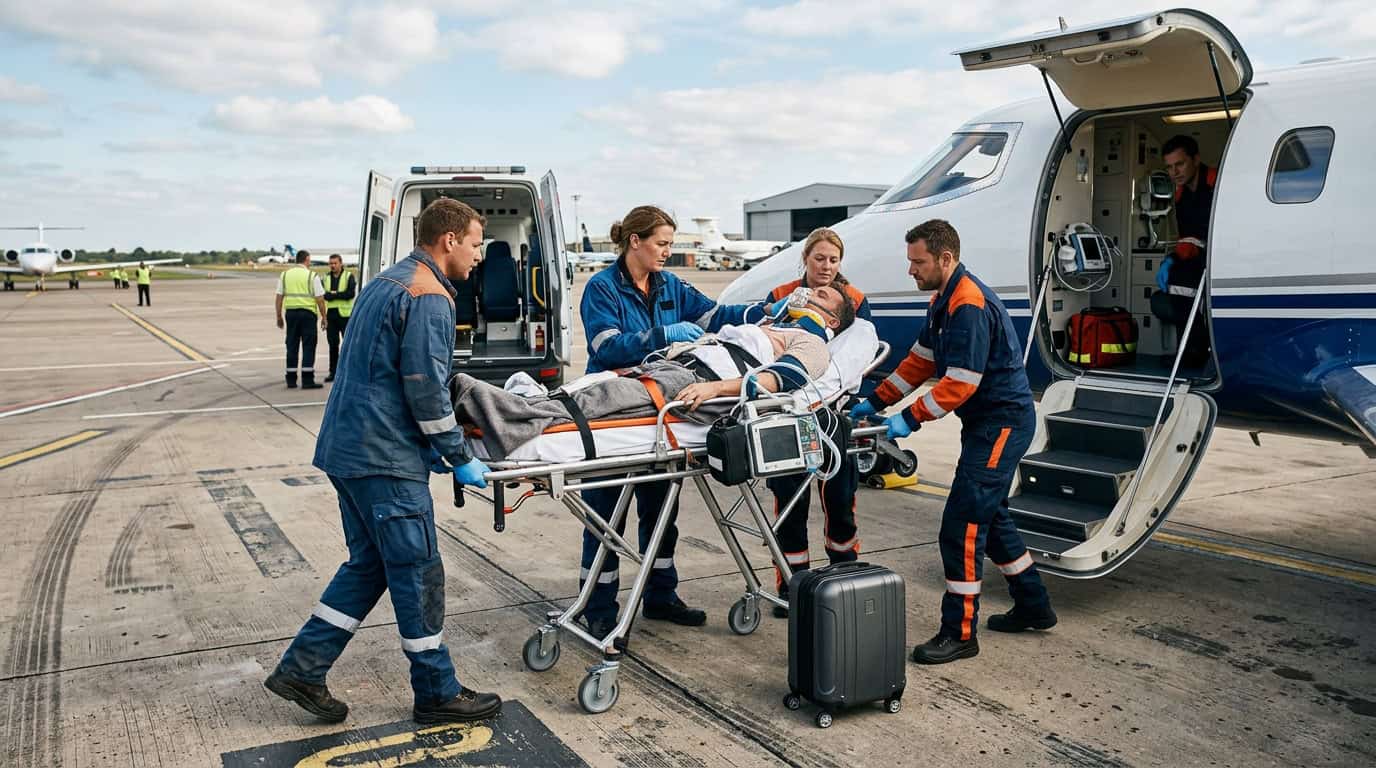
Travel medical insurance can cover more than the first hospital visit, but each benefit serves a different purpose. Local emergency treatment pays for urgent care where I am, while medical evacuation may arrange and fund transportation to the nearest appropriate facility if the local clinic cannot provide what I need. That destination may be a regional hospital rather than my preferred hospital at home, and the insurer often must approve the evacuation before it happens. I always check whether the policy includes ground ambulances, air ambulances, medical escorts, and transportation for a traveling companion.
Transportation home is a separate benefit that may apply after I am stable enough to travel, sometimes with a medical escort or a specially arranged flight. Repatriation of remains applies in the tragic event of death abroad and generally covers the necessary preparation and transportation of the body home, subject to the policy limit and local requirements. These benefits matter most when an adventure takes me far from major hospitals, such as a trek in a remote mountain region, a cruise between ports, or a rural road trip with limited medical services. Before purchasing coverage, I compare evacuation limits, geographic restrictions, and whether the policy pays for transport to my home country or only to the nearest suitable facility.
I also read the exclusions carefully, especially for pre-existing conditions, alcohol-related incidents, high-risk activities, and trips taken against medical advice. A short call with the insurer before departure can clarify whether scuba diving, skiing, climbing, or other planned activities require an upgrade, and I save the emergency assistance number somewhere I can access offline. If I need to file a claim, I keep medical records, itemized bills, police or incident reports when relevant, proof of payment, and written authorization for evacuation. Knowing these details in advance lets me focus on getting help and returning safely instead of trying to solve policy questions from a remote clinic or a ship’s infirmary.
Pre-Existing Condition Coverage
Pre-existing conditions are one of the most important exclusions I check before buying travel medical insurance. A policy may limit coverage for a condition I have been treated for, diagnosed with, or experienced symptoms of during a stated stability period, often measured in the weeks or months before departure. I look for the exact definition of “stable,” including whether medication changes, new tests, or an upcoming appointment could affect eligibility. Some plans offer a waiver, but it may require purchasing the policy soon after making the first trip payment, meeting age or coverage requirements, and completing medical documentation. I never assume a waiver applies until the policy confirms it in writing.
Routine checkups, elective treatment, and preventive care are commonly excluded because travel medical insurance is intended for unexpected emergencies, not regular healthcare. Pregnancy-related care may have limited benefits or no coverage, particularly for routine prenatal visits, childbirth, or complications after a specified week of pregnancy. High-risk activities, such as mountaineering, scuba diving, or motorbike travel, may also be excluded unless I select an appropriate adventure sports benefit. Before setting off for a colorful reef or remote mountain trail, I check whether the policy covers the activities I actually plan to enjoy, including any required safety equipment and licensed guides. Destination-specific exclusions matter too, since coverage can change for areas under travel advisories, active conflict, or severe medical access restrictions.
I also pay close attention to exclusions involving alcohol, drug use, and travel against medical advice. An insurer may deny a claim if intoxication contributed to an accident or if I ignored a doctor’s instruction not to travel, so I keep medical advice and relevant records with my trip documents. To make a future claim smoother, I save receipts, hospital reports, prescriptions, proof of payment, and the insurer’s emergency assistance number in both digital and printed formats. Reading these details before paying for a policy helps me compare protection based on my real itinerary, health history, and destination rather than on the headline benefit alone. That preparation lets me focus on the journey, from bustling markets to quiet coastal roads, with a clearer understanding of what help may be available if plans take an unexpected turn.
Choosing A Travel Medical Policy

When I compare travel medical insurance, I start with the coverage limit for emergency doctor visits, hospital stays, surgery, and medical evacuation, then check the deductible I would pay before benefits begin. I also look for 24-hour emergency assistance that can help locate appropriate care, coordinate transportation, and communicate when language becomes a barrier. Direct hospital payments can make a stressful situation easier, but I confirm whether the insurer pays the facility directly or expects me to pay first and file a claim. A low premium may seem appealing, yet a small medical limit or high deductible could leave me exposed after one unexpected night in a hospital.
The right policy should match the details of my itinerary, including every destination, the full travel period, and any activities I have planned. I read exclusions carefully for pre-existing conditions, routine care, alcohol-related incidents, and adventure sports such as scuba diving, skiing, or trekking at high altitude because standard coverage may not apply. Some destinations also require proof of specific medical coverage or evacuation benefits before entry, so I check official requirements before buying. If my trip includes several countries or a remote region, I choose protection that remains valid throughout the journey and offers realistic evacuation support where I will be traveling.
I treat travel medical insurance and trip cancellation insurance as separate tools. Medical coverage helps with unexpected care abroad, while cancellation coverage may protect prepaid, nonrefundable trip costs when a covered reason forces me to stay home or cut the trip short. Before departure, I save the policy number, emergency assistance contacts, receipts, medical records, and a copy of my passport somewhere secure and accessible offline. I also ask how quickly I must report an incident and which documents are required for a claim. Whether I am wandering through crowded markets or hiking far beyond the nearest clinic, choosing coverage around the actual itinerary gives me more confidence to enjoy the journey rather than simply choosing the cheapest plan.
Travel Freely With Thoughtful Medical Coverage
Thoughtful travel medical insurance planning gives me more than financial protection. It gives me the freedom to explore with fewer worries. A policy can help with unexpected emergency care, hospital treatment, surgery, evacuation, and other urgent costs that ordinary health coverage may not fully handle abroad. Before choosing coverage, I review exclusions, coverage limits, destination requirements, adventure activities, and how pre-existing conditions are treated, since those details can shape whether a claim is covered. I also remember that travel medical insurance generally protects against unexpected medical expenses, while trip cancellation coverage addresses money lost when a journey must be canceled.
Before departure, I save a digital and printed copy of my policy, emergency assistance numbers, claim instructions, and important medical records. I make sure a trusted travel companion can find these documents too, especially if I am unable to speak for myself during an emergency. Knowing whom to call, which receipts to keep, and how quickly to report an incident can make a stressful situation easier to manage. With those preparations in place, I can focus on the color, flavor, and quiet surprises of a new destination, confident that I have taken sensible steps to protect both my finances and my journey.