
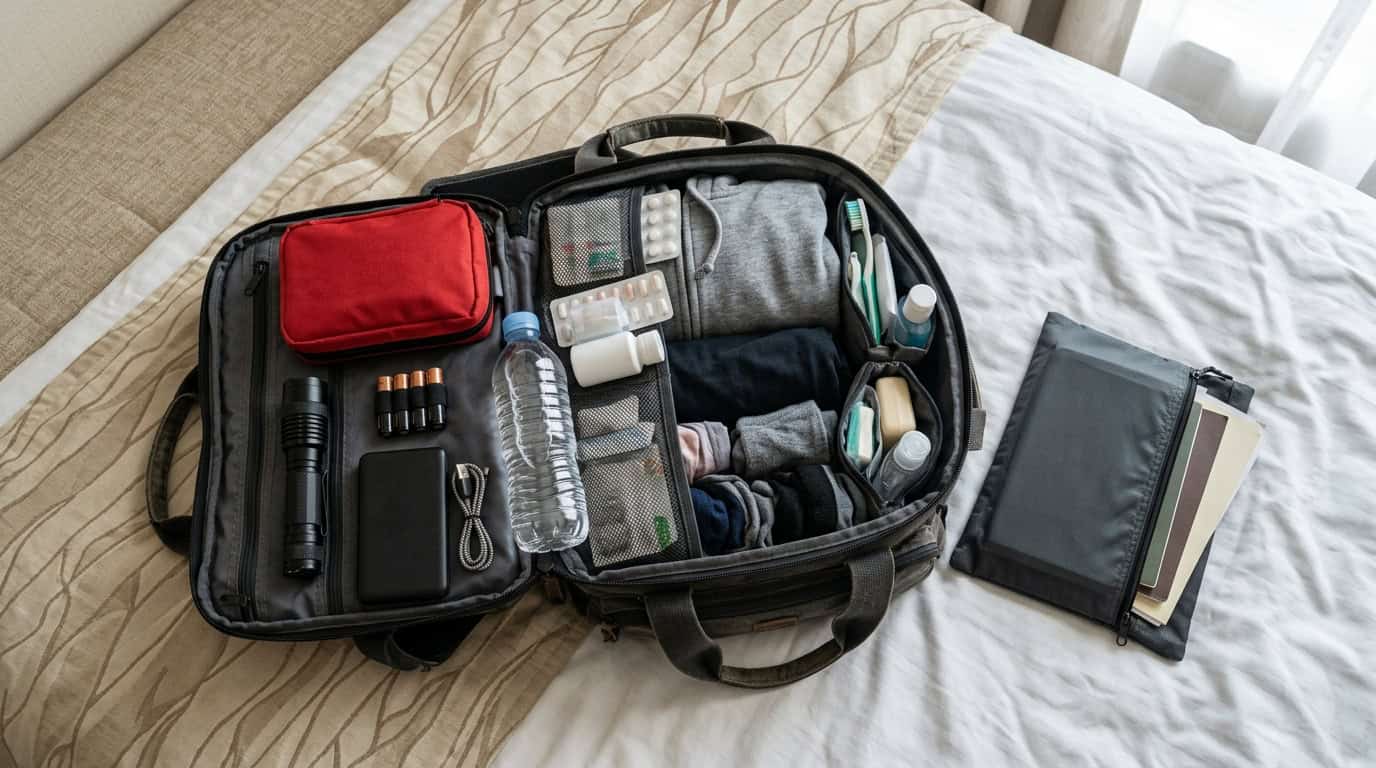
A passport problem, sudden illness, or canceled flight can turn a dream trip into a stressful scramble within minutes. I use a travel emergency checklist to keep essential documents, contacts, medications, and backup plans close at hand, so I can respond calmly instead of searching for answers in an unfamiliar place. A few minutes of preparation before departure can make all the difference when the unexpected happens.
From saving the local emergency number to noting the nearest hospital and U.S. embassy or consulate, small steps create a stronger safety net. I also check destination health notices, entry requirements, and travel alerts before packing my bags. With the right information ready, I can spend less time worrying about what might go wrong and more time enjoying the streets, scenery, and experiences that brought me there.
Key Takeaways
- Research your destination before departure: check travel advisories, entry requirements, health notices, local emergency numbers, nearby medical facilities, and U.S. embassy or consulate contacts.
- Protect essential documents, medications, and finances by carrying secure copies, keeping prescriptions in original containers in your carry-on, packing backup payment methods, and storing digital records separately from originals.
- Prepare clear response plans for lost passports, stolen wallets, medical emergencies, canceled transportation, and missing baggage, including who to contact and which records or receipts to retain.
- Maintain communication backups by sharing your itinerary with a trusted contact, downloading offline maps and translation tools, keeping a charged power bank, and carrying a printed emergency card with key medical and contact details.
Travel Emergency Checklist Introduction
A travel emergency checklist gives me a simple, printable safety plan to rely on when a dream trip takes an unexpected turn. Instead of trying to think clearly during a stressful moment, I can follow prepared steps for a lost passport, canceled transportation, sudden illness, injury, or dead phone. This guide is written with U.S. travelers in mind, especially those exploring international destinations where local systems, emergency numbers, and languages may be unfamiliar. I recommend printing a copy, saving a digital version, and sharing essential details with someone I trust at home.
Before departure, I use the checklist to research my destination’s entry rules, travel advisory, health guidance, local emergency number, and nearest medical facilities. I also record embassy or consulate contact information, keep copies of important documents, and confirm how I will access money if my wallet or cards disappear. A few minutes spent organizing these details can make it easier to respond calmly while navigating a crowded airport in Tokyo, a remote road in Costa Rica, or a busy train station in Rome. The goal is not to expect trouble, but to feel more confident knowing I have a plan.
Every journey has its own rhythm, so I adapt this checklist to my itinerary, activities, medications, and health needs. A hiking trip may require additional weather and injury planning, while a multi-country itinerary may call for several embassy contacts and transportation backups. I revisit my list before each departure and update it whenever plans, prescriptions, insurance details, or contact information change. With those preparations in place, I can spend more energy enjoying new flavors, unfamiliar streets, and the small surprises that make travel memorable.
Destination Research And Emergency Contacts
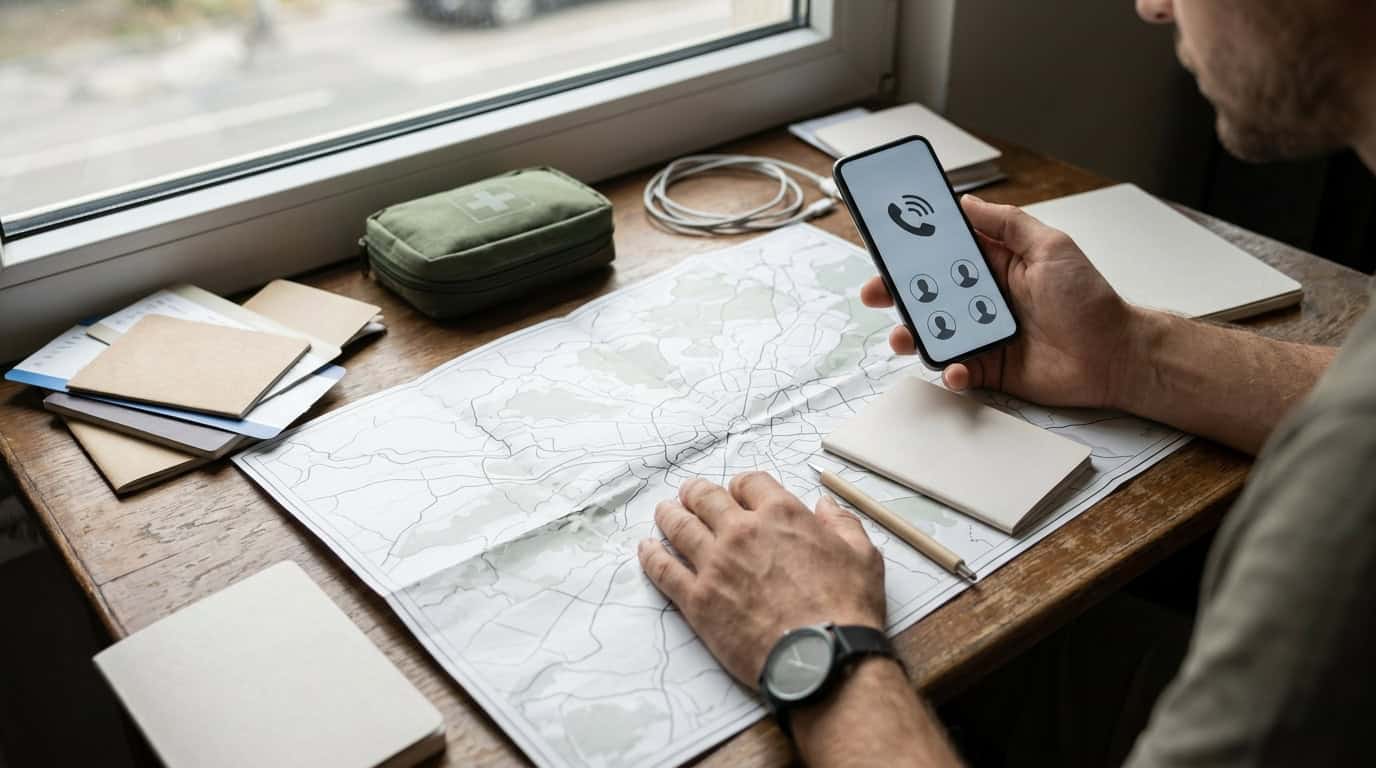
Before I leave, I check the U.S. Department of State destination page and note the current Travel Advisory level, entry and visa requirements, passport-validity rules, local laws, and embassy or consulate details. I also review regional warnings involving crime, terrorism, protests, severe weather, natural disasters, or areas I should avoid. This research helps me plan with confidence, whether I am navigating a busy capital, a remote coastal town, or a mountain region far from major services. I save the embassy’s contact information offline and keep a printed copy with my important travel documents in case my phone is lost or my connection fails.
Health planning is just as important, so I review the CDC destination page and current Travel Health Notices before departure. I look for vaccination or medication guidance, outbreak information, environmental hazards, and details about local medical care. I then identify the country’s emergency number, the nearest reputable hospital and pharmacy, and any medical evacuation options covered by my insurance or travel plan. Saving these details in my phone and writing them on a small emergency card means I will not have to search for help while sick, injured, or dealing with a disrupted journey.
A few offline tools can make a stressful situation much more manageable once I arrive. I download maps of my destination, save key addresses in the local language, and install an offline translation tool before boarding the plane. I also keep digital and paper copies of my passport, visa, insurance information, prescriptions, and emergency contacts, storing them securely and separately from the originals. If transportation is canceled or my documents go missing, these backups give me a clear next step instead of leaving me stranded. Before departure, I test everything in airplane mode so I know the maps, translations, and contact information will work without mobile service.
Documents Money And Essential Supplies
I keep my passport, required visas, travel insurance details, prescriptions, vaccination records, and emergency contacts together in a secure digital folder and a slim document pouch. Before departure, I check that my passport meets the destination’s validity rules and save the nearest embassy or consulate contact information. I also make paper and digital copies of every essential document, then store them separately from the originals, such as in my carry-on, luggage, email, and a password-protected cloud account. This separation can make a stressful replacement process much easier if a bag disappears or a phone stops working. I include a trusted contact at home who can access the copies if I cannot.
Money problems can turn a small delay into a major travel emergency, so I carry at least two backup payment methods stored in different places. I bring a modest amount of local currency for taxis, meals, or transit when card machines are unavailable, while keeping most of my funds secured separately. My carry-on also holds a compact first-aid kit with bandages, antiseptic wipes, pain relief, and any destination-specific supplies I may need. I pack prescription medications in their original labeled containers, along with a copy of the prescription and enough medication to cover delays. I never place them in checked luggage. A charged power bank and charging cables stay within reach, helping me access maps, translation tools, reservations, and emergency contacts when outlets are scarce.
For medical necessities, I review the latest TSA guidance before flying because rules can differ for liquids, equipment, and specialized supplies. TSA generally permits medically necessary medications and liquid treatments in reasonable quantities, but I keep them clearly labeled, easy to remove, and supported by a doctor’s note when appropriate. I pack spare lithium batteries and power banks in my carry-on, not checked baggage, and confirm any airline-specific limits before leaving home. A quick final check of these supplies gives me confidence to enjoy the journey, from a sunrise train ride to a quiet meal in a new neighborhood, without being caught unprepared. Rechecking the destination’s entry, health, and airline requirements shortly before departure keeps the checklist current.
Response Plans For Travel Disruptions
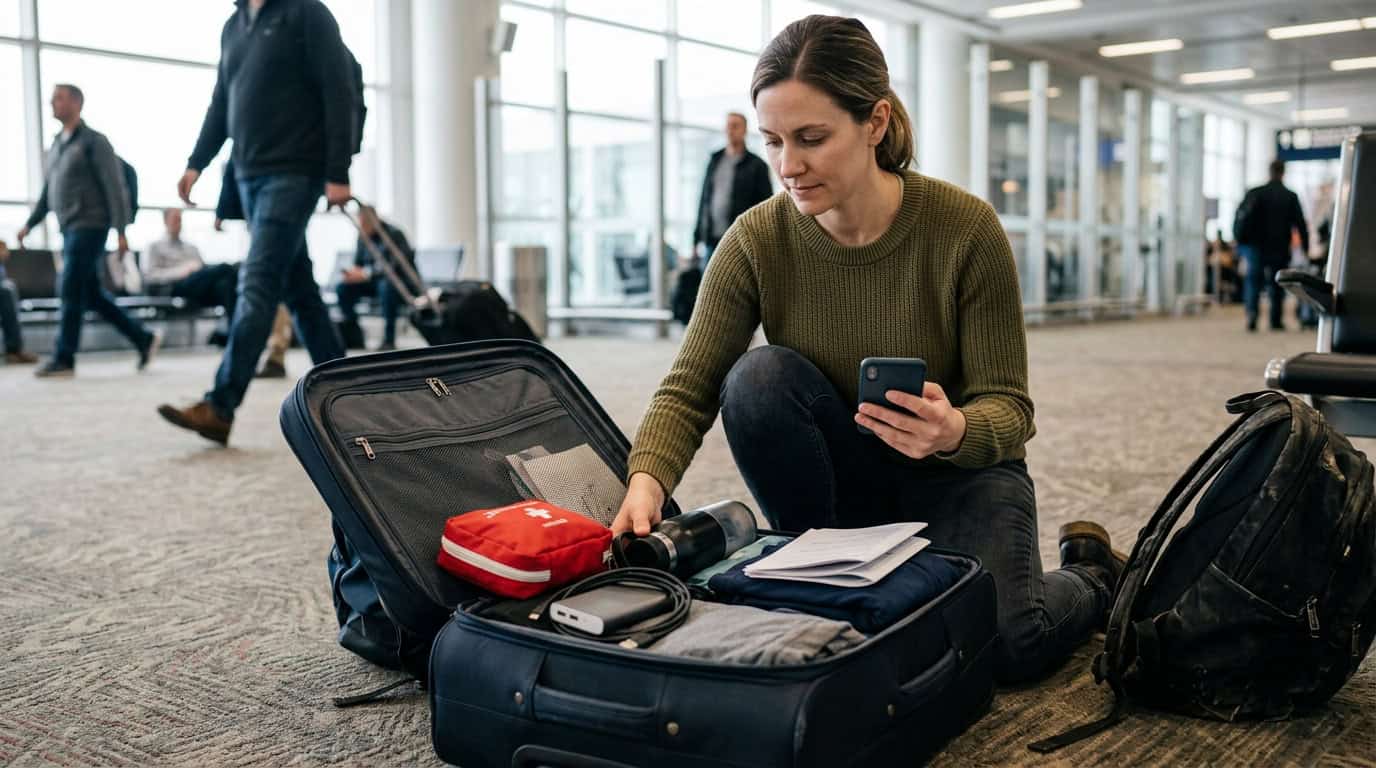
When I lose a passport abroad, I first move to a safe place, report the loss or theft to local police, and ask for a written report. Next, I contact the nearest U.S. embassy or consulate to learn how to apply for an emergency passport, using a digital copy of my identification and passport details if available. For a stolen wallet, I immediately freeze my cards, notify my bank, change important passwords, and ask a trusted person at home about emergency funds or document support. I also call my travel insurer if theft, replacement costs, or emergency assistance may be covered. Keeping these contacts and copies in both a secure cloud folder and offline storage can turn a stressful moment into a manageable checklist.
Transportation problems call for quick, organized communication, so I contact the airline first about a missed connection, canceled flight, or delayed departure. I ask about rebooking, meals, lodging, and written confirmation. I save boarding passes, receipts, cancellation notices, and messages because an insurer may need them for reimbursement. If my baggage is missing, I file a report with the airline’s baggage desk before leaving the airport, keep the claim number, and document essential purchases. During a hotel evacuation, I follow staff instructions and local emergency guidance, take only essential items if time allows, and contact my trusted person at home once I am safe. Local authorities handle immediate safety, while the hotel and airline address lodging or transportation arrangements.
Health emergencies deserve prompt attention, especially when a familiar clinic or pharmacy is far away. I use the destination’s local emergency number for urgent illness or injury and contact a reputable medical provider. I notify my travel insurer as soon as practical, ask what care and evacuation services are covered, and keep copies of diagnoses, prescriptions, bills, and discharge instructions. A U.S. embassy or consulate can help identify local resources, contact family, and assist with certain communication needs, but it cannot pay medical bills or guarantee transportation home. I share my location and basic plan with someone I trust, then follow medical advice rather than trying to continue the itinerary. With these steps saved on my phone and printed in my travel documents, I can focus on getting safe and returning to the journey when I am ready.
Communication And Offline Backup Plans
I prepare for communication problems before I leave because a beautiful destination can feel overwhelming when my phone has no signal or the battery warning appears. I download maps, lodging details, transportation confirmations, travel insurance information, and copies of my passport and identification so I can access them without Wi-Fi. I also save the destination’s local emergency number, since not every country uses 911, along with the address of a nearby hospital, clinic, and pharmacy. A portable charger stays in my day bag, and I keep a small amount of cash in case digital payments or ATMs are unavailable. These simple backups give me more freedom to explore while reducing stress when plans change.
I share my itinerary with someone I trust before departure and include my flight or train details, lodging addresses, planned destinations, and copies of important documents. I let that person know when I expect to check in, especially during long transfers, solo excursions, or travel through areas with limited service. To prepare for language barriers, I save key phrases in the local language and keep my accommodation address written in both English and the local script. I also create a communication card that can speak for me if I am sick, separated from my phone, or unable to explain my needs clearly:
- Full name and nationality
- Emergency contact names and phone numbers
- Allergies and important medical conditions
- Current medications and dosages
- Travel insurance policy and assistance details
- Lodging name, address, and phone number
- Destination emergency number
I print the card, keep a copy in my wallet, and store a secure offline version on my phone. I place another copy with my passport backups and send the details to my trusted contact at home. Before heading out each morning, I check that my phone is charged, my offline files open correctly, and my day’s route is available without a connection. This small routine helps me stay calm through missed connections, lost documents, illness, and unexpected detours, so I can focus on the adventure waiting beyond the next street.
Travel Emergency Checklist Conclusion
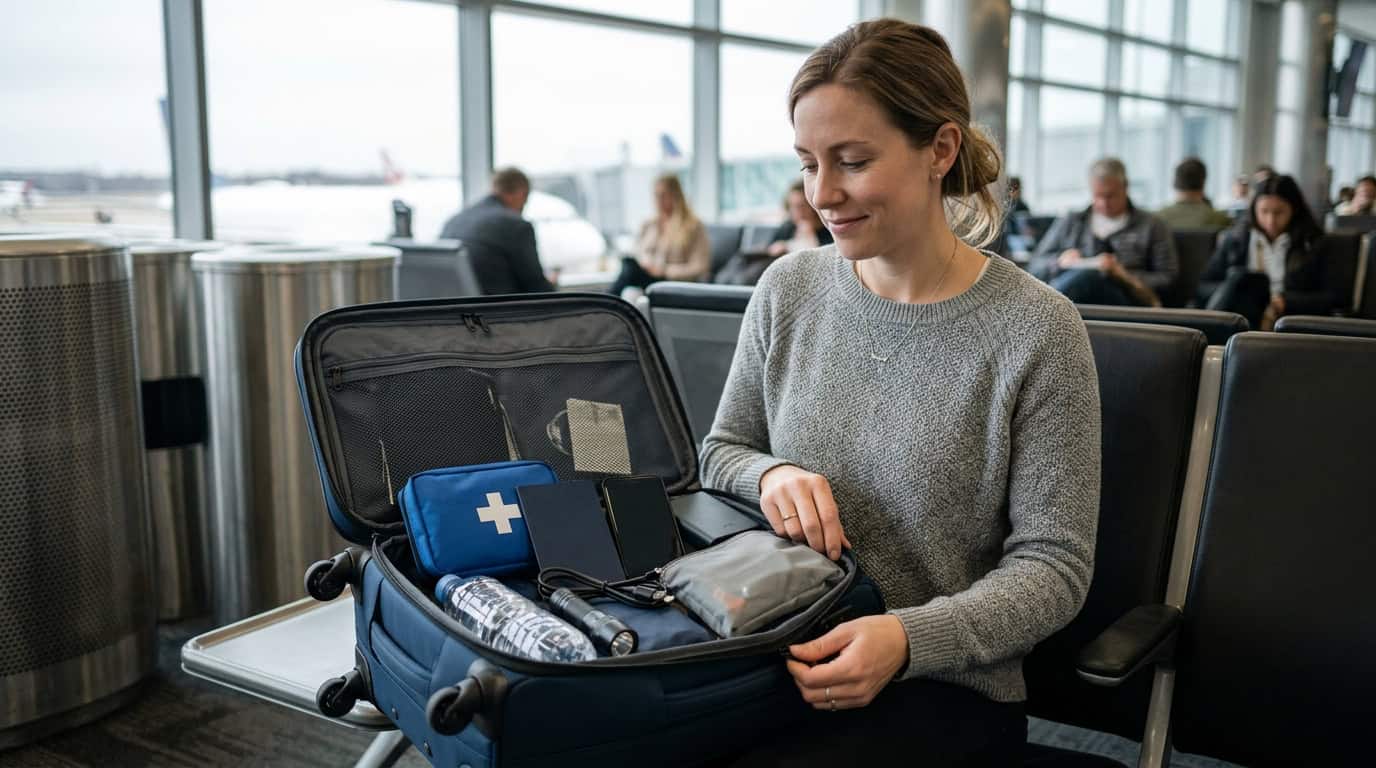
A thoughtful travel emergency checklist begins with understanding the destination before I leave home. I check the U.S. Department of State’s destination information for travel advisories, entry rules, passport-validity requirements, local laws, and embassy or consulate contacts. I also review CDC guidance for health notices, vaccination requirements, environmental risks, and the availability of medical care. Knowing the local emergency number, nearby hospitals, pharmacies, and safe transportation options gives me a clearer plan if illness, severe weather, or another unexpected problem interrupts my trip.
I protect essential documents by carrying secure copies of my passport, identification, insurance details, reservations, and important phone numbers, while storing digital backups in a password-protected location. I keep critical medications in their original labeled containers and pack enough for delays, along with prescriptions or a doctor’s letter when appropriate. Before departure, I save emergency contacts in my phone and write down key information in case my battery, internet connection, or device is unavailable. These simple steps can make a major difference when a lost bag, canceled flight, or communication problem turns a smooth itinerary into a stressful one.
Finally, I rehearse what I will do if my plans change suddenly, such as contacting the airline, finding a safe place to wait, notifying someone at home, or reaching the nearest embassy or medical facility. I make sure I know how to access offline maps, use local transportation, and communicate basic needs if language or connectivity becomes a barrier. I cannot predict every challenge, but I can prepare for the most likely ones and respond with greater calm. A few thoughtful preparations create room for confidence, flexibility, and the joy of staying present for the journey ahead.
Prepare Confidently for Travel Emergencies
A well-prepared travel emergency checklist gives me confidence to handle surprises without letting them define the trip. Before I leave, I research the destination through U.S. Department of State and CDC guidance, save the local emergency number, and record embassy, medical, and insurance contacts. I also carry secure copies of my passport, identification, prescriptions, and key bookings, while storing encrypted digital backups that I can access if my documents or phone are lost. Knowing where to find a reputable hospital, pharmacy, and alternative transportation makes illness, delays, or cancellations much easier to manage.
I also share my itinerary and emergency contacts with someone I trust, pack essential medication and basic supplies in my carry-on, and keep my phone charged with offline maps and translation tools available. If transportation is disrupted, I can check official alerts, contact my airline or lodging, and make a safe backup plan instead of reacting under pressure. These small preparations take little time, yet they help me stay connected, calm, and flexible when plans change. With this checklist reviewed before departure, I can focus less on what might go wrong and more on enjoying the people, scenery, and unexpected moments that make travel memorable.