
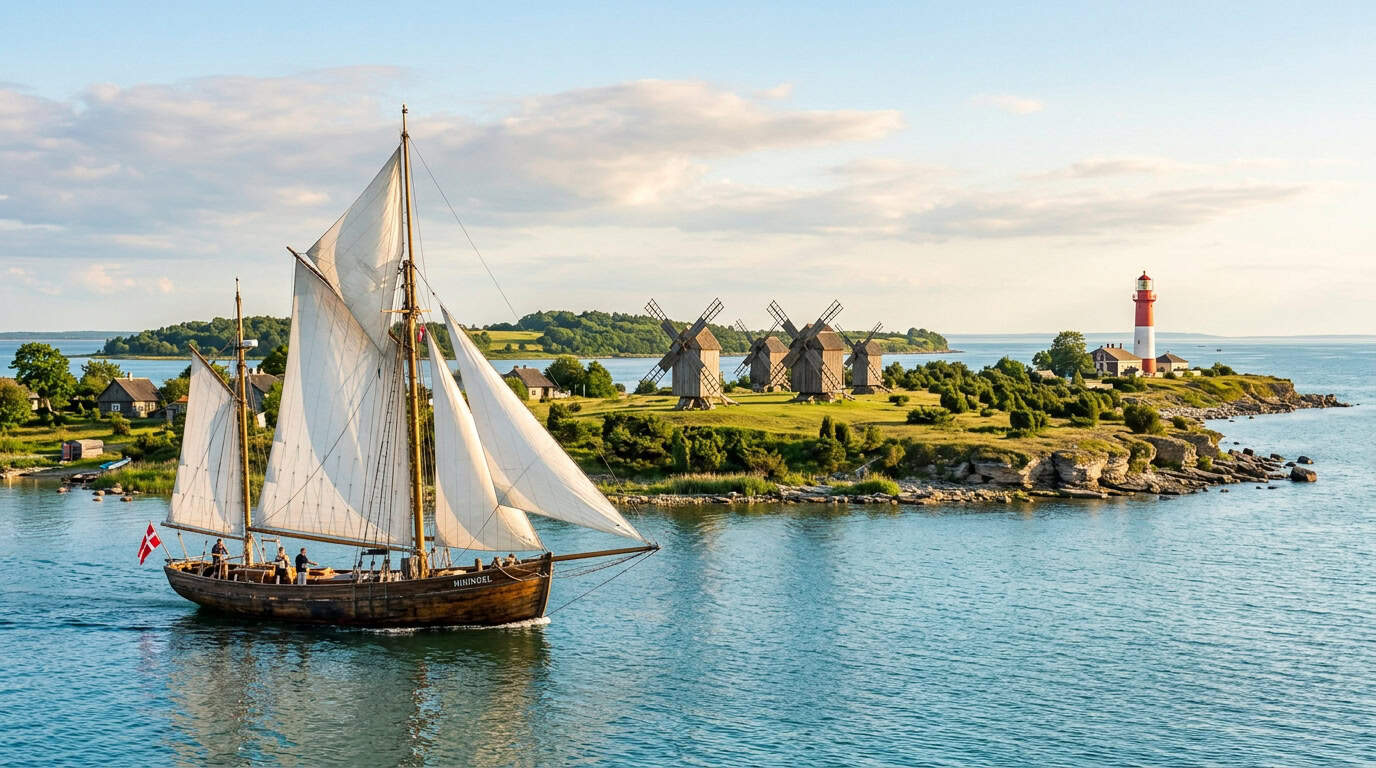
Beyond the dense pine forests of the mainland lies a world where time seems to drift as slowly as the Baltic tide. With 2,317 emerald gems scattered across the sea, estonia island hopping offers a rare chance to trade the frantic pace of modern life for ancient stone fences and salt-drenched coastal heritage. I’ve found that these islands aren’t just patches of land; they are sanctuaries of medieval history and ecological balance that feel like a well-kept secret.
Your journey usually begins on Muhu, where the moss-covered ruins of Koguva fishing village tell stories of centuries past. You can spend your afternoon wandering between traditional farmsteads or sipping a crisp glass at a northern wine house before crossing the causeway to the larger, windmill-dotted landscapes of Saaremaa. Whether you are searching for the perfect secluded beach or a deep dive into local folklore, the West Estonian archipelago provides the ultimate blueprint for a slow-travel escape.
Key Takeaways
- Estonia’s archipelago of 2,317 islands offers a premier slow-travel destination where medieval heritage, such as the moss-covered Koguva village, remains preserved as a living museum.
- The islands of Muhu, Saaremaa, and Hiiumaa provide a unique blend of historical landmarks, including the 14th-century Kuressaare Episcopal Castle and the ancient Kõpu Lighthouse.
- Natural wonders like the Kaali Meteorite Crater and the rugged Ristna peninsula define the region’s ecological allure, offering a serene alternative to traditional European tourist hubs.
- A seamless island-hopping itinerary is easily facilitated by a network of ferries and the Väinatamm causeway, connecting travelers to local traditions like black bread baking and northern viticulture.
Stepping Back In Time In Muhu And Koguva
The journey into the heart of Estonia’s archipelago begins at the Virtsu harbor, where a short ferry crossing transports you across the Suur Strait to the enchanting island of Muhu. As the mainland fades from view, the pace of life seems to shift instantly, trading the bustle of modern transit for a landscape defined by juniper forests and salt-tinged air. I spent the crossing standing on the deck, watching the rugged coastline draw nearer while planning my route through this gateway to the western isles. Muhu serves as the perfect introduction to Northern European island life, offering a blend of preserved heritage and quiet, natural beauty. It is an essential first stop for anyone looking to experience a more authentic and slower version of Baltic travel.
Walking into Koguva village feels like stepping directly into a living museum where time has stood still for centuries. This remarkably well-preserved fishing village is famous for its moss-covered stone fences and traditional thatched-roof houses that have sheltered families for generations. I spent hours wandering the narrow paths, admiring the intricate craftsmanship of the wooden gates and the stillness of the rural landscape. The village remains inhabited, which adds a layer of genuine soul to the historic surroundings that you simply cannot find in a typical tourist attraction. It is a place that demands you put away your phone and simply breathe in the scent of old wood and blooming wildflowers.
Beyond its ancient history, Muhu surprised me with its innovative spirit, specifically at the local winehouse. This charming estate holds the title of the world’s northernmost wine tourism farm, where hardy vines are cultivated against all odds in the cool northern climate. I sat in the sun-drenched garden for a tasting, sampling unique vintages that reflected the distinct terroir of the Estonian islands. The experience was a delightful contrast to the medieval atmosphere of the nearby villages, proving that these islands are as much about modern creativity as they are about preservation. It was the ideal way to toast to the beginning of my island hopping adventure before heading further west toward Saaremaa.
Exploring Medieval Castles And Meteorite Craters In Saaremaa
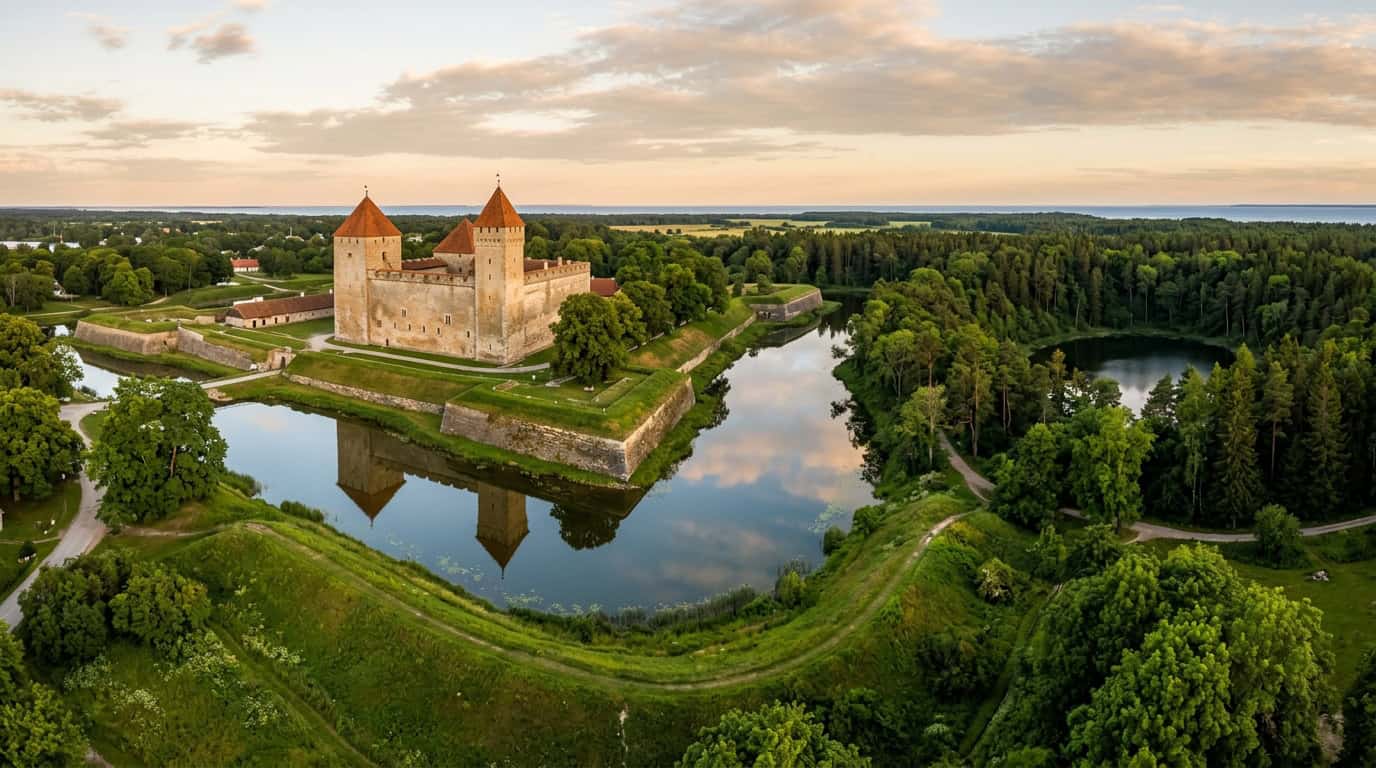
After crossing the Väike-Väin causeway from Muhu, you enter the heart of Saaremaa, an island where time seems to slow down among the juniper bushes and limestone fences. My first stop is always the Kuressaare Episcopal Castle, a remarkably preserved late-Gothic fortress that looks like something straight out of a storybook. Walking through its thick stone walls and over the surrounding moat, you can feel the weight of centuries of Baltic history. The castle grounds offer a peaceful place to wander, while the museum inside provides a deep dive into how this coastal stronghold defended the islanders for generations. It is the perfect introduction to the island’s unique blend of medieval grit and North European charm.
Leaving the coast behind, I headed inland to experience the mystical energy of the Kaali Meteorite Crater field. Standing at the edge of the massive, circular lake, it is hard to wrap your head around the fact that this perfect bowl was carved by a falling star thousands of years ago. The site is shrouded in local folklore and ancient myths, making it feel far more spiritual than a typical geological landmark. I highly recommend visiting early in the morning when the mist hangs over the water to truly capture the site’s ethereal atmosphere. It is a rare opportunity to stand at the impact site of one of the most significant celestial events in European history.
To round out your island itinerary, make sure to drive north to the Angla Windmill Mount, where five iconic wooden windmills stand tall against the horizon. These structures are the quintessential symbols of Saaremaa’s rural heritage, and seeing them clustered together is a highlight for any photographer. You can step inside one of the mills to see the intricate wooden gears or visit the nearby heritage center to learn traditional island crafts like bread baking or stone carving. It is a wonderful spot to stretch your legs and soak in the pastoral beauty that makes Estonia’s islands such a refreshing alternative to the busy streets of Tallinn. This circuit offers a perfect balance of natural wonders and cultural history that defines the slow travel experience.
Coastal Heritage And Lighthouse Chasing In Hiiumaa
Stepping off the ferry onto Hiiumaa, the air immediately changes, carrying a crisp scent of salt and crushed juniper berries that defines Estonia’s second largest island. This destination offers a refreshing departure from the crowded Mediterranean, trading sunbeds for secluded coastal trails and a deep rooted maritime legacy. I spent my first afternoon wandering through the peaceful pine forests, where the silence is only broken by the distant roar of the Baltic Sea. The island feels like a well kept secret, inviting travelers to slow down and embrace a rugged, northern beauty that feels both ancient and untouched.
The crown jewel of the island is undoubtedly the Kõpu Lighthouse, one of the oldest navigational marks in the world still in use. Climbing its narrow stone stairs feels like stepping back into the 16th century, and the panoramic view from the top reveals a sea of green forest meeting the deep blue horizon. This massive, square shaped structure was built to warn ships away from the treacherous Hiiu Shoal, serving as a powerful symbol of the island’s survival and coastal heritage. It is a humbling experience to stand atop such a historic monument, realizing it has guided sailors through these northern waters for over five hundred years.
Beyond the iconic landmarks, the true magic of Hiiumaa lies in its winding coastal roads and the hidden fishing villages that dot the shoreline. I recommend renting a bicycle to navigate the flat terrain, allowing you to stop at small local smokehouses for fresh fish or explore the Ristna peninsula. The western tip of the island is particularly striking, where the waves are higher and the beaches are scattered with driftwood and smooth stones. Whether you are chasing sunsets by the water or exploring the wooden architecture of Kärdla, Hiiumaa provides a soulful, scenic itinerary that captures the very heart of Estonian island hopping.
Planning Your Perfect West Estonian Archipelago Itinerary
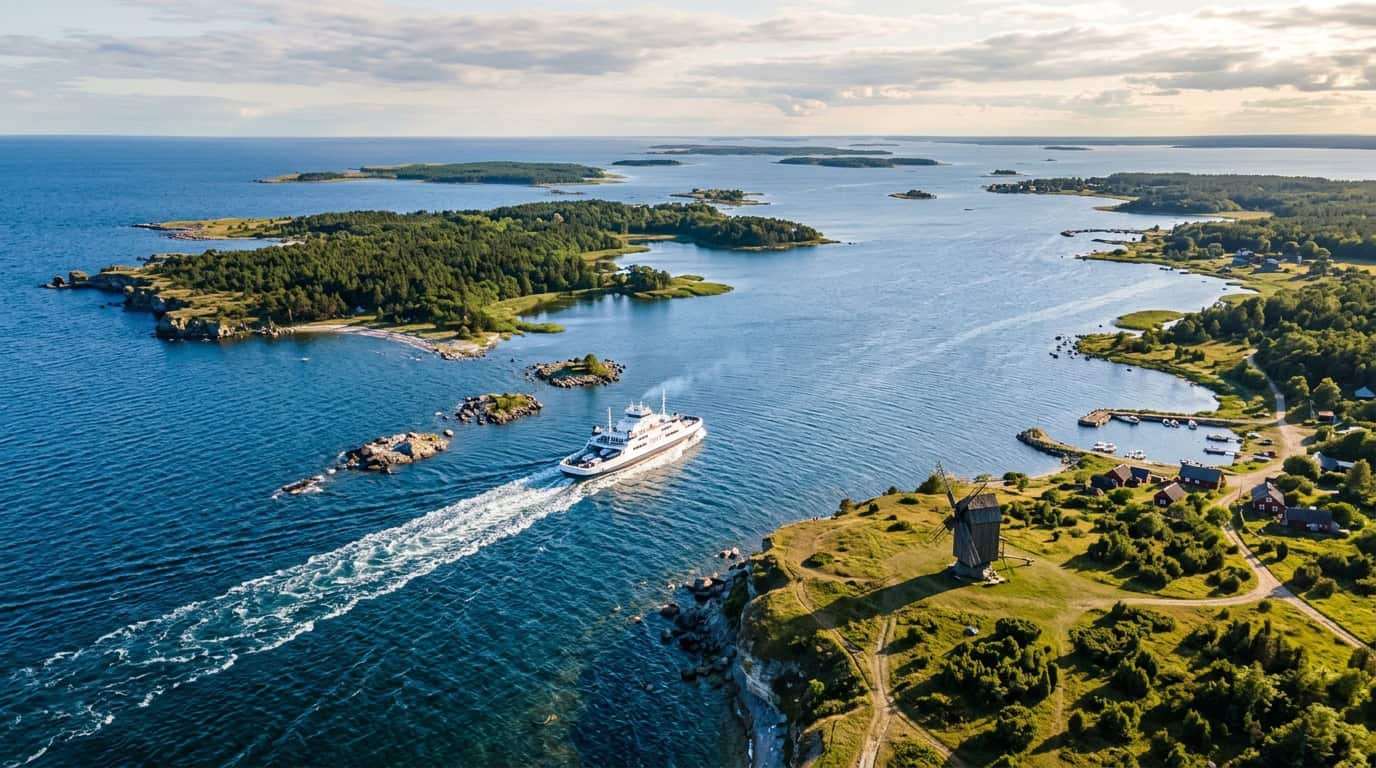
To begin your four day adventure, pick up a rental car in Tallinn and drive two hours southwest to the Virtsu harbor for the ferry crossing. I highly recommend booking your ferry tickets online in advance to skip the queues, especially during the sun-drenched summer months. Your first stop is the sleepy island of Muhu, where you can wander through the mossy stone fences of Koguva fishing village before crossing the causeway into Saaremaa. This route offers a refreshing alternative to the crowded Mediterranean, trading turquoise seas for deep emerald forests and medieval stone churches. Make sure to stop at a local farm stall to pick up a loaf of authentic Muhu black bread, which is famously dark, dense, and slightly sweet.
On your second and third days, base yourself in the charming town of Kuressaare to explore its towering 14th century episcopal castle and the mystical Kaali meteorite craters. From there, take the scenic ferry from Triigi to Soru to reach Hiiumaa, an island defined by its slow pace and historic lighthouses like the massive Kõpu. This northern archipelago is a sanctuary for ecological balance, where you can hike through coastal meadows and listen to the rhythmic crashing of the Baltic Sea. I love spending an afternoon at the local wool factory or visiting the Tahkuna lighthouse for panoramic views of the rugged shoreline. The winding roads are perfect for a leisurely drive, allowing you to stop whenever a hidden beach or an ancient windmill catches your eye.
Finish your journey by returning to the mainland via the Heltermaa ferry, reflecting on a trip that feels worlds away from the typical European city break. This island-hopping itinerary balances structured sightseeing with the freedom to discover quiet corners of Northern European heritage that many travelers overlook. You will find that the hospitality on these islands is as warm as the fresh bread, with locals often eager to share stories of their coastal traditions. Between the juniper groves of Saaremaa and the maritime history of Hiiumaa, you will experience a side of Estonia that is both ancient and revitalizing. Pack a light jacket for the coastal breeze and prepare to fall in love with the serene magic of the West Estonian islands.
Embrace the Magic of Estonia’s Islands
Trading the bustling streets of Tallinn for the windswept shores of the West Estonian archipelago is like stepping into a living fairy tale where time moves at the pace of the tides. Whether you are wandering through the ancient stone fences of Koguva on Muhu or marveling at the medieval fortress in Saaremaa, these islands offer a cultural depth that rivals any Mediterranean getaway. The magic lies in the quiet details, such as the scent of juniper berries in the air and the sight of traditional windmills silhouetted against a Baltic sunset. It is a place where ecological balance and coastal heritage are not just concepts but a daily way of life. By following this scenic itinerary, you can swap city crowds for a tranquil connection to Northern Europe’s most authentic landscapes.
The beauty of Estonian island hopping is found in the effortless transition between prehistoric nature and cozy, modern comforts. You might start your day exploring the world’s northernmost vineyards and end it tucked away in a revitalized fishing village surrounded by the calm of the sea. These islands provide a fresh perspective on what a getaway can be, emphasizing slow travel and meaningful exploration over hurried sightseeing. I encourage you to pack your bags, hop on a ferry, and let the rhythmic charm of the Baltic islands redefine your sense of adventure. There is a profound sense of peace waiting for you in the salt spray and the whispering pines of this unique Northern European paradise.
Frequently Asked Questions
1. How do I begin my Estonia island hopping adventure?
Your journey starts at the Virtsu harbor on the mainland, where you catch a ferry across the Suur Strait to Muhu Island. This short crossing is the perfect introduction to the archipelago, offering fresh sea air and a first glimpse of the rugged Baltic coastline.
2. What is the best way to get between Muhu and Saaremaa?
Traveling between these two islands is incredibly simple because they are connected by a scenic causeway called the Väinatamm. You can drive or cycle across this strip of land, enjoying the sight of the shallow waters on both sides as you move from the quiet charm of Muhu to the windmill-dotted landscapes of Saaremaa.
3. Is it possible to see traditional Estonian culture on the islands?
You will find the heart of local heritage in Koguva village on Muhu Island, which serves as a living museum of fishing history. Walking among the moss-covered stone fences and ancient farmsteads feels like stepping back into a medieval world that has remained remarkably untouched by time.
4. How many islands are there to explore in Estonia?
There are 2,317 emerald islands scattered across the Estonian coast, each offering its own unique slice of ecological balance and history. While you cannot visit them all, focusing on the West Estonian archipelago provides the density of sights and culture needed for a perfect slow-travel escape.
5. What kind of activities can I expect while island hopping?
You can spend your days wandering through juniper forests, visiting northern wine houses for a local tasting, or exploring the ruins of ancient villages. The islands are also ideal for finding secluded beaches and diving into local folklore while enjoying the slow, salt-drenched pace of coastal life.
6. What makes the Estonian islands different from the mainland?
The islands offer a rare sense of sanctuary where time drifts much slower than on the mainland. You will trade dense pine forests for salt-tinged air and ancient stone architecture, creating a peaceful environment that feels like a well-kept secret far from the frantic pace of modern life. If you are dreaming of a tropical contrast, you might consider a Belize Cayes itinerary for your next trip.