
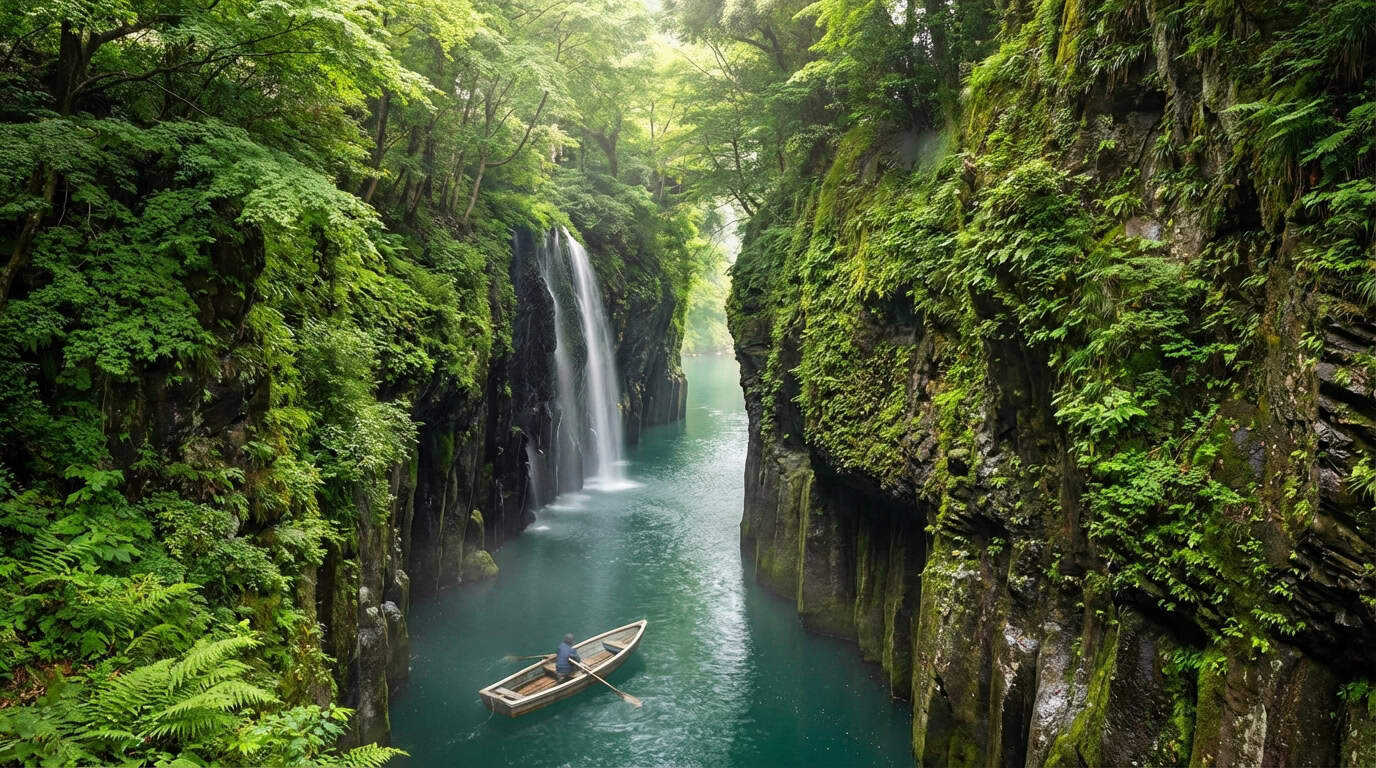
While the neon glow of Tokyo and the temples of Kyoto often steal the spotlight, I’ve found that the true soul of Japan thrives in the wild, volcanic landscapes of the south. Kyushu is a land where ancient forests meet modern innovation, offering a soulful alternative to the typical tourist trail for those seeking pace and presence. Discovering kyushu hidden gems means trading crowded subway platforms for emerald-green gorges and the soothing warmth of natural hot springs.
I’ll never forget the surreal sensation of being buried up to my neck in the steaming black sands of Ibusuki, listening to the rhythmic lap of the ocean waves. It is these raw, unfiltered moments, from the misty peaks of Kirishima to the quiet spiritual heritage of rural shrines, that define the island’s magic. Whether you are craving a therapeutic volcanic sand bath or a hike through primeval cedar groves, this region rewards the curious traveler with experiences that feel entirely personal.
Key Takeaways
- Kyushu offers a soulful, nature-focused alternative to the crowded ‘Golden Route’ by trading urban hubs for volcanic landscapes, ancient forests, and spiritual heritage.
- The coastal town of Ibusuki provides a world-exclusive therapeutic experience through natural volcanic sand baths that use geothermal heat to detoxify and relax the body.
- The Kunisaki Peninsula and Yanagawa canals offer deep cultural immersion, ranging from prehistoric Buddhist cliff carvings in misty forests to historic Edo-period water commutes.
- A successful rural Kyushu itinerary requires a slower pace, utilizing local rail lines or rental cars to reach hidden gems like the Mount Aso caldera and the Kirishima mountain range.
Volcanic Wonders And Therapeutic Sand Baths In Ibusuki
After navigating the bustling hubs of Honshu, arriving at the southern tip of Kagoshima felt like stepping into a prehistoric landscape where the earth breathes right beneath your feet. The horizon is dominated by the near perfect cone of Mt. Kaimon, a dormant volcano often called the Satsuma Fuji for its striking resemblance to Japan’s most famous peak. Walking along the shoreline, you can see steam rising from the dark volcanic sand, a constant reminder of the geothermal power fueling this region. It is a place that feels raw and untouched, offering a serene escape for those of us looking to trade crowded shrines for quiet, natural grandeur.
The highlight of my visit was undoubtedly the sunamushi, the world’s only natural steam sand bath, where you are buried up to your chin in mineral rich volcanic sand. As I lay there wrapped in a traditional yukata, I could feel the rhythmic pulse of the ocean waves just feet away while the heavy, warm sand worked its magic on my tired muscles. The heat is intense but incredibly soothing, drawing out toxins and leaving you with a sense of deep relaxation that a standard hot spring simply cannot match. It is an immersive experience that connects you physically to the volcanic soul of Kyushu in a way that feels both ancient and restorative.
For those planning a trip to this hidden corner of Japan, I recommend visiting the sand baths during the late afternoon to catch the sunset over the East China Sea. After your session, take a short drive to the nearby Cape Nagasaki-bana for panoramic views of the rugged coastline and the towering silhouette of Mt. Kaimon. This area is easily accessible via a scenic train ride from Kagoshima City, making it a perfect addition to any itinerary focused on wellness and off the beaten path exploration. It is these quiet, elemental moments that define the true magic of the southern islands, far away from the typical tourist trails.
Spiritual Solitude Among The Kunisaki Peninsula Stone Carvings
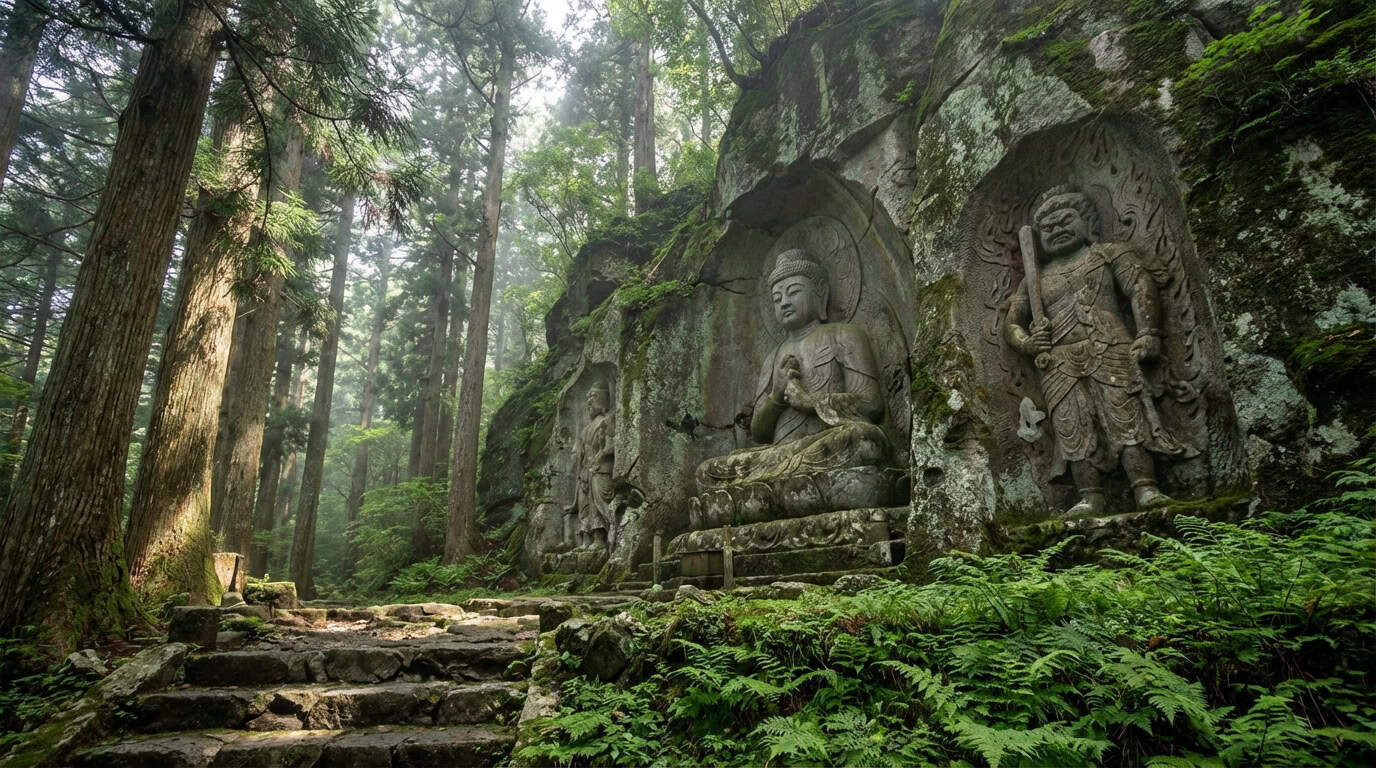
Venture deep into the misty forests of the Kunisaki Peninsula and you will discover a side of Japan that feels untouched by the modernization of the Golden Route. This remote corner of Oita Prefecture is the birthplace of Rokugo Manzan, a unique spiritual heritage that harmoniously blends Buddhism, Shintoism, and mountain worship. As I trekked along the moss covered paths, the silence of the ancient woods was only broken by the distant sound of temple bells and the rustle of cedar trees. It is the perfect escape for travelers who have already seen the big cities and are now yearning for a deeper, more authentic connection with Japan’s rugged landscape. The atmosphere here is thick with a sense of mystery, making it easy to see why these mountains have been considered sacred for over a millennium.
The true highlights of this region are the Magaibutsu, which are massive Buddhist figures carved directly into the sheer volcanic cliff faces. Standing before the Kumano Magaibutsu, the largest of these prehistoric carvings, I felt small against the weathered stone faces that have watched over the valley since the Heian period. Reaching these hidden masterpieces requires a bit of a climb up a steep, hand built stone staircase, so I recommend wearing sturdy hiking boots for the journey. Along the way, you can stop at small, atmospheric shrines where local monks still practice ascetic rituals far from the tourist crowds. These trails offer a rare opportunity to witness spiritual art in its natural environment rather than behind the glass of a museum.
To make the most of your pilgrimage through Kunisaki, I suggest basing yourself in the charming town of Bungotakada or a nearby hot spring ryokan. Because public transportation is limited in this rural area, renting a car is the most practical way to reach the various trailheads and remote temple sites. Plan to spend at least two full days exploring the peninsula so you can balance the rigorous hiking with long soaks in the region’s famous mineral rich waters. Don’t forget to try the local buckwheat noodles, a regional specialty that provides the perfect fuel for a day of mountain exploration. By moving at a slower pace, you will find that the peninsula reveals its secrets to those willing to step off the paved road and into the emerald wild.
Floating Through History On The Yanagawa Canals
While many travelers find themselves caught in the frantic pace of Tokyo, I discovered a much slower rhythm in the charming water town of Yanagawa. Often called the Venice of Kyushu, this historic enclave is defined by hundreds of kilometers of canals that once served as a defensive moat system for the local castle. Stepping onto a low-slung donko boat, I watched our boatman use a long bamboo pole to navigate the narrow waterways with incredible grace. The water is so still that it reflects the overhanging willow trees and ancient stone walls like a mirror, creating a peaceful atmosphere that feels worlds away from the typical tourist trail. As we drifted under low-hanging bridges, our guide broke into a traditional folk song, his voice echoing softly against the moss-covered banks.
The experience is more than just a scenic ride, as it offers a tactile connection to the Edo period architecture that still lines the banks. I noticed several small shrines and weathered wooden gates that are only accessible by water, giving the entire journey an air of quiet exclusivity. These canals were originally engineered for irrigation and flood control, but today they serve as a preserved sanctuary for those seeking a deeper cultural immersion. For the best experience, I recommend visiting during the late morning when the light filters through the trees, casting a golden glow on the water. It is the perfect pace for anyone looking to trade crowded train platforms for the gentle lap of water against a wooden hull.
No visit to this hidden gem is complete without indulging in the local culinary specialty known as unagi no seiromushi. After docking the boat, I followed the rich, smoky aroma of grilled eel to a nearby restaurant that has been perfecting its craft for generations. Unlike standard grilled eel dishes, this version is steamed in a bamboo box with sweet soy sauce and kinshi tamago, which are delicate shreds of egg crepe. The result is an incredibly tender texture that melts in your mouth, providing the perfect fuel for an afternoon of exploring the nearby samurai residences. It is a hearty, soulful meal that perfectly encapsulates the warm hospitality and rich history of this underrated Fukuoka destination.
A Four Day Off The Beaten Path Kyushu Itinerary
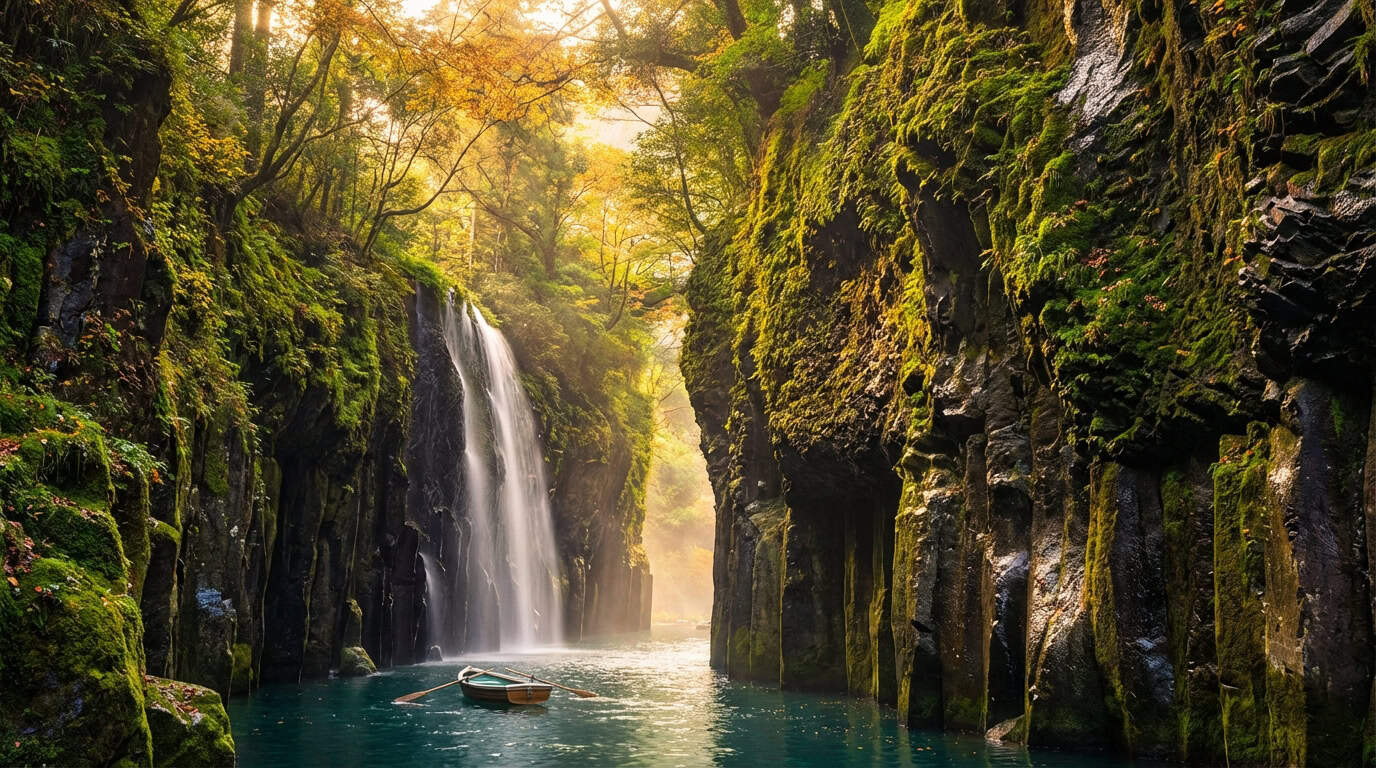
For travelers who have already ticked Tokyo and Kyoto off their lists, this four day journey through Kyushu offers a profound shift into Japan’s volcanic heart. Your adventure begins in the misty Mount Aso caldera, where you can bypass the main tourist hubs by taking the local Minami Aso Railway to explore the emerald grasslands and hidden shrines. I recommend spending your first night at a secluded ryokan in Minami-oguni, where the sound of rushing river water replaces city noise and private outdoor baths are carved directly into the volcanic rock. Navigating these rural lines requires a bit of patience and a reliable rail pass, but the reward is a front row seat to some of the most dramatic landscapes in East Asia.
The second half of your itinerary dives deep into the spiritual and therapeutic wonders of the southern coast. Head toward the Kirishima mountain range to hike through ancient cedar forests before catching a local train down to Ibusuki for a truly unique sunamushi experience. There is nothing quite like the sensation of being buried in naturally heated volcanic sand while listening to the rhythmic lapping of the ocean waves just feet away. To wrap up your trip, seek out a traditional inn in the foothills of Kagoshima that specializes in “kurobuta” pork hot pot, providing a perfect culinary end to your off the beaten path exploration. These hidden pockets of the island offer a sense of timelessness that you simply cannot find in the crowded metropolitan centers of Honshu.
Finding Peace Amidst Kyushu’s Volcanic Wonders
Venture south to Kyushu and you will quickly realize that the soul of Japan often resides far from the neon lights of the major metropolitan hubs. While the Golden Route offers iconic landmarks, these volcanic landscapes and hidden hot springs provide a raw, visceral connection to the earth that is hard to find elsewhere. I have found that sinking into the naturally heated sands of Ibusuki or standing atop a smoking caldera offers a sense of peace that no crowded temple can replicate. These experiences represent the true heart of travel, where the rhythm of life slows down and the ancient power of nature takes center stage.
Stepping off the beaten path is the ultimate reward for any seasoned traveler looking to deepen their relationship with Japanese culture. By choosing the quiet forests and rural coastal towns of this island, you are trading tourist traps for authentic encounters and stories that feel uniquely your own. Much like a Budapest city break, it is in these lesser known corners where the hospitality feels most genuine and the history feels most alive. I encourage you to pack your bags and head toward the steam of the southern vents for your next great adventure. You will likely find that the Japan you were always looking for was waiting right here in the shadow of the volcanoes.
Frequently Asked Questions
1. What exactly is a volcanic sand bath and how does it work?
A sunamushi is a unique therapeutic experience where you are buried up to your neck in geothermally heated volcanic sand while wearing a yukata. The weight and heat of the mineral rich sand promote deep relaxation and circulation while you listen to the nearby ocean waves. It is a primal, soothing ritual that you can only find in the coastal areas of Ibusuki.
2. Is Kyushu a good alternative for travelers who have already seen Tokyo and Kyoto?
Kyushu is the perfect soulful alternative because it trades crowded subway platforms for emerald green gorges and misty volcanic peaks. You will find a much slower pace here that allows you to connect with Japan’s wilder side and ancient spiritual heritage. It is the ideal destination if you want your travel experiences to feel personal and adventurous rather than touristy.
3. What is the best way to see the Satsuma Fuji volcano?
You can get a stunning view of Mt. Kaimon by visiting the southern tip of Kagoshima where its near perfect cone dominates the horizon. For the best experience, I recommend walking along the shoreline where you can see steam rising from the dark sands with the mountain as your backdrop. It is a breathtaking sight that rivals the famous Mt. Fuji but without the massive crowds.
4. Do I need to be an experienced hiker to enjoy the landscapes in Kyushu?
There are plenty of accessible ways to enjoy the scenery, from coastal walks in Ibusuki to well marked trails in the Kirishima mountains. Whether you want a challenging trek through primeval cedar groves or a gentle stroll near rural shrines, the region rewards any level of curiosity. Much like the ultimate Vancouver Island road trip, the natural grandeur is everywhere, so you can choose the intensity that fits your personal travel style.
5. What should I pack for a trip to the southern volcanic regions?
Comfortable walking shoes are a must for exploring the rugged landscapes and volcanic shorelines. You should also bring a camera to capture the surreal steam rising from the earth and the vibrant green colors of the rural gorges. Most sand bath facilities provide the necessary yukata, so you just need to bring your sense of adventure.
6. How do I get to these hidden gems from the main Japanese islands?
You can easily reach Kyushu’s major hubs via the Shinkansen bullet train or by taking a quick domestic flight into Kagoshima or Fukuoka. Once you arrive, the local trains and buses will lead you away from the bustling cities and into the quiet, prehistoric landscapes of the south. This transition is perfect for slow travel enthusiasts who want to move from the high tech energy of Honshu to the tranquil, volcanic soul of the southern islands. Much like an unforgettable adventure through the Scottish Highlands, exploring Kyushu requires a willingness to embrace the elements and the unknown.