
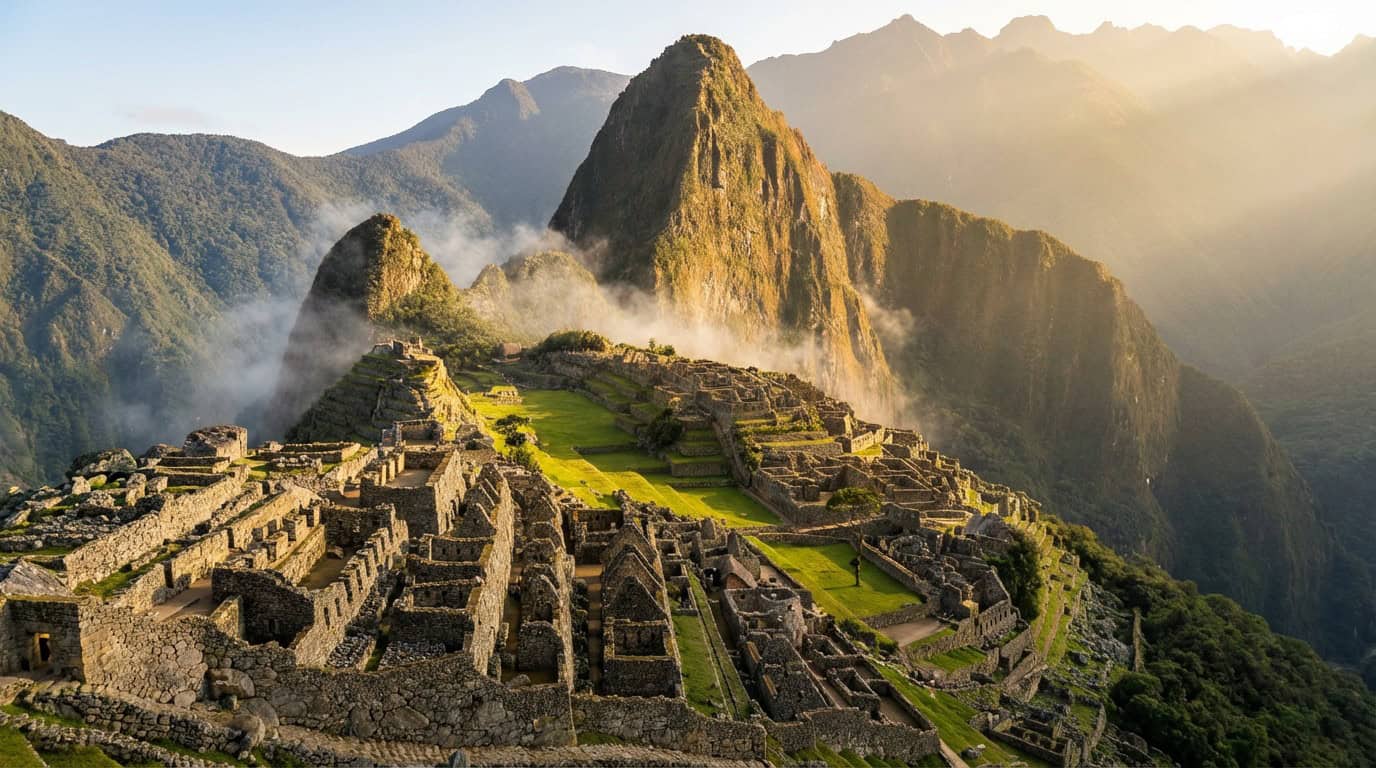
Stepping off the plane in Peru feels like entering a world where ancient history and vibrant nature meet in the most spectacular way. I still remember the first time I watched the sunrise over the jagged peaks of the Andes. It painted the sky in hues of violet and gold that photographs simply cannot capture. Just a short flight away, the humid embrace of the Amazon rainforest offers a completely different mix of sounds, from chattering monkeys to the rush of river water. This country is a land of dramatic contrasts that pulls you in with its mystery and keeps you captivated with its undeniable energy. Whether you are seeking the solitude of a mountain trek or the bustle of a local market, Peru delivers an experience that touches the soul.
Travelers from every corner of the globe dream of visiting this South American gem for good reason. Beyond the iconic ruins of Machu Picchu, you will discover a culinary scene that rivals the best in the world and a culture deeply rooted in tradition. However, planning a trip here can feel a bit overwhelming given the sheer size of the country and the altitude changes involved. That is exactly why I wrote this guide to help you handle the logistics without missing the magic. Get ready to explore a perfect two-week route that balances adventure with culture, ensuring you see the absolute best of what Peru has to offer.
Key Takeaways
- Manage the challenging high altitude by spending your first few days acclimatizing in Cusco, drinking coca tea, and avoiding immediate strenuous activity.
- Secure permits for the Inca Trail and entrance tickets to Machu Picchu months in advance, as these strictly limited slots often sell out early.
- Pack versatile layers and waterproof gear to adapt to the Andes’ unpredictable weather, which can fluctuate from freezing to sweating within a single day.
- Build a diverse two-week itinerary that includes Lima’s culinary scene, the biodiversity of the Amazon rainforest, and the scenic challenge of Rainbow Mountain.
Surviving High Altitude and Packing Essentials
Stepping off the plane in Cusco feels like breathing through a straw because the elevation sits at a dizzying 11,152 feet. I learned the hard way that rushing straight to the ruins is a recipe for a pounding headache and shortness of breath. My best advice is to spend your first day moving slowly and sipping on warm coca tea, which is readily available in almost every hotel lobby. You should also drink twice as much water as you normally would to help your body adjust to the thin mountain air. Give yourself permission to rest before tackling the steep cobblestone streets or attempting any major hikes.
Packing for the Andes requires a strategy centered entirely on layers since the weather changes wildly throughout the day. I vividly remember freezing in the morning shadows and then sweating under the intense midday sun just an hour later. Make sure to bring a lightweight down jacket that packs down small, along with a reliable waterproof shell for those sudden afternoon showers. Comfortable hiking boots with good ankle support are essential for walking on the uneven Incan stairs and rocky trails. Don’t forget high-SPF sunscreen and a wide-brimmed hat, as the high-altitude sun is much stronger than you might expect.
Lima’s Culinary Scene and Coastal Views
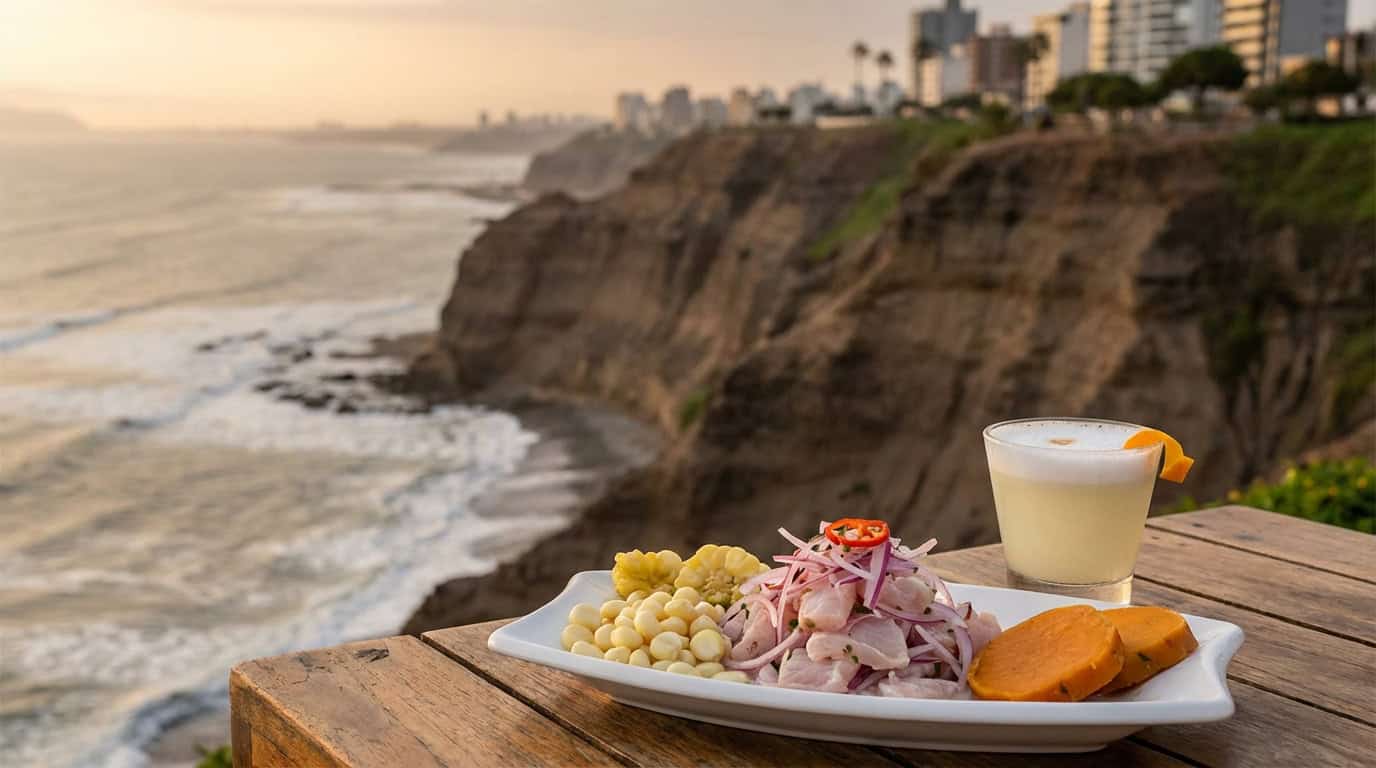
Many travelers treat Lima as a mere layover, but I urge you to give this vibrant capital at least two full days to appreciate its charms. Start your morning with a walk along the Malecón in Miraflores, where lush parks hug the edge of towering cliffs overlooking the Pacific Ocean. The salty breeze and the sight of paragliders drifting above the waves create an energizing atmosphere that instantly cures any lingering jet lag. For a touch of history amidst the modernity, stop by Huaca Pucllana to see an ancient adobe pyramid sitting right in the middle of the city. This district feels modern and safe, making it the perfect base for acclimatizing to the humid coastal air before heading into the mountains.
After soaking up the ocean views, head south to the bohemian district of Barranco to experience the artistic soul of the city. I love wandering through these colorful streets lined with colonial mansions that have been converted into trendy galleries and artisanal coffee shops. Make sure to cross the famous Puente de los Suspiros (Bridge of Sighs) and hold your breath while making a wish, just as local tradition dictates. The path leads down to the Bajada de Baños, a walkway flanked by vibrant street art murals that capture the creative spirit of Peru. This neighborhood comes alive at night with live music pealing from the peñas, offering a perfect introduction to Afro-Peruvian culture.
You simply cannot visit the gastronomic capital of South America without experiencing its world-renowned culinary scene. For the absolute freshest catch, I recommend grabbing a table at La Mar Cebichería for lunch since most authentic ceviche spots close by late afternoon. Order the classic ceviche made with the catch of the day, lime, onions, and rocoto peppers for a spicy kick that wakes up your palate. If you want something more low-key but equally delicious, look for Al Toke Pez where the portions are generous and the flavors are unforgettable. Dining here is not just a meal. It is a cultural event that explains why Peruvian cuisine has captured hearts around the globe.
Exploring Cusco and the Sacred Valley
Arriving in Cusco feels like stepping into a different world where ancient stone walls meet Spanish colonial balconies. I recommend spending your first two days here taking it slow to let your body adjust to the 11,000-foot elevation. Start your mornings with a warm cup of coca tea before wandering through the vibrant San Pedro Market to see local life in action. Later in the afternoon, find a spot overlooking the Plaza de Armas to watch the sunset paint the cathedral in golden hues. The energy here is infectious, but remember that pacing yourself now is the secret to enjoying the treks that lie ahead.
Once you have caught your breath, hire a driver or join a tour to descend into the lush, green embrace of the Sacred Valley. Your first stop should be the artisan market in Pisac to shop for alpaca textiles before hiking up to the terraced ruins perched high above the village. I was absolutely floored by the scale of agriculture the Incas managed on these steep mountainsides. Continue deeper into the valley to reach Ollantaytambo, a living Incan town where water still flows through original stone channels. Climbing the massive steps of the Ollantaytambo fortress offers a perfect warm-up for Machu Picchu and provides sweeping views of the valley floor.
The Journey to Machu Picchu Citadel
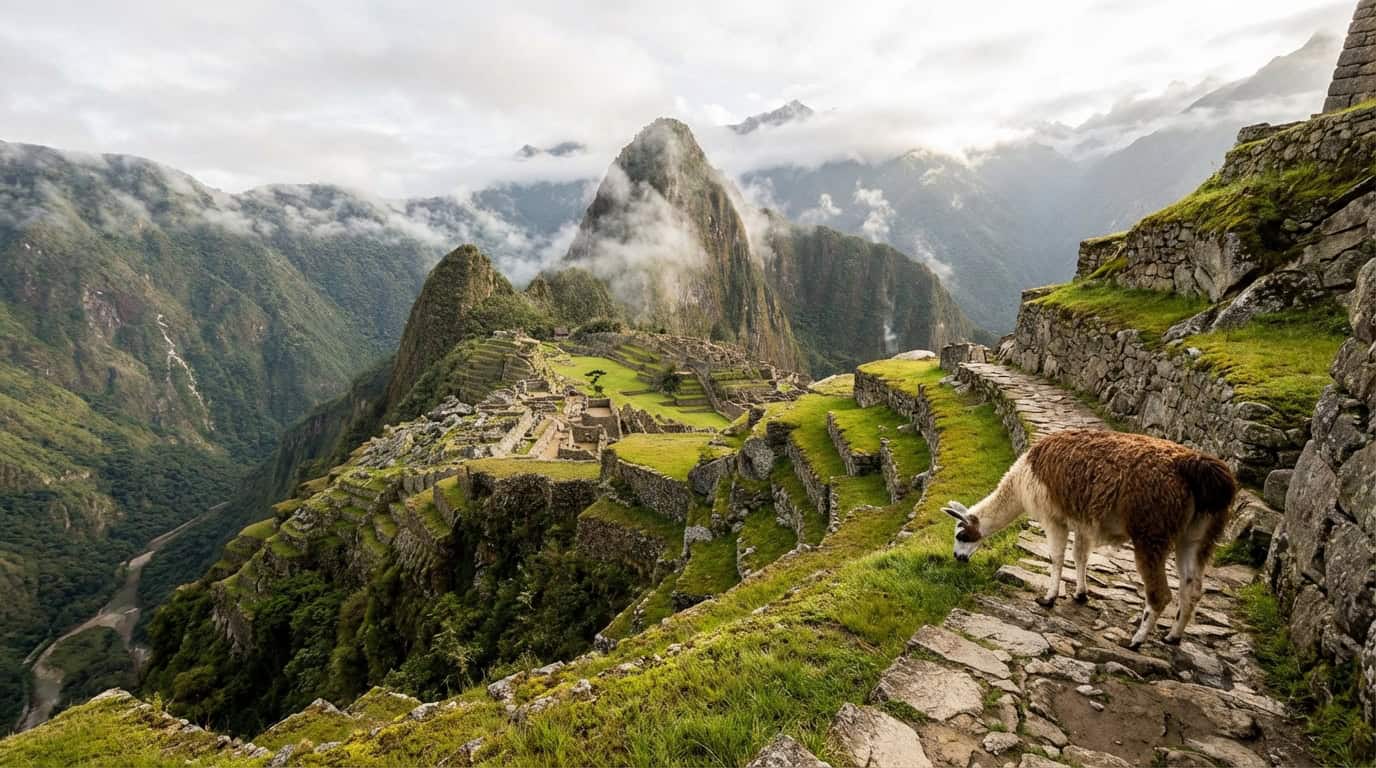
Choosing how to reach the Lost City of the Incas is arguably the biggest decision of your entire trip. If you crave comfort and spectacular views without the sweat, the Vistadome train winds along the Urubamba River with glass ceilings that showcase the towering Andean peaks. On the other hand, hiking the classic four-day Inca Trail offers an unparalleled sense of achievement as you retrace the footsteps of history. While the train gets you there faster, nothing quite compares to the emotional moment of walking through the Sun Gate after days of trekking. Whichever route you pick, you are guaranteed a magical experience that stays with you long after you leave the mountains.
Securing your spot at this world wonder requires significant advance planning, so do not leave this until the last minute. Permits for the Inca Trail are strictly limited and often sell out six months in advance, meaning you need to lock in your dates early. Even for the train option, I recommend booking your entrance tickets to the citadel immediately to ensure you get your preferred time slot. Keep in mind that the government recently changed the rules to control crowds, so you must stick to specific circuits once inside. My best advice is to work with a reputable local operator who can handle these logistical hurdles for you.
Waking up before dawn to catch the first light over the ruins is a bucket list moment that is worth every bit of lost sleep. I rushed to the Guardhouse viewpoint just as the gates opened, hoping the morning mist would clear for that iconic postcard shot. While the weather in the cloud forest is unpredictable, waiting for the sun to break through the fog creates a mystical atmosphere you cannot replicate. Be patient with the weather, as the clouds often dance around the peaks and reveal the stone structures in dramatic fashion. Standing there overlooking the terraces is truly a spiritual experience that anchors your entire Peruvian adventure.
Wildlife Spotting in the Amazon Rainforest
Leaving the crisp mountain air of Cusco behind, I took a short flight to Puerto Maldonado to begin the wildest leg of the journey. The humidity hits you the moment you step off the plane, welcoming you to the gateway of the southern Amazon. From the airport, a motorized canoe whisked us down the muddy Madre de Dios River toward our remote eco-lodge. Staying in a jungle lodge is an experience unlike any other because the sounds of howler monkeys and macaws become your morning alarm clock. You feel completely disconnected from the modern world and fully immersed in the breathing, vibrant ecosystem around you.
Once the sun sets over the canopy, the rainforest truly comes alive with a chorus of insects and nocturnal creatures. I gathered my courage for a guided night walk where our flashlights revealed the glittering eyes of caimans and hairy tarantulas hiding in tree hollows. The adrenaline rush of spotting these critters up close is balanced by the peaceful serenity of early morning boat excursions. We paddled quietly across Lake Sandoval just after dawn to search for the endangered Giant River Otters playing near the banks. Watching a family of these massive, playful animals hunt for fish was easily one of the most magical moments of my entire two-week trip.
The Challenge of Hiking Rainbow Mountain
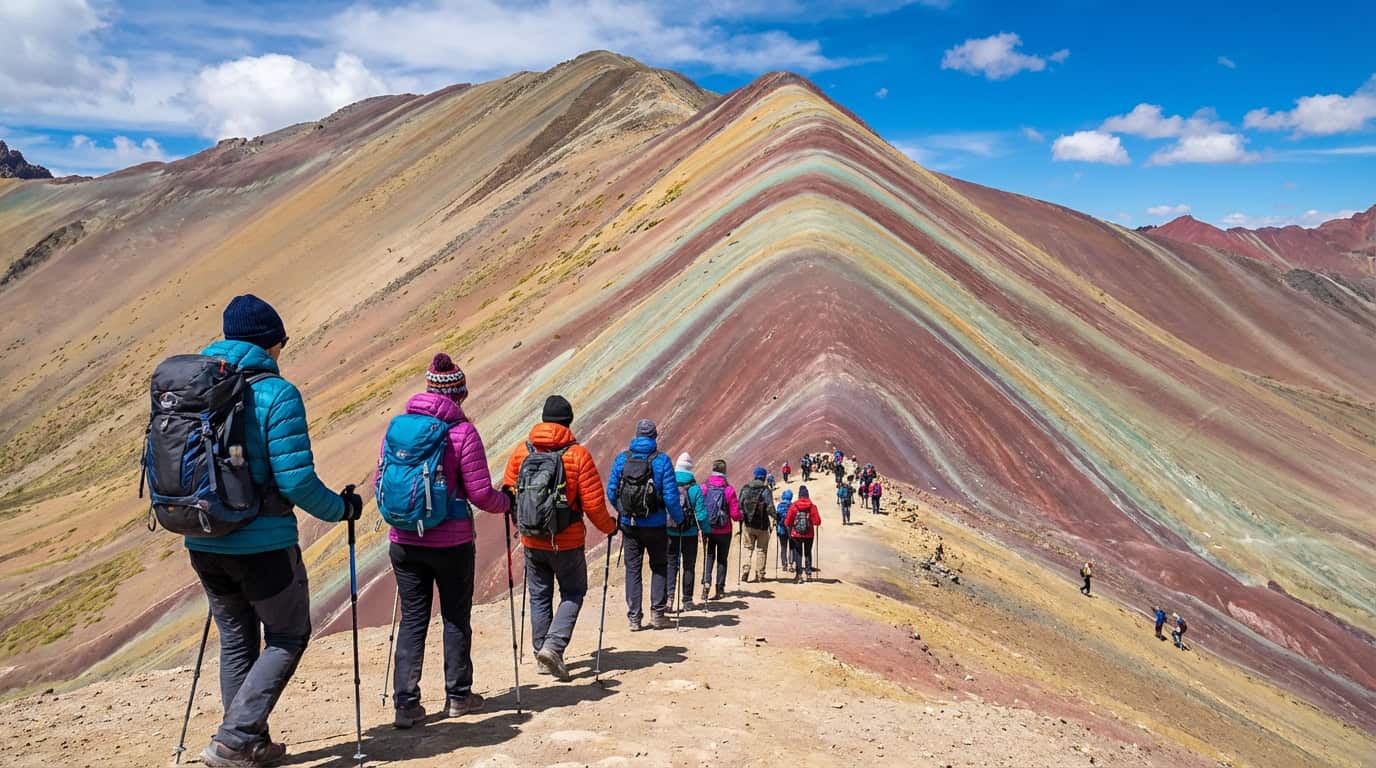
If you have enough energy left after exploring the Sacred Valley, I highly recommend dedicating a full day to the incredible Vinicunca. Rising to over 5,000 meters above sea level, this trek is physically demanding and usually requires a painful wake-up call around 3:00 AM. As you ascend the trail, the thin air makes every step feel heavy, but the surrounding snow-capped peaks provide enough motivation to keep moving forward. The struggle fades instantly once you reach the summit and see the mineral-rich stripes of turquoise, lavender, and gold painted across the mountain face. It is easily one of the most surreal views I have ever photographed and is well worth the breathless climb.
While most travelers snap their photos at the famous rainbow lookout and turn back, I urge you to take the optional side trail leading to the Red Valley. This vast expanse differs dramatically from the multi-colored stripes because the soil is an intense, Mars-like crimson that stretches as far as the eye can see. Fewer tour groups venture this way, offering a rare moment of quiet solitude amidst the rugged Andean wilderness. The contrast between the vibrant green patches of wild grass and the deep red earth creates a visual masterpiece that feels almost otherworldly. Adding this extra forty-five minutes to your hike transforms a great day trip into a truly unforgettable adventure.
To make this journey successful, you absolutely must spend a few days acclimatizing in Cusco before attempting this extreme altitude. I packed plenty of coca leaves to chew on the way up and rented a wooden walking stick at the trailhead to help with the steep incline. The weather changes rapidly at this elevation, so dressing in layers is the only way to stay comfortable against the biting wind and sudden bursts of sun. Most tours return to the city by late afternoon, leaving you just enough time to grab a hearty dinner and rest your sore legs. This challenging day trip serves as the perfect climax to an adventurous itinerary before you prepare for your departure.
Your Magical Two-Week Peru Itinerary Awaits
Planning a trip to Peru might seem daunting with so many moving parts, but the payoff is absolutely worth every bit of effort. From the moment you taste that first zesty bite of fresh ceviche in Lima to the breathless climb up Incan steps in the Sacred Valley, this country captures your heart. I still remember the feeling of awe I had watching the clouds part over the Andes, revealing peaks that have stood watch for centuries. This two-week itinerary is designed to help you soak in that magic without rushing through the incredible diversity of the region. Whether you are a history buff or a foodie, following this route ensures you hit the highlights while leaving room for those unexpected moments of discovery.
Remember to take the altitude seriously and give your body the time it needs to adjust before tackling the more strenuous hikes. My biggest piece of advice is to book your Machu Picchu train tickets and entry passes months in advance because they sell out faster than you might expect. Be sure to pack layers for the shifting weather patterns, as you might experience four seasons in a single day while exploring the highlands. Traveling through Peru is not just a vacation. It is a transformative experience that challenges you and rewards you in equal measure. So grab your passport and start booking those flights, because the ancient trails of the Incas are waiting for you to explore them.