
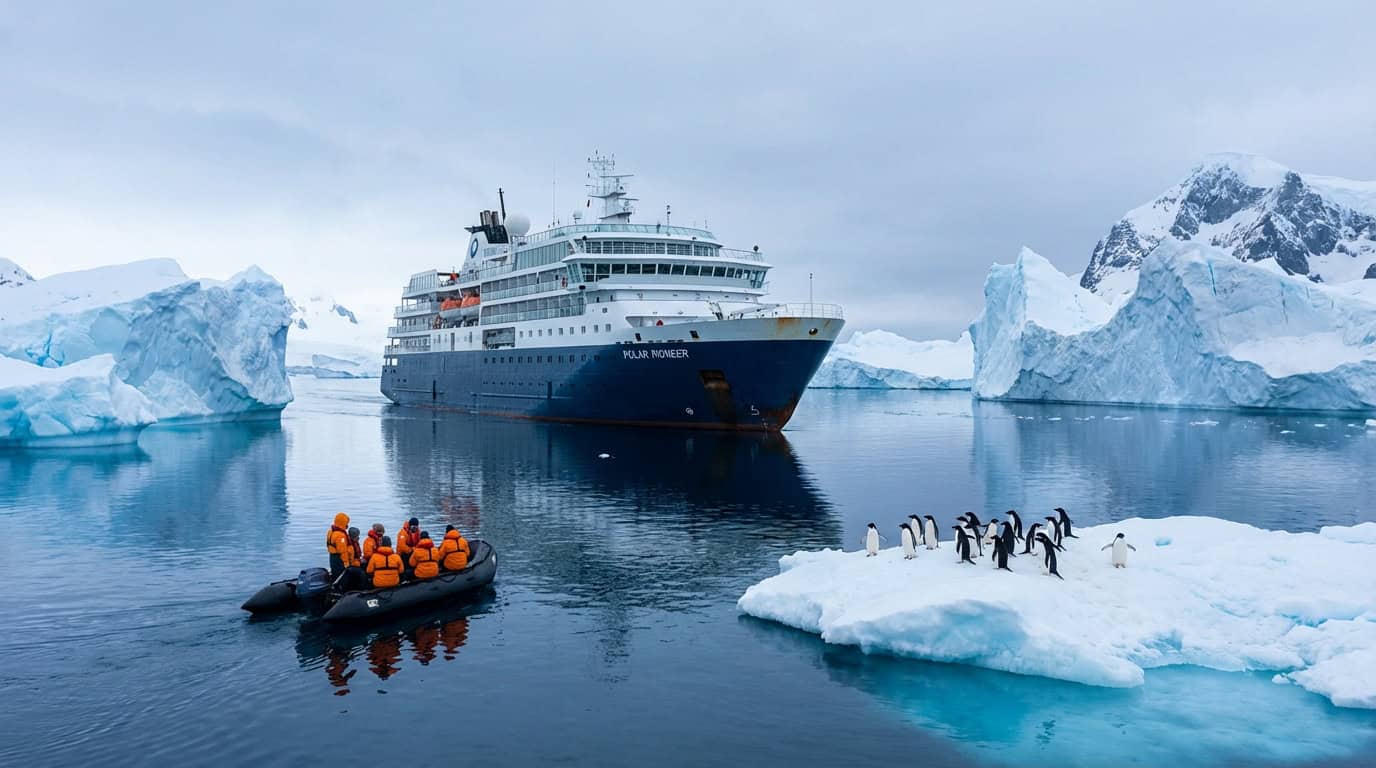
There is a profound, soul-stirring silence that only exists at the bottom of the world, broken only by the thunderous crack of a calving glacier or the playful blow of a humpback whale. Embarking on an Antarctica expedition cruise is no longer a feat reserved solely for grizzled explorers; it has become a transformative pilgrimage for anyone seeking the planet’s last great wilderness. Standing on the deck of a high-tech vessel as you navigate through a labyrinth of neon-blue icebergs, you realize that this isn’t just a vacation, it’s an entry into a pristine, white cathedral that few human eyes ever witness.
While the surge in modern polar travel has made the White Continent more accessible than ever, it remains one of the most exclusive and awe-inspiring journeys you can undertake. Planning this adventure requires more than just a suitcase; it demands a spirit of curiosity and a readiness for the unpredictable rhythms of the Southern Ocean. From the chaotic charm of massive penguin colonies to the serene glassiness of the Lemaire Channel, every mile traveled south offers a raw, unfiltered connection to nature. Getting the logistics right ensures that your focus remains exactly where it should be: on the breathtaking majesty of the ice.
Key Takeaways
- Selecting a smaller expedition vessel is critical for maximizing time on the ice, as international regulations limit shore landings to 100 people at a time.
- Crossing the Drake Passage serves as a transformative rite of passage that separates the familiar world from the pristine, unpredictable wilderness of the Seventh Continent.
- Successful polar exploration requires a strategic layering system of moisture-wicking base layers and high-quality waterproof gear to manage rapid weather shifts and splashy zodiac transfers.
- Strict environmental protocols, such as decontaminating gear and maintaining distance from wildlife, are essential sacred pacts required to preserve the fragile Antarctic ecosystem.
Navigating The Drake Passage And Beyond
Crossing the Drake Passage is a rite of passage that every adventurer must face before reaching the Seventh Continent. You never quite know if you will experience the Drake Shake, with its towering waves and dramatic swells, or the serene Drake Lake, where the water reflects the sky like a polished mirror. On our high-tech expedition vessel, the journey felt both exhilarating and safe as we stabilized through the legendary currents. I spent hours on the observation deck, feeling the crisp salt air and anticipating the moment our world would turn from deep blue to brilliant white. This stretch of ocean is the ultimate threshold, separating the familiar world from a wilderness that few ever get to witness.
The atmosphere on board shifted instantly when the first iceberg finally appeared on the horizon like a jagged diamond. Cheers erupted as we crowded the windows, marveling at the intense shades of electric blue radiating from the ancient ice. These massive sculptures are often larger than city blocks, serving as a silent welcome to the pristine Antarctic Peninsula. Our modern ship used advanced sonar to navigate these icy waters, allowing us to get incredibly close to the floating giants without disturbing the stillness. Seeing that first wall of ice is a transformative moment that makes every hour of travel across the Southern Ocean feel completely worth it.
As we moved beyond the passage and into the sheltered channels, the true scale of this frozen kingdom began to reveal itself. The silence of the landscape is profound, broken only by the distant crack of a calving glacier or the blow of a humpback whale nearby. We prepared our gear for the first landing, overwhelmed by the realization that we were finally standing at the edge of the world. This journey is about more than just checking a destination off a list, as it truly changes your perspective on the fragility of our planet. Navigating these waters is a humbling experience that prepares your heart for the wildlife and icy wonders that lie ahead.
Wildlife Encounters And Glacial Landings
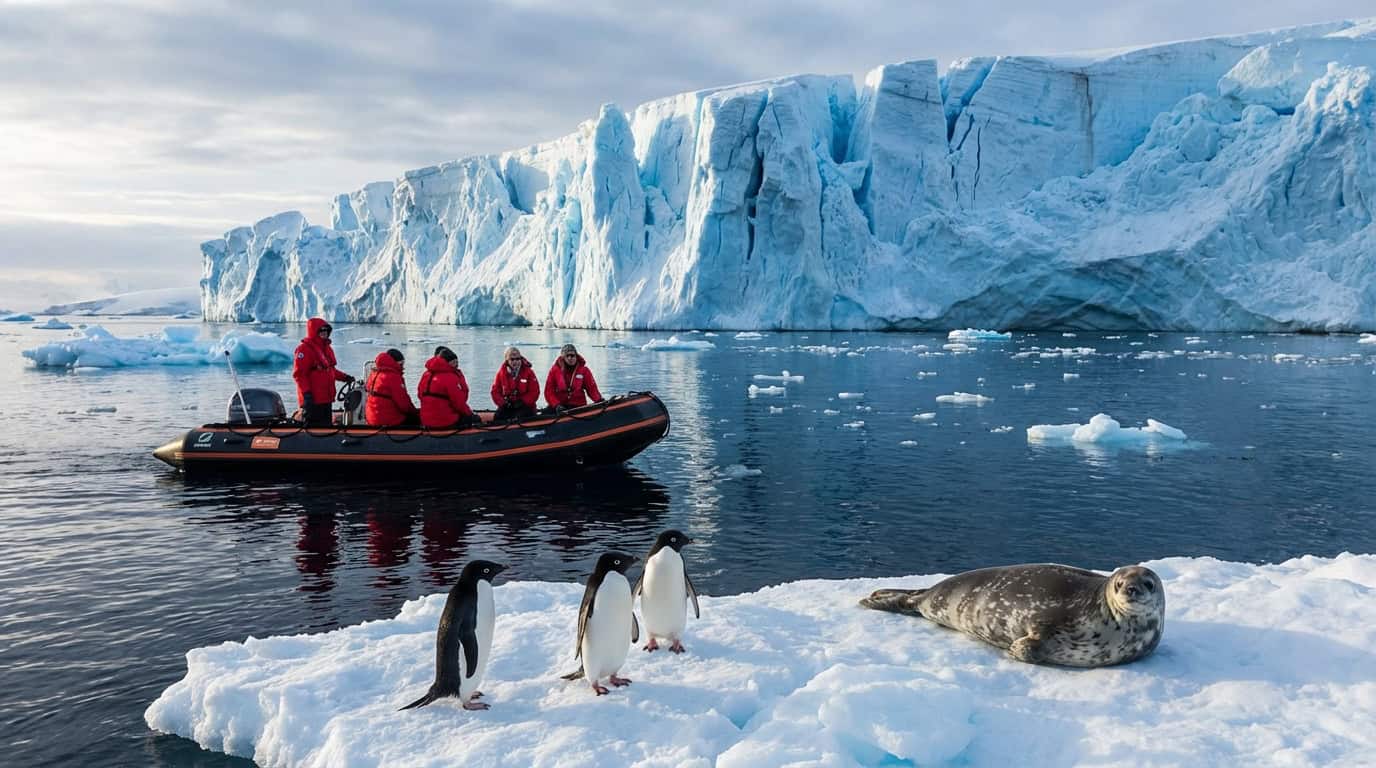
Stepping off the zodiac and onto the crunchy, frozen shoreline of the White Continent felt like landing on another planet entirely. I found myself standing just a few feet from a bustling Gentoo penguin colony, where the air was filled with their trumpeting calls and the frantic energy of nesting season. Watching these charismatic birds waddle along their penguin highways offered a profound sense of connection to a wilderness that remains largely untouched by human interference. The sheer scale of the landscape was humbling, with towering blue glaciers serving as a dramatic backdrop to the curious wildlife that seemed completely unfazed by my presence.
The true magic of the expedition unfolded when I traded the shore for the seat of a sea kayak in a pristine, mirror-like bay. Gliding through the water, the only sound was the rhythmic dip of my paddle until the powerful blow of a humpback whale echoed across the ice. We sat in silence as these gentle giants breached nearby, while a leopard seal patrolled the edges of a floating ice floe with a watchful eye. It was a transformative moment that underscored why this journey is a priority for so many travelers.
To make the most of these encounters, I highly recommend bringing a camera with a powerful zoom lens and waterproof housing for those close-up wildlife shots. Dress in high-quality layers to stay warm during long periods of observation, as the weather can shift from brilliant sunshine to biting winds in minutes. Most importantly, remember to put the camera down occasionally to simply breathe in the crisp, ancient air and absorb the silence. Planning your landings early in the season ensures you see the most pristine snow, while later trips offer the best opportunities for whale watching and seeing penguin chicks hatch.
Essential Planning For The Polar Frontier
Embarking on an Antarctica expedition cruise requires a thoughtful decision regarding your vessel class, as the size of your ship directly dictates your daily experience on the ice. While larger vessels offer incredible stability and high-tech amenities, a smaller expedition vessel is often the gold standard for those seeking maximum time off the boat. Because international regulations strictly limit the number of passengers allowed on shore at any one time to one hundred people, smaller ships allow everyone to disembark simultaneously for penguin colony visits. I found that being on a smaller vessel meant more spontaneous zodiac cruises and less time waiting in line to step onto the frozen continent.
Understanding the environmental protocols is just as vital as picking the right cabin for your journey. These regulations are designed to protect the pristine polar ecosystem, requiring us to vacuum our pockets for stray seeds and scrub our boots before every single landing. It is a transformative feeling to realize you are a guest in one of the world’s last true wildernesses, and following these rules ensures the whales and seals remain undisturbed. These guidelines are not just hurdles but are part of the sacred pact we make to keep Antarctica as wild as we found it.
Packing for the White Continent is an exercise in strategic layering rather than just bringing the heaviest coat you own. You will definitely want high-quality waterproof trousers and moisture-wicking base layers to stay dry during splashy zodiac transfers and snowy hikes. I always suggest investing in a pair of heavy-duty waterproof gloves and a reliable camera strap that fits over bulky parkas. Do not forget to pack a high-SPF sunscreen and polarized sunglasses, because the glare from the massive ice sheets can be surprisingly intense even on overcast days.
A Classic Ten Day Antarctic Peninsula Itinerary
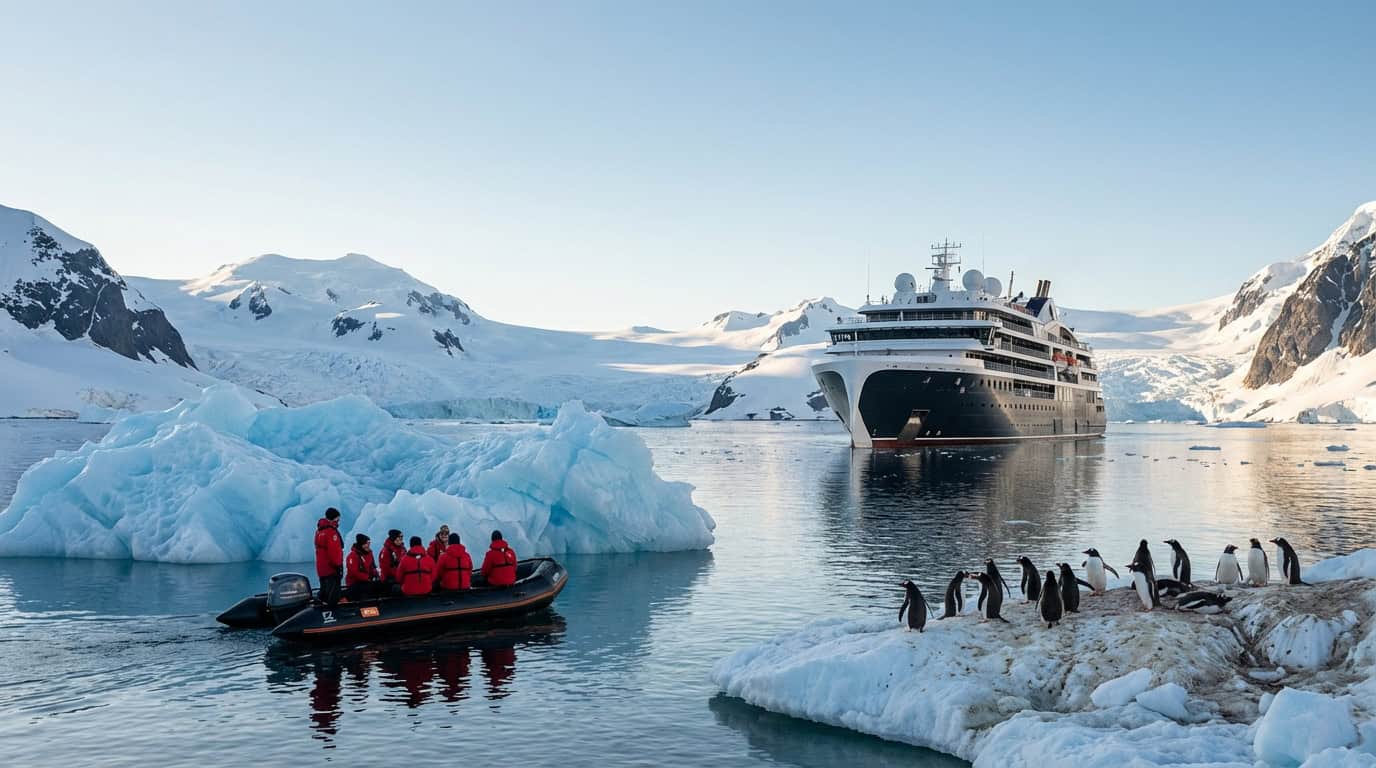
Your journey begins in Ushuaia, the southernmost city in the world, where you board your vessel and prepare to navigate the legendary Drake Passage. After two days of crossing these storied waters, the first sight of the South Shetland Islands emerges through the mist like a dream of white and blue. We spent our initial landings exploring the bustling penguin colonies of Aitcho Island, where the sheer scale of the wilderness truly begins to sink in. From there, we pushed further south into the Antarctic Peninsula, navigating the narrow, mirror-like waters of the Lemaire Channel. This passage is often called Kodak Alley because the towering glaciers and steep cliffs reflect so perfectly in the water that you can hardly tell where the sky ends and the sea begins.
One of the most transformative moments of the trip occurred during our landing at Neko Harbour, one of the few places where you can actually set foot on the Antarctic continent itself. As I hiked up the snowy ridge, the sound of a distant glacier calving rumbled like thunder across the bay, sending a small wave rippling through the icy water. We spent the afternoon watching gentoo penguins navigate their highways in the snow while Weddell seals dozed on floating ice floes nearby. The itinerary also included a stop at Deception Island, where we explored the haunting remains of an old whaling station inside the caldera of an active volcano. Every day offered a new perspective on a landscape that feels entirely untouched by the modern world, making the investment in this expedition feel more valuable with every mile traveled.
As the ship turned back toward the north, I found myself sitting on the deck in a state of total awe, wrapped in the profound silence that only the Great White Continent can provide. This isn’t just a vacation, it is a soul-stirring encounter with the raw power of nature that redefines your place in the world. While the average cost of ten thousand dollars per person is significant, the return on that investment is a lifetime of clarity and wonder. Seeing the pristine ice and fragile ecosystems firsthand creates a connection to the planet that no photograph can ever fully capture. For any traveler seeking a journey that is as much about inner transformation as it is about geographic exploration, this expedition is the ultimate achievement.
Embracing the Magic of the White Continent
Setting sail on an Antarctica expedition cruise is more than just a vacation, it is a profound journey to the final frontier of our planet. I still remember the absolute silence of the White Continent, broken only by the distant crack of a calving glacier or the playful splash of a Gentoo penguin. While the recent surge in travelers shows that more people are seeking this icy wilderness, the experience remains deeply personal and transformative. You will find yourself navigating through towering cathedrals of blue ice and witnessing wildlife encounters that feel like they belong in a nature documentary. This destination demands respect and preparation, but the reward is a perspective on the world that you simply cannot find anywhere else.
Planning your voyage requires balancing the thrill of adventure with the practicalities of a high-tech expedition. With average costs reflecting the exclusivity of the region, it is important to choose an itinerary that maximizes your time on the ice and provides expert naturalist guidance. I recommend looking for vessels that prioritize frequent zodiac landings and offer opportunities for kayaking or citizen science programs. Much like when you book the perfect island voyage in other remote corners of the globe, you must remember to pack high-quality layers and a waterproof camera to capture the Arctic light and the dramatic landscapes and curious leopard seals. As you prepare for this trip, keep in mind that you are joining a small group of global explorers who have witnessed the raw, untouched beauty of the southernmost point on Earth.
Ultimately, the magic of an Antarctic expedition lies in its ability to make you feel small in the best way possible. Standing on the deck as your ship pushes through the Drake Passage or glides into a glassy caldera creates a sense of wonder that stays with you long after you return home. It is a trip defined by spontaneity, where a sudden whale breach can change the course of your entire afternoon. While the logistics of reaching such a remote location are significant, every moment spent among the icebergs justifies the effort. If you enjoy the tranquility of the water, you might also consider Sailing Through Serenity on a different kind of northern adventure. I hope you feel inspired to take that leap and experience the breathtaking majesty of the frozen south for yourself.
Frequently Asked Questions
1. What is the best time of year to embark on an Antarctica expedition?
The peak travel season runs from late October to March when the ice melts enough for vessels to navigate. You will experience nearly 24 hours of daylight, allowing for maximum time to witness the neon blue icebergs and active wildlife under a constant, ethereal glow.
2. How do I prepare for the crossing of the Drake Passage?
Preparing for the Drake Passage requires a spirit of adventure and a bit of practical planning for motion. Whether you experience the Drake Shake or the Drake Lake, modern vessels use advanced stabilizers to keep the journey safe and comfortable as you cross this legendary threshold.
3. What kind of wildlife can I expect to see during the cruise?
You will find yourself immersed in a world of massive penguin colonies, playful humpback whales, and lounging seals. These animals have little fear of humans, offering a raw and unfiltered connection to nature that feels like stepping into a living wildlife documentary.
4. Is an Antarctica cruise suitable for someone who isn’t a professional explorer?
Modern polar travel has transformed this journey from a feat for grizzled explorers into a comfortable pilgrimage for any curious traveler. High-tech expedition vessels provide a safe, luxurious base camp that allows you to focus entirely on the breathtaking majesty of the ice.
5. What should I pack for a journey to the White Continent?
Success in the Antarctic climate depends on high-quality layers and waterproof gear to handle the unpredictable rhythms of the Southern Ocean. You need a mix of thermal base layers and sturdy outer shells to stay warm while standing on the deck to catch the thunderous crack of a calving glacier.
6. What makes an expedition cruise different from a standard vacation?
This is a soul-stirring entry into a pristine white cathedral rather than a typical sightseeing trip. Every mile traveled south challenges your perspective and offers a profound silence that you simply cannot find anywhere else on the planet. If you are looking for more cold-weather inspiration, you might consider a magical Arctic adventure to complement your polar bucket list.