
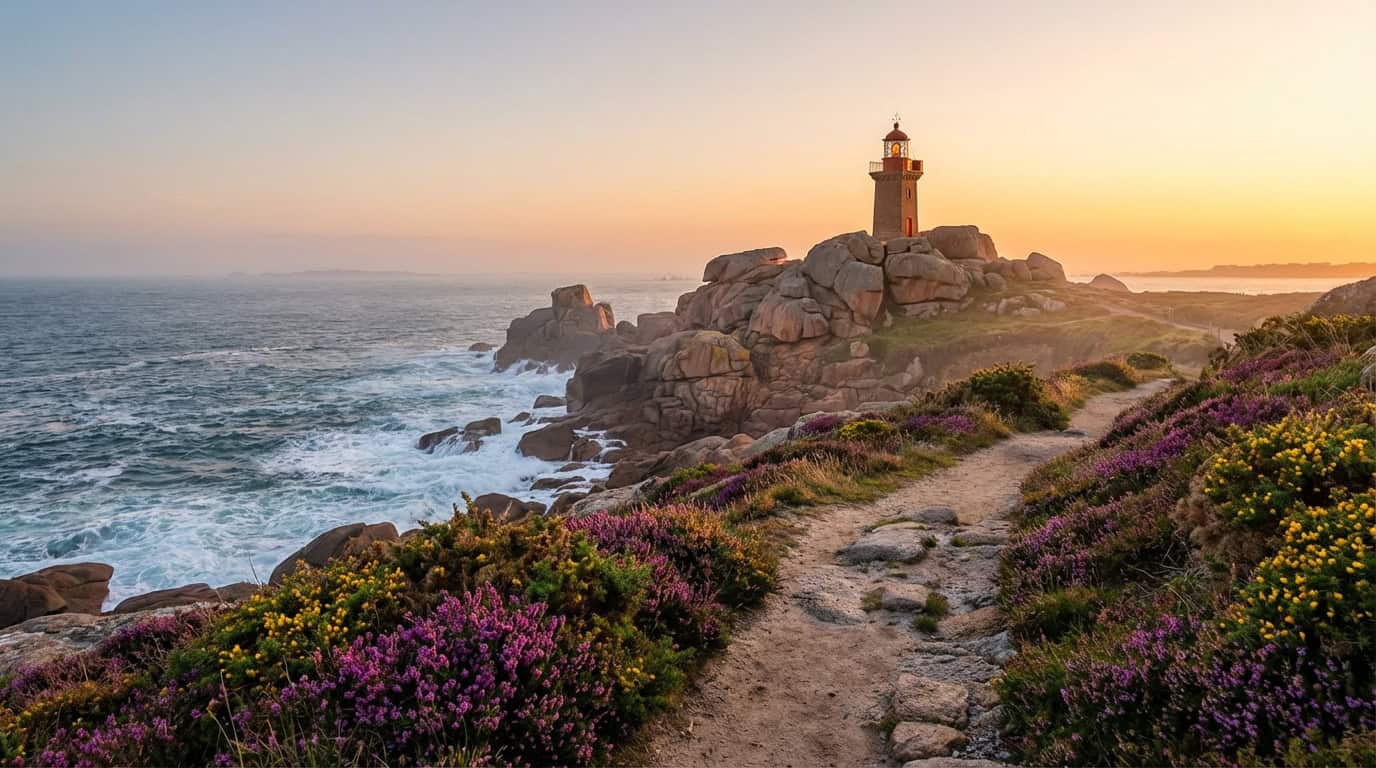
There is a raw, magnetic power to the French coast where the land finally surrenders to the Atlantic’s emerald embrace. Planning the perfect Bretagne coastal itinerary means preparing for a landscape of dramatic contrasts, from the fortified granite walls of Saint-Malo to the surreal, rosy hues of the Pink Granite Coast. I still remember the salt spray hitting my face as I walked the ancient ramparts, watching the tide swallow the path to Grand Bé in a matter of minutes.
Beyond the historic ports, the true magic lies in the rugged cliffs of Cap Fréhel and the medieval silhouette of Fort La Latte standing guard over the waves. You’ll find yourself winding through over 2,000 kilometers of diverse shoreline, where hidden coves and dizzying heights offer a sense of timelessness rarely found elsewhere. Whether you are chasing the golden hour across a jagged headland or sampling fresh oysters in a quiet harbor, this stretch of France promises an adventure that feels both wild and deeply restorative.
Key Takeaways
- The Brittany coast offers a diverse landscape of dramatic contrasts, ranging from the fortified granite ramparts of Saint-Malo to the surreal rose-hued boulders of the Pink Granite Coast.
- Successful navigation of the region requires strict attention to local tide tables, as many iconic sites and coastal paths are swallowed by the Atlantic with incredible speed.
- Prepare for a volatile maritime climate by prioritizing functional layers, including windproof rainwear and sturdy hiking boots for the rugged Sentier des Douaniers trails.
- The western Finistère region provides a raw ‘world’s end’ experience, characterized by the primal power of the Pointe du Raz cliffs and the maritime history of the Iroise Sea.
Exploring The Emerald Coast And Corsair Strongholds
Our journey begins in the legendary walled city of Saint-Malo, a place where the air smells of salt and the tall granite houses whisper stories of daring privateers. I highly recommend starting your morning by walking the full two kilometer loop atop the ramparts, which offers a bird’s eye view of the narrow cobblestone streets on one side and the turquoise English Channel on the other. If the tide is low, you can trek across the sand to the islet of Grand Be to visit the tomb of the writer Chateaubriand while watching the waves crash against the stone fortifications. This city feels worlds away from the manicured parks of Paris, offering a rugged and moody atmosphere that captures the true soul of the French northwest.
Leaving the corsair stronghold behind, the drive west toward Cap Frehel reveals some of the most dramatic coastal scenery in all of Europe. The landscape transforms into a wild expanse of pink sandstone cliffs draped in vibrant yellow gorse and purple heather, rising nearly seventy meters above the churning sea. You must take the time to hike the coastal path that leads directly to Fort La Latte, a fourteenth century castle perched precariously on a rocky finger of land. Crossing its drawbridge feels like stepping back into a medieval fever dream, especially when the mist rolls in to shroud the battlements in mystery.
To make the most of this leg of your itinerary, try to time your visit to the lighthouse at Cap Frehel for the golden hour just before sunset. The light hits the emerald water and the jagged rocks in a way that makes the entire coastline glow, providing the perfect backdrop for photography. I suggest wearing sturdy hiking boots as the trails can be uneven, and always keep a light windbreaker handy even in the summer months. This stretch of the Emerald Coast perfectly balances the weight of French history with the untamed power of the Atlantic, making it an essential stop for any traveler seeking a more atmospheric side of France.
Wandering Through The Magical Pink Granite Coast
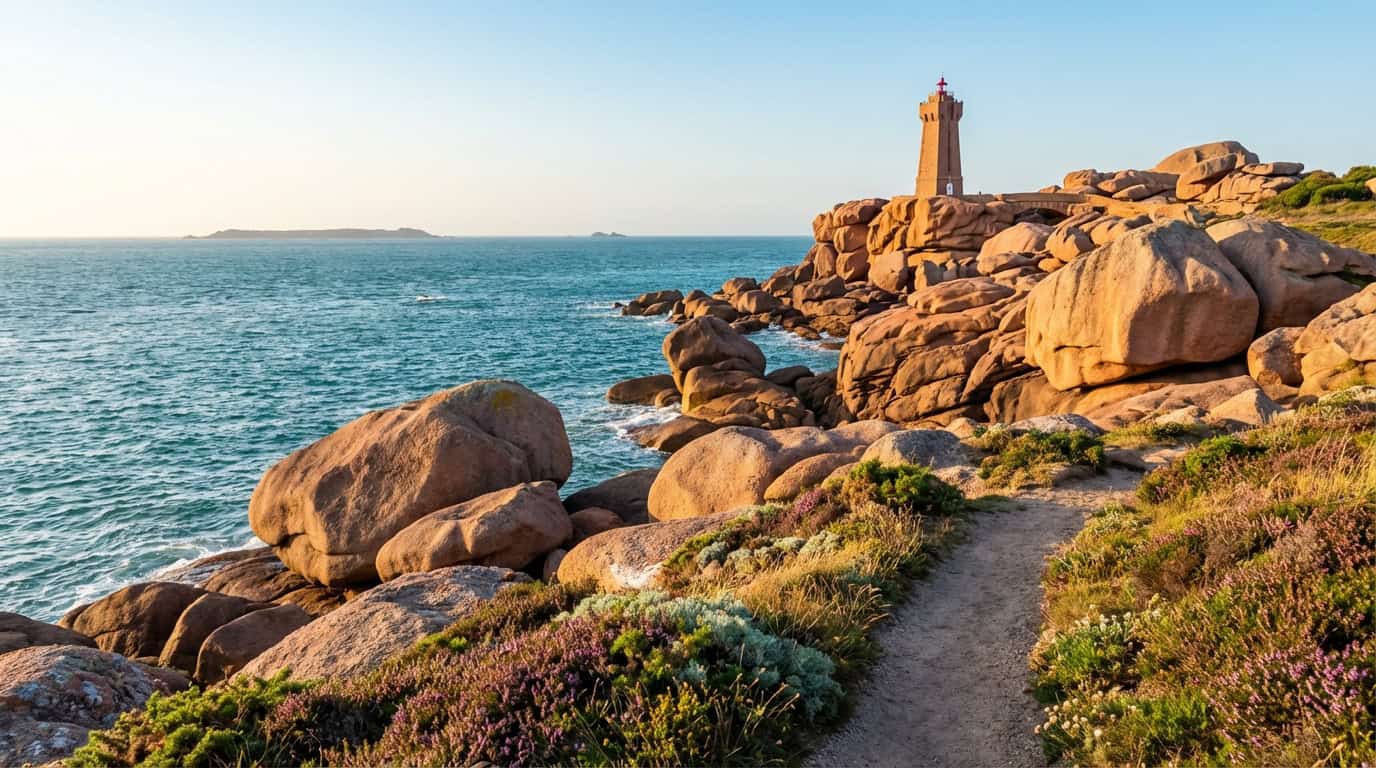
As you move along the northern edge of the Bretagne coastline, the scenery shifts from the deep greens of the Emerald Coast into a surreal, rose-hued wonderland known as the Pink Granite Coast. Stretching between the charming town of Perros-Guirec and the village of Ploumanac’h, this area feels worlds away from the manicured gardens of the south. I found myself wandering through a landscape where massive boulders, weathered by millennia of Atlantic salt and wind, take on whimsical shapes that defy gravity. The geological magic here comes from the rare presence of feldspar, which gives the stone its signature blush. It is a striking contrast to the turquoise water, creating a moody yet vibrant atmosphere that captures the rugged soul of Brittany.
To truly experience this natural gallery, I recommend parking in Perros-Guirec and setting off on the Sentier des Douaniers, a historic customs officers’ path that hugs the cliffs. Along this trail, you will encounter legendary formations like the Napoleon’s Hat or the Lovers’ House, tucked between towering stacks of pink stone. I suggest timing your walk for the golden hour, as the setting sun intensifies the warm glow of the rocks against the darkening Celtic Sea. Don’t miss the Mean Ruz lighthouse, which is built from the same local granite and stands as a stoic guardian over the crashing waves. This stretch of the itinerary offers the perfect blend of atmospheric mystery and raw natural beauty, making it an essential stop for any traveler seeking the wilder side of France.
Navigating The Wild Finistère And Rugged Western Capes
As we venture into the heart of Finistère, the landscape shifts from the charming emerald waters of the north to a raw, untamed world that truly feels like the edge of the earth. This region, known as Penn-ar-Bed in the local Breton language, offers a moody and soul-stirring alternative to the sun-drenched crowds of the south. My favorite way to experience this rugged beauty is by standing atop the jagged cliffs of Pointe du Raz, where the Atlantic Ocean crashes with a primal power against the rocks below. The air here is thick with salt spray and the echoes of ancient Celtic legends, making every hike along the coastal trails feel like a journey back in time. It is a place where nature remains firmly in charge, demanding respect and rewarding travelers with some of the most dramatic vistas in all of Europe.
To make the most of your time in the western capes, I recommend basing yourself near the medieval town of Quimper before heading toward the windswept Iroise Sea. Start your morning at the Pointe de Pen-Hir, where the famous Tas de Pois rock formations rise out of the turquoise water like giant stone sentinels. From there, follow the coastal roads to the Camaret-sur-Mer harbor to see the historic Vauban Tower and the eerie ship graveyard nearby. If you have an extra day, catching a ferry to the island of Ouessant provides the ultimate “world’s end” experience with its iconic lighthouses and wild, treeless plains. These stops offer a perfect blend of maritime history and natural grandeur, ensuring your itinerary captures the true, atmospheric spirit of western Bretagne.
Practical Tips For Your Breton Coastal Adventure
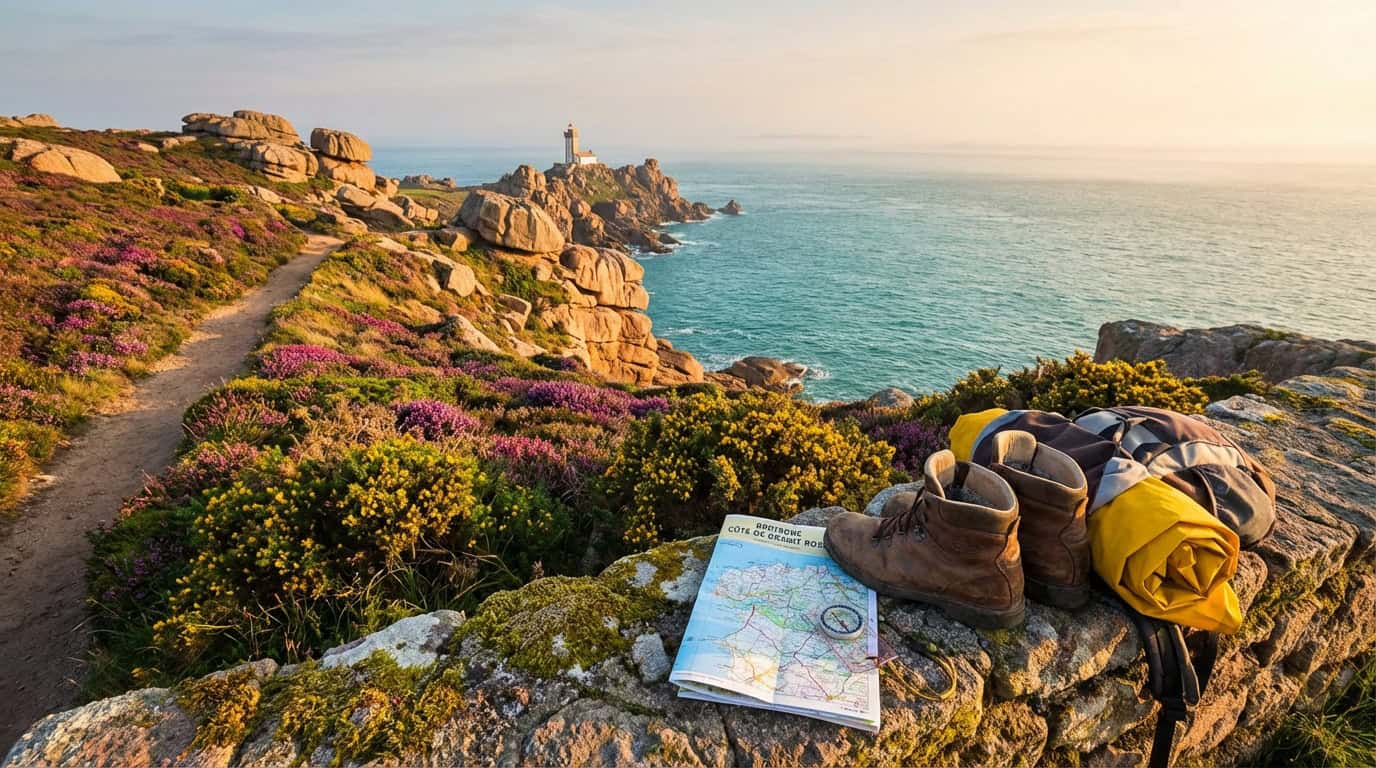
Timing your visit to this moody, Celtic corner of France is all about embracing the atmospheric shifts of the Atlantic. While the summer months of July and August offer the most predictable sunshine, I personally find that the shoulder seasons of May or September provide a more authentic, misty charm without the crowds. You should prepare for a maritime climate where the weather can change from a brilliant blue sky to a dramatic, gray drizzle in a matter of minutes. This ever-changing light is exactly what gives the granite cliffs and medieval ramparts their ethereal, timeless quality. Always check the local tide tables before setting out, as many of the most beautiful coastal paths and islets are only accessible when the sea retreats.
Packing for Bretagne requires a practical approach to layering that prioritizes function over high fashion. I highly recommend bringing a high-quality, windproof raincoat and sturdy waterproof boots for trekking along the rugged cliffside trails. Even in the height of summer, the coastal breeze can be quite biting, so a light wool sweater or a traditional striped Breton shirt is a must-have for evening strolls. Don’t forget a compact umbrella and a daypack with a waterproof cover to protect your camera from the sudden sea spray. Having the right gear allows you to fully immerse yourself in the wild landscape rather than seeking shelter when the clouds roll in.
No journey through the northwest is complete without indulging in the soul-warming flavors of a traditional Breton crêperie. You must try a savory galette made with nutty buckwheat flour, typically folded over melted cheese, ham, and a perfectly cooked egg. Pair your meal with a bowl of local dry cider, which is traditionally served in a ceramic cup rather than a glass for an authentic touch. For dessert, look for the buttery Kouign-amann, a caramelized pastry that perfectly represents the rich, indulgent heart of regional baking. These simple, rustic delicacies provide the perfect fuel for a day spent exploring windswept lighthouses and ancient stone villages.
Embracing the Wild Spirit of Brittany’s Coast
The rugged beauty of Brittany offers a soul-stirring alternative to the sun-drenched paths of the south, trading crowded beaches for mist-covered cliffs and ancient stone walls. Throughout this journey from the corsair ramparts of Saint-Malo to the dizzying heights of Cap Fréhel, we have explored a land where Celtic legends feel woven into the very fabric of the landscape. Standing atop the granite peaks as the Atlantic waves crash below provides a sense of raw power that you simply cannot find in a typical Mediterranean getaway. It is a place where history is not just found in museums but is lived along the windswept coastal paths and within the medieval heart of every seaside village.
Planning your own escape to this atmospheric corner of France requires little more than a sturdy pair of walking shoes and a desire for authentic discovery. I recommend starting your mornings early to catch the tide at Grand Bé before the afternoon crowds arrive to wander the cobblestone streets. Do not be afraid to veer off the main roads to find a quiet crêperie or a hidden cove where the emerald water meets the jagged shore. Whether you are photographing the pink hues of the granite coast or exploring a cliffside fortress, you will find that Brittany rewards the curious traveler with memories that linger long after the salt spray has dried.
The magic of a Breton itinerary lies in its ability to make you feel like you have stepped into a different era entirely. This region invites you to slow down, breathe in the crisp sea air, and embrace a moodier, more reflective style of travel that celebrates the wildness of nature. If you are looking for a destination that offers both dramatic scenery and deep cultural roots, the northwest coast is calling your name. Pack your bags for an unforgettable adventure through this enchanted landscape and let the spirit of the Atlantic guide you toward your next great story.
Frequently Asked Questions
1. When is the best time to visit the Bretagne coast?
Late spring through early autumn offers the most reliable weather for exploring the rugged headlands and coastal paths. Summer provides the warmest temperatures for enjoying hidden coves, but the moody atmosphere of a misty spring morning at Cap Fréhel is truly unforgettable.
2. How can I safely visit the tidal islands like Grand Bé in Saint-Malo?
Always check the local tide tables before setting out across the sand because the Atlantic waters rise with incredible speed. I recommend beginning your walk as the tide is receding to ensure you have plenty of time to explore the historic sites before the path disappears.
3. What is the most scenic way to travel between Saint-Malo and Cap Fréhel?
The coastal D786 road offers breathtaking views and allows you to wind through charming seaside villages at your own pace. This route ensures you won’t miss the dramatic transition from the granite walls of the corsair city to the sweeping moors and towering cliffs of the Emerald Coast.
4. Are the coastal paths suitable for casual hikers?
The Sentier des Douaniers offers well marked trails that are accessible for most fitness levels, though some sections near the cliffs can be steep. Wear sturdy walking shoes to navigate the rocky terrain and be prepared for the refreshing salt spray that often reaches the higher elevations.
5. What should I pack for a coastal road trip in Brittany?
Layering is essential because the weather can shift from brilliant sunshine to a brisk sea breeze in a matter of minutes. Be sure to include a high quality windbreaker, comfortable walking boots, and a camera to capture the surreal colors of the Pink Granite Coast.
6. What are the must see landmarks along this specific route?
You should prioritize the medieval ramparts of Saint-Malo, the historic Fort La Latte, and the iconic lighthouse at Cap Fréhel. These sites perfectly blend Brittany’s rich maritime history with the raw, natural beauty of the French coastline.