
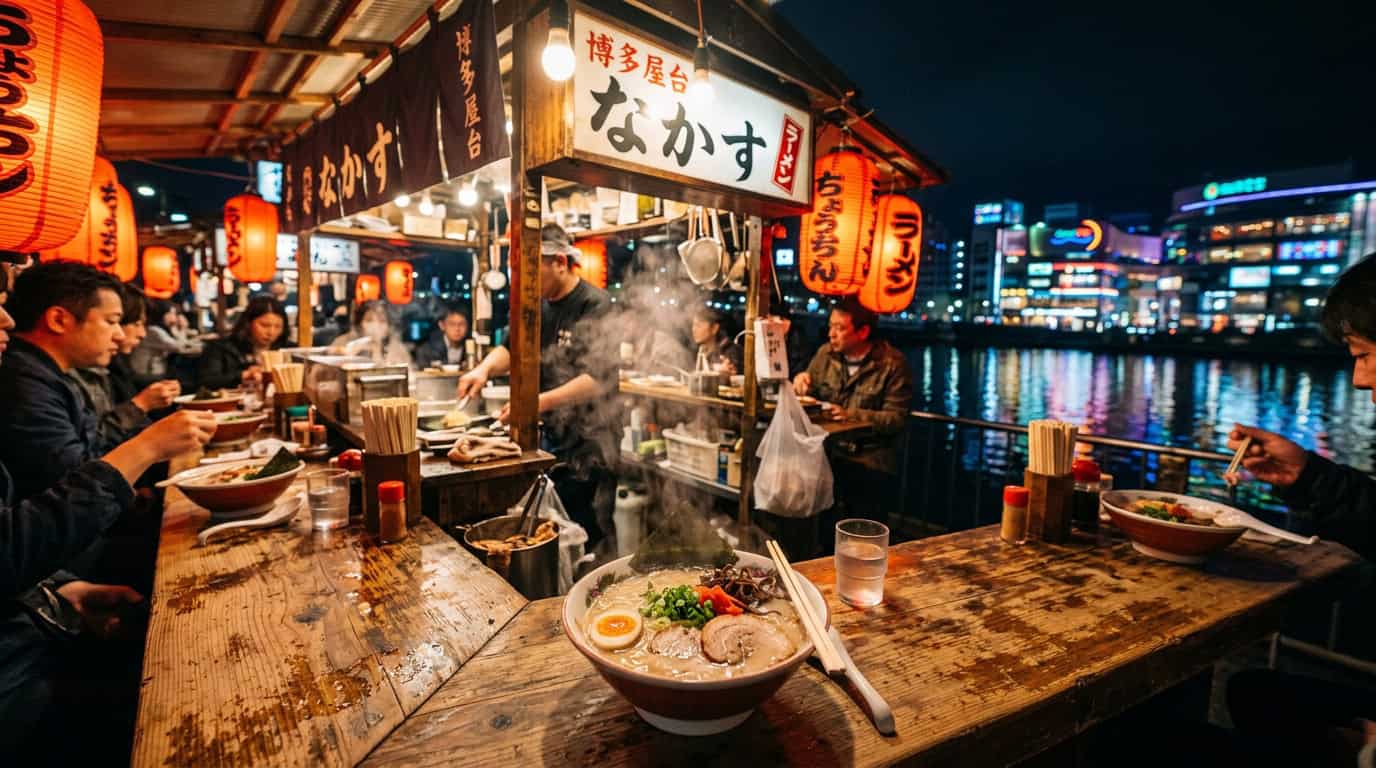
The moment the sun dips below the horizon in Fukuoka, the city transforms into a neon-lit playground for the senses, where the scent of rich pork bone broth and sizzling yakitori fills the humid evening air. Recently recognized as a top global gastronomic destination, this coastal gem has finally been celebrated for what locals have known for centuries: it is the undisputed culinary capital of Japan. I’ve designed this fukuoka food guide to help you navigate everything from hidden Michelin-starred gems to the steam-filled streets where tradition meets modern innovation.
There is nothing quite like pulling up a wooden stool at a riverside yatai, one of the iconic street food stalls that define the city’s soul. Whether you are rubbing elbows with locals in the bustling business district of Tenjin or watching the lights reflect off the water in Nakasu, the atmosphere is electric and intimate. Beyond the legendary ramen, you’ll discover a new wave of street food, such as French-inspired small plates and artisanal coffee, that proves this city is constantly reinventing its seat at the table.
Key Takeaways
- Fukuoka is Japan’s undisputed culinary capital, blending centuries-old traditions like Tonkotsu ramen with a modern wave of Michelin-starred dining and international fusion.
- The city’s soul resides in its iconic yatai, intimate outdoor food stalls in Nakasu and Tenjin where diners share communal space with locals to enjoy street food and social connection.
- Authentic Hakata ramen requires specific etiquette, such as choosing noodle firmness and utilizing the ‘kaedama’ system to order noodle refills for leftover broth.
- Beyond street food, the region’s gastronomic identity is defined by fresh seafood from the Nagahama market and communal specialties like Motsunabe and Mizutaki hot pots.
Navigating The Iconic Yatai Stalls Of Nakasu And Tenjin
Stepping into the neon glow of the Nakasu riverside at dusk is like entering the living heart of Fukuoka’s culinary soul. While other major hubs often feel curated for the masses, these intimate wooden carts offer a raw and authentic connection to local culture that you simply cannot find elsewhere. I remember squeezing onto a narrow bench between a local worker and a fellow traveler, the steam from a bubbling pot of tonkotsu ramen warming my face as the chef worked his magic just inches away. There is a beautiful sense of community here, where the barrier between the cook and the guest disappears under the canvas roof. Whether you are walking through the bustling rows of Nakasu or the more business-oriented streets of Tenjin, these stalls represent a resilient tradition that has defined the city for generations.
The etiquette of the yatai is simple yet essential for ensuring a smooth experience in these cozy spaces. Because each stall only seats about eight to ten people, it is polite to order at least one drink and a main dish, and to move along once you have finished so others can enjoy the magic. I was surprised to find that the menu options have evolved far beyond the classic Hakata ramen and grilled yakitori skewers. In recent years, a new wave of young chefs has introduced sophisticated French fusion, serving up escargot and wine alongside traditional favorites. This blend of old-world grit and modern gastronomy is exactly why this city has earned its reputation as a rising global food capital.
To make the most of your evening, I recommend starting in Tenjin for a slightly more local, spread-out vibe before walking toward the vibrant lights of the Naka River. Many stalls now provide English menus and clear pricing, making it easier than ever to enjoy the experience without hesitation. Don’t be afraid to strike up a conversation with your neighbor, as the friendly atmosphere is just as much a part of the meal as the food itself. From the savory smell of toasted gyoza to the clinking of glasses, the yatai provide a sensory journey that makes Fukuoka feel like a hidden gem. It is a place where every bowl of noodles tells a story of craftsmanship and hospitality.
Slurping Authentic Tonkotsu At The Source In Hakata
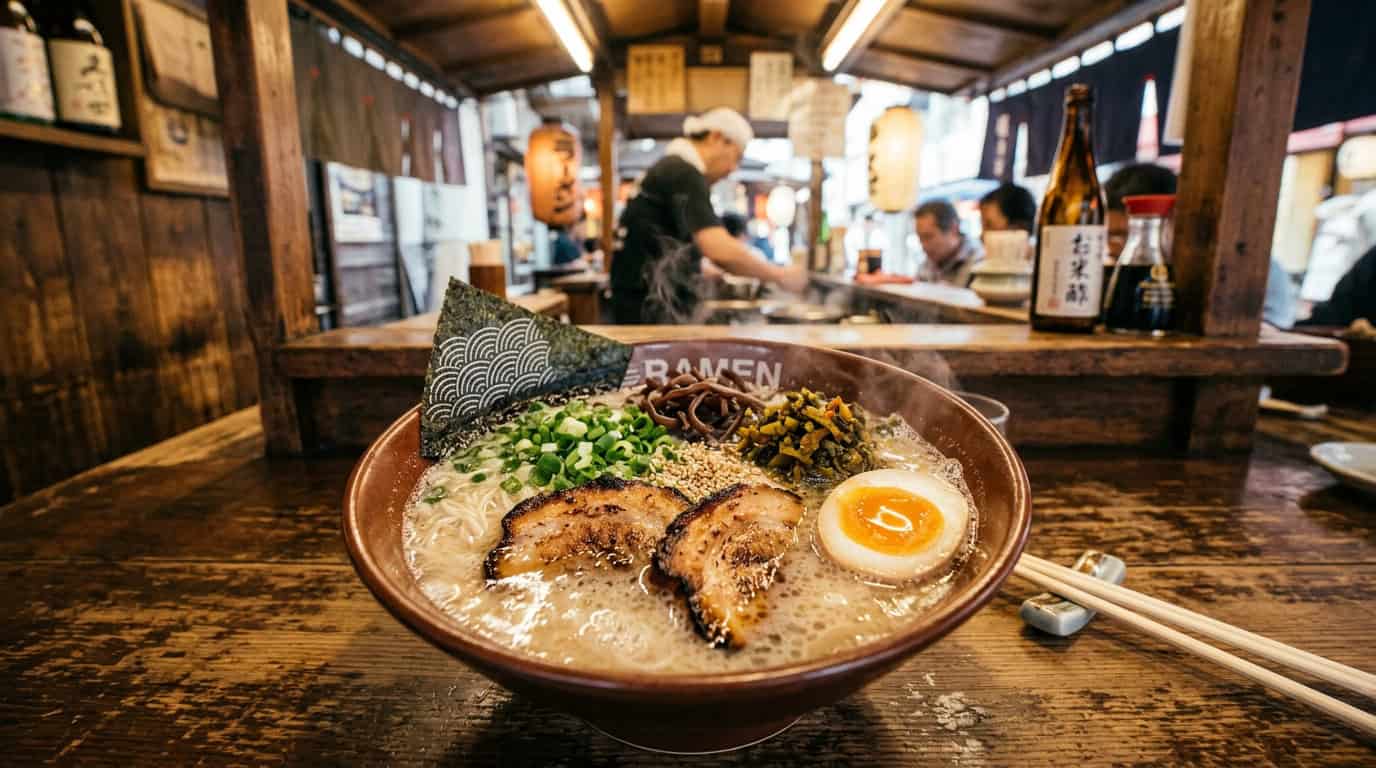
Stepping into a bustling ramen shop in the Hakata district is a sensory experience that defines Fukuoka as Japan’s rising culinary capital. Unlike the more polished scenes in other cities, the atmosphere here is raw and authentic, filled with the thick, savory aroma of pork bones simmering for hours. When you sit down, you will be handed a small slip of paper to customize your bowl, allowing you to choose everything from the richness of the oil to the exact firmness of the thin, straight noodles. I always recommend ordering your noodles kata or firm, as they continue to soften in the piping hot, creamy broth while you eat. If you find yourself still hungry after finishing your noodles, simply shout kaedama to order a fresh refill for just a few hundred yen.
For a truly local experience that avoids the typical tourist traps, head toward the Nagahama area near the fish market for a bowl of the city’s most traditional fare. This style of ramen was originally created to be served quickly to busy market workers, resulting in a lighter yet deeply flavorful broth that remains a local favorite. If you prefer a more lively evening setting, the yatai stalls in Tenjin offer a wonderful opportunity to slurp your soup while rubbing elbows with residents finishing their workday. My personal favorite spots are those tucked away in the narrow side streets where the menu is short and the broth has been perfected over decades. These humble shops prove that you do not need a Michelin star to experience the most soul-warming meal in southern Japan.
Savoring Coastal Flavors And Regional Motsunabe Specialties
Beyond the glow of the neon city lights, the heart of Fukuoka’s culinary identity lies in the daily catch from the Nagahama fish market. I recommend starting your morning early to witness the bustling energy of the docks where the freshest seafood in Japan arrives before sunrise. You can find small, unassuming eateries nearby that serve incredible kaisendon, which are bowls of rice topped with glistening slices of raw fish that melt in your mouth. The flavors here are clean and salty, reflecting the city’s deep connection to the surrounding Genkai Sea. It is a refreshing contrast to the heavier street foods found later in the evening, providing a true taste of the coastal lifestyle that locals cherish.
As the sun sets and the air turns cool, nothing beats the communal warmth of sitting down for a steaming pot of motsunabe. This savory beef offal stew is a Fukuoka staple, packed with garlic, leeks, and cabbage in a rich soy or miso broth. I love how this dish brings people together, as you share a single pot with friends while the flavors deepen and intensify over the flame. The offal is surprisingly tender and flavorful, soaking up the aromatic spices that make this meal a local obsession. It is the ultimate comfort food for travelers looking to escape the typical tourist trails and find something more authentic.
To truly eat like a local, you must remember that the meal does not end when the meat and vegetables are gone. Once the pot is nearly empty, it is a tradition to add champon noodles to the remaining concentrated broth to soak up every last drop of flavor. This final step is often the highlight of the night, turning a simple stew into a hearty feast that leaves you feeling completely satisfied. Whether you are tucked into a cozy corner restaurant or a lively yatai stall, this experience captures the soulful spirit of the city. Fukuoka proves that you do not need a white tablecloth to have one of the most memorable dining experiences of your life.
Planning Your Ultimate Three Day Fukuoka Food Itinerary
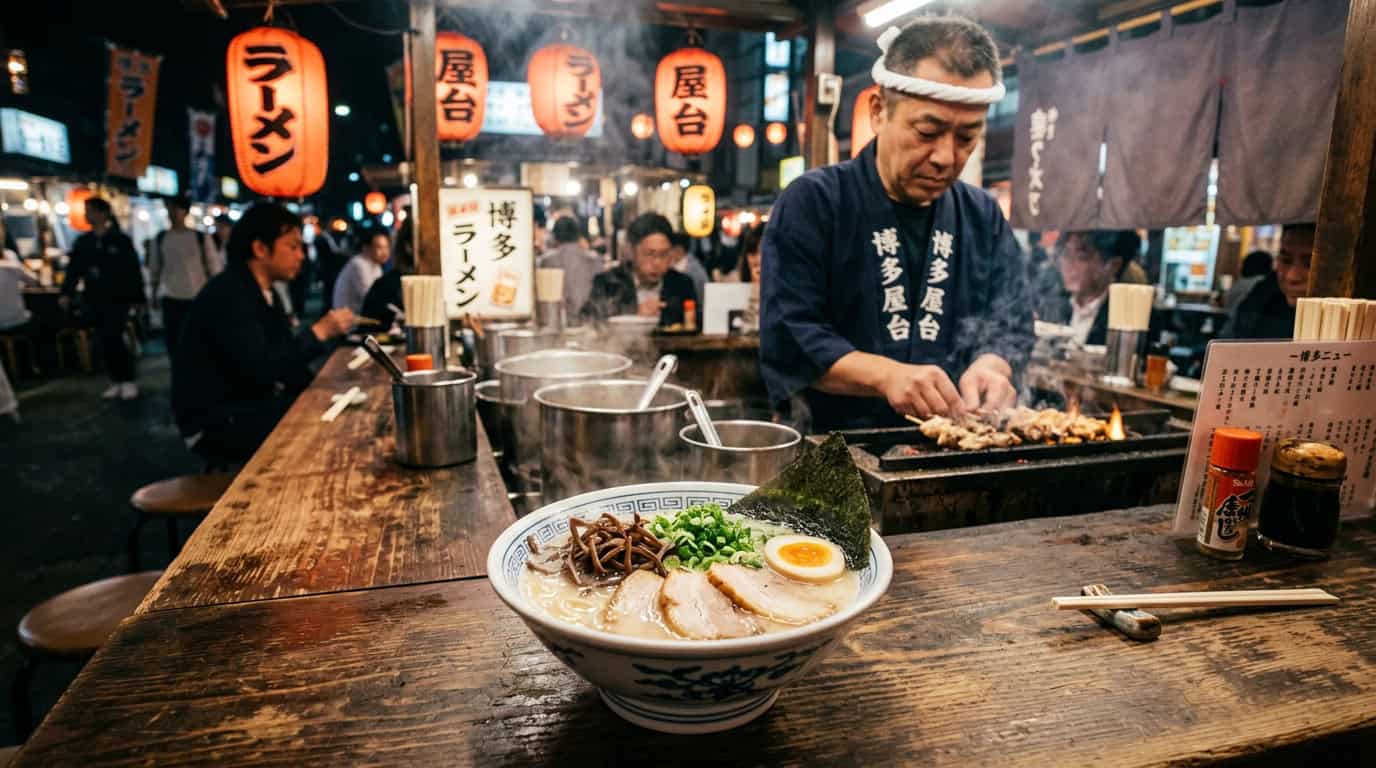
To kick off your three-day culinary adventure, I recommend starting with the heart of the city’s soul by exploring the bustling Nagahama district. This area is home to a legendary fish market where you can enjoy the freshest catch of the day before wandering toward the iconic yatai street food stalls. As evening falls, find a seat at a wooden cart in Tenjin to experience the lively, local atmosphere that makes this city so special. I love the way the scent of charcoal-grilled skewers fills the air while you chat with your neighbors over a steaming bowl of Nagahama ramen. This first day is all about embracing the authentic, gritty charm that defines the southern culinary capital.
On your second day, we shift focus toward the city’s sophisticated side by balancing traditional flavors with modern excellence. I suggest booking a lunch at one of the Michelin-recognized establishments to see how local chefs are elevating regional ingredients into fine art. Spend your afternoon wandering through the tranquil Ohori Park or exploring the historic temples of Hakata to work up an appetite for the night ahead. For dinner, head to the scenic Nakasu riverside where the glow of neon lights reflects off the water. Here, you can sample everything from classic gyoza to surprising new additions like French-inspired street food that has recently taken the yatai scene by storm.
Your final day should be a celebration of the city’s diverse food landscape, starting with a deep dive into the local markets for edible souvenirs. I always recommend visiting the smaller backstreet stalls to find unique condiments and snacks that you simply cannot find in other major cities. For your farewell meal, seek out a specialized mizutaki restaurant to try the famous communal specialties that warmed my soul during my first visit. This itinerary ensures you experience every layer of the city, from the prestigious awards of the global gastronomic stage to the humble stools of a riverside cart. By the time you leave, you will understand why this vibrant destination has become the ultimate playground for serious food lovers.
Why Fukuoka is Japan’s Best-Kept Culinary Secret
While other regions often steal the spotlight with their massive crowds and famous landmarks, Fukuoka offers a refreshing change of pace that feels like a well-kept secret. You will find that the city lacks the overwhelming tourist congestion of the more common routes, allowing for a more intimate and genuine connection with the local culture. Walking through the streets, I felt less like a spectator and more like a guest invited to share in a centuries old culinary tradition. The atmosphere here is relaxed yet vibrant, making it the perfect destination for travelers who prioritize soul over spectacle. This is where you can truly slow down and savor every bite without the pressure of a ticking clock or a long queue.
The magic of Fukuoka really comes alive at night when the yatai lanterns begin to glow along the riverbanks and city sidewalks. Sitting shoulder to shoulder with locals at a wooden cart in Tenjin or Nakasu provides a level of social warmth you simply cannot find in the sprawling dining halls of larger metropolises. Whether you are slurping a bowl of creamy Nagahama ramen or trying a French inspired dish at a modern stall, the experience is defined by personal interaction and shared stories. These open air kitchens are the heartbeat of the city, representing a unique blend of high end recognition and humble street food roots. It is this balance of world class quality and approachable hospitality that makes the city the rising gastronomic capital of the country.
If you are planning your next Japanese adventure, I cannot encourage you enough to head south and experience this coastal gem for yourself. Fukuoka proves that you do not need to follow the typical tourist trail to find the best flavors and most memorable moments of your trip. From the bustling fish markets to the quiet charm of a riverside stall, every meal tells a story of a city that honors its past while embracing a bold culinary future. Pack your appetite and prepare to fall in love with a place that feels like home from the very first bite. You might just find that this southern escape becomes the highlight of your entire journey.
Frequently Asked Questions
1. What exactly is a yatai and where can I find the best ones?
Yatai are cozy, traditional open air food stalls that pop up across the city at sunset, offering an intimate dining experience you won’t find anywhere else in Japan. You should head to the Nakasu riverside for a vibrant atmosphere by the water, or explore the Tenjin district to dine alongside local professionals in a bustling urban setting.
2. Is it difficult to get a seat at these street food stalls?
Since most stalls only seat about eight to ten people, they fill up quickly during peak evening hours. I recommend arriving right as they open around 6:00 PM or being prepared to wait in a short, friendly line while soaking in the neon city views.
3. What is the must-try dish for a first-time visitor to Fukuoka?
You cannot leave without trying a steaming bowl of authentic Tonkotsu Ramen, which features a rich and creamy pork bone broth that originated right here. It is the soul of the city’s food scene and tastes best when enjoyed on a wooden stool at a roadside stall.
4. Can I find modern food options beyond traditional Japanese dishes?
Absolutely, because Fukuoka is currently undergoing a culinary renaissance that blends tradition with fresh, international influences. You will find a new wave of stalls serving everything from French inspired small plates to artisanal coffee, proving the city is a global leader in modern gastronomy.
5. Are the yatai stalls tourist friendly for non-Japanese speakers?
Yes, the atmosphere at these stalls is incredibly welcoming and communal, making it easy for travelers to feel at home. Many chefs are used to international guests and the physical proximity to the cooking makes it simple to point out what looks delicious. If you enjoy this vibe, you might also love navigating Taipei night markets for a similar street food adventure.
6. What is the best time of day to experience the Fukuoka food scene?
While the city has great lunch spots, the magic truly happens after the sun dips below the horizon and the neon lights turn on. This is when the yatai stalls emerge and the streets fill with the incredible scents of sizzling yakitori and bubbling broth.
To master the local etiquette, you should learn about the kaedama’ system and how it allows you to enjoy fresh noodles with your remaining savory broth.