
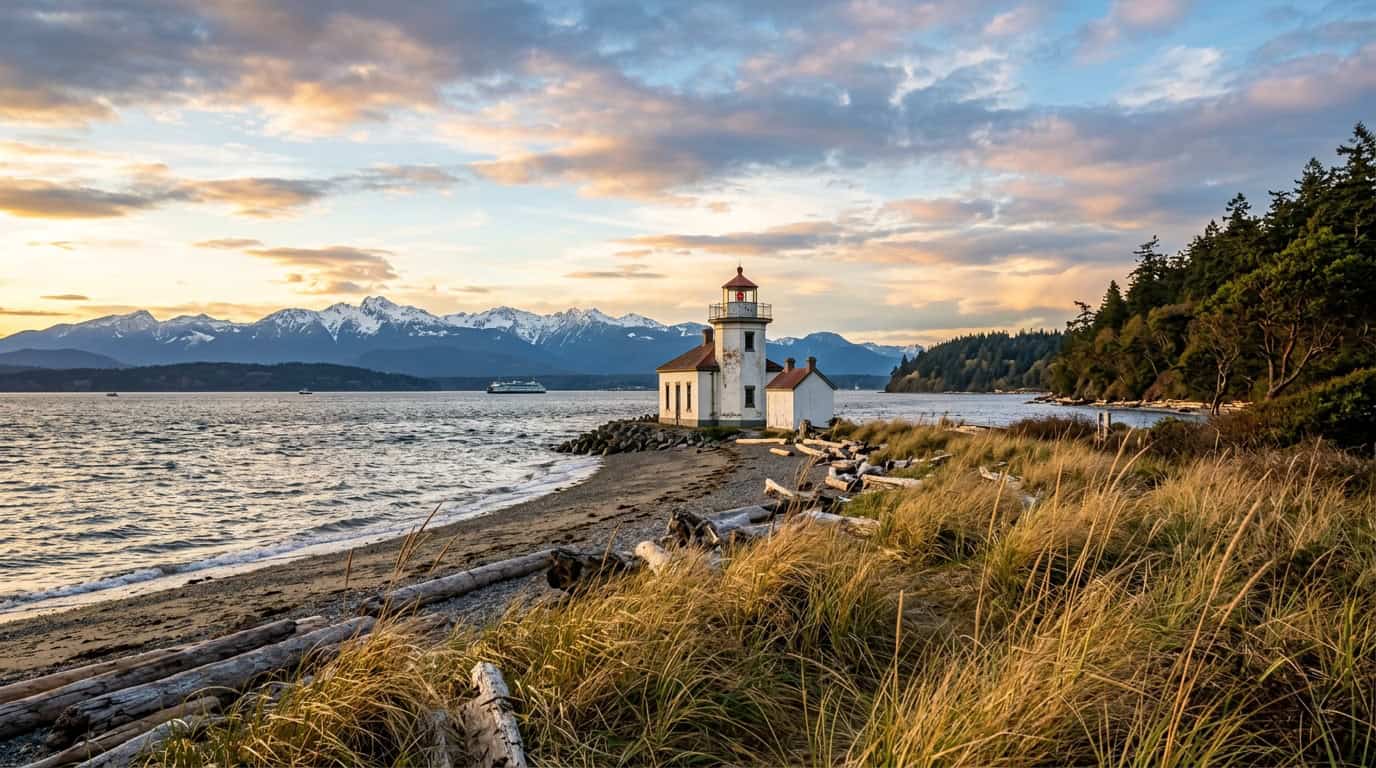
Stepping into Discovery Park feels like stumbling upon a secret wilderness hidden right in the heart of the city. Spanning 534 acres of rugged sea cliffs, golden sand dunes, and lush forests, this crown jewel of the Magnolia neighborhood offers a breathtaking escape from the urban grind. I still remember the first time I stood on the bluff overlooking the Puget Sound; the salty breeze and the sheer scale of the environment made me forget I was just minutes away from downtown.
Whether you are a local looking for a weekend sanctuary or a traveler planning your first Pacific Northwest adventure, these 11.8 miles of trails hold something truly magical. You can spend your morning birdwatching among 300 different species or hiking down to the historic West Point Lighthouse to watch harbor seals play in the surf. It is the kind of place that inspires pure wanderlust, proving that you do not have to travel far to find a world that feels completely untouched.
Key Takeaways
- Discovery Park offers a 534-acre urban wilderness in Seattle’s Magnolia neighborhood, featuring 11.8 miles of trails that transition from dense Douglas fir forests to dramatic sea cliffs and sand dunes.
- The historic West Point Lighthouse serves as a premier destination for coastal wildlife viewing, where visitors can spot harbor seals, bald eagles, and occasionally orcas against the backdrop of the Olympic Mountains.
- The Daybreak Star Cultural Center provides a vital link to the region’s Indigenous heritage, offering a space to explore Native American art and traditions on land reclaimed from the former Fort Lawton military base.
- Successful navigation of the park requires strategic planning, including parking at the East or South lots, dressing in layers for rapid coastal weather shifts, and preparing for steep elevation gains when returning from the beach.
Hiking The Iconic Discovery Park Loop Trail
The Discovery Park Loop Trail is the center of this urban wilderness, offering a 2.8 mile journey that feels worlds away from the downtown skyline. As I stepped onto the path, the dense canopy of Douglas firs and bigleaf maples immediately muffled the city sounds, replacing them with the rustle of leaves and birdcall. This National Recreation Trail is perfectly manageable for most skill levels, yet it delivers some of the most dramatic scenery in the region. I love how the terrain shifts from lush, shaded forests to open meadows that seem to glow in the afternoon sun. It is the kind of place where you can truly breathe deeply and reconnect with nature without ever leaving the city limits.
One of my favorite stretches occurs as the trail emerges onto the high sea cliffs, where the views of the Puget Sound open up in a breathtaking panorama. On a clear day, the snow capped peaks of the Olympic Mountains stand sharp against the horizon, creating a stunning backdrop for the sparkling blue water below. I spent several minutes just watching the ferries glide across the sound, feeling the cool salt breeze rise up from the shore. The trail also winds past unique sand dunes that feel surprisingly desert like, providing a fascinating contrast to the typical evergreen forests of Washington. It is a sensory experience that defines the rugged beauty of the coast.
As you navigate the loop, keep your eyes peeled for the local residents that make this 534 acre sanctuary so special. I was lucky enough to spot a pair of bald eagles circling above the bluffs, and the park is famous for being home to everything from curious owls to coastal coyotes. If you have extra time, I highly recommend taking the steep wooden stairs down to the beach to see the historic West Point Lighthouse up close. Standing at the westernmost point of the city, you can often spot harbor seals bobbing in the waves or even a passing pod of orcas. This hike is a reminder that you do not need to drive for hours to find a profound connection with the wild Pacific Northwest.
Coastal Magic At West Point Lighthouse

The trek down to West Point Lighthouse feels like a secret escape from the city as the forest trail suddenly opens up to sweeping views of the Puget Sound. Built in 1881, this historic white tower stands as a silent sentinel on the westernmost tip of Seattle, surrounded by driftwood and salty air. I love walking along the pebbled shoreline here because the contrast between the rugged sea cliffs and the elegant West Point Lighthouse creates a perfect Pacific Northwest postcard. It is the ideal spot to sit on a sun-bleached log and watch the ferries glide across the water toward the Olympic Mountains. The hike back up the bluff is a bit of a workout, but the coastal magic you experience at the water’s edge makes every step worth the effort.
If you keep your eyes peeled on the water, you are very likely to spot some of the local marine residents lounging just offshore. Harbor seals are frequent visitors here, often popping their dark, puppy-like heads above the surface or sunning themselves on distant rocks during low tide. For the best chance at a sighting, I recommend bringing a pair of binoculars and scanning the kelp beds where they like to hunt. If you are incredibly lucky, you might even see the tall dorsal fin of an orca or the mist from a gray whale’s blowhole out in the deeper channels. I always tell my friends to be patient and stay quiet for a few minutes, as the sound of a whale breathing is something you will never forget.
Cultural Heritage At Daybreak Star Center
Walking through the meadows of Discovery Park, you can still feel the echoes of its past life as Fort Lawton, a major military installation that once stood guard over the sound. While many of the old officer quarters and yellow barracks still stand as silent witnesses to the early 20th century, the land underwent a profound transformation in the 1970s. It was during this time that Native American activists reclaimed a portion of the surplus military land through nonviolent protest. This powerful act of resistance and reclamation eventually led to the creation of the Daybreak Star Cultural Center, which now serves as a vibrant heart for the urban Indigenous community.
Visiting the Daybreak Star Cultural Center today is an essential part of any trip to the park, offering a deep connection to the Indigenous heritage of the Coast Salish peoples who have called this region home since time immemorial. The architecture itself is breathtaking, featuring massive cedar timber frames and intricate carvings that reflect traditional longhouse styles while overlooking the sparkling waters of the sound. Inside, you will find a stunning permanent collection of contemporary and traditional Native American art that tells a story of resilience and cultural pride. I always recommend checking their calendar for public powwows or art markets, as these events provide a unique opportunity to experience the living traditions of the Pacific Northwest in a truly sacred space.
As you plan your afternoon, make sure to take a moment of quiet reflection on the grounds surrounding the center, where the forest meets the bluff. It is a place that reminds us that travel is about more than just beautiful views, as it is also about understanding the layers of history and the people who fought to preserve these areas. You can easily spend an hour wandering through the Sacred Circle Gallery or simply sitting outside to appreciate the peaceful atmosphere away from the city noise. This cultural hub bridges the gap between the military history of the area and its Indigenous roots, making your visit a much more meaningful and grounded experience.
Essential Tips For Your Discovery Park Visit
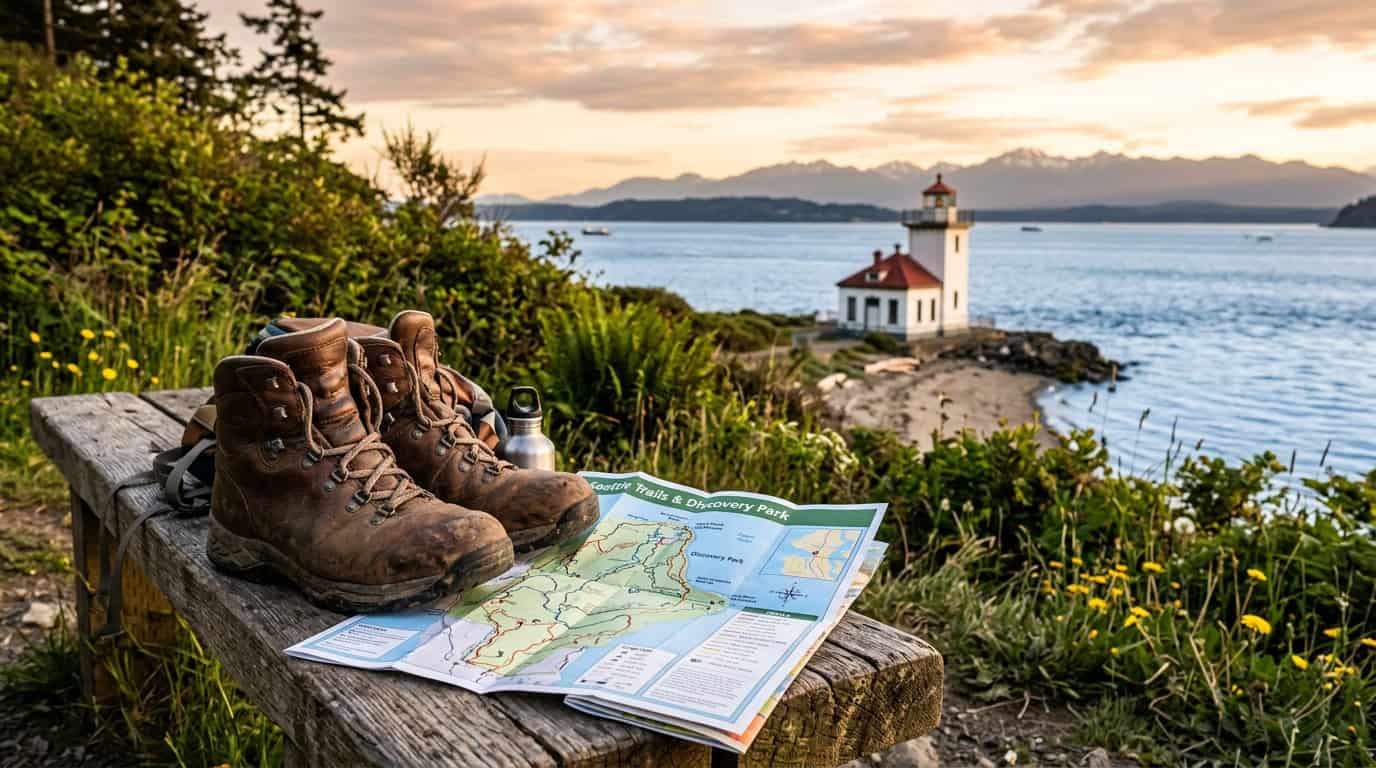
Navigating the sprawling 534 acres of Discovery Park starts with a little bit of strategic planning, especially since the visitor center is currently closed. I recommend heading straight to the East or South parking lots if you want the best chance of snagging a spot, as these areas provide direct access to the most popular trailheads. While the visitor center facilities are unavailable, you can still find maps posted at the main kiosks to help you navigate the 11.8 miles of winding paths. I always suggest snapping a photo of the trail map with your phone before you head into the woods, just in case you lose your bearings among the towering evergreens.
One of the most surprising things about this urban wilderness is how quickly the weather can shift as you move from the protected forest to the exposed sea cliffs. You might start your hike in a warm, sun-dappled grove only to face a chilly, salt-sprayed breeze the moment you reach the West Point Lighthouse. I have learned to always dress in layers and pack a light windbreaker, even if the city feels perfectly mild when you leave your hotel. The microclimate at the beach can be significantly cooler than the bluff, so being prepared ensures you can comfortably watch for harbor seals or passing orcas without catching a chill.
To make the most of your trek down to the Puget Sound shoreline, remember that the hike back up involves a fairly steep elevation gain. The sandy dunes and tidal flats are breathtakingly beautiful, but they require a bit of stamina to exit, so I recommend wearing sturdy walking shoes rather than flip-flops. If you are planning to stay for sunset at the lighthouse, bring a reliable flashlight or headlamp for the walk back through the forest trails. This park is a true Pacific Northwest gem that feels worlds away from the downtown skyline, provided you come prepared for its rugged cliffs and diverse terrain.
Finding Peace at Seattle’s Rugged Coastal Escape
Discovery Park truly represents the soul of the Pacific Northwest, offering a rugged escape that feels miles away from the bustle of downtown. Whether you are trekking the nearly twelve miles of trails or exploring the historic grounds of Fort Lawton, there is a sense of peace here that you simply cannot find anywhere else in the city. I always find myself drawn back to the West Point Lighthouse, where the salt air and the sound of the waves provide the perfect backdrop for a slow afternoon. It is the ultimate destination for anyone seeking a true urban wilderness experience without leaving the city limits.
There is no better way to end your adventure than by watching the sun dip below the Olympic Mountains from the high bluffs. As the sky turns vibrant shades of pink and orange, the silhouette of the lighthouse against the Puget Sound creates a scene that feels like a living postcard. I have sat on these cliffs countless times, watching for harbor seals or the occasional whale breach while the city lights begin to flicker in the distance. It remains my absolute favorite spot for a sunset, and I promise that making the trip to this wild coastlines treasure will be the highlight of your Pacific Northwest journey.
Frequently Asked Questions
1. What makes the Discovery Park Loop Trail so special?
This 2.8 mile National Recreation Trail is the heart of the park, offering a perfect blend of lush Douglas fir forests and dramatic sea cliff views. It is manageable for most skill levels and provides a refreshing escape where you can hear birdcalls instead of city traffic.
2. Can I see the West Point Lighthouse during my visit?
Yes, you can hike down to the historic West Point Lighthouse to see the iconic structure and watch harbor seals playing in the surf. It is one of the most picturesque spots in the park and serves as a perfect destination for your coastal wanderings.
3. How large is Discovery Park and where is it located?
Discovery Park is a massive 534 acre urban wilderness located in the Magnolia neighborhood. It is the city’s largest public park, offering a rugged landscape of sand dunes, forests, and cliffs just minutes from the downtown core.
4. Is Discovery Park a good spot for birdwatching?
Discovery Park is a true sanctuary for nature lovers, home to approximately 300 different species of birds. Whether you are exploring the open meadows or the dense forest canopy, you will find incredible opportunities to spot local wildlife in their natural habitat, much like you would on a birdwatching safari in more remote global destinations.
5. What kind of views can I expect from the park cliffs?
When you reach the high sea cliffs, you are treated to a breathtaking panorama of the Puget Sound. On clear days, the snow capped peaks of the Olympic Mountains stand sharp against the horizon, creating a scene that will truly inspire your wanderlust.
6. Are the trails difficult to hike?
The park features 11.8 miles of trails, including the popular Loop Trail which is designed to be accessible for most visitors. While some paths lead down to the beach and require a bit more effort on the climb back up, the terrain is generally friendly for casual hikers and families alike.