
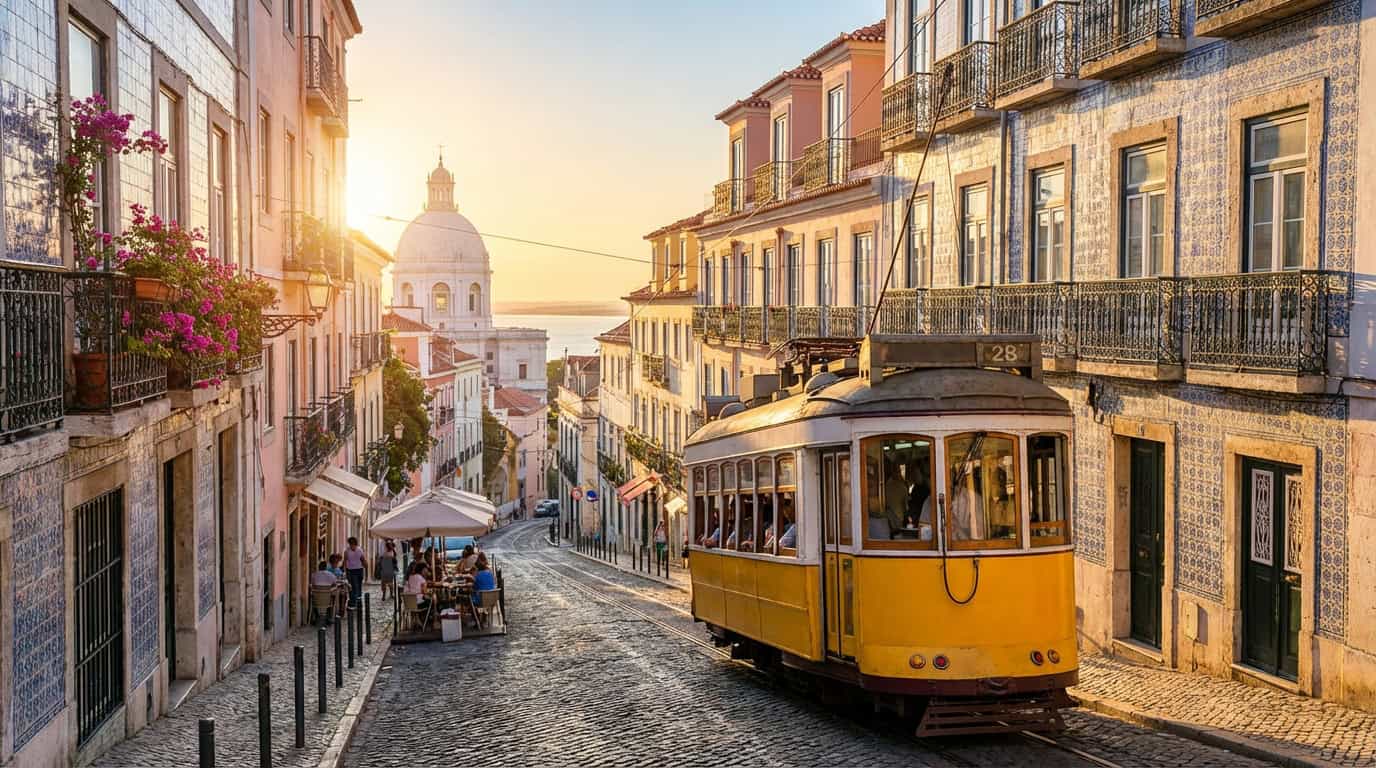
Lisbon is a city of micro-lifestyles, where a five-minute walk can transport you from a medieval stone alleyway to a sleek, futuristic waterfront. I remember getting lost in the labyrinth of Alfama, lured by the haunting melody of Fado, only to find myself an hour later sipping a flat white in a high-tech hub filled with global entrepreneurs. This Lisbon neighborhood guide is designed to help you navigate these distinct worlds, ensuring you find the perfect corner of the city that resonates with your personal travel style.
The Portuguese capital has mastered the art of balancing its historic soul with a vibrant, modern energy that caters to both weekend explorers and long-term travelers. Whether you crave the grand, sun-drenched plazas of Baixa or the bohemian boutiques of Chiado, choosing the right base is the secret to a seamless trip. From the rhythmic clatter of the yellow trams to the panoramic views at every hilltop miradouro, your ideal Lisbon experience starts with understanding the unique personality of each district.
Key Takeaways
- Lisbon is a city of distinct micro-lifestyles, requiring travelers to choose a neighborhood base—like the medieval labyrinth of Alfama or the grand, flat boulevards of Baixa—that aligns with their specific travel pace.
- The city’s cultural identity is defined by the contrast between the soulful, traditional Fado music found in historic taverns and the sophisticated, modern energy of districts like Chiado and Príncipe Real.
- Practical exploration in Lisbon demands sturdy footwear to navigate steep, slippery limestone cobblestones and a willingness to climb to hilltop ‘miradouros’ for the best panoramic views.
- Belém serves as an essential riverside destination for experiencing Portugal’s maritime history and UNESCO World Heritage sites while indulging in the original ‘Pasteis de Belém’ custard tarts.
The Soul Of Alfama And Historic Baixa
Stepping into Alfama feels like entering a living time capsule where the scent of grilled sardines wafts through steep, stone corridors. As I navigated the narrow labyrinth, I found that the best way to experience this ancient district is to ditch the map and let the sound of a distant 12 string guitar lead the way. You will eventually stumble upon a tucked away tavern where the soulful, melancholic strains of Fado music fill the air, offering a raw glimpse into the Portuguese heart. These intimate performances are best enjoyed with a glass of local wine and a plate of petiscos, making for an evening that feels deeply personal and timeless. Be prepared for a workout, as the hilly terrain requires sturdy shoes, but the panoramic views from the Portas do Sol viewpoint make every climb worthwhile.
Once you have soaked in the medieval charm of the heights, the journey takes a dramatic turn as you descend into the grand, geometric streets of Baixa. This downtown district was meticulously rebuilt after the great earthquake of 1755, resulting in wide boulevards and magnificent plazas that contrast sharply with the tangled alleys above. I love walking through the majestic Arco da Rua Augusta to reach the Praça do Comércio, a massive riverside square that opens up to the sparkling Tagus River. Because this area is uniquely flat, it serves as the perfect home base for exploring local landmarks like the ornate Santa Justa Lift or grabbing a pastry at a historic cafe. It is the buzzing center of the city where Lisbon’s imperial past meets the vibrant energy of modern travelers.
Bohemian Nights In Bairro Alto And Chiado
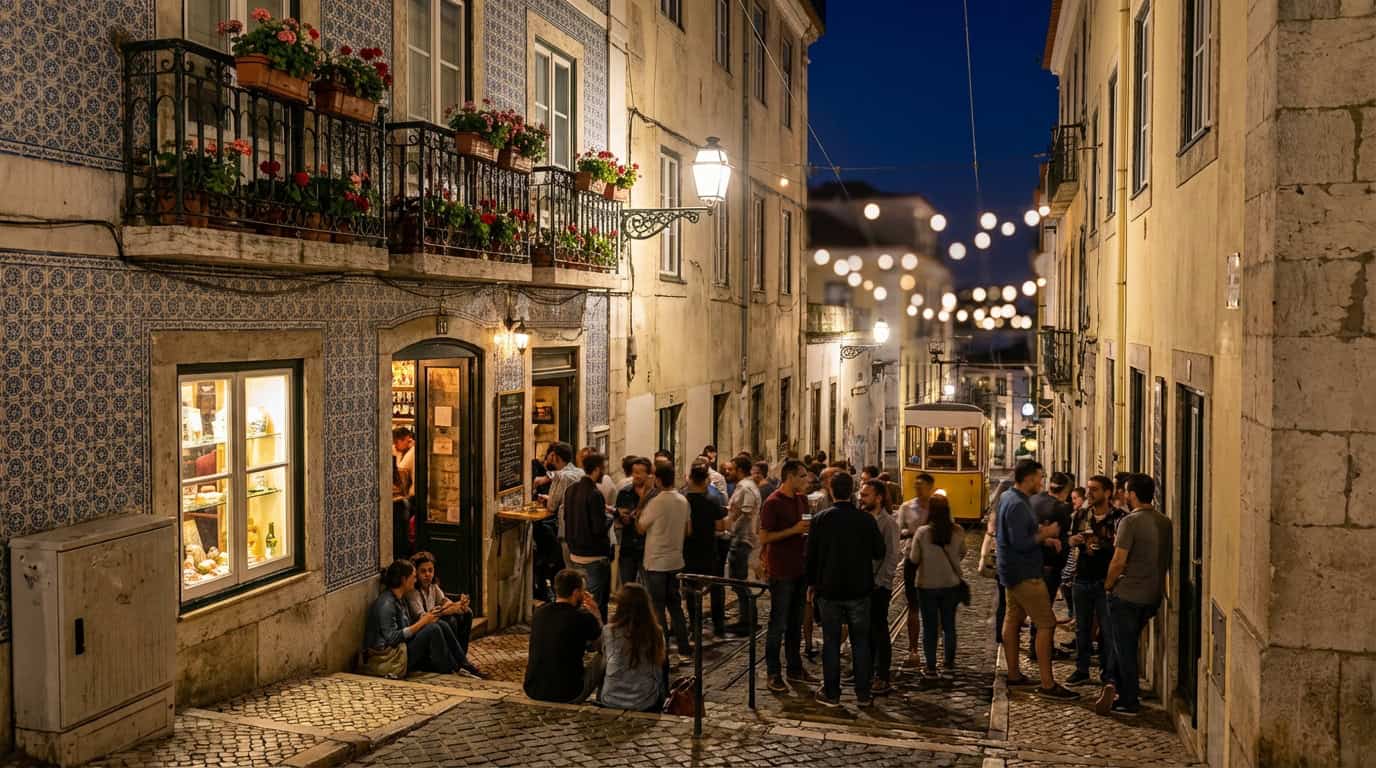
Chiado represents the sophisticated heart of Lisbon, where the scent of freshly roasted coffee mingles with the history of Portugal’s greatest literary figures. I always suggest starting your afternoon at the iconic cafe where the bronze statue of Fernando Pessoa sits, as it offers the perfect vantage point for people watching before you explore the bohemian boutiques nearby. This neighborhood managed to retain its elegance after the great fire of 1988, blending restored architecture with contemporary fashion houses and old world bookstores. As you wander through these tiled streets, you will feel the transition from the city’s intellectual past to its vibrant, modern energy. It is the ideal place to pick up a high quality souvenir or simply soak in the refined atmosphere of the historic center.
As the sun begins to dip towards the Tagus River, the energy shifts and leads us naturally uphill into the narrow, graffiti covered alleys of Bairro Alto. While the neighborhood appears sleepy during the day, it transforms into a bustling open air party where locals and travelers congregate with drinks in hand. You can hear the haunting, soulful melodies of Fado drifting from small taverns, providing a stark and beautiful contrast to the lively chatter in the streets. I love finding a tiny hole in the wall spot to grab a cheap glass of wine before joining the crowd at the Miradouro de Sao Pedro de Alcantara. The view from this lookout point is spectacular, offering a panoramic sunset over the castle and the red rooftops of the city.
To make the most of your evening, remember that Bairro Alto is famous for its verticality and can be a bit of a workout for your legs. Wear comfortable shoes because those limestone cobbles can be quite slippery, especially after a light rain or a spilled drink. Most of the best Fado houses require a reservation if you want a sit down dinner, but you can often find smaller venues that allow you to stand near the door and listen for free. After the music ends, follow the flow of the crowd toward the Pink Street area if you want to keep the night going into the early hours. This district truly captures the bohemian spirit of Lisbon, where every corner tells a story of the city’s enduring love for art and nightlife.
Modern Elegance In Príncipe Real And Avenida
Walking up the hill from the bustling downtown, you will immediately feel the shift as the air becomes scented with jasmine and the pace of life slows into a graceful rhythm. Príncipe Real is my personal favorite for a leisurely afternoon because it perfectly blends 19th-century aristocratic charm with a cutting-edge boutique scene. You can wander through the Jardim do Príncipe Real, where a massive cedar tree provides a natural canopy for locals sipping coffee and discussing the day’s events. The neighborhood is famous for its Embaixada, a stunning neo-Moorish palace that has been converted into a series of high-end shops showcasing local Portuguese designers. It is the ideal place to find a unique souvenir that carries the soul of Lisbon’s modern creative movement.
Just a short stroll away, the atmosphere shifts toward the grand architecture and designer storefronts of Avenida da Liberdade. This wide, tree-lined boulevard is often compared to the Champs-Élysées, featuring intricate black-and-white stone mosaics underfoot that tell the story of the city’s meticulous craftsmanship. I love ducking into the side streets here to find hidden botanical gardens and quiet kiosks that offer a peaceful reprieve from the high-end shopping. While the main strip is home to international luxury brands, the real magic lies in the historic theaters and grand hotels that line the route. It is a sophisticated stretch of the city that manages to feel both worldly and deeply rooted in Portuguese history.
If you are looking for a more residential feel with a touch of elegance, this district offers a perfect balance of quiet streets and vibrant social spots. I highly recommend visiting the Botanical Garden of Lisbon, a hidden jungle tucked away behind the main road that feels like a secret world of exotic plants and towering palms. Afterward, find a seat at a rooftop bar overlooking the Tagus River to watch the sunset paint the white buildings in shades of gold and pink. This area provides a refreshing contrast to the medieval labyrinth of Alfama, giving you a glimpse into the posh, contemporary lifestyle that many locals cherish. It is an essential stop for anyone who wants to experience the polished side of Lisbon’s hilly terrain.
Riverside Wonders And The Magic Of Belém

While the heart of the city beats to the rhythm of soulful Fado in the narrow alleys of Alfama, a short trip west along the Tagus River reveals a completely different side of Lisbon’s personality. Belém is where the city opens up, trading steep hills for wide promenades and monumental architecture that pays tribute to Portugal’s storied Age of Discovery. I always recommend starting your morning at the Belém Tower, a limestone fortress that looks as if it is floating on the water, before walking to the nearby Padrão dos Descobrimentos. This massive monument celebrates the explorers who set sail from these very shores to map the unknown world, and standing at its base makes you feel the immense weight of history. The air here is salty and fresh, providing a welcome breeze as you soak in the views of the 25 de Abril Bridge stretching across the horizon.
No journey to this riverside district is complete without indulging in the legendary Pasteis de Belém, the original custard tarts that have been baked here since 1837. You will likely see a long line snaking out the door, but do not let that deter you because the experience of eating them warm, dusted with cinnamon and powdered sugar, is a rite of passage. I love taking my box of tarts over to the gardens in front of the Jerónimos Monastery to enjoy them while admiring the intricate Manueline stonework of the UNESCO World Heritage site. This massive complex is a masterpiece of late Gothic architecture, filled with maritime motifs like carved ropes and coral that reflect the nation’s connection to the sea. It is the perfect spot to slow down, watch the river traffic go by, and appreciate how Lisbon seamlessly blends its grand imperial past with a relaxed, modern lifestyle. Much like soaking in Budapest thermal baths, visiting these historic sites offers a profound connection to European heritage and local tradition.
Finding Your Perfect Lisbon Home Base
Choosing the right base for your Lisbon adventure ultimately depends on the rhythm you want to follow through these sun-drenched, hilly streets. If you crave the haunting melodies of fado and the feeling of stepping back into the Middle Ages, the labyrinthine stone alleys of Alfama will surely capture your heart. Those who prefer a flatter landscape and easy access to grand plazas like Praça do Comércio should settle into the neoclassical elegance of Baixa. For travelers who want to be in the center of the action with trendy boutiques and historic cafes, Chiado offers a sophisticated blend of old-world charm and modern convenience.
Every corner of this city tells a story of resilience, from the ancient walls that survived the great earthquake to the vibrant street art decorating the steep staircases. I recommend packing your most comfortable walking shoes and embracing the climb, as the best views are always found at the top of a grueling hill. You might find yourself sharing a ginjinha with a local or discovering a hidden courtyard where the scent of grilled sardines fills the air. Lisbon is a city that rewards the curious traveler who is willing to wander without a map and get lost in its colorful, tiled magic.
Whether you spend your days riding the iconic yellow trams or your nights listening to soulful music in a dimly lit tavern, Portugal’s capital will leave a lasting impression on your soul. The balance between traditional heritage and a modern, creative energy makes this one of the most exciting destinations in Europe. Start planning your itinerary today and prepare to fall in love with the golden light reflecting off the Tagus River. Your Portuguese journey is waiting to begin, and these distinct neighborhoods are ready to welcome you with open arms and warm hospitality.
Frequently Asked Questions
1. Which neighborhood is best for experiencing traditional Fado music?
Alfama is the undisputed heart of Fado where you can get lost in stone alleyways and follow the soulful melodies into tiny taverns. I recommend visiting a local tasca for an intimate performance paired with a glass of wine and petiscos. It is a deeply personal experience that feels like stepping back in time.
2. What should I pack for a day of exploring Alfama and the historic center?
Comfortable, sturdy walking shoes are your best friend because the terrain is famously hilly and the cobblestones can be slippery. You will definitely want a camera ready for the panoramic views at the Portas do Sol viewpoint. I also suggest carrying a light layer for when the sun sets and the Atlantic breeze picks up.
3. Is Lisbon a good destination for digital nomads and long term travelers?
The city has evolved into a premier hub that perfectly balances historic charm with modern infrastructure for remote workers. You can spend your morning working from a sleek, futuristic coworking space and your afternoon sipping a flat white in a vibrant neighborhood. It is a city of micro lifestyles that caters to both productivity and exploration.
4. Where can I find the best panoramic views of the city?
The hilltop miradouros are scattered throughout the city and offer some of the most breathtaking vistas in Europe. The Portas do Sol viewpoint in Alfama is a personal favorite of mine for watching the sun hit the orange rooftops. These spots are perfect for gathering your thoughts and soaking in the rhythmic energy of the yellow trams below.
5. What is the vibe of the Baixa district compared to Alfama?
Baixa is characterized by grand, sun drenched plazas and a more structured, neoclassical layout that feels open and regal. While Alfama is a medieval labyrinth of narrow corridors, Baixa offers wide boulevards that are perfect for a leisurely stroll. It serves as a fantastic central base for navigating the different personalities of the city.
6. How do I choose the right neighborhood for my stay?
Your ideal base depends on whether you crave the bohemian boutiques of Chiado or the historic soul of the older districts. I suggest thinking about your personal travel style, such as whether you prefer being near the sleek waterfront or tucked away in a quiet, hilly alleyway. Every corner of Lisbon offers a unique micro lifestyle, so you really cannot go wrong. If you have more time in the country, you might even consider Azores island hopping to see the wilder side of Portugal.