
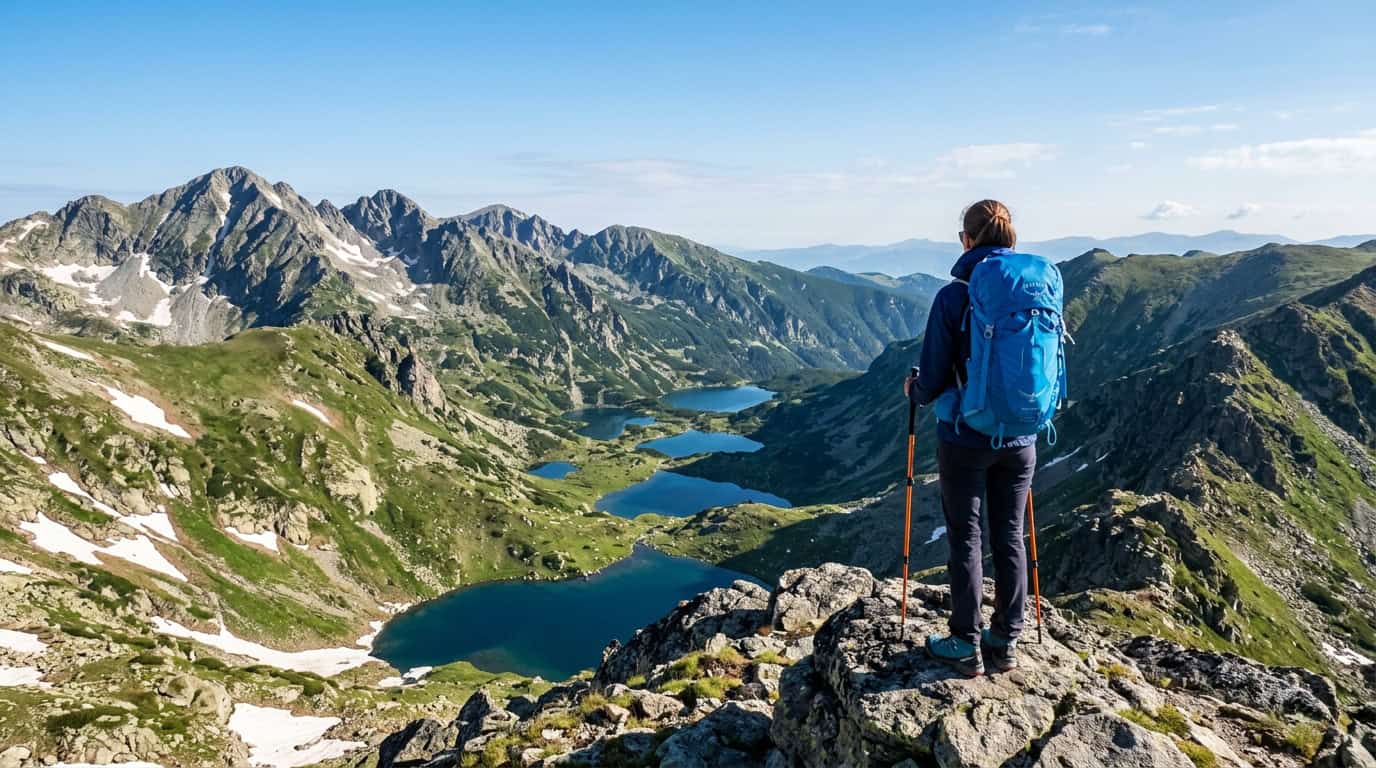
When I first caught a glimpse of the jagged, snow-dusted peaks of Bulgaria, I realized I had stumbled upon Europe’s best-kept alpine secret. For anyone seeking the majesty of the Alps without the overwhelming crowds or the eye-watering price tags, rila mountains hiking offers an unparalleled escape into the wild. Standing amidst the crisp mountain air, surrounded by sapphire glacial lakes and ancient forests, I felt a sense of freedom that only these rugged Balkan landscapes can provide.
This range is a paradise where spiritual history meets high-altitude adventure, offering everything from serene monastery trails to craggy summits. Whether you are aiming to stand atop the highest point in the Balkans or wander through meadows that look like a living oil painting, these trails deliver world-class scenery on a backpacker’s budget. It is the perfect destination for travelers who crave authentic, raw nature and a challenge that rewards every step with a new, breathtaking horizon.
Key Takeaways
- The Rila Mountains provide a world-class alpine experience comparable to the Swiss Alps but at a fraction of the cost, making it an ideal destination for budget-conscious hikers.
- Mount Musala and the Seven Rila Lakes offer high-altitude challenges and stunning glacial scenery that remain accessible to hikers with moderate fitness levels thanks to well-marked trails and strategic lift systems.
- The region uniquely blends rugged natural beauty with deep spiritual history, exemplified by the 10th-century Rila Monastery and the network of affordable mountain huts known as hizhas.
- Successful trekking in the Rila range requires early starts to avoid afternoon clouds, sturdy footwear for rocky terrain, and carrying Bulgarian Lev in cash for remote mountain services.
Scaling The Seven Rila Lakes Glacial Circuit
The journey begins with a scenic chairlift ride from the Pionerska hut, whisking you above the treeline and into a world of rugged granite peaks and alpine meadows. As you step off the lift, the crisp mountain air signals that you have entered one of Europe’s most pristine wilderness areas. The trail starts as a gentle climb, but it quickly reveals the first of the glacial lakes, known as The Lower Lake, shimmering like a blue teardrop far below. I found that the path is well marked and manageable for most fitness levels, though the sheer scale of the landscape makes you feel wonderfully small. It is refreshing to experience such dramatic scenery without the heavy price tag or the shoulder-to-shoulder crowds typical of more famous mountain ranges.
As you ascend toward the Kidney and the Eye lakes, the terrain becomes more rocky and the views increasingly spectacular. The climb to the final Otovishki peak is the most demanding part of the circuit, but the reward at the summit is truly incomparable. Standing at the highest viewpoint, you can see all seven sapphire pools tiered throughout the valley like a giant staircase of water. I spent nearly an hour here just soaking in the panoramic vistas, watching the clouds dance across the surface of the Twin and the Tear. It is the perfect spot for a packed lunch, offering a front row seat to a natural masterpiece that rivals any scenery in the Alps.
To make the most of this trek, I recommend starting your day as early as possible to catch the first chairlift and avoid the midday sun. While the route is popular, the vastness of the Rila range ensures you can still find quiet moments of reflection along the ridges. Make sure to wear sturdy hiking boots and bring layers, as the weather at this altitude can shift from warm sunshine to a chilly breeze in minutes. This circuit is not just a hike, but a deep immersion into the heart of Bulgaria’s natural beauty that remains incredibly affordable for budget travelers. It was easily the highlight of my trip, proving that world class trekking is accessible to anyone willing to venture a bit further east.
Trekking To The Historic Rila Monastery
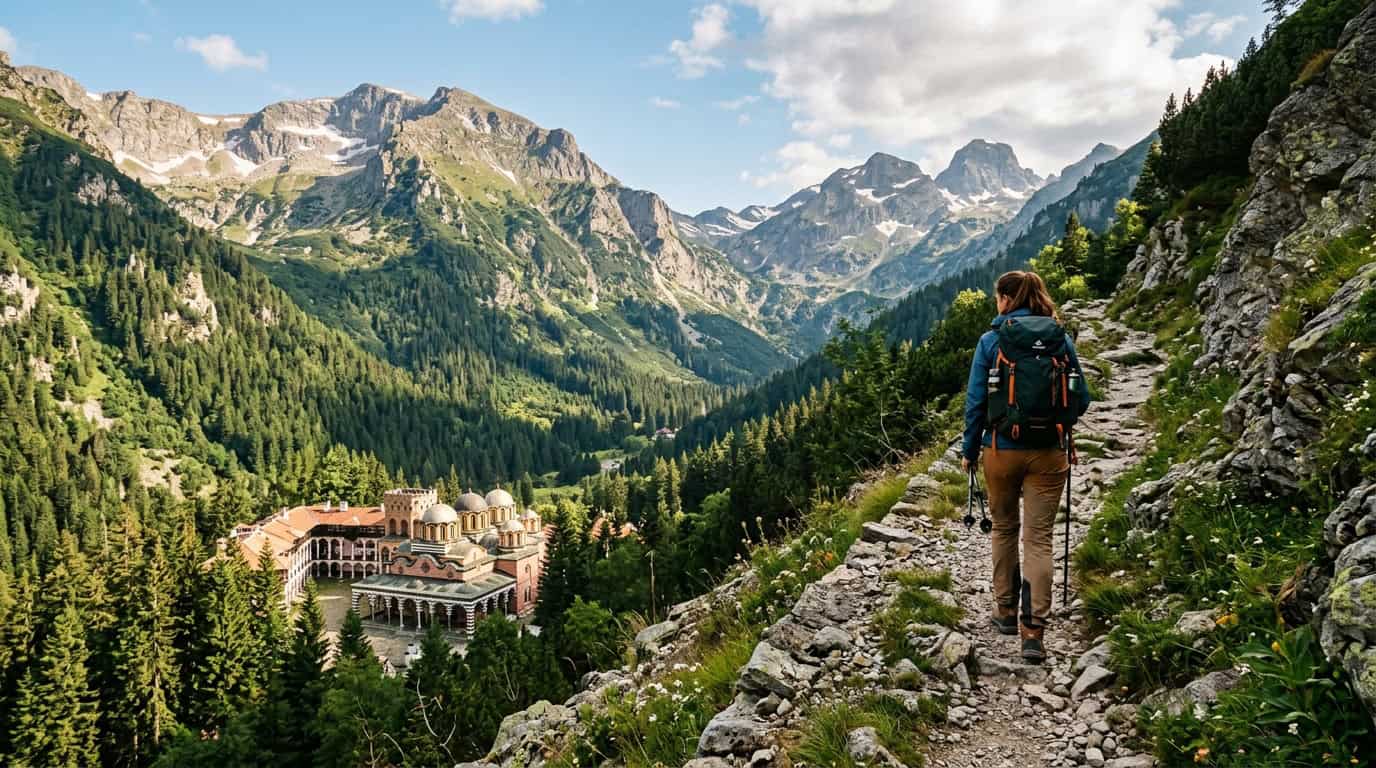
While the jagged peaks offer plenty of adrenaline, the trek toward the Rila Monastery provides a peaceful, soul-stirring contrast to the high-altitude ridges. I found myself winding through ancient, deep-green beech forests where the air felt noticeably cooler and smelled of damp earth and pine. This trail is a dream for budget-conscious hikers because it offers a world-class cultural experience without the expensive entry fees found at many Western European landmarks. As you descend from the mountain slopes, the sound of rushing streams accompanies you until the massive stone walls of the monastery finally emerge through the trees. It is a transition from the raw power of nature to a masterpiece of human devotion and architecture.
Walking through the monastery gates feels like stepping back into the 10th century, as the courtyard opens up to reveal vibrant, striped arches and intricate wooden balconies. I was immediately drawn to the main church, where the exterior walls are covered in some of the most vivid frescoes I have ever seen. These colorful murals tell complex biblical stories with a level of detail that rivals any cathedral in the Alps, yet the atmosphere remains quiet and contemplative. You can spend hours admiring the gold-plated iconostasis or simply sitting on a stone bench to soak in the spiritual energy of this UNESCO mountain haven. It is the perfect place to rest your legs and reflect on the journey before heading back into the wild Rila wilderness.
Conquering Musala The Highest Peak In The Balkans
Standing atop Mount Musala feels like reaching the roof of the entire Balkan Peninsula, and the sense of achievement at 2,925 meters is truly unmatched. While the height might seem intimidating, the most popular route from Borovets is surprisingly accessible for anyone with a decent level of fitness. I found the initial stretch quite manageable thanks to the ultimate Montana escape gondola that whisks you up to Yastrebets, saving your legs for the final push through the rocky, lunar-like landscapes. The trail is well-marked and winds past several stunning glacial lakes that provide perfect spots for a quick breather. As you approach the final ridge, the terrain becomes more technical with some steep, rocky sections, but the sturdy metal railings provide plenty of security for the scramble.
The reward for your effort is a 360-degree panorama that stretches across the jagged peaks of Bulgaria and even reaches the mountains of neighboring countries on a clear day. I spent nearly an hour at the summit just soaking in the views of the deep green valleys and the jagged ridges that look remarkably like the Swiss Alps. Unlike the crowded summits of Western Europe, Musala offers a raw and rugged beauty that feels much more personal and serene. You will find a small weather station and a stone monument at the top, marking your successful conquest of the highest point between the Alps and the Caucasus. It is an essential experience for any budget-conscious hiker who wants world-class alpine scenery without the premium price tag.
To make the most of your climb, I recommend starting as early as possible to avoid the afternoon clouds that often roll over the peaks. Bring plenty of layers even in mid-summer, as the temperature at the summit is significantly cooler than in the valley below. Sturdy hiking boots are a must for the loose scree sections, and I found trekking poles incredibly helpful for the descent to protect my knees. There is a small hut near the Musala lakes where you can grab a warm soup or a tea if you need a boost of energy before the final ascent. This hike perfectly balances physical challenge with immense visual rewards, making it the crown jewel of any Bulgarian trekking itinerary.
Planning Your Rila Adventure Lodging And Logistics
Reaching the Rila Mountains from Sofia is surprisingly straightforward and incredibly easy on your wallet compared to the pricey shuttle systems in the Italian Dolomites. You can catch a public bus from the Sofia Ovcha Kupel station to Samokov, where frequent local shuttles wait to whisk you away to the mountain base at Sapareva Banya or Borovets. This journey costs only a few dollars and offers a front row seat to the beautiful Bulgarian countryside as you transition from the city to the peaks. For those who prefer more flexibility, renting a car is an affordable option that allows you to explore hidden trailheads at your own pace. The roads are generally well maintained, and having your own wheels makes it much easier to visit the remote corners of the national park.
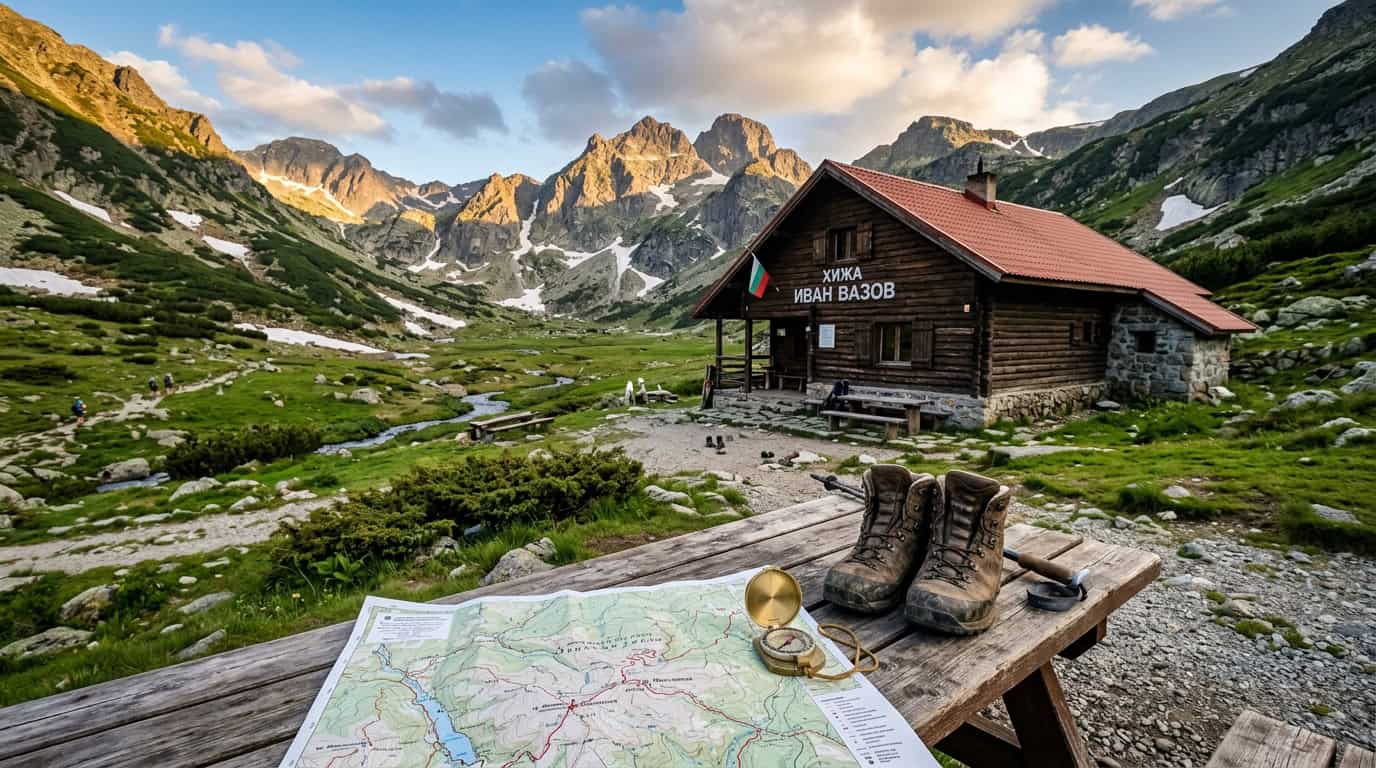
Once you are on the trails, the network of mountain huts, known locally as hizhas, provides an authentic and social lodging experience. These rustic lodges offer a warm bed and a hot meal for a fraction of the cost of an Alpine resort, often situated in breathtaking locations right next to glacial lakes. I highly recommend booking your spots in advance during the peak summer months, though you can often find a space if you arrive early in the afternoon. Most huts serve hearty Bulgarian staples like lentil soup and shopska salad, which are perfect for refueling after a long day of trekking. Staying in a hizha allows you to wake up already high in the mountains, giving you a massive head start on the crowds for those golden hour views.
Choosing Rila over more famous European ranges does not mean sacrificing the quality of your hiking experience. You will find world class trails and dramatic granite spires that rival any major mountain destination, but without the soul crushing crowds or the premium price tags. The cost of food, transport, and lodging here is so reasonable that you can extend your trip for weeks without breaking the bank. It is the ultimate destination for outdoor enthusiasts who crave rugged beauty and cultural depth while keeping their budget intact. From the spiritual atmosphere of the monastery to the thin air of the high summits, this region offers a sense of adventure that feels both raw and accessible.
Discover Europe’s Best Kept Alpine Secret
The Rila Mountains offer a rare opportunity to experience raw, alpine grandeur without the commercial polish or the staggering price tag of Western Europe. Standing atop these jagged ridges, you get the sense that you have stumbled upon a well kept secret that the rest of the hiking community has yet to discover. The combination of high altitude glacial lakes and the deep spiritual history of the forest makes this range the ultimate destination for any soul searching trekker. You can spend your days pushing your physical limits on Musala and your evenings reflecting in the quiet courtyards of ancient monasteries. It is a place where the scale of the landscape humbles you, yet the local hospitality makes you feel right at home.
Now is the perfect time to lace up your boots and head to Bulgaria before these trails become the next mainstream outdoor trend. You will find that your budget stretches much further here, allowing for longer adventures and more authentic cultural encounters along the way. Whether you are seeking the challenging ascent of the highest peak in the Balkans or a meditative stroll through the Seven Rila Lakes, this range delivers world class beauty on a backpacker’s budget. Do not wait for the crowds to arrive or for the prices to rise to meet the rest of the continent. Grab your gear and discover the rugged heart of the Rila Mountains while the paths are still quiet and the wilderness remains truly wild.
Frequently Asked Questions
1. When is the best time of year to go hiking in the Rila Mountains?
The ideal window for trekking these peaks is between late June and September when the snow has melted from the high passes. During these summer months, the meadows are vibrantly green and the glacial lakes are a brilliant sapphire blue.
2. How difficult is the Seven Rila Lakes hike for a beginner?
The circuit is manageable for most hikers with a moderate level of fitness because the Pionerska chairlift handles the hardest vertical gain for you. While the path near the Eye and the Tear lakes gets rocky and steep, the well marked trails make it a safe and rewarding adventure.
3. Do I need to bring a lot of cash for a trip into the Rila range?
Bulgaria is incredibly budget friendly, but you should definitely carry Bulgarian Lev in cash for mountain huts and the chairlift. Many of the remote areas do not accept credit cards, so having small bills on hand ensures your journey stays stress free.
4. What should I pack for a day of rila mountains hiking?
Even in mid summer, mountain weather is unpredictable, so bring a waterproof jacket and layers to handle the crisp alpine air. Sturdy hiking boots are essential for the granite terrain, and do not forget a reusable bottle to fill with fresh mountain spring water.
5. Can I visit the Rila Monastery and the Seven Rila Lakes in the same day?
While both are iconic, I recommend dedicating separate days to each to truly soak in the spiritual history and the high altitude scenery. If you are short on time, you can book a guided tour that combines them, but be prepared for a very long and fast paced day.
6. How do I get to the start of the hiking trails from Sofia?
The easiest way to reach the Pionerska hut is by renting a car for the ninety minute drive, which gives you total flexibility. Alternatively, you can take a shuttle bus or a van from Sofia to Sapareva Banya and then catch a local taxi to the chairlift base. For those who have already mastered hiking the Austrian Alps, Bulgaria offers a similarly stunning but more rugged alternative. If you are looking for more global inspiration, you might also enjoy planning a mountain adventure in North America.