
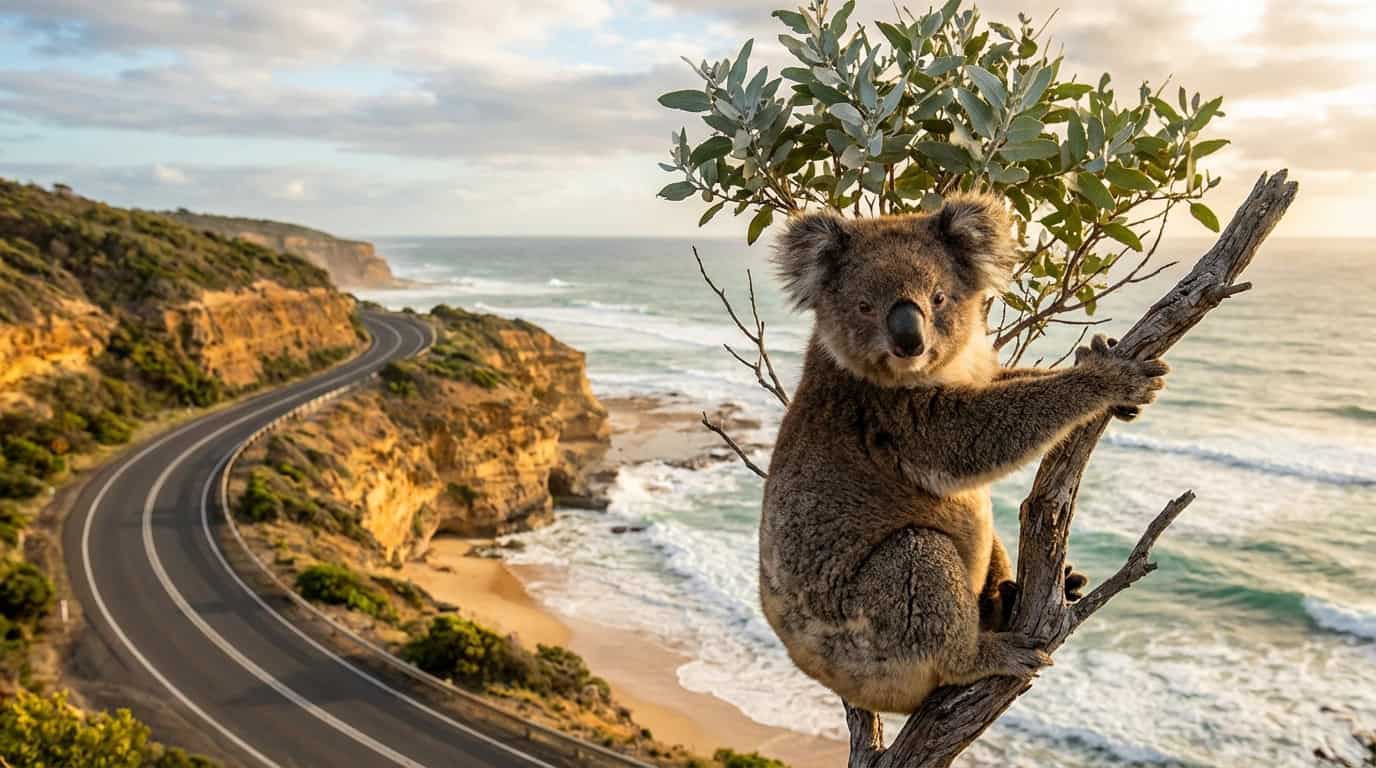
I’ll never forget the first time I felt the salty breeze whipping through the car windows as the dramatic limestone cliffs of Victoria’s southwestern coast came into view. Stretching 243 kilometers from Torquay to Allansford, this iconic drive is far more than a simple transit route; it is a breathtaking adventure through ancient rainforests, sleepy seaside towns, and the world’s largest war memorial. To truly soak in the towering Twelve Apostles and spot wild koalas dozing in the eucalyptus canopy, you need a thoughtfully planned Great Ocean Road itinerary.
While you could technically rush the pure driving time in about six hours, I always suggest that this spectacular coastal stretch is meant to be savored over three to four days. Slowing down your pace allows you to escape the bustling crowds and discover hidden waterfalls, secluded shipwreck beaches, and quiet sunrise vantage points that make this route so deeply magical. Every winding twist of the asphalt reveals a new postcard-worthy horizon, offering an unforgettable Australian road trip for anyone ready to chase the open road.
Key Takeaways
- Dedicate three to four days to explore the Great Ocean Road instead of rushing the six-hour drive, allowing time to discover hidden waterfalls and secluded beaches.
- Drive the route from east to west to keep your vehicle on the ocean side of the road, ensuring safe and immediate access to coastal lookouts without crossing oncoming traffic.
- Time your arrival at the Twelve Apostles for late afternoon to experience the massive limestone stacks bathed in spectacular golden hour light.
- Stop at the Kennett River area and stroll up Grey River Road for the best opportunities to spot wild koalas resting in the eucalyptus canopy.
Essential Logistics For Driving East To West
When planning your Great Ocean Road itinerary, the single most important decision you will make is your direction of travel. I highly recommend starting in Melbourne and driving west toward Adelaide, rather than the other way around. Because Australians drive on the left side of the road, heading west keeps your car directly on the ocean side of this iconic 243-kilometer route. This simple logistical choice means you will never have to cross oncoming traffic to reach the spectacular coastal lookouts. You can safely and easily pull over whenever a jaw-dropping cliffside view catches your eye.
Having the ocean right outside your passenger window makes the drive feel incredibly immersive and spontaneous. While the pure driving time is only about six hours, stretching your trip into a three or four-day adventure lets you truly savor the spectacular views. You will want plenty of time to safely navigate the winding coastal curves and make frequent stops at the designated dirt pull-offs. These convenient viewing areas offer the perfect vantage points for snapping photos of the dramatic limestone sea stacks crashing against the turquoise waves. Keeping a relaxed pace also gives you the freedom to pull over immediately when you spot fellow travelers gazing up into the eucalyptus trees, the universal sign of a native koala sighting.
During my own trip along this spectacular coastline, staying on the ocean side of the road completely transformed my experience. I remember cruising along the sheer cliffs near the Twelve Apostles and feeling absolute awe as the sunset painted the sky in vibrant shades of pink and orange. Because I was already in the left lane, I simply glided right into the closest parking bay without a single moment of stress. Setting up your logistics this way eliminates the anxiety of blind corners and busy highway crossings. You can focus entirely on the breathtaking scenery, the salty sea breeze, and the pure joy of an epic Australian road trip.
Day One: Torquay Surfing And Kennett River Koalas
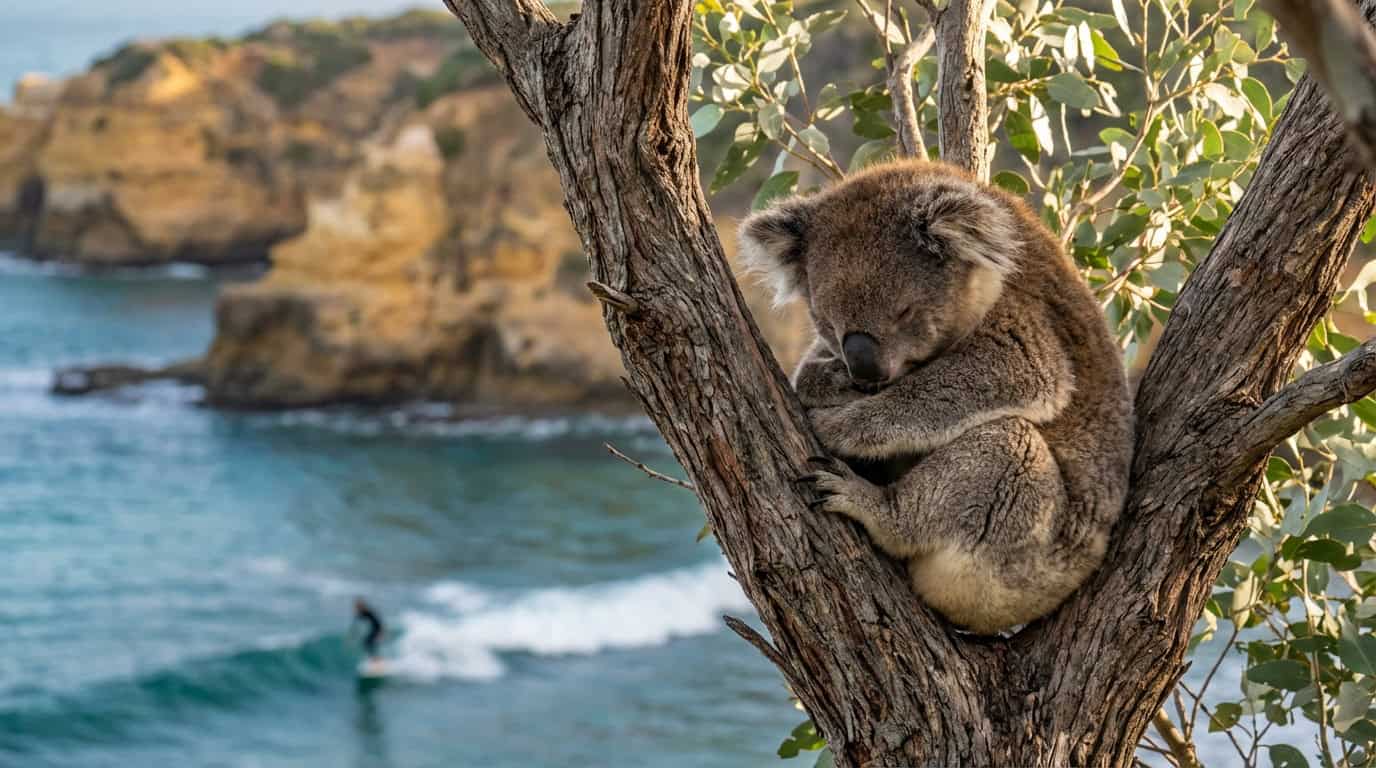
The perfect Great Ocean Road adventure begins at the iconic wooden memorial arches of Torquay. Snapping a quick photo under this famous landmark officially marks the start of your 243-kilometer coastal drive, built by returned soldiers almost a century ago. From there, it is just a short trip to the legendary shores of Bells Beach to watch world-class surfers carve up the massive morning waves. The salty ocean breeze and the sheer power of the crashing surf provide the perfect natural wake-up call to kick off your road trip. You will want to spend at least an hour here soaking in the dramatic coastal views before hopping back into the car.
As you wind your way further south along the spectacular coastline, keep your eyes peeled for safe turnout spots to pull over and admire the sweeping ocean panoramas. My absolute favorite stop on this first stretch is the Kennett River area, a brilliant spot for finding wild koalas in their natural habitat. Park your car near the local cafe and take a leisurely stroll up Grey River Road, looking closely at the forks of the towering eucalyptus trees. You will almost certainly spot a few sleepy native marsupials munching on leaves or taking a midday nap high above the ground. It is a truly magical wildlife encounter that never fails to leave me completely starstruck.
After getting your fill of adorable koala sightings, comfortably cruise into the picturesque fishing village of Apollo Bay just as the late afternoon sun begins to soften. This charming seaside town is the ideal basecamp to rest up and recharge after your first full day of exploration. I highly recommend grabbing some fresh local seafood for dinner and taking a peaceful evening walk along the crescent-shaped beach. Watching the sunset paint the sky in vibrant shades of pink and orange is the perfect way to close out day one of your itinerary. You will fall asleep to the gentle sound of the ocean, fully prepared for the majestic limestone stacks awaiting you tomorrow.
Day Two: Twelve Apostles And The Shipwreck Coast
Waking up on your second day along the Great Ocean Road brings a palpable sense of excitement as you approach the legendary Shipwreck Coast. Before the dramatic cliffs take over the scenery, I highly recommend pulling over near the Kennett River area to spot native koalas dozing in the eucalyptus canopy above. Once you have had your fill of these adorable locals, continue your drive toward the rugged beauty of Loch Ard Gorge. I suggest allocating at least an hour here to wander down to the pristine beach enclosed by towering yellow limestone cliffs. The sheer power of the Southern Ocean crashing through the narrow inlet is mesmerizing, and reading the tragic history of the 1878 shipwreck adds a haunting layer to the breathtaking scenery.
After soaking in the gorge, it is time to coordinate your arrival perfectly for the crowning jewel of this Australian road trip. I have found that late afternoon is the absolute best time to visit the Twelve Apostles. As the sun begins its descent, the harsh midday shadows disappear, and the limestone stacks are bathed in a spectacular golden glow. The viewing boardwalks give you unparalleled vantage points to capture those sweeping, dramatic coastal views you have probably seen on countless postcards. Watching the waves relentlessly batter the bases of these massive rock formations in the fading light is a memory that will stay with you long after your drive ends.
If you still have a bit of energy left before the sun dips below the horizon, make a quick detour to the nearby Gibson Steps. Walking down the cliff face to the beach level allows you to truly appreciate the towering scale of the Apostles from the sand. The salty breeze and the vibrant colors painting the sky create the perfect grand finale for your second day on the road. Once the light finally fades, head to the nearby town of Port Campbell for a well-deserved dinner and a restful night of sleep. Tomorrow promises even more hidden gems, but this mesmerizing stretch of coastline will undoubtedly be the highlight of your entire adventure.
Day Three: Port Campbell To Historic Warrnambool
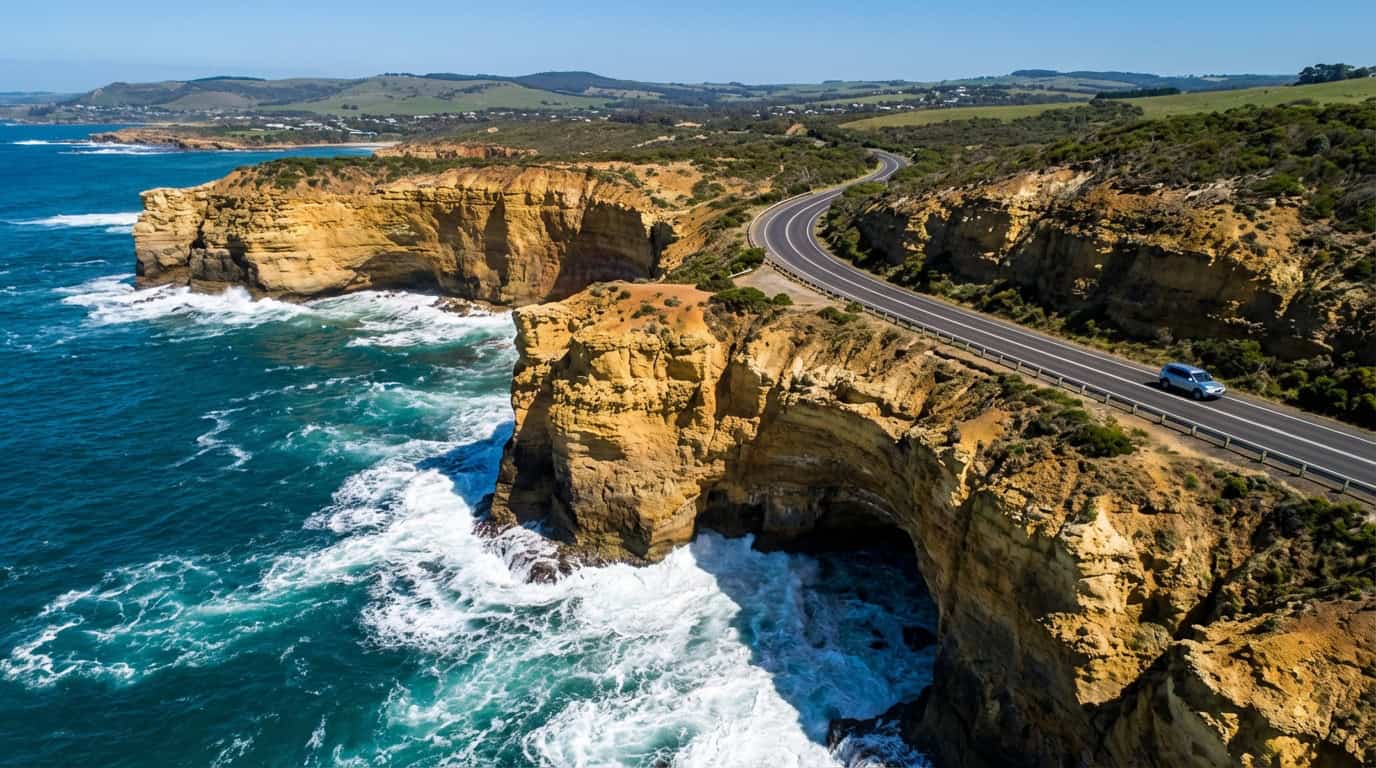
Waking up in the coastal haven of Port Campbell, I always feel a bittersweet excitement knowing it is the final stretch of our Great Ocean Road itinerary. After grabbing a quick coffee, we hit the road early to beat the crowds to the spectacular London Bridge rock formation. This natural archway offers one of the most dramatic coastal views in Victoria, making it the perfect spot to pull over and snap a few morning photos. Watching the Southern Ocean crash against the limestone cliffs reminds you of the sheer raw power of nature. Make sure you take a moment to walk along the designated viewing platforms, as the morning light creates incredible shadows across the rugged shoreline.
Continuing our drive westward, the scenery somehow becomes even more breathtaking as we approach the Bay of Islands. I actually prefer this tranquil coastal park over the busier tourist stops, since it provides sweeping panoramic vistas without the heavy crowds. As you navigate the winding roads lined with eucalyptus trees, keep your eyes peeled for native koala sightings tucked high up in the branches. I highly recommend pulling into the dedicated lookout areas, grabbing your binoculars, and scanning the canopy for these sleepy locals. Taking your time here allows you to fully soak in the peaceful atmosphere before we transition away from the dramatic cliff edges.
Our unforgettable road trip officially concludes as we roll into the charming dairy town of Allansford. This quiet settlement marks the official end of the route spanning 243 kilometers, which stands proudly as the largest war memorial in the world built by returned soldiers. I always find it incredibly moving to reflect on the history and sacrifice behind this iconic highway as the ocean views give way to rolling green pastures. From here, it is just a short ten-minute drive into historic Warrnambool, where you can celebrate the end of your road trip with a hearty pub meal. It is the perfect way to wrap up three days of adventure, leaving you with memories of spectacular coastlines and unique wildlife that will last a lifetime.
Looking Back on Your Great Ocean Road Adventure
Looking back on this incredible 243-kilometer stretch of Victorian coastline, I can honestly say the Great Ocean Road is an experience that stays with you forever. From the moment I first pulled over to take in those dramatic coastal views, I knew this was no ordinary drive. Every twist and turn reveals something spectacular, whether it is the towering limestone stacks of the Twelve Apostles or a sleepy native koala resting in the eucalyptus trees at Kennett River. Taking three or four days to slowly explore the world’s largest war memorial allows you to truly soak in the magic of the coast. You will find yourself constantly reaching for your camera to capture the sheer beauty of the crashing Southern Ocean waves.
Now it is your turn to experience this epic Australian road trip and create your own unforgettable memories. I highly recommend packing your bags, renting a comfortable car, and setting aside a long weekend to hit the open road. Make sure to build plenty of flexibility into your itinerary so you can linger at hidden beaches or spend an extra hour watching the sunset over the rugged cliffs. There is a profound sense of freedom that comes from driving along this iconic route with the windows down and the salty sea breeze in the air. Trust me when I say that this coastal adventure will leave you completely spellbound and desperate to explore even more of this beautiful country.
Frequently Asked Questions
1. How many days do I need for a Great Ocean Road itinerary?
While you could technically rush the pure driving time in about six hours, I always suggest savoring this spectacular coastal stretch over three to four days. Slowing down lets you escape the crowds and discover hidden waterfalls, secluded shipwreck beaches, and quiet sunrise spots. It truly makes the drive deeply magical.
2. Which direction is best to drive the Great Ocean Road?
I highly recommend starting in Melbourne and driving west toward Adelaide. Because Australians drive on the left side of the road, heading west keeps your car directly on the ocean side of this iconic route. You will never have to cross oncoming traffic to pull over for those jaw-dropping cliffside views.
3. What are the must-see stops along the Great Ocean Road?
You absolutely must stop to marvel at the towering limestone cliffs of the Twelve Apostles and look out for wild koalas dozing in the eucalyptus canopy. I also recommend taking time to explore the ancient rainforests of the Otways and the sleepy seaside towns like Torquay and Allansford. Each winding twist of the asphalt reveals a new postcard-worthy horizon.
4. Where exactly does the Great Ocean Road start and end?
This breathtaking 243-kilometer drive officially stretches from the surf capital of Torquay to the charming town of Allansford in Victoria. I love kicking off the trip with a salty breeze in Torquay before winding through the dramatic southwestern coast. It is an epic Australian adventure for anyone ready to chase the open road.
5. Can I do the Great Ocean Road in a single day?
You can complete the pure driving time in about six hours if you are in a rush. However, I strongly advise against packing it all into one day. A slower pace allows you to soak in the world’s largest war memorial and find secluded beaches that you would otherwise miss.
6. Will I see native Australian wildlife on this drive?
You will absolutely encounter incredible wildlife on this coastal adventure. I always keep my eyes peeled for wild koalas sleeping high up in the eucalyptus trees along the route. If you time your stops right, you might even spot kangaroos grazing near the quiet seaside towns at dawn.
7. Is the Great Ocean Road safe to drive?
It is a very safe and well-maintained drive, especially if you head west to keep the ocean right outside your passenger window. This simple logistical choice means you can safely pull over into lookouts without crossing oncoming traffic. Just take your time on the winding twists and let the stunning horizon unfold safely before you.