
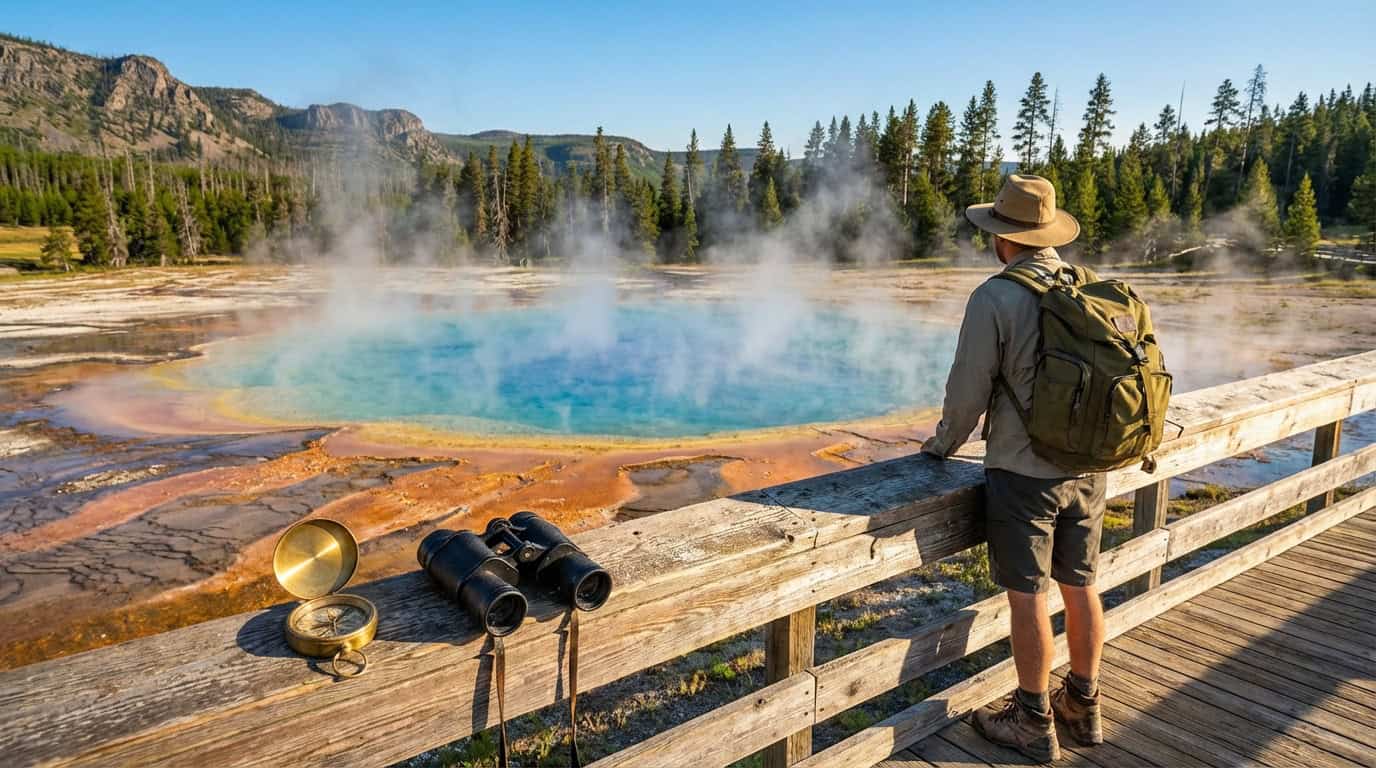
I still remember the awe of watching my first “bison jam” bring traffic to a standstill against the steamy, otherworldly backdrop of the Midway Geyser Basin. Spanning over 3,400 square miles across three states, the world’s first national park is so massive and wild that piecing together the perfect Yellowstone travel itinerary can feel a bit overwhelming at first glance. You have to carefully balance the sheer scale of the wilderness with wonderful unpredictabilities, from sudden geothermal eruptions to a massive elk wandering right across your path.
While I always recommend a four to five-night stay to truly soak in the magic without rushing, you can absolutely capture the heart of this majestic destination in just a few well-planned days. I have crafted a specific route that seamlessly guides you through the iconic Lower Loop highlights, like the vibrant rainbow colors of Grand Prismatic Spring, before venturing toward the dramatic, thundering waterfalls of the Grand Canyon of the Yellowstone. With a little strategic planning and a spirit of adventure, your trip through this untamed wilderness will be unforgettable.
Key Takeaways
- Dedicate four to five nights to your trip to fully experience Yellowstone’s massive wilderness without feeling rushed.
- Arrive at major geothermal sites before 8:00 AM to beat heavy crowds and watch the thermal steam billow dramatically in the cool morning air.
- Divide the park’s grand figure-eight road system into manageable daily chunks, focusing on the Lower Loop’s geysers one day and the Upper Loop’s wildlife the next.
- Embrace unpredictable traffic delays caused by wandering herds as unique wildlife viewing opportunities, particularly in prime spotting areas like Hayden and Lamar Valleys.
Essential Routing Tips And Park Logistics
Driving through the staggering 3,400 square miles of Yellowstone National Park requires a bit of strategic planning so you can spend less time in traffic and more time marveling at the wonders. I always tell my friends that the ultimate secret to beating the notorious peak crowds at major geothermal sites is setting your alarm just a little bit earlier. If you arrive at the Midway Geyser Basin or Old Faithful before eight in the morning, you will experience these steaming, vibrant areas bathed in soft morning light without the elbow-to-elbow tourist shuffle. Plus, the cool dawn air makes the thermal features appear even more dramatic as their thick white steam billows into the colorful sky. Once the parking lots start filling up by mid-morning, you can confidently head off to explore quieter hiking trails or scenic viewpoints with a fresh cup of coffee in hand.
Beyond the geysers, you have to factor in the delightfully unpredictable nature of park traffic, especially the legendary bison jams. When you drive through wildlife-rich areas like Hayden Valley or Lamar Valley, a massive herd of grazing bison will inevitably decide to claim the asphalt as their own personal walking path. Instead of letting these delays frustrate your plans, I highly recommend using this time to safely roll down your windows and listen to their deep grunts echoing across the vast plains. To keep your schedule intact, try to tackle the grand figure-eight road system in manageable chunks. Focus on the Lower Loop one day and the Upper Loop the next. This structured approach prevents you from spending your entire vacation behind the wheel and gives you plenty of buffer room to simply sit back and enjoy the wild, untamed beauty unfolding right outside your car window.
While some visitors try to squeeze the entire park into a rushed weekend, I have found that dedicating four to five nights allows for a truly immersive and stress-free adventure. Spreading out your trip gives you the freedom to linger at the breathtaking Grand Canyon of the Yellowstone without constantly checking your watch. You will have time to pull over for unexpected grizzly bear sightings or take a spontaneous hike to a hidden waterfall tucked away in the thick pine forests. Remember that flexibility is your greatest asset in this massive wilderness, so treat your itinerary as a joyful framework rather than a strict set of rules. By embracing the natural rhythm of the environment, your trip will transform from a simple sightseeing tour into an unforgettable experience through the heart of the American West.
Days One And Two On The Lower Loop
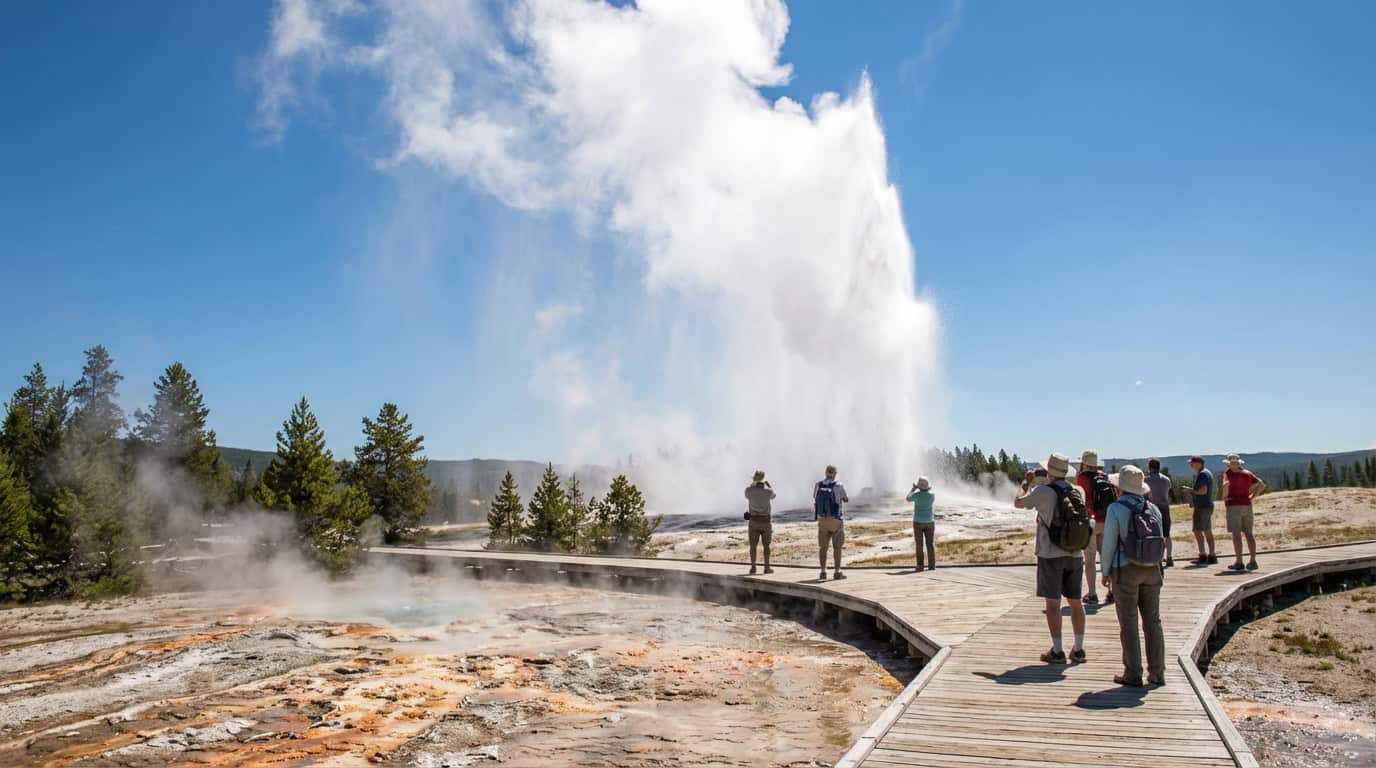
I always recommend kicking off your Yellowstone adventure by tackling the iconic Lower Loop because it delivers some of the most breathtaking geothermal wonders on earth. For your Day One itinerary, start bright and early at Old Faithful. Watching that massive column of boiling water erupt against the crisp morning sky will absolutely give you chills. From there, drive straight to the Midway Geyser Basin to marvel at the rainbow-colored waters of the Grand Prismatic Spring. If you want to experience this natural masterpiece without the heavy crowds, you absolutely must hike the Fairy Falls Trail to the overlook instead of taking the main boardwalk. I hit this trail just before eight in the morning, and having that vibrant, steaming prism almost entirely to myself was a memory I will cherish forever.
After a restful night, your Day Two itinerary should focus entirely on the sheer power and dramatic terrain of the Grand Canyon of the Yellowstone. Start by taking the South Rim Drive to Artist Point, where the thundering Lower Falls plunge over 300 feet into the pastel-colored canyon below. Hiking down the steep switchbacks of the Brink of the Lower Falls trail is an absolute trip requirement. Feeling the icy mist on your face really puts the immense scale of the park into perspective. Spend your late afternoon cruising slowly through the nearby Hayden Valley, widely known as one of the best spots in the country for wildlife viewing. Watching massive herds of bison graze peacefully as the sun dips behind the rolling hills is a serene, spectacular end to an action-packed two days.
Exploring The Upper Loop And Lamar Valley
Leaving the bustling geyser basins behind, I always feel a thrill of anticipation heading north to explore the wilder side of the park on the Upper Loop. For Day Three, make your first stop Mammoth Hot Springs, where steaming travertine terraces cascading down the hillside look like an intricate staircase built for giants. I still remember my first time walking the boardwalks at sunrise, watching the morning light catch the stark white and vibrant orange calcium carbonate formations. To truly appreciate this otherworldly terrain without the massive midday crowds, arrive right at dawn or later in the evening. You will have plenty of space to marvel at the steaming Canary Spring and perhaps even spot the resident elk herd grazing nearby.
After soaking in the geothermal wonders, your Day Four itinerary must include a drive east into the sweeping Lamar Valley, affectionately known as North America’s Serengeti. This vast expanse dotted with sagebrush is my absolute favorite destination for early morning wildlife spotting. I will never forget pulling into the Slough Creek viewing area just as the sun crested the peaks, peering through my binoculars to witness a pack of gray wolves playing in the distance. If you want to maximize your chances of seeing wolves and grizzly bears, you need to be in the valley before sunrise with a good spotting scope. Grab a hot cup of coffee, find a safe pullout near the confluence of the Lamar River, and patiently wait for the wilderness to come alive around you.
Structuring your Upper Loop route carefully is the absolute best way to avoid the notorious summer traffic jams. I suggest dedicating an entire day to this northern section, starting with wildlife viewing in Lamar Valley at first light before working your way back west. By tackling the scenic drive in reverse compared to most tour buses, you can enjoy a peaceful late morning hike around Tower Fall and the dramatic basalt columns of the canyon. Pack a picnic lunch to enjoy at a quiet roadside pullout rather than fighting for a table at the main visitor centers. Wrapping up your afternoon with a relaxing stroll through the Mammoth Hot Springs terraces will give you a perfectly balanced day free of crowds in the wildest part of the park.
Carry the Wild Magic of Yellowstone Home
There is a specific kind of magic that lingers long after you leave the boundaries of Yellowstone National Park. Whenever I close my eyes, I can still smell the sulfur of the geothermal basins and hear the deep rumble of bison herds moving across Hayden Valley. Crafting the perfect travel itinerary allows you to explore this massive wilderness with confidence, ensuring you find those quiet moments away from the summer crowds. By following a structured route, you get to experience the sheer power of Old Faithful and the vibrant colors of the Grand Prismatic Spring without feeling rushed. The immense scale of the park humbles you in the best way possible, reminding you of the raw beauty that exists when nature is left untamed.
Your first glimpse of the Grand Canyon of the Yellowstone will likely leave you speechless, but the unexpected surprises truly capture your heart. I will never forget the thrill of pulling over on a quiet morning just to watch a grizzly bear foraging in the distant meadows. These fleeting encounters are exactly why I always recommend giving yourself at least four or five days to fully embrace the unpredictable rhythm of the park. You will quickly learn that a sudden traffic jam is usually just an invitation to roll down your windows and marvel at a wandering elk. The memories you make here will call you back long after your trip ends. Grab your camera, pack your hiking boots, and get ready for an incredible adventure.
Frequently Asked Questions
1. How many days do I need for a Yellowstone travel itinerary?
I always recommend staying for four to five nights to truly soak in the magic of this untamed wilderness without feeling rushed. However, if you only have a few days, you can absolutely capture the heart of the park by focusing on iconic highlights like the Lower Loop. Careful planning will ensure your trip is unforgettable.
2. What is the best way to avoid crowds at major Yellowstone attractions?
The ultimate secret to beating the notorious peak crowds at major geothermal sites is setting your alarm just a little bit earlier. If you arrive at spots like Midway Geyser Basin or Old Faithful before eight in the morning, you will experience these steaming areas bathed in soft morning light. Plus, the cool dawn air makes the thermal features appear even more dramatic without the heavy tourist shuffle.
3. What are the must-see spots on the Lower Loop?
When I craft routes for friends, I always include the vibrant rainbow colors of Grand Prismatic Spring and the dramatic thundering waterfalls of the Grand Canyon of the Yellowstone. You will also want to marvel at the iconic eruptions of Old Faithful in the early morning light. These majestic destinations perfectly capture the wild heart of the park.
4. How big is Yellowstone National Park?
The world’s first national park is absolutely massive, spanning over 3,400 square miles across three different states. Because the terrain is so incredibly vast, piecing together your perfect route can feel a bit overwhelming at first. Just remember to balance the sheer scale of the park with a spirit of adventure.
5. Will I see wildlife while driving through Yellowstone?
You will absolutely encounter magnificent wildlife. I still remember the awe of watching my first bison jam bring traffic to a complete standstill. It is completely normal to have wonderful unpredictabilities on your drive, like a massive elk wandering right across your path. Just keep your camera ready and embrace these beautiful moments of untamed nature.
6. Why is early morning the best time to see the geothermal features?
I love visiting the geothermal features at dawn because the cool morning air makes the thick white steam billow dramatically into the colorful sky. You also get to enjoy the vibrant areas bathed in soft morning light before the parking lots fill up. It is a truly magical way to start your day in the wilderness.
7. How should I plan my daily schedule in the park?
I suggest starting your day bright and early to hit the major geothermal sites before mid-morning. Once the crowds start arriving, you can confidently head off to explore the thundering waterfalls or scenic hiking trails. This strategic planning lets you spend less time in traffic and more time marveling at the wonders.