
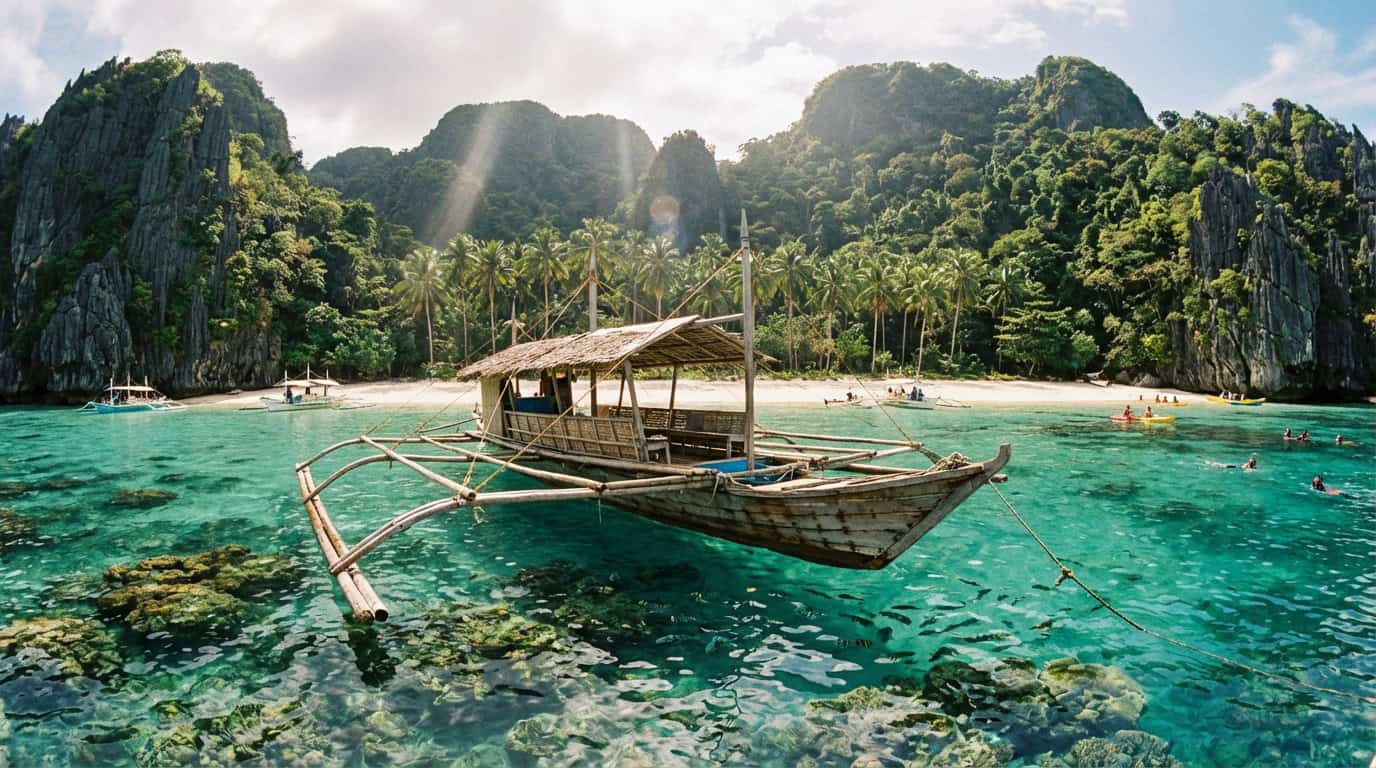
I still remember the first time I felt the warm, salty breeze on my face while gliding past towering limestone cliffs on a traditional wooden bangka. With 7,641 islands scattered across crystal-clear turquoise waters, this archipelago is the ultimate playground for sun-seekers and adventurers. Whether you are dreaming of El Nido’s secret beaches or the mystical, half-saltwater depths of Kayangan Lake, a Philippines island-hopping adventure is the absolute best way to experience this tropical paradise.
Lately, I have embraced the beautiful shift toward sustainable slow travel, opening up remote, untouched routes far beyond the busy tourist hubs. Trading your daily routine for world-class shipwreck diving and secluded white-sand shores requires just a bit of thoughtful itinerary planning. By venturing beyond the usual paths and taking the time to soak in Palawan’s legendary frontiers, you can truly connect with the breathtaking magic of the islands.
Key Takeaways
- Embracing a slow, sustainable travel approach on traditional wooden bangka boats allows for deeper connections with local communities and pristine, remote ecosystems.
- Maximize a Palawan itinerary by combining El Nido’s limestone lagoons with Coron’s WWII shipwrecks, negotiating early morning departures to experience these destinations without heavy crowds.
- Protect the delicate marine environment and your personal gear by always packing essentials like reef-safe sunscreen, a reliable dry bag, and sturdy water shoes.
- Escape the bustling tourist hubs by exploring quieter routes like Boracay’s Puka Beach or Cebu’s Malapascua Island for a truly immersive tropical adventure.
Navigating The Limestone Cliffs Of Palawan
Stepping onto a traditional wooden bangka in El Nido feels like crossing the threshold into a prehistoric world. I will never forget my first glimpse of the towering karst formations slicing through the emerald waters during Tour A. Paddling a kayak through the dramatic entrance of the Big Lagoon left me completely speechless. For your itinerary, I highly recommend booking Tour A for those iconic lagoon views and pairing it with Tour C on your second day to discover the remote, powdery shores of Hidden Beach. To beat the heaviest crowds, try negotiating with your captain for an early morning departure. This simple trick allows you to experience the majestic limestone cliffs in peaceful silence before the midday rush begins.
Just a scenic ferry ride away, the island of Coron offers a completely different but equally mesmerizing aquatic adventure. My absolute favorite stop here is Kayangan Lake, a surreal body of water nestled deep within the mountains featuring a unique blend of freshwater and saltwater. Swimming in its crystal-clear depths feels incredibly rejuvenating, especially after hiking up the steep wooden stairs for that famous panoramic viewpoint. If you are a certified scuba diver, allocate at least one full day to explore the sunken World War II Japanese shipwrecks resting at the bottom of Coron Bay. Gliding through these massive, coral-encrusted relics is a deeply humbling experience that adds a profound historical dimension to your island-hopping journey.
Planning this ultimate Palawan itinerary requires just a bit of strategic pacing. I suggest spending at least four days in El Nido and three days in Coron to embrace a more sustainable, slow travel approach. Make sure to pack plenty of reef-safe sunscreen, a reliable dry bag for your electronics, and comfortable water shoes to walk across the jagged rocks safely. Taking the time to linger in these remote locations allows you to connect with the local boat crews and appreciate the fragile beauty of the region. You will leave the Philippines with a heart full of wonder and a camera roll packed with unbelievable memories.
Island Hopping Through The Central Visayas
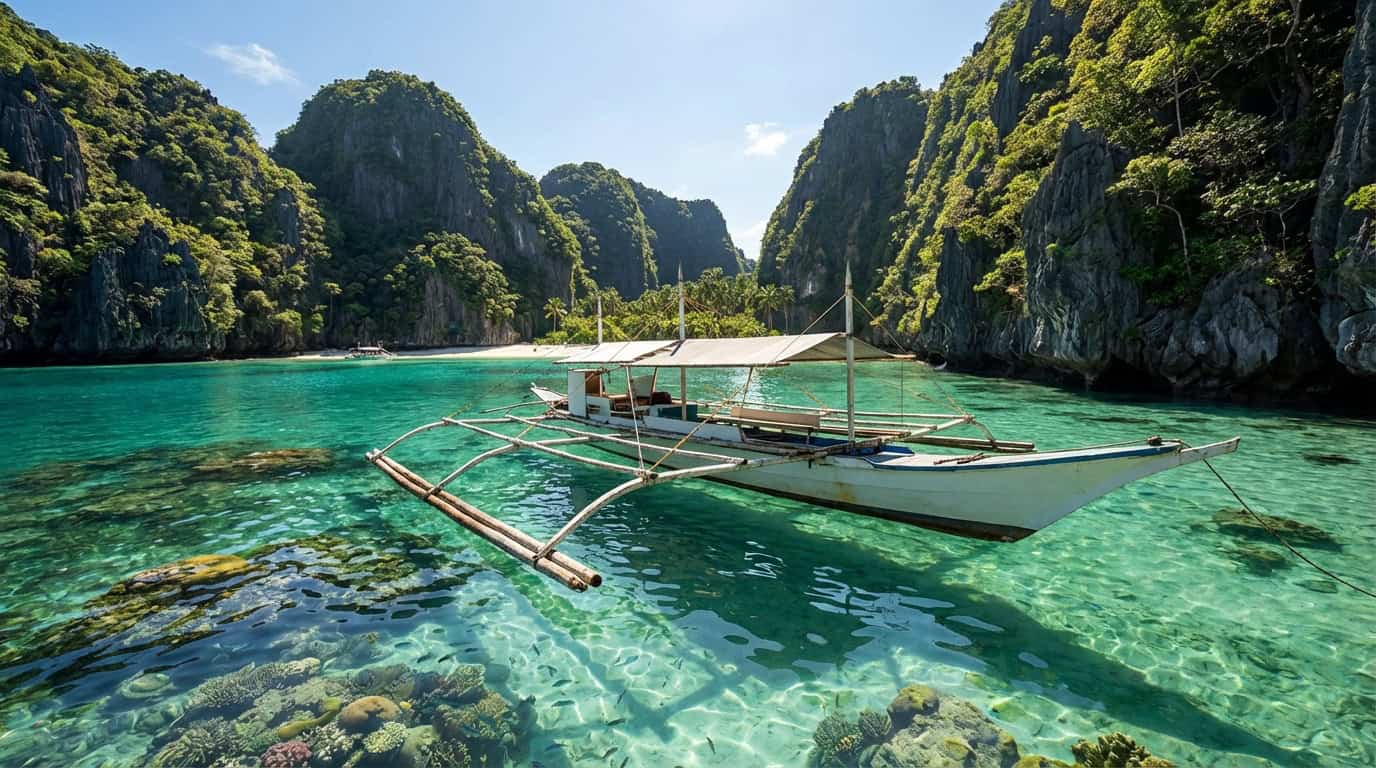
I always tell fellow travelers that Cebu is the perfect jumping-off point for a Central Visayas adventure. Your journey should begin by heading to the northern tip of the island to catch a small wooden boat over to Malapascua. This tiny, carless island feels like a hidden paradise where the slow pace of life instantly washes away your travel fatigue. I highly recommend booking an early morning dive here to witness the majestic thresher sharks gliding effortlessly through the deep blue waters. Even if you prefer snorkeling over scuba diving, the vibrant coral gardens and laid-back beach cafes will easily capture your heart.
After soaking up the island charm in Malapascua, you can catch a fast ferry from Cebu City straight to the shores of Bohol. Booking your ferry tickets a day in advance is a smart move that saves you from waiting in long lines at the busy port. Once you arrive, renting a scooter is the most exhilarating way to explore the winding roads toward the iconic Chocolate Hills. I will never forget the surreal sight of these perfectly cone-shaped mounds stretching endlessly across the lush green landscape. Watching the sunset turn these geological wonders a rich, earthy brown is a genuinely magical experience that deserves a spot on any itinerary.
The final leg of this central route involves hopping aboard a traditional bangka for a short ride to Balicasag Island. This marine sanctuary offers some of the clearest water I have ever seen, making it a dream destination for underwater photography. You can spend hours snorkeling alongside gentle sea turtles and schools of vividly colored tropical fish in the thriving reef drop-off. Hiring a local guide from the island supports the community and ensures you find the best spots free from heavy crowds. Floating in this pristine water is the perfect way to wrap up your Visayan journey, leaving you deeply inspired by the raw beauty of the Philippines.
Embracing Slow Travel Around Boracay
When I first visited Boracay, I was immediately swept up in the magnetic energy of White Beach. However, I quickly realized the true magic of the island lies just beyond the bustling tourist hubs. Stepping away from the crowded sunset sails allowed me to discover a completely different side of this famous destination. I highly recommend booking a private, eco-friendly traditional bangka to explore the quieter northern shores at your own pace. By choosing a sustainable tour operator, you directly support the local economy while minimizing your environmental footprint. This simple shift in travel style transforms a standard vacation into an immersive journey filled with quiet moments and hidden coastal gems.
Cruising toward Puka Beach on a private outrigger offers a serene escape from the lively commercial zones. As our boat glided over crystal-clear turquoise waters, I marveled at the rugged limestone cliffs guarding secret coves along the coastline. Puka Beach gets its name from the crushed puka shells mixed into the sand, giving the shoreline a beautifully rustic texture you simply have to feel for yourself. I suggest asking your local captain to anchor near the quieter stretches of the beach, where you can swim in vibrant coral gardens without another tourist in sight. Taking the time to drift slowly through these pristine waters reveals the breathtaking natural beauty that makes the Philippines so unforgettable.
The greatest reward of this slow travel approach is the chance to build genuine connections with the island communities. While resting under the shade of a palm tree, I spent hours chatting with local artisans who craft intricate jewelry from native shells. Listening to their stories gave me a profound appreciation for their heritage and the delicate balance of island life. If you want to experience this authentic warmth, take a moment to sit with the vendors, share a fresh coconut, and learn about their daily routines. These quiet, unscripted interactions will leave you with memories far richer than any standard sightseeing checklist could ever provide.
Why Navigating Remote Philippine Islands Changes You
Looking back at my time weaving through the thousands of islands in the Philippines, I can honestly say that exploring these remote routes changes you. There is a profound kind of magic in waking up to the gentle hum of a traditional bangka and setting sail toward an uncharted limestone cove. You quickly learn that the true beauty of this archipelago lies far beyond the crowded tourist hubs and deep within those hidden lagoons. I will never forget the feeling of slipping into the crystal-clear mix of freshwater and saltwater at Kayangan Lake while towering karst cliffs mirrored perfectly on the surface. These quiet moments of slow travel remind us why we endure the long flights and bumpy ferry rides in the first place.
If you are still on the fence about booking those tickets, let this be your final push to pack a reliable dry bag and just go. You will genuinely need that waterproof gear to protect your camera as you splash through the shallow waters of secret beaches in El Nido. Beyond the stunning landscapes, the absolute highlight of your journey will undoubtedly be the unmatched warmth of Filipino hospitality. I have shared countless meals of fresh grilled seafood with local boat captains who treated me like family from the moment I stepped aboard. Trust me when I say that the vibrant smiles of the people you meet will leave just as lasting an impression as the powdery white sand beneath your toes.
Frequently Asked Questions
1. What is the best way to get around the islands in the Philippines?
Stepping onto a traditional wooden bangka is my absolute favorite way to explore the archipelago. These classic outrigger boats effortlessly glide through the crystal-clear turquoise waters and take you straight to hidden beaches. You can easily rent them for private group tours or join a shared day trip to meet fellow adventurers.
2. Which El Nido island hopping tours should I prioritize for my itinerary?
I highly recommend booking Tour A to paddle through the breathtaking Big Lagoon and witness those iconic limestone cliffs up close. For your second day, you will definitely want to hop on Tour C to discover the remote, powdery shores of Hidden Beach. Booking these two tours gives you the perfect balance of dramatic landscapes and secluded tropical relaxation.
3. How can I avoid the heavy tourist crowds during my Palawan boat tours?
My biggest secret for escaping the crowds is to negotiate an early morning departure directly with your boat captain. Setting sail before the midday rush allows you to experience the majestic karst formations and emerald waters in absolute, peaceful silence. It takes a little extra effort to wake up early, but having a pristine lagoon all to yourself is pure magic.
4. What makes Coron different from El Nido for island hopping?
While El Nido is famous for its dramatic lagoons and secret beaches, Coron offers an unforgettable experience of world-class shipwreck diving and unique half-saltwater lakes. I will never forget diving into the crystal-clear depths of Kayangan Lake, which feels like swimming in a surreal underwater canyon. Both destinations are deeply inspiring, so I always suggest fitting both into your travel plans if possible.
5. Is it possible to practice sustainable travel while island hopping in the Philippines?
Absolutely! I have personally embraced the beautiful shift toward sustainable slow travel by choosing eco-friendly tour operators and respecting the delicate marine ecosystems. By venturing beyond the traditional tourist hubs and supporting local boatmen, you help preserve these untouched routes for future generations.
6. How many days do I need for a proper Palawan island hopping adventure?
To truly soak in the magic of Palawan without feeling rushed, I recommend dedicating at least a full week to your island-hopping journey. This gives you enough time to comfortably complete two major boat tours in El Nido, take a scenic ferry ride to Coron, and explore its spectacular lakes and shipwrecks. Slowing down your itinerary leaves plenty of room for those unexpected, awe-inspiring moments in the sun.
7. What should I pack for a day out on a traditional bangka boat?
I always bring a high-quality dry bag to protect my camera and essentials from the warm, salty breeze and occasional ocean splash. You will also want to pack reef-safe sunscreen, a reusable water bottle, and a sturdy pair of water shoes for safely walking through rocky lagoon entrances. Trust me, arriving prepared lets you focus entirely on the breathtaking scenery instead of worrying about your gear.