
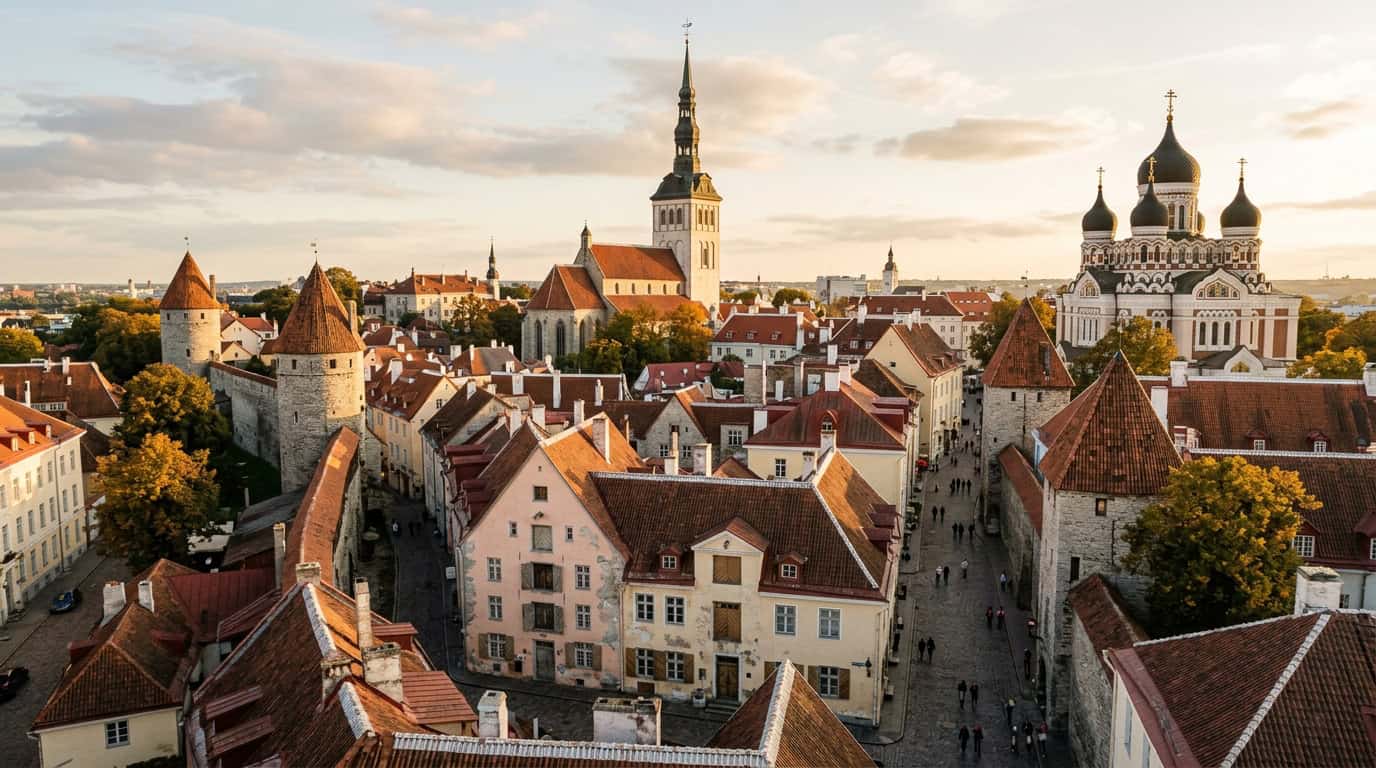
Stepping into the cobblestone labyrinth of Tallinn’s old town feels less like a city tour and more like stumbling into a living, breathing fairy tale. As I marveled at the 13th-century spires and the impeccably preserved Hanseatic architecture, it became clear why this UNESCO World Heritage Site remains the beating heart of Estonia. Whether you are chasing the golden light at the Kohtuotsa viewing platform or ducking into a candlelit cellar for a spiced honey beer, the atmosphere here is thick with history and a sense of timeless wonder.
With over three million visitors flocking to these medieval streets each year, the energy is electric, yet you can still find quiet corners where the limestone walls whisper secrets of ancient merchants. Every winding alleyway offers a new discovery, from vibrant artisan workshops to hidden courtyards that have remained unchanged for centuries. Planning a trip here requires a balance of hitting the iconic landmarks and allowing yourself the freedom to get lost in the magic of the Vanalinn.
Key Takeaways
- Tallinn’s Old Town is one of the most impeccably preserved Hanseatic merchant cities in Europe, blending 13th-century UNESCO World Heritage architecture with a vibrant, modern European capital atmosphere.
- Toompea Hill and the Upper Town offer a serene, regal experience featuring the Alexander Nevsky Cathedral and iconic panoramic views of the city’s terracotta rooftops from the Kohtuotsa platform.
- The Lower Town’s Town Hall Square and St. Catherine’s Passage serve as the city’s cultural heart, where visitors can explore centuries-old pharmacies, artisan workshops, and hidden medieval courtyards.
- Navigating the authentic but uneven limestone cobblestones and steep defensive towers requires sturdy walking shoes and a strategy of visiting popular sites early in the morning to avoid crowds.
Wandering Through Toompea Hill And The Upper Town
Stepping onto the limestone paved streets of Toompea Hill feels like walking directly into a medieval fairytale that has been meticulously preserved for centuries. As you climb the winding paths toward the Upper Town, the atmosphere shifts from the bustling market energy of the Lower Town to a serene, regal environment filled with amber-hued government buildings and hidden courtyards. This area was historically the seat of power for the Danish and German nobility, and its architectural grandeur still reflects that prestigious past today. I always recommend starting your morning here to beat the crowds and truly appreciate the silence of these ancient stones. You will find that every corner offers a new perspective on why this UNESCO World Heritage Site is considered one of the most intact merchant cities in Northern Europe.
The skyline of Toompea is dominated by the striking onion domes of the Alexander Nevsky Cathedral, a masterpiece of Russian Orthodox architecture that stands in bold contrast to the surrounding medieval structures. Stepping inside this 19th-century cathedral provides a sensory experience filled with the scent of incense and the glimmer of intricate mosaics. Just a short walk from the cathedral, the narrow alleys lead you to the Kohtuotsa viewing platform, which offers the most iconic panorama in all of Estonia. Standing at the edge of the limestone cliff, you can look out over a sea of terracotta orange roofs and soaring church spires that stretch toward the modern harbor. It is the perfect spot to snap a photo of the red-capped defensive towers that have guarded this Baltic gem since the 13th century.
To make the most of your visit to the Upper Town, I suggest lingering near the Patkuli viewing platform as well for a different angle of the town wall and the lush park below. Many travelers rush through this section, but the real magic lies in the small details, such as the iron-wrought signs and the hidden gardens tucked behind heavy wooden doors. If you are planning a trip, keep in mind that the historic heart of Tallinn is best explored on foot with sturdy walking shoes to navigate the uneven cobblestones. Ending your stroll through Toompea by descending the Short Leg or Long Leg gates allows you to transition seamlessly back into the lively Hanseatic spirit of the Town Hall Square. This journey through the Upper Town serves as a vital reminder of how Tallinn successfully balances its rich history with its vibrant role as a modern European capital.
Exploring The Hanseatic Charm Of Town Hall Square
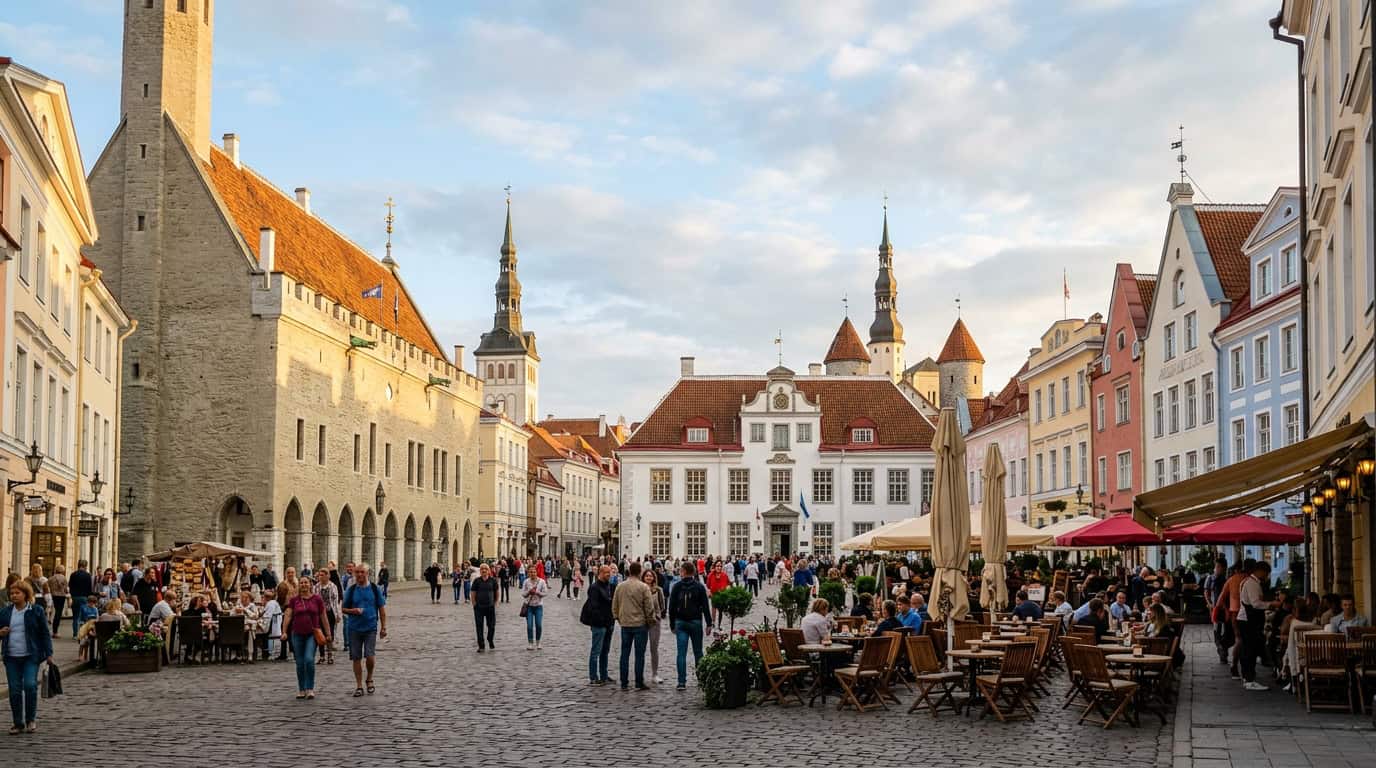
Stepping into Town Hall Square feels like a direct invitation into a 13th-century fairy tale, where the towering Gothic Town Hall serves as a silent witness to centuries of Hanseatic history. This UNESCO World Heritage site is the vibrant pulse of the Lower Town, surrounded by pastel-colored merchant houses that look as if they were plucked straight from a storybook. I love starting my mornings here before the crowds arrive, watching the sunlight hit the cobblestones while the smell of roasting almonds begins to waft through the air. It is the perfect spot to orient yourself, as every winding alleyway seems to radiate from this central hub. You can truly feel the weight of history in the architecture, yet the atmosphere remains lively and welcoming for every modern traveler.
Just a few steps from the main square, you will find the historic Raeapteek, which is one of the oldest continuously running pharmacies in Europe. Walking through its heavy wooden doors is a sensory experience, where glass jars of ancient remedies like dried herbs and historical curiosities sit alongside modern medicines. I always make it a point to visit their small museum room to marvel at the medieval medical tools before heading back out to find a local treat. My absolute favorite ritual is grabbing a warm, cardamom-spiced pastry from a nearby cellar bakery to enjoy while people-watching on a stone bench. For a truly authentic taste of Estonia, look for the small stalls selling traditional dark rye bread or honey-glazed nuts, which provide the perfect fuel for a day of exploring the hidden courtyards of the Old Town.
Planning your visit to this historic center requires a bit of strategy to truly appreciate its medieval charm without the rush. While the square is beautiful at any time, I recommend visiting in the late afternoon when the golden hour light illuminates the weather vanes and limestone walls. This is when the local artisans often display their linen crafts and hand-knit sweaters, offering a more personal glimpse into Estonian culture. Make sure to wear sturdy walking shoes, as those authentic medieval cobblestones can be quite a challenge for your ankles after a few hours. Whether you are stopping for a hearty bowl of elk soup or simply soaking in the Hanseatic grandeur, the square remains the most enchanting chapter of any Tallinn itinerary.
Walking The Ancient Defensive Walls And Towers
Stepping onto the uneven stone floors of the Hellemann Tower feels like a direct portal back to the 14th century, when Tallinn was a powerhouse of the Hanseatic League. As I climbed the steep wooden stairs, the scent of old timber and cool limestone reminded me why this UNESCO World Heritage Site is considered one of the best preserved medieval centers in all of Europe. From the top of the tower, you can walk along a 200 meter stretch of the original defensive wall, offering a unique vantage point over the red-tiled rooftops of the Old Town. The experience is incredibly immersive, allowing you to imagine the sentries who once paced these very same stones to protect the wealthy trading city from invaders. It is a must do activity for anyone visiting the Baltics, especially if you want to capture those iconic panoramic photos of the city spires.
Navigating these ancient fortifications is straightforward, but a few practical tips will make your exploration much smoother. You can find the entrance to the Hellemann Tower tucked away on Müürivahe Street, where a small admission fee grants you access to both the tower interior and the connecting wall walkway. I recommend wearing sturdy walking shoes with good grip, as the medieval steps are notoriously narrow and can be slippery even in dry weather. If you are visiting on a weekend getaway, try to arrive right when they open in the morning to avoid the midday crowds. Looking out through the narrow arrow slits provides a fascinating perspective on how the city was designed to balance beauty with military function, a theme that still defines Tallinn’s historic charm today.
Hidden Passageways And Artisans Of St Catherines Guild
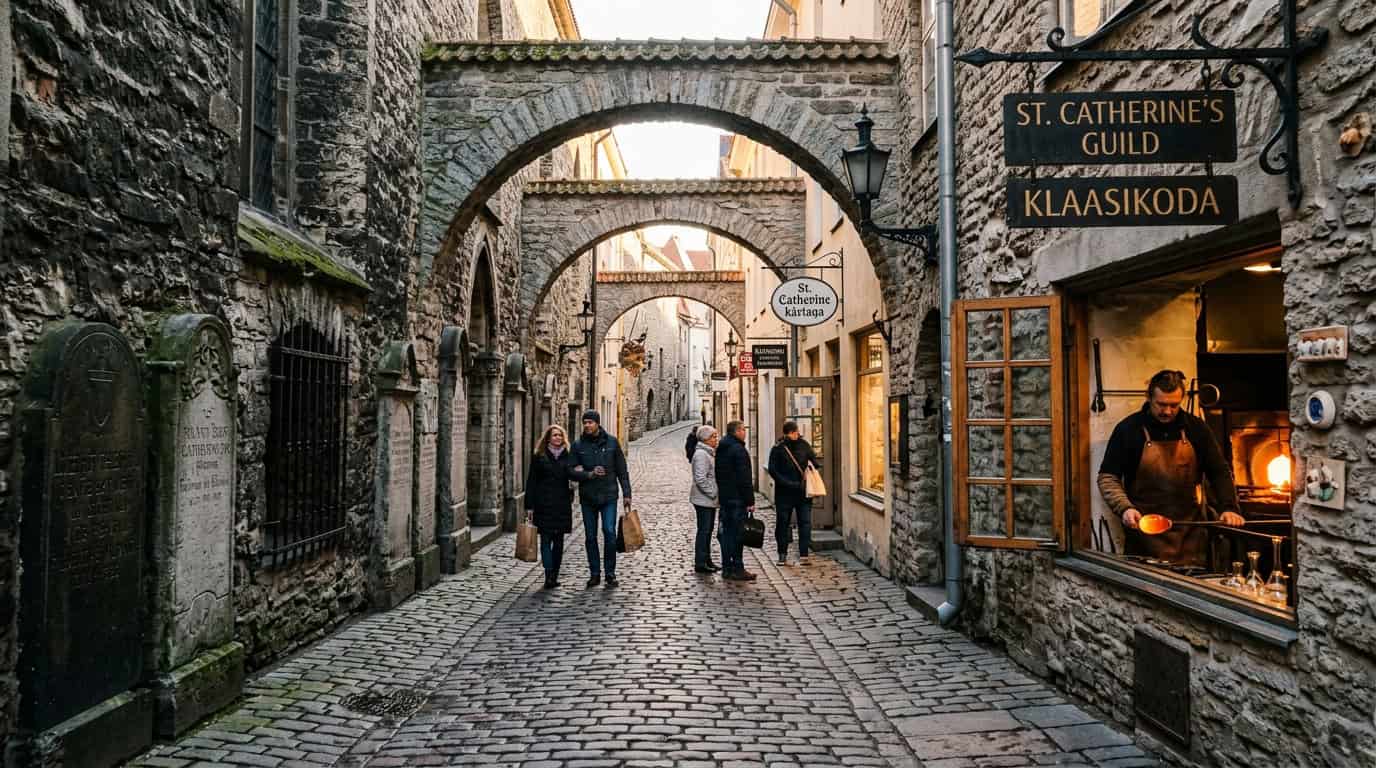
Stepping away from the bustling Town Hall Square, you will find St. Catherine’s Passage tucked behind a series of ancient limestone arches. This narrow, cobblestone alleyway feels like a portal back to the 13th century, where the echoes of Hanseatic traders still seem to linger against the medieval walls. Along one side, you can admire massive stone tombstones salvaged from the ruins of St. Catherine’s Church, which add a somber yet romantic weight to the atmosphere. It is easily one of the most photographed spots in Tallinn, but the real magic lies in the active workshops lining the lane. You can watch through the windows as local artisans practice traditional crafts that have remained unchanged for centuries.
The St. Catherine’s Guild is a collective of professional creators who keep the spirit of Estonian craftsmanship alive within these historic rooms. As you wander through the interconnected studios, you will encounter master glassblowers, leather workers, and weavers working with organic linen and wool. I highly recommend stepping inside the Masters’ Courtyard nearby, a quiet sanctuary where the smell of chocolate and roasting coffee fills the air. It is the perfect place to pause and appreciate a handmade piece of jewelry or a delicate ceramic bowl while soaking in the UNESCO-protected surroundings. These hidden corners offer a much deeper connection to Tallinn’s heritage than any standard souvenir shop ever could.
Where History Meets Modern Estonian Life
Tallinn is much more than just a well preserved relic of the 13th century, as it feels like a living, breathing bridge between the Hanseatic past and a vibrant future. Walking through the limestone gates of the Old Town, you can sense the weight of history in the cobblestones while simultaneously noticing the buzz of modern Estonian life in the local cafes and boutiques. This UNESCO World Heritage site remains the symbolic heart of the country, successfully avoiding the feeling of a museum by keeping its residential and cultural spirit alive. Whether you are visiting on a dedicated Baltic tour or stopping by on a northern European trip, the blend of medieval architecture and contemporary energy is truly captivating.
Planning a trip to this corner of the Baltics offers a rare chance to see how a city can honor its roots while embracing innovation. With over three million visitors annual visitors, Tallinn has become a premier destination that rivals its neighbors in both charm and economic vitality. I found that the best way to experience the city is to allow yourself to get lost in the winding alleys of the lower town before heading up to Toompea Hill for a panoramic view of the red-tiled roofs. The investment in preserving these 113 hectares of history ensures that every traveler leaves with a deep appreciation for Estonia’s unique heritage.
If you are looking for an adventure that combines fairytale aesthetics with the comforts of a modern European capital, Tallinn should be at the top of your list. The city serves as a perfect anchor for any northern European journey, providing actionable inspiration for those who love history, photography, and culture. From the sturdy defensive walls to the hidden courtyards filled with artisan workshops, there is always a new corner to discover. I hope this guide helps you find your way through the enchanting streets of Vanalinn and encourages you to book that flight to see this medieval gem for yourself.
Frequently Asked Questions
1. Is Tallinn Old Town worth visiting for history lovers?
Stepping into this 13th-century labyrinth is a dream come true for history enthusiasts. As a remarkably preserved Hanseatic merchant city and UNESCO World Heritage Site, every limestone wall and winding alleyway tells a story of ancient nobility and trade. You will feel the weight of centuries as you explore the impeccably maintained medieval architecture.
2. When is the best time of day to explore Toompea Hill?
I highly recommend heading up to the Upper Town early in the morning to beat the bustling crowds. Starting your day on the hill allows you to experience the serene, regal atmosphere of the government buildings in peace. This quiet time is perfect for catching the golden light reflecting off the ancient spires.
3. What should I wear while walking through the Old Town?
Comfortable walking shoes are an absolute must for navigating the uneven, limestone-paved streets and cobblestone paths. The terrain is authentic and rugged, so you will want sturdy footwear to enjoy wandering from the Lower Town markets up to the Toompea viewing platforms. Dressing in layers is also wise, as the breeze can change quickly near the Baltic coast.
4. Where can I find the best views of the city skyline?
The Kohtuotsa viewing platform offers a breathtaking vantage point where you can watch the sun dance across the terracotta rooftops and church spires. It is the perfect spot to capture the electric energy of the city from above while enjoying a panoramic view of the medieval fortifications. These heights provide a sense of timeless wonder that defines the Estonian capital.
5. What makes the atmosphere of the Lower Town unique?
The Lower Town is the vibrant heart of the city, filled with the energy of artisan workshops and hidden courtyards. You can duck into a candlelit cellar for a spiced honey beer or browse local crafts in shops that have remained unchanged for centuries. It is a place where the bustle of modern tourism meets the whispers of ancient merchant secrets.
6. How much time do I need to see the main highlights?
While you can see the major landmarks in a single day, I suggest allowing yourself enough time to truly get lost in the magic of the Vanalinn. A full weekend gives you the freedom to balance iconic sights like Toompea Hill with quiet moments in tucked-away cafes. This slower pace ensures you experience the living fairytale at its most enchanting. For those with more time, you might even consider the ultimate Estonia road trip to see what lies beyond the capital’s walls. Alternatively, if you are visiting during the colder months, you’ll find that an Estonia winter break offers a magical atmosphere that rivals any other snowy destination.