
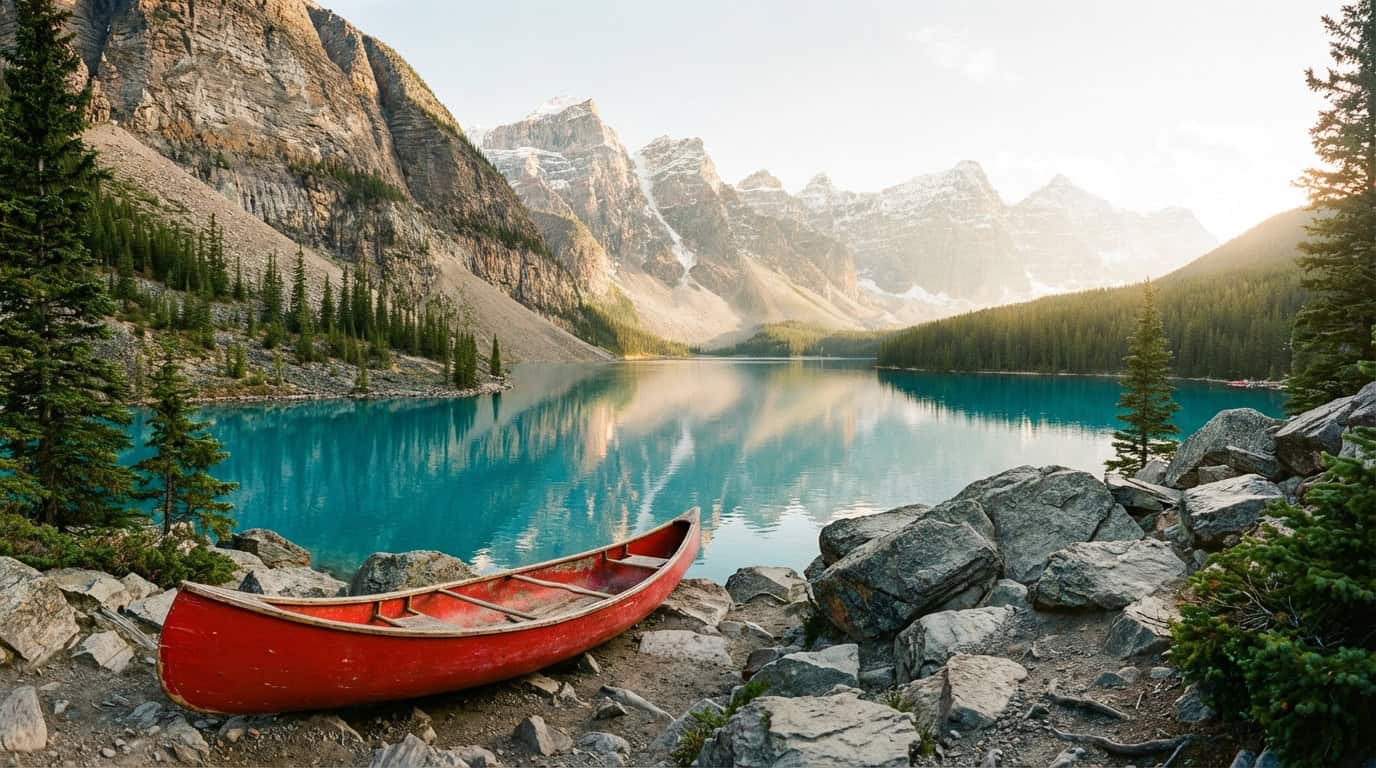
The moment you first see the jagged, snow-dusted peaks of Alberta piercing the clouds, you’ll understand why a canadian rockies itinerary is a bucket-list staple for every nature lover. There is a profound magic in waking up to the turquoise glow of glacial lakes and the scent of wild pine, but navigating this vast wilderness requires more than just a map and a camera. With record-breaking summer crowds and the sheer scale of the mountains, planning a journey that balances iconic vistas with quiet moments of solitude is the secret to a truly transformative escape.
To truly soak in the majesty of Banff, Jasper, and Yoho without feeling rushed, you should dedicate at least seven to ten days to the road. I’ve found that the best way to avoid spending your entire vacation behind the wheel is to establish home bases in spots like Canmore or the Jasper townsite, allowing you to experience the local charm after the day-trippers have departed. From the legendary drive along the Icefields Parkway to the hidden waterfalls of the backcountry, a well-structured plan ensures you spend less time in traffic and more time standing in awe of the world’s most beautiful mountains.
Key Takeaways
- Dedicate at least seven to ten days to your itinerary to balance iconic vistas with quiet moments of solitude across Banff, Jasper, and Yoho.
- Establish home bases in Canmore or the Jasper townsite to minimize driving time and enjoy a more authentic local atmosphere after day-trippers depart.
- Prioritize early morning starts at major landmarks like Lake Minnewanka and Peyto Lake to navigate record-breaking summer crowds and witness the best lighting for photography.
- Book all park shuttles, boat tours, and accommodations months in advance, as private vehicle restrictions at sites like Moraine Lake and high demand make spontaneous planning difficult.
Exploring Banff and the Canmore Corridors
Our journey through the Canadian Rockies kicked off in the charming town of Canmore, which served as the perfect home base for exploring the surrounding peaks. We chose this area for its local feel and stunning scenery, allowing us to ease into the high altitude before venturing further north toward Jasper and Yoho. On our first morning, we braved the early chill to witness the sunrise at Lake Minnewanka, where the first light of day turned the mountain faces into glowing embers. Watching the mist rise off the water while the crowds were still asleep was a powerful reminder of why early morning starts are essential in these busy parks. This early success set a high bar for the rest of our ten day adventure across the region.
The following day led us to the famous steel catwalks of Johnston Canyon, where we wandered deep into the limestone walls to find roaring waterfalls. It felt like stepping into a hidden world as we peered down at the turquoise creek rushing beneath our feet. After working up an appetite on the trails, we headed into the heart of Banff Avenue to soak up the mountain town atmosphere and browse the local shops. The view of Cascade Mountain looming over the end of the street is even more impressive in person than it is in photographs. We spent the afternoon planning our logistics for the upcoming drive on the Icefields Parkway, making sure we had plenty of snacks and fuel for the long stretches of wilderness ahead.
Balancing the iconic sights of Banff with the quieter corners of the Canmore corridor gave us a well rounded introduction to the scale of the Rockies. We focused on hitting the major landmarks early in the day to navigate the summer crowds, which left us with peaceful evenings to enjoy the local dining scene. This three day stretch was vital for getting our bearings before tackling the more remote sections of the itinerary. By staying flexible and prioritizing the most scenic spots like the Bow Valley Parkway, we managed to see incredible wildlife and landscapes without feeling rushed. With our spirits high and our camera rolls full, we felt fully prepared to head north into the deeper wilderness of the national parks.
Driving the Spectacular Icefields Parkway Northbound
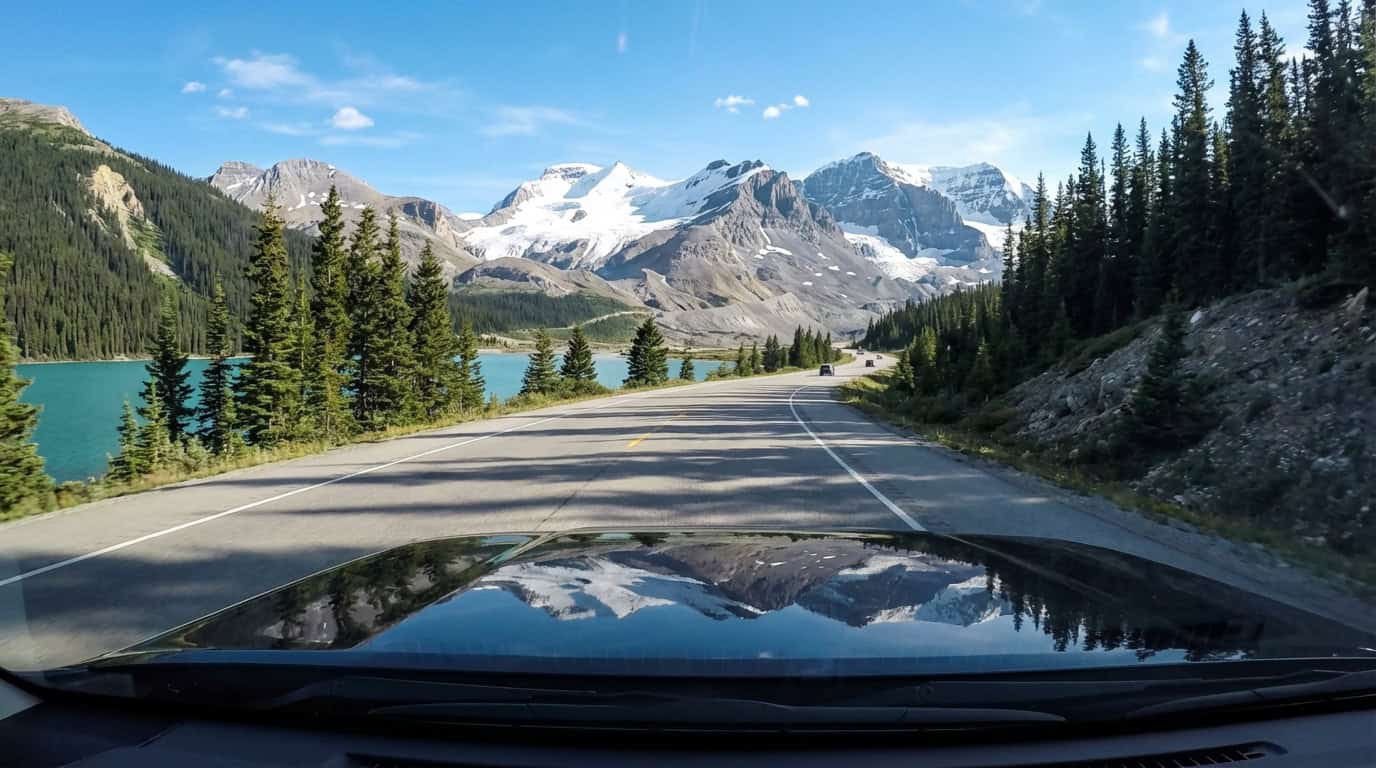
Setting out from Banff to head north toward Jasper, you will quickly realize why the Icefields Parkway is consistently ranked as one of the most beautiful drives on the planet. This 232 kilometer stretch of highway is more than just a road, it is a gateway to towering peaks and ancient landscapes that feel untouched by time. I recommend starting your journey early in the morning to beat the crowds and enjoy the soft light reflecting off the mountain faces. Your first major stop should be Bow Lake, where the calm water creates a perfect mirror for the Crowfoot Glacier. It is the ideal spot to stretch your legs and breathe in the crisp, alpine air before continuing your journey deeper into the wilderness.
As you climb higher in elevation, make sure to pull over at the Peyto Lake overlook for a view that truly looks like a postcard. A short hike leads you to a wooden platform where you can gaze down at the lake’s famous wolf shape and its impossibly bright turquoise water. This unique color comes from light reflecting off the glacial silt, and seeing it in person is a spiritual experience for many travelers. This section of the drive offers some of the best photography opportunities in the Canadian Rockies, so keep your camera ready for every turn. The sheer scale of the surrounding peaks makes you feel small in the best way possible, reminding you of the vast beauty found in these protected parks.
The climax of the northbound route is undoubtedly the Columbia Icefield, where you can stand at the foot of the massive Athabasca Glacier. Feeling the cold wind blowing off the ice is a powerful reminder of the geological forces that carved these valleys thousands of years ago. I suggest spending at least an hour here to explore the interpretive trails or simply marvel at the blue ice of the glacier. From here, the road begins its descent toward Jasper, passing by the thunderous Sunwapta and Athabasca Falls. These powerful cascades are the perfect final stops on your itinerary, providing a dramatic conclusion to a day spent traversing the heart of the mountains.
Discovering Jasper Wilds and Maligne Valley
Heading north into Jasper National Park feels like stepping into a wilder, more untamed version of the Rockies where the crowds thin out and the landscapes grow even more dramatic. I found that the best way to start a morning here is at Maligne Canyon, where a series of bridges allows you to peer down into deep limestone slots carved by rushing water over thousands of years. The sheer walls are incredibly narrow in some spots, creating a cool mist that rises from the depths as you hike along the rim. It is a fantastic place to witness the raw power of erosion before continuing your journey deeper into the valley.
The drive toward Maligne Lake is a highlight in itself, often offering sightings of moose or black bears foraging near the roadside. Once you arrive at the glacier fed lake, the absolute must do activity is the boat cruise to Spirit Island, which is only accessible by water. I remember the first time the boat rounded the corner to reveal the tiny grove of trees against the backdrop of massive, jagged peaks. It is one of the most photographed spots in the world for a reason, and standing there makes you feel tiny against the scale of the northern wilderness.
To make the most of this leg of your itinerary, I recommend booking your boat tour well in advance since Jasper has seen a surge in popularity recently. After the cruise, take some time to walk the Mary Schäffer Loop for easy lakefront views or challenge yourself with the Opal Hills trail for an elevated perspective of the valley. Pack a hearty lunch to enjoy by the water, as the serenity of the lake is something you will want to soak in for as long as possible. Ending your day with a soak in the Miette Hot Springs is the perfect way to rest your muscles after exploring these rugged northern wilds.
Majestic Lake Louise and Yoho Wonders
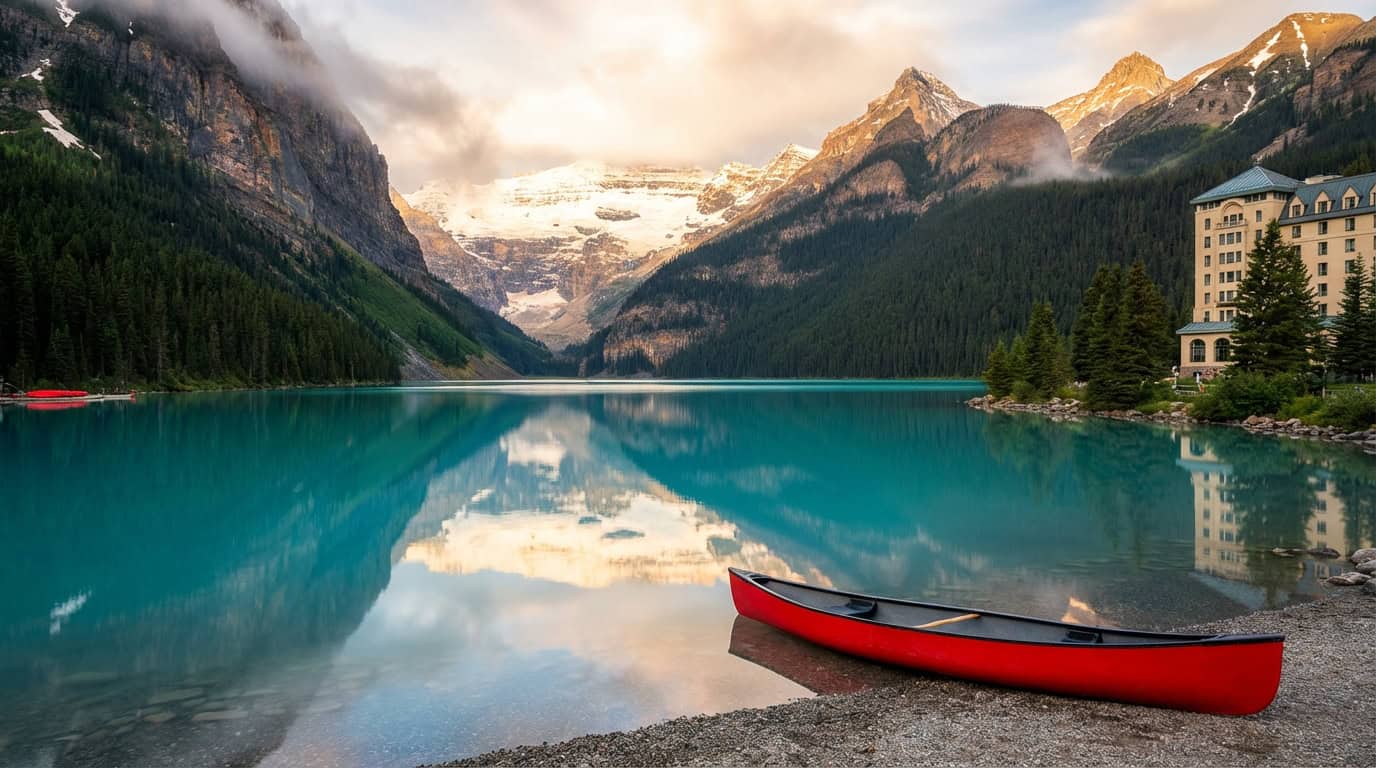
No trip to the Canadian Rockies is complete without witnessing the turquoise glow of Lake Louise and the rugged charm of Moraine Lake. Because private vehicles are no longer permitted at Moraine Lake, I highly recommend you book all park shuttles well in advance to ensure you do not miss that iconic view from the Rockpile. Once you arrive, the best way to escape the crowds is to lace up your boots and head toward the Lake Agnes Tea House. The steady climb through the forest rewards you with a warm bowl of soup and a fresh scone overlooking a pristine alpine tarn. If you have extra energy, continue your trek up to the Big Beehive for a panoramic perspective that makes the tiny red canoes on the lake below look like scattered confetti.
Crossing the border from Alberta into British Columbia brings you into the heart of Yoho National Park, where the scenery feels even more wild and untamed. My favorite stop here is Takakkaw Falls, one of the highest waterfalls in Canada, where the sheer power of the glacial meltwater creates a thunderous roar you can feel in your chest. The mist from the falls is incredibly refreshing on a warm summer afternoon, and it serves as the perfect gateway to the Iceline Trail for those seeking a more strenuous adventure. Do not forget to make a quick detour to the Natural Bridge nearby, where the Kicking Horse River has carved a path directly through ancient rock. This final leg of the journey perfectly captures the raw, unbridled beauty that makes this region so special.
As you prepare to head home, remember that the secret to a stress-free Rockies adventure lies in your preparation and flexibility. Between the record-breaking summer crowds and the logistical requirements of three different national parks, booking your accommodations and transportation months ahead of time is essential. I always suggest keeping a backup plan in your pocket just in case mountain weather or trail closures shift your daily goals. Whether you are standing on the edge of a glacier or sipping coffee in a quiet mountain town, these landscapes have a way of staying with you long after the trip ends. I hope this guide inspires you to take that first step toward planning your own magical three day escape into the majestic heart of the mountains.
Mastering Your Ultimate Canadian Rockies Route
Crafting the perfect canadian rockies itinerary is all about balancing the iconic sights of Banff with the rugged, untouched wilderness of Jasper and Yoho. I recommend dedicating at least ten days to this journey to truly appreciate the sheer scale of the landscape without feeling rushed. By splitting your stay between Canmore, the Icefields Parkway, and Jasper, you can minimize backtracking and maximize your time under the stars. This regional approach ensures you see the turquoise glow of Lake Louise while also finding quiet moments on the lesser known trails of Yoho.
Your adventure should begin with the vibrant energy of Banff and Canmore before heading north on the Icefields Parkway, which I consider one of the most beautiful drives on the planet. Make sure to stop at Bow Lake and the Columbia Icefield to witness the ancient glaciers that shaped this entire region. Once you reach Jasper, the atmosphere shifts to a slower, more peaceful pace that is perfect for wildlife spotting and stargazing in the dark sky preserve. Remember to book your campsites or hotels well in advance, as these mountain towns are more popular than ever.
Ultimately, the magic of the Rockies lies in the transitions between the jagged peaks and the lush valley floors. Whether you are standing at the base of Takakkaw Falls in Yoho or watching the sunrise over Peyto Lake, these moments of natural wonder are what make the trip unforgettable. I always suggest staying flexible with your daily plans to account for mountain weather and unexpected wildlife sightings along the road. Pack your hiking boots and a sense of wonder, because a well planned loop through these three national parks is a journey that will stay with you forever.
Frequently Asked Questions
1. How many days do I need for a complete Canadian Rockies trip?
To truly immerse yourself in the magic of Banff, Jasper, and Yoho without feeling rushed, you should plan for at least seven to ten days. This timeframe allows you to balance the legendary drives with quiet moments of solitude at hidden backcountry waterfalls.
2. Where is the best place to stay to avoid the biggest crowds?
I highly recommend establishing home bases in Canmore or the Jasper townsite rather than moving every single night. Staying in Canmore gives you a charming, local feel and allows you to experience the mountains after the day-trippers have headed home.
3. What is the best way to see the most popular lakes without the traffic?
Early starts are your best friend in these busy parks, so I suggest arriving at iconic spots like Lake Minnewanka before sunrise. Watching the first light turn the peaks into glowing embers while the rest of the world sleeps is a powerful experience you won’t want to miss.
4. Is it better to stay in Banff or Canmore?
I personally prefer using Canmore as a base because it offers a more authentic local atmosphere and stunning scenery while being just a short drive from Banff. It is the perfect place to ease into the high altitude before you venture further north toward the Icefields Parkway.
5. How can I avoid spending my entire vacation driving?
The secret to a transformative escape is a well-structured plan that focuses on specific regions like the Jasper townsite or the Canmore corridor for a few days at a time. This approach ensures you spend less time behind the wheel and more time standing in awe of the jagged, snow-dusted peaks.
6. What should I include on my must-see list for a ten day trip?
Your itinerary should prioritize the legendary drive along the Icefields Parkway and the turquoise glow of the glacial lakes in Yoho and Banff. Be sure to mix these famous vistas with lesser-known spots like the mist-covered waters of the backcountry for a perfect balance.