
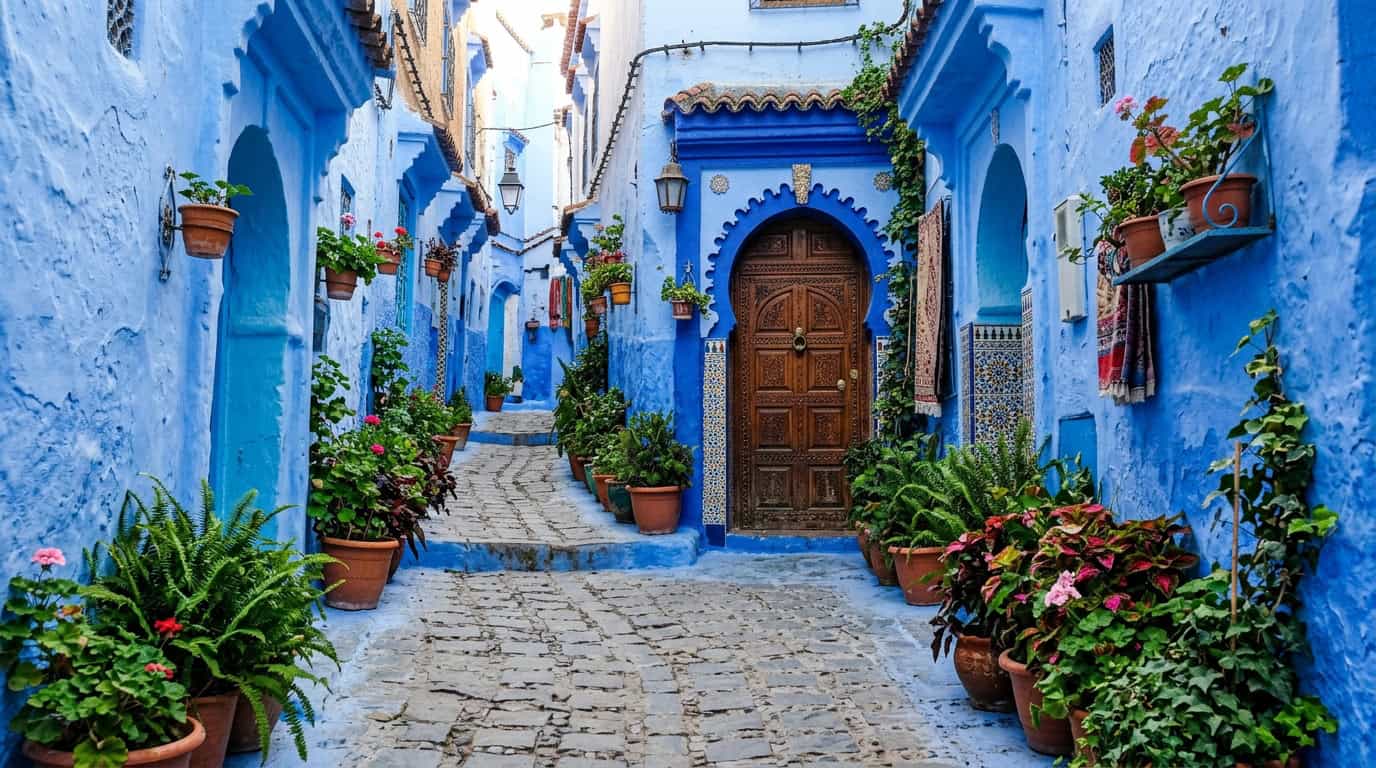
Stepping into the Rif Mountains feels like entering a dream where every cobblestone and archway is bathed in a thousand shades of cerulean. I remember the first time I turned a corner and saw the Blue Pearl glowing against the rugged peaks; it is a place that effortlessly balances its viral fame with a deep, soulful tradition. This chefchaouen blue city guide is designed to help you navigate the winding medina and find those quiet, hidden corners that most travelers miss.
With over a million visitors now flocking to these sapphire streets annually, knowing how to find your own slice of serenity is more important than ever. Beyond the famous photo spots, the city remains one of Morocco’s safest and most welcoming escapes, offering a rare dose of serenity amidst the bustle of North Africa. Whether you are here to haggle for hand-woven rugs or to watch the sunset from the Spanish Mosque, the magic of the blue walls never fails to inspire a sense of wonder.
Key Takeaways
- The blue walls of Chefchaouen represent a blend of spiritual tradition and practical utility, serving as a reminder of the divine while naturally cooling buildings and deterring insects.
- Achieve the best photographic results and avoid heavy crowds by exploring the medina’s famous alleys, like Calle Sidi Buchuka, at dawn when the morning light hits the Rif Mountains.
- Experience the city’s authentic culture beyond the blue paint by hiking to the Spanish Mosque for sunset and engaging with local artisans who specialize in unique hand-woven wool and cedar carvings.
- Respect local customs by wearing modest clothing and seeking permission before photographing residents, especially when navigating the quiet residential cul-de-sacs.
Uncovering The History Behind The Blue Walls
Stepping into the medina of Chefchaouen feels like walking directly into a watercolor painting where every corner offers a new shade of azure. While the aesthetics are a photographer’s dream, the history behind these blue walls is rooted in a tapestry of cultural influences and local legends. Many locals will tell you that the tradition was solidified by Jewish refugees who settled here in the 1930s, using the color blue to mirror the sky and serve as a constant reminder of God. This spiritual tradition transformed the Rif Mountains into a sanctuary of peace, creating the serene atmosphere that travelers still feel today as they wander the winding alleys.
Beyond the spiritual significance, there are several practical theories that add a layer of intrigue to the city’s famous facade. Some residents believe the specific pigment acts as a natural deterrent for mosquitoes, while others claim the light blue hues help keep the thick stone buildings cool during the intense Moroccan summers. Whatever the original reason, the community has embraced the tradition with immense pride, meticulously repainting the walls by hand twice a year to maintain that iconic glow. It is this dedication to preservation that makes the city feel timeless, even as it becomes a global sensation for those seeking the perfect mountain escape.
As you plan your stroll through the cobblestone streets, you will notice that the blues shift from deep indigos to soft periwinkles depending on how the sunlight hits the stone. I found that the best way to appreciate this history is to slow down and chat with the artisans who still sell traditional woven blankets and hand-carved cedar wood nearby. These conversations reveal that the blue is more than just a backdrop for a photo, it is a living symbol of the city’s resilience and its welcoming spirit. Make sure to bring an extra memory card for your camera, but remember to put the lens down occasionally to soak in the quiet magic of this high-altitude haven.
Navigating The Most Photogenic Blue Alleys
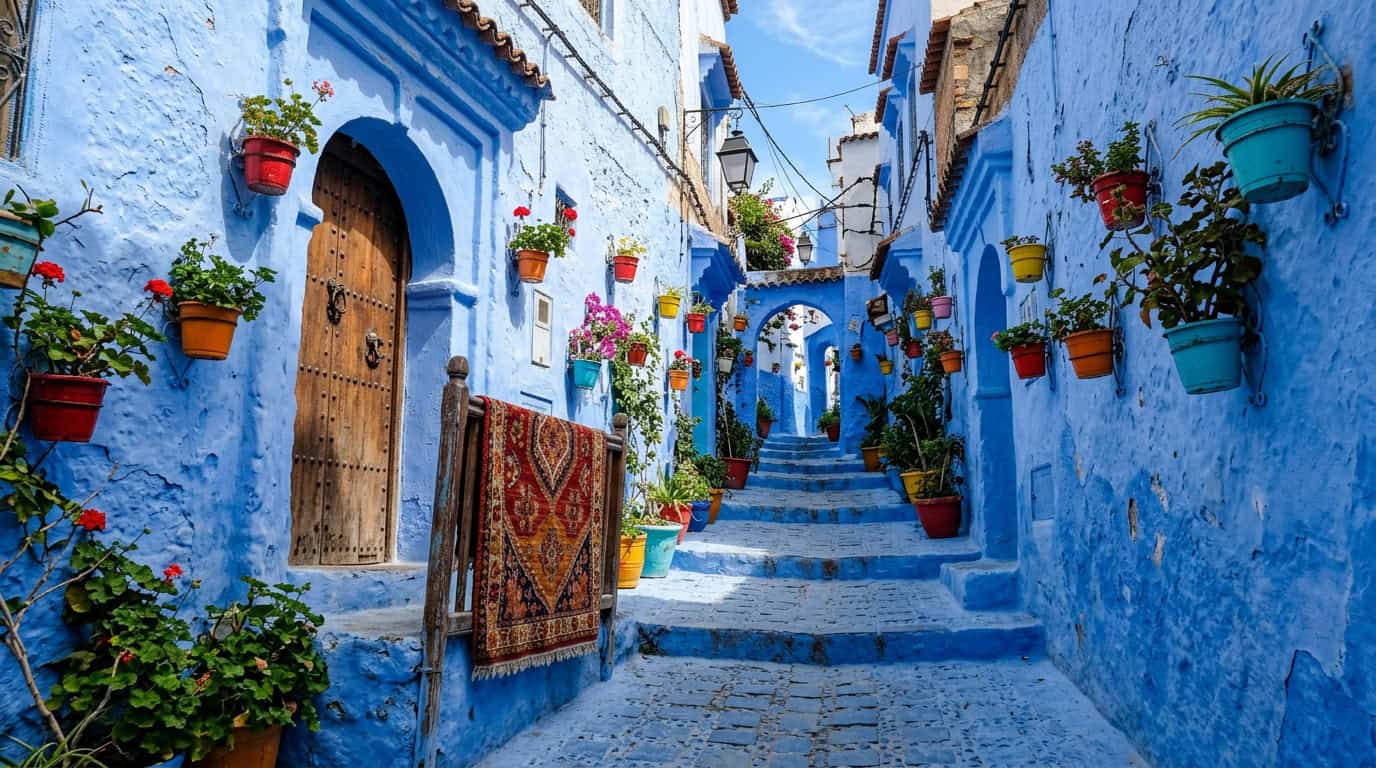
Stepping into the Medina of Chefchaouen feels like walking through a dream where every corner is painted in shades of sapphire, cobalt, and sky blue. To capture the most iconic shots without the crowds, I recommend starting your walk at the crack of dawn when the morning light hits the Rif Mountains. Begin your route at the famous Calle Sidi Buchuka, where the narrow stone path is framed by perfectly coordinated blue walls and traditional wooden doorways. This particular alley offers that quintessential depth of field that photographers crave, especially before the daily bustle of the market begins. I found that the quiet stillness of the early morning allows you to truly appreciate the intricate textures of the lime-washed walls.
Continuing your journey deeper into the labyrinth, make your way toward the legendary colorful flowerpot steps located near the heart of the old city. This vibrant staircase is a masterclass in Moroccan aesthetics, featuring tiers of bright ceramic pots that pop beautifully against the monochromatic blue backdrop. It is the perfect spot to pause and appreciate how the locals have turned a simple walkway into a living piece of art. While you are there, take a moment to chat with the nearby artisans who often set up their woven goods along the path. These small interactions often lead to the best local tips on hidden courtyards that most tourists overlook.
As you navigate these winding passages, remember that the true magic of the Blue Pearl lies in the spontaneous discoveries found off the main tourist track. I always suggest wandering into the smaller residential cul-de-sacs where the blue hues become even more vivid and the atmosphere feels incredibly serene. You might find a hidden fountain adorned with intricate tilework or a sleepy cat lounging on a sun-drenched azure ledge. Keep your camera ready but also take time to simply breathe in the mountain air and enjoy the relaxed pace of life. This blend of visual splendor and mountain tranquility is exactly why this city remains a top-tier destination for those seeking both inspiration and peace.
Essential Experiences Beyond The Blue Paint
While the blue-washed walls of the medina are undeniably captivating, the true magic of Chefchaouen reveals itself when you step beyond the frame of your camera. One of my favorite afternoon rituals is the gentle hike up to the Spanish Mosque, which sits perched on a hill overlooking the entire valley. The path is well-maintained and offers a peaceful escape from the bustling souks, especially as the golden hour light begins to bathe the Rif Mountains in a soft glow. From this vantage point, you can hear the call to prayer echoing through the valley while watching the city transition from a vibrant turquoise to a deep, moody indigo. It is the perfect spot to sit quietly, breathe in the crisp mountain air, and appreciate the serene atmosphere that makes this town so unique.
Beyond the scenic viewpoints, the local craftsmanship offers a tangible connection to the traditional culture of the Rif region. Unlike the sprawling markets of Marrakech, shopping here feels much more personal and relaxed, allowing you to chat with artisans who have spent decades perfecting their trade. You will find incredible hand-woven wool blankets and garments that are specific to this mountainous climate, often featuring bold stripes and textures you won’t see elsewhere in Morocco. I recommend looking for the distinct red and white striped garments worn by local women, or picking up a piece of intricate cedar wood carving to take home. These handmade treasures serve as a beautiful reminder of the skilled hands that keep the heritage of the Blue Pearl alive.
To truly embrace the relaxed pace of life here, I suggest spending a morning exploring the hidden plazas where locals gather for mint tea and conversation. While it is tempting to spend every moment hunting for the next perfect photo op, the real essence of the city is found in its slow, rhythmic daily routines. You might find yourself invited into a small shop to learn about the natural pigments used to create the iconic blue paint or discover a tiny bakery serving fresh bread straight from a wood-fired oven. These unscripted moments of connection provide a deeper understanding of the community that exists behind the famous blue facades. Taking the time to wander without a map allows the city to reveal its secrets to you at its own wonderful pace.
Practical Tips For Your Blue City Adventure
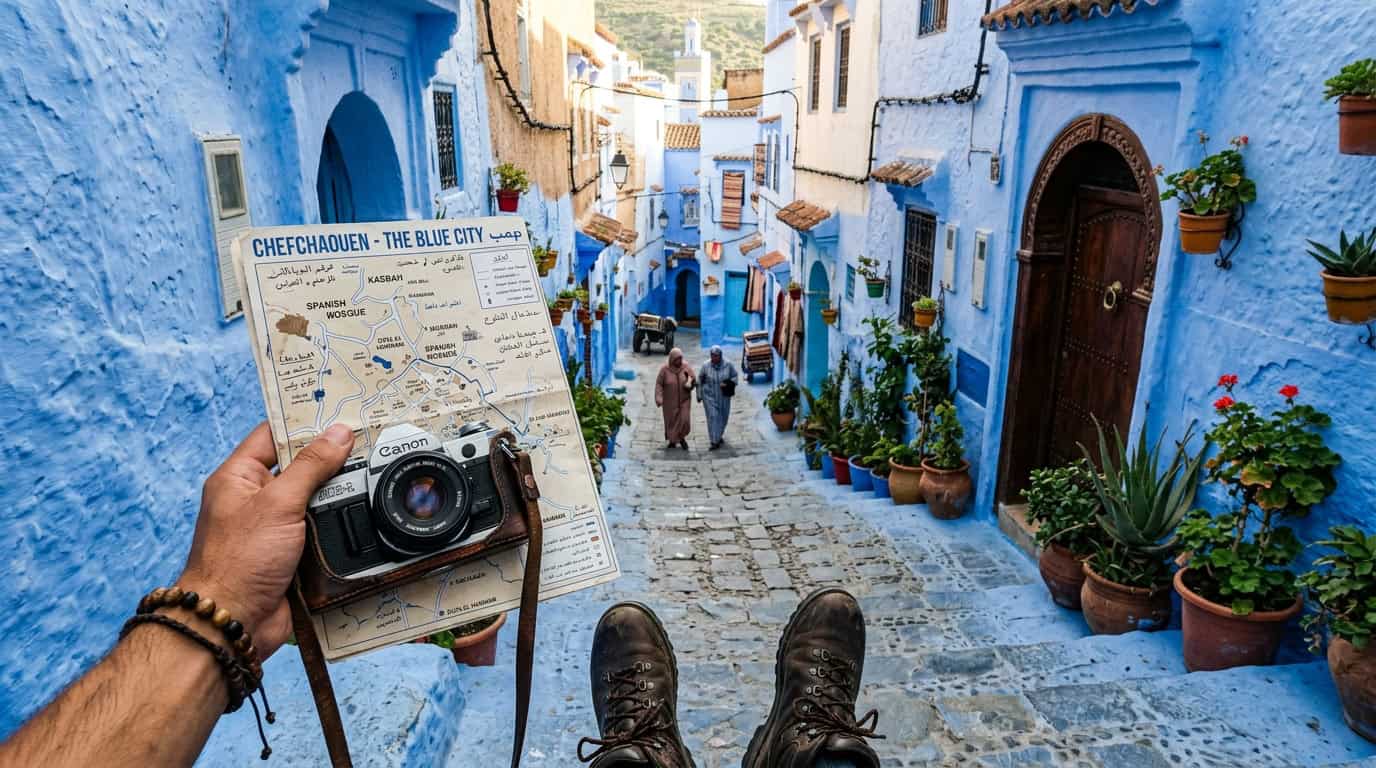
To experience the Blue Pearl at its most tranquil, I highly recommend planning your visit during the shoulder seasons of spring or autumn. During these months, the Rif Mountain air is crisp and the light is soft, providing the perfect conditions for capturing those famous sapphire hues without the midday heat. Most travelers arrive via a scenic four hour bus ride from Fes or a shorter three hour journey from Tangier, both of which offer winding views of the Moroccan countryside. I found that arriving in the late afternoon allowed me to settle into my riad just as the call to prayer echoed through the valley, signaling a peaceful transition into the evening.
Navigating the labyrinthine medina is an aesthetic dream, but it is important to remember that these vibrant blue walls are the backdrops to people’s everyday lives. While it is tempting to stop at every doorway for a photo, I always make it a point to ask for permission before photographing locals or their private homes. Wearing modest clothing that covers your shoulders and knees is a simple way to show respect for the local customs while you explore. This approach not only honors the local culture but often leads to warmer interactions and a deeper connection with the artisans who make this city so special.
If you are looking for the best panoramic views, a short hike up to the Spanish Mosque at sunset is an absolute must for your itinerary. The path is easy to follow and places you high above the blue washed buildings as they begin to glow under the fading sun. I suggest bringing a reusable water bottle and some small change for the local vendors selling fresh orange juice along the trail. Taking this time to sit and watch the city change colors reminds you that Chefchaouen is more than just a photography spot, it is a living sanctuary of serenity.
Finding Your Rhythm in the Blue Pearl
Chefchaouen is more than just a beautiful backdrop for your photos, it is a place where the frantic pace of modern travel finally slows down to a rhythmic crawl. As you wander through the labyrinth of azure alleys, you will find that the city’s true magic lies in the quiet moments between the landmarks. Whether you are sipping mint tea on a rooftop overlooking the Rif Mountains or chatting with a local artisan about their craft, the serenity here is palpable. It remains the ultimate escape for those who want to balance their Moroccan adventure with a dose of calm and mountain air.
Planning your visit to the Blue Pearl is an invitation to see the world through a different lens, specifically one tinted in every imaginable shade of indigo and cobalt. While the vibrant walls are a dream for any photographer, I encourage you to put the camera down occasionally to simply breathe in the scent of fresh bread and mountain cedar. The city has managed to keep its soul intact even as its popularity grows, offering a safe and welcoming atmosphere that feels worlds away from the bustling souks of the larger cities. Pack your most comfortable walking shoes and use my proven jet lag recovery tips to prepare to lose yourself in a sea of blue that you will remember long after you return home.
Frequently Asked Questions
1. Why exactly is Chefchaouen painted blue?
The tradition was largely solidified by Jewish refugees in the 1930s who used blue to mirror the sky and symbolize a connection to God. Local legends also suggest the color keeps the streets cool and acts as a natural deterrent for mosquitoes during the summer months.
2. Is Chefchaouen safe for solo travelers?
Chefchaouen is widely considered one of the safest and most welcoming destinations in Morocco, offering a peaceful escape from the country’s busier cities. You can feel comfortable wandering the medina alone, though it is always wise to stay aware of your surroundings as you would in any international destination.
3. When is the best time to visit the Blue Pearl?
The best times to visit are during the spring months of April to June or the autumn months of September to October when the weather is mild and perfect for hiking the Rif Mountains. You will avoid the intense heat of the summer and the heavy rains that can sometimes visit the mountains during mid-winter.
4. How many days should I spend in Chefchaouen?
I recommend staying at least two to three days to fully absorb the city’s serene atmosphere beyond just the main photo spots. This gives you enough time to get lost in the medina, hike up to the Spanish Mosque for sunset, and perhaps shop for unique hand-woven rugs without feeling rushed.
5. What should I wear while exploring the blue city?
Modest, comfortable clothing is best for navigating the steep cobblestone streets and respecting the local mountain culture. I suggest wearing sturdy walking shoes with good grip, as the blue-painted stones can become surprisingly slippery when wet or worn smooth.
6. How do I find the quiet areas away from the crowds?
The best way to find your own slice of serenity is to head toward the upper parts of the medina early in the morning before the day-trippers arrive. I love exploring the narrow residential alleys away from the main square of Uta el-Hammam, where you can see the authentic daily life of the local community. If you are continuing your journey south, you might also look for an authentic Moroccan escape in the heart of the southern imperial cities. Before you depart on your next adventure, be sure to check out my long haul flight survival guide to ensure you arrive feeling refreshed and ready to explore.