
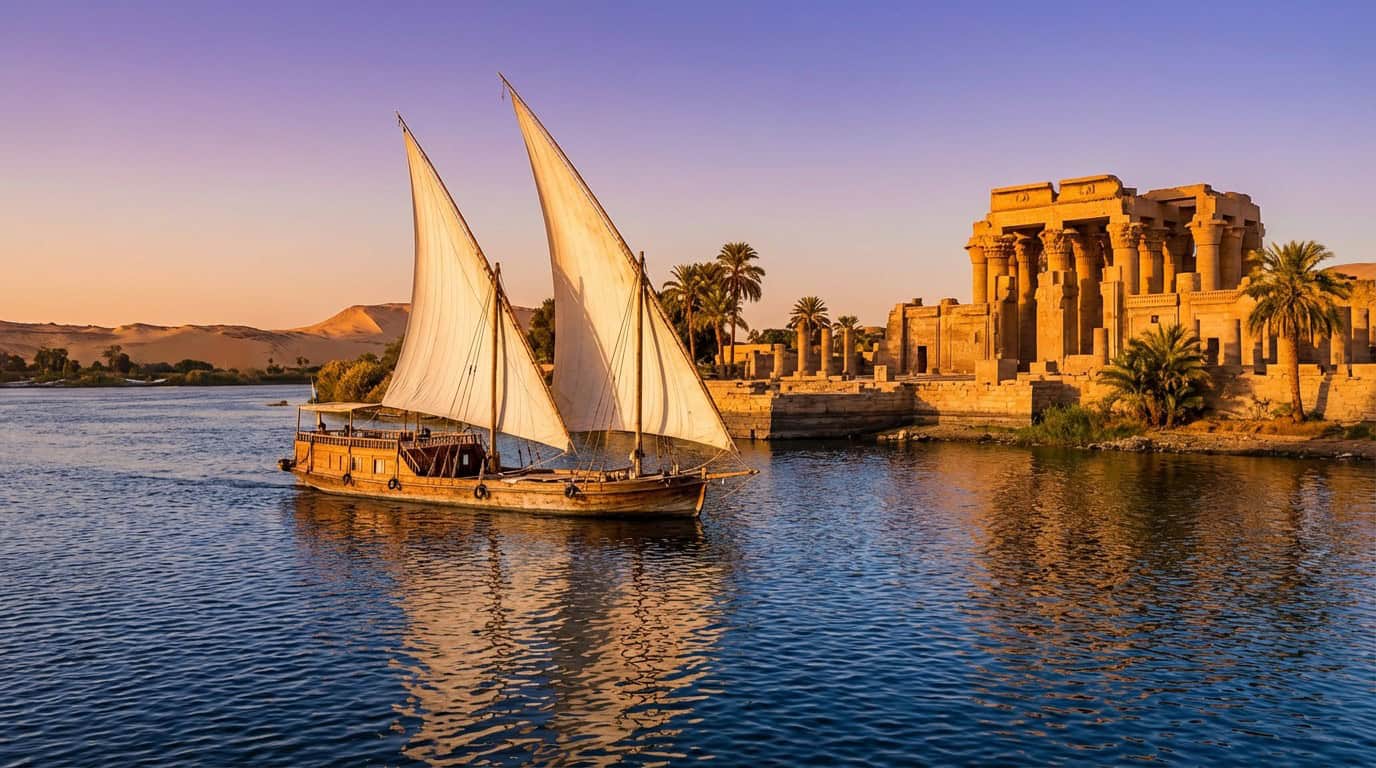
Standing at the foot of the Great Pyramids for the first time, I felt a profound sense of wonder that no textbook or photograph could ever truly capture. The golden desert sun hitting those ancient limestone blocks makes you realize that you aren’t just visiting a destination; you are stepping into the very cradle of civilization. To truly understand this land of pharaohs and legends, following a carefully curated Egypt Nile itinerary is the only way to witness how the life-giving river connects the chaos of Cairo to the serene temples of the south.
The magic of Egypt lies in the rhythm of the water, where lush green banks meet the harsh beauty of the Sahara. From the silent, painted tombs of the Valley of the Kings to the gentle swaying of a traditional wooden boat at sunset, every mile traveled along the Nile reveals a deeper layer of history. This journey is about more than just ticking off world-famous monuments; it is about finding the ancient soul of a country that has captivated travelers for millennia.
Key Takeaways
- A structured itinerary from Cairo to Aswan is the most effective way to experience the geographical and historical transition from the bustling capital to the serene temples of the south.
- Sailing the Nile via a cruise or traditional boat is an essential travel method that provides a meditative perspective on rural Egyptian life and connects major archaeological sites like Edfu and Kom Ombo.
- Maximum appreciation of iconic monuments requires strategic timing, such as visiting the Giza Pyramids and Valley of the Kings early in the morning to avoid crowds and intense desert heat.
- The optimal travel window for exploring Egypt’s outdoor historical sites is between October and April, when temperatures are mild enough for comfortable sightseeing.
Starting Your Adventure In Bustling Cairo
Your journey begins in the heart of Cairo, a city where ancient history and modern chaos live in a beautiful, energetic harmony. On your first day, you will head straight to the Giza Plateau to stand before the Great Pyramids, a moment that truly takes your breath away. I recommend arriving early to beat the crowds and taking a short camel trek to the panoramic viewpoint for the best photos of all three structures. Standing at the feet of the Great Sphinx as it guards the desert sands is a surreal experience that makes the centuries of history feel remarkably tangible.
The second and third days of your stay are dedicated to the incredible treasures housed within the newly opened Grand Egyptian Museum. This architectural marvel holds the complete collection of King Tutankhamun, and seeing his golden mask in person is a highlight you will never forget. Between museum visits, take time to wander through the vibrant stalls of the Khan el-Khalili bazaar to sip hibiscus tea and soak in the local atmosphere. This initial immersion into Cairene culture provides the perfect foundation for the rest of your adventure as you prepare to head south toward the river.
Exploring Luxor The Worlds Greatest Open Air Museum
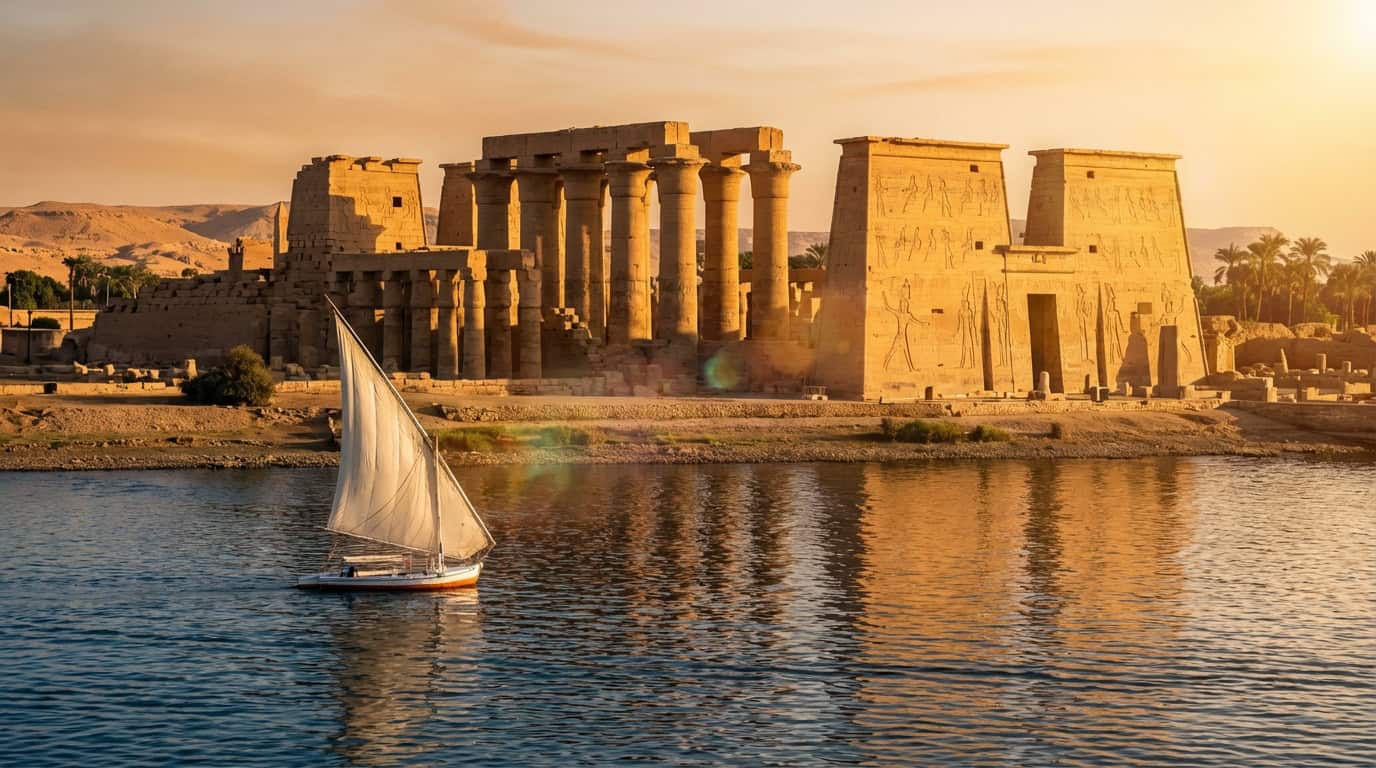
After leaving the vibrant energy of Cairo behind, your arrival in Luxor feels like stepping directly into the pages of a history book. Known as the world’s greatest open air museum, this city is divided by the Nile into the East and West Banks, each offering a distinct glimpse into the grandeur of the New Kingdom. I recommend starting your first morning here before dawn by drifting over the landscape in a hot air balloon. Watching the sun crest over the rugged Theban Hills while the green valley glows below is an experience that will stay with you forever. From this height, you can truly appreciate the scale of the monuments that await your exploration on the ground.
Once your feet are back on solid land, head straight to the West Bank to explore the legendary Valley of the Kings. Walking through the hidden desert canyons to enter the subterranean tombs of pharaohs like Tutankhamun and Ramesses VI is an awe-inspiring journey into the ancient Egyptian afterlife. The colors on the walls remain incredibly vivid, appearing as if they were painted only yesterday rather than thousands of years ago. I suggest visiting early in the day to beat the heat and the crowds, ensuring you have the mental space to absorb the intricate hieroglyphics and religious symbolism. It is a profound reminder of the sophisticated culture that thrived along these riverbanks.
To round out your Luxor itinerary, cross back to the East Bank to wander through the colossal Karnak Temple Complex. This is not just a single building but a massive collection of sanctuaries and pylons that took over fifteen hundred years to complete. Walking through the Great Hypostyle Hall, you will find yourself surrounded by 134 towering columns that make you feel small in the best way possible. After exploring Karnak, take a short stroll to Luxor Temple, which is especially beautiful when it is illuminated at night. These sites serve as the perfect transition before you board your boat to continue your journey further south toward Aswan.
Sailing The Nile From Luxor To Aswan
After the vibrant energy of Luxor, there is nothing quite like the transition to life on the water as you board your vessel for the journey south. Whether you choose the modern comfort of a large cruise ship or the intimate, slow-paced charm of a traditional wooden dahabiya, the Nile becomes your highway through history. I found that the best part of this experience is simply sitting on the deck with a glass of mint tea, watching the lush green banks and palm groves drift by. It is a peaceful contrast to the bustling city streets, offering a rare chance to see rural Egyptian life much as it has existed for centuries. The rhythm of the river sets a meditative tone for the days ahead, making the travel between sites just as memorable as the destinations themselves.
Our first major stop along the riverbanks is the Temple of Horus at Edfu, which is remarkably well preserved and feels almost untouched by time. Walking through the massive pylon entrance, you are greeted by towering sandstone walls covered in intricate reliefs that tell the stories of ancient gods. Because many cruises arrive here at similar times, I recommend heading out early to appreciate the grand scale of the courtyards before the midday sun hits. The sheer height of the columns is dizzying, and the dark inner sanctuaries provide a cool, atmospheric escape from the desert heat. It is one of the most complete examples of ancient Egyptian architecture, serving as a powerful reminder of the craftsmanship that defined this civilization.
As the sun begins to dip lower in the sky, we reach the unique double temple of Kom Ombo, perched dramatically on a scenic bend in the river. This site is fascinating because it is dedicated to two different deities, the crocodile god Sobek and the falcon-headed Haroeris, with perfectly symmetrical entrances and chapels for each. I loved wandering through the ruins during the golden hour, as the fading light turns the stone into a warm orange hue. Do not miss the small museum nearby that houses ancient mummified crocodiles found in the area, which adds a slightly eerie but captivating layer to the visit. After exploring the grounds, returning to the boat for dinner under a canopy of stars is the perfect way to conclude this leg of the journey toward Aswan.
Discovering The Nubian Wonders Of Aswan
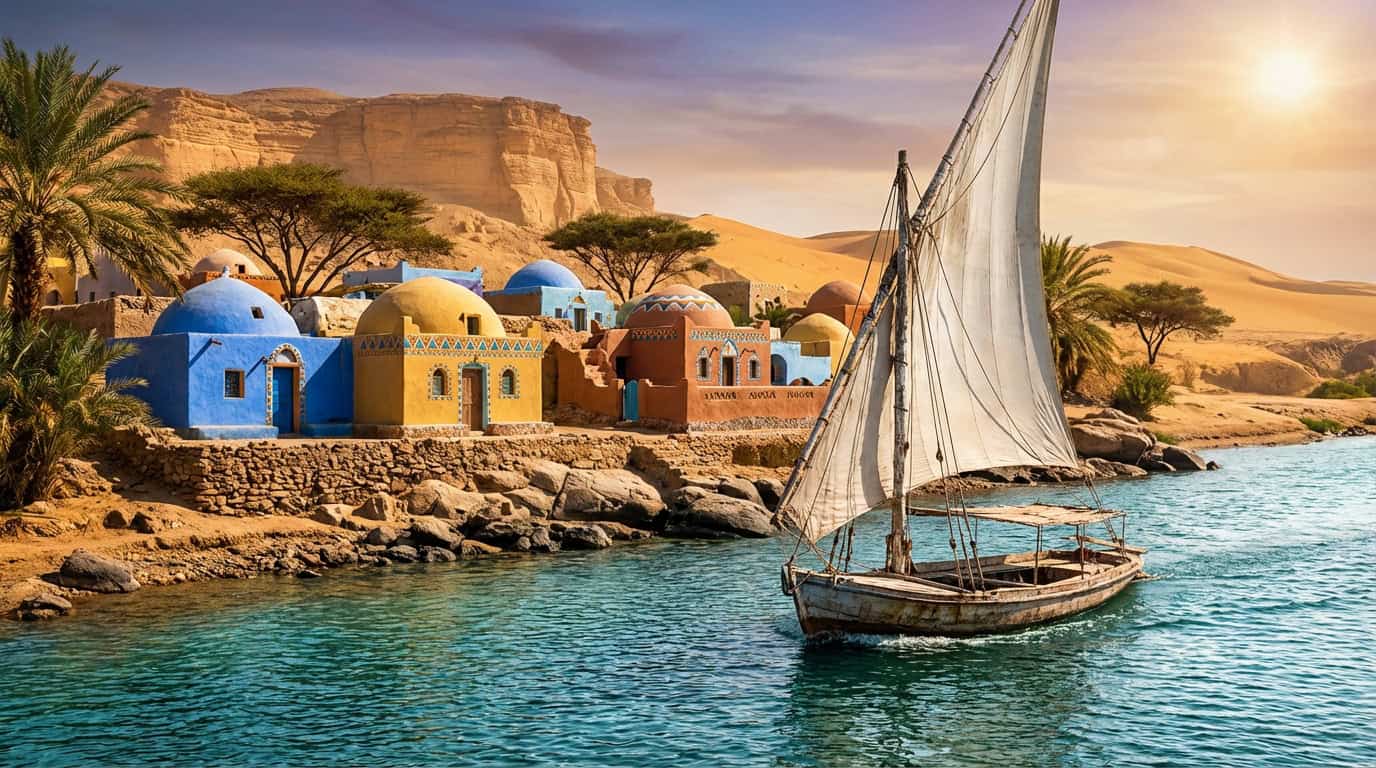
As your journey south brings you into the heart of Aswan, the atmosphere shifts into a slower and more soulful rhythm. One of my favorite moments was taking a small motorboat across the shimmering water to reach the Philae Temple, which appears to float on its own island. This sacred site dedicated to the goddess Isis is surrounded by lush greenery and offers some of the most serene views on the entire river. After exploring the intricate carvings, I highly recommend heading to the colorful Nubian Village on Elephantine Island. The vibrant blue and yellow houses, decorated with traditional patterns, provide a beautiful contrast to the golden dunes and offer a warm welcome from the local community.
No Egypt Nile itinerary is truly complete without making the essential pilgrimage to the magnificent Abu Simbel. While it requires an early morning departure from Aswan, standing before the four colossal statues of Ramses II as the sun rises is a life-changing experience. These temples were famously moved stone by stone in a massive international rescue effort, a feat of engineering that is almost as impressive as the original construction. Inside, the walls are covered in detailed battle scenes and tributes to Queen Nefertari that have retained their incredible detail for thousands of years. It is a powerful reminder of the scale and ambition of the ancient pharaohs.
Reflecting on this journey through Cairo, Luxor, and Aswan, I am struck by how this specific route captures the very soul of North Africa. To make the most of your adventure, I suggest planning your visit during the optimal travel window between October and April when the weather is mild enough to enjoy the outdoor monuments comfortably. This itinerary offers a perfect balance of iconic history and deep cultural immersion that stays with you long after you return home. From the towering pyramids to the quiet banks of the Nile, Egypt remains a destination that transforms every traveler who wanders through its timeless landscapes.
Embrace the Timeless Rhythm of the Nile
Crafting the perfect Egypt Nile itinerary is about more than just checking boxes, it is about surrendering to the rhythm of a river that has shaped civilization for millennia. From the chaotic energy of Cairo and the towering majesty of the Giza Pyramids to the silent, golden tombs in the Valley of the Kings, this journey offers a profound connection to the past. You will find that the transition from the bustling streets of the north to the serene, palm-fringed banks of Upper Egypt provides a balanced perspective on this incredible country. Every temple and monument tells a story, and following this route ensures you witness the very best of North Africa’s historical heart.
Sailing between Luxor and Aswan remains the most enchanting way to experience the landscape, whether you choose a modern cruise or a traditional wooden dahabiya. Watching the sunset over the Nile while passing ancient sites like Kom Ombo creates memories that stay with you long after the trip ends. My time exploring the vibrant Nubian villages in Aswan and marveling at the precision of the temples at Abu Simbel served as the perfect finale to this classic route. This itinerary offers a seamless blend of adventure and relaxation, making it an essential guide for anyone looking to book the perfect island voyage or river expedition to uncover the ancient soul of Egypt.
As you plan your own Egyptian expedition, remember that the magic lies in the small details as much as the grand monuments. Take the time to sip mint tea with locals, wake up early for a sunrise balloon ride over Luxor, and let the history of the Pharaohs spark your imagination. Egypt is a destination that demands to be felt rather than just seen, and this structured path through its most iconic cities provides the ideal framework for your discovery. Pack your sense of wonder and get ready for a timeless journey that will undoubtedly change the way you see the world.
Frequently Asked Questions
1. What is the best way to start an Egypt Nile itinerary?
I always recommend beginning your adventure in Cairo to witness the majesty of the Great Pyramids and the Sphinx firsthand. Spending your first few days here allows you to immerse yourself in the treasures of the Grand Egyptian Museum before heading south to the river.
2. How many days should I spend exploring Cairo?
You should dedicate at least three full days to the capital to truly soak in the energy of the city. This gives you ample time for the Giza Plateau, the complete Tutankhamun collection, and a sunset stroll through the vibrant local markets.
3. Is a Nile cruise necessary to see the best ancient sites?
Sailing the Nile is the most magical way to connect the dots between the chaos of the north and the serenity of the south. It offers a unique rhythm that lets you watch the lush green banks and desert landscapes drift by while you travel between iconic temples.
4. What should I expect when visiting the Valley of the Kings?
Prepare to be moved by the silent, painted tombs that hold thousands of years of history within their walls. Walking through these ancient chambers is a profound experience that reveals the deep, spiritual soul of the pharaohs.
5. What is the best time of day to visit the Pyramids?
I suggest arriving at the Giza Plateau as early as possible to beat the large tour crowds and the midday heat. The soft morning light hitting the limestone blocks creates a breathtaking golden glow that is perfect for your panoramic photos.
6. How can I experience the Nile like a local?
Boarding a traditional wooden boat, or felucca, at sunset is an essential experience for any traveler. Much like sailing through serenity on a northern voyage, the gentle swaying of the boat and the quiet sounds of the water provide a peaceful perspective of the river that has sustained this civilization for millennia. To ensure you see the most iconic sites with strategic timing, it helps to follow a well-planned route through the country’s historical heart.