
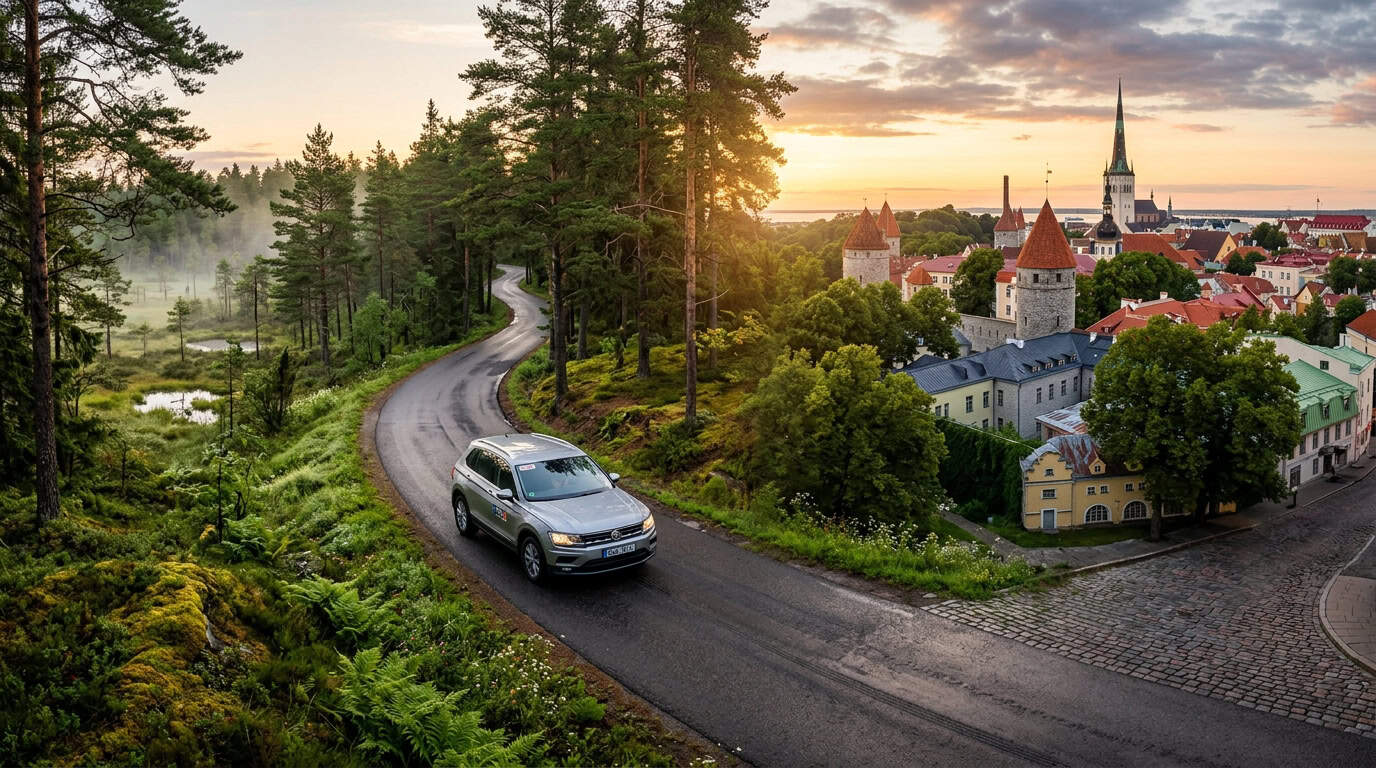
There is a certain magic in the way Estonia balances its medieval past with a sleek, digital future, and there is no better way to experience it than an estonia road trip. Imagine driving through a place where dense, emerald forests suddenly give way to high-tech cities and quirky coastal villages, all connected by a toll-free road network that makes exploration effortless. I remember the first time I pulled over on a whim to find a 500-year-old manor house tucked behind a modern wind farm; it is this constant sense of discovery that makes the country a driver’s paradise.
Whether you are chasing the record-breaking heights of the South or slow-driving through the cultural traditions of the lakeside “Onion Route,” the open road here offers a rare kind of freedom. With compact distances and high-quality highways, you can wake up in a bustling capital and fall asleep in a quiet bog-side cabin by sunset. This guide focuses on the most scenic routes and practical stops to help you travel through this Baltic gem with ease.
Key Takeaways
- Estonia offers a seamless road trip experience through a high-quality, entirely toll-free road network that connects medieval history with modern digital infrastructure.
- The country’s compact size and clear signage allow travelers to easily transition from urban centers like Tallinn to diverse landscapes like the coastal villas of Pärnu or the quiet bogs of the interior in a single day.
- Cultural routes like the ‘Onion Route’ along Lake Peipus and the ‘Infinite Loop’ in South Estonia provide authentic access to unique traditions, record-breaking natural heights, and ancient forests.
- Island hopping to Saaremaa is made effortless by efficient, affordable ferries, offering a peaceful retreat into rural heritage, historic windmills, and dramatic coastal cliffs.
Driving From Tallinn To The Coastal Magic Of Pärnu
Leaving the medieval spires of Tallinn behind felt like stepping out of a fairy tale and into a vast, open world of possibilities. The drive south along the Via Baltica is remarkably smooth, offering a stress-free experience thanks to the high-quality, toll-free road network. As I traveled the E67, the urban density quickly faded into a scenic tapestry of deep green forests and rolling meadows. This route is an essential leg of any Baltic itinerary, proving that affordable European travel can still feel incredibly premium and well-maintained. I found the transition from the cobblestone history of the capital to the open road to be the perfect way to clear my mind.
The journey to the coast takes about two hours, making it an easy stretch even for those who usually find long drives tiring. Along the way, I noticed how the air began to change, carrying a hint of salt as the pine-scented breeze from the Baltic Sea grew stronger. Pärnu greeted me with its iconic timber villas and a laid-back atmosphere that immediately shifted my pace into vacation mode. It is known as the summer capital of the country, and the sight of its wide, white sand beaches confirmed exactly why locals flock here. I highly recommend stopping at a local roadside cafe for a quick pastry before hitting the promenade for a sunset walk.
Planning this trip was surprisingly simple because the signage is clear and the digital infrastructure is top-notch throughout the region. While the Via Baltica is a major international artery, it manages to retain a sense of charm as it cuts through the pristine Estonian countryside. Once I arrived in Pärnu, I spent my afternoon exploring the shallow, warm waters of the bay and the vibrant parkways that line the shore. This destination offers a refreshing perspective on Northern Europe, blending quiet natural beauty with a sophisticated beach town vibe. It is the ideal spot to recharge before continuing your adventure toward the Latvian border or deeper into the southern lakelands.
Exploring The Onion Route And Lake Peipus Traditions
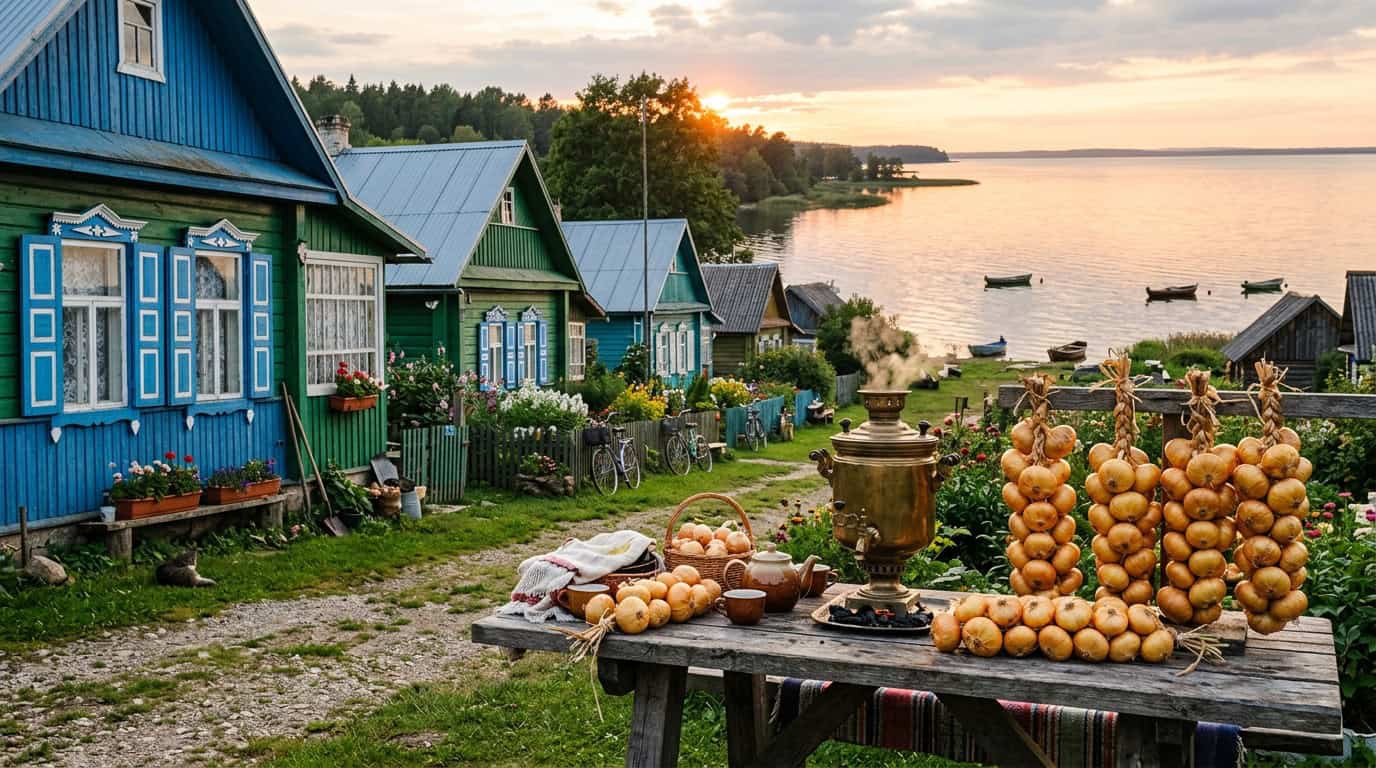
Driving along the eastern edge of Estonia feels like entering a living museum where time slows down to the rhythm of Lake Peipus. This region, famously known as the Onion Route, is home to the Russian Old Believers who settled here centuries ago to escape religious persecution. As I traveled the narrow, well-maintained roads, I was immediately struck by the vibrant, colorful architecture of the timber houses that line the lakeside villages. Many of these homes feature ornate window frames and bright facades that stand out beautifully against the deep blue backdrop of the lake. It is a peaceful, culturally rich stretch of the journey that feels worlds away from the bustling streets of Tallinn.
The local traditions are most visible during the harvest season when the famous golden onions are displayed in intricate braids outside almost every home. I stopped at a small roadside stand in Kolkja to chat with a local vendor who explained how their unique drying methods have been passed down through generations. Beyond the onions, the area is renowned for its smoked fish and traditional tea ceremonies served from polished samovars. I highly recommend taking an afternoon to visit the Varnja prayer house or simply wandering through the village cemeteries to see the unique metal crosses. These small, personal encounters provide a deep connection to a side of Northern Europe that many travelers overlook in favor of more famous landmarks.
For those planning their own Baltic itinerary, this route offers an affordable and authentic glimpse into a preserved way of life. The drive itself is easy and toll-free, making it perfect for a relaxed day trip or an overnight stay in a local guesthouse. Make sure to try the local onion pie at a village cafe, as the recipes are closely guarded secrets and taste unlike anything else in the country. This section of the road trip highlights the incredible diversity of Estonia, blending pristine natural scenery with a resilient cultural heritage. It is the perfect place to slow down, take photographs of the unique wooden architecture, and appreciate the quiet beauty of the borderlands.
Navigating The Infinite Loop Through South Estonia Wilds
The 720-kilometer Route 8 journey, often called the Infinite Loop, serves as an incredible gateway into the heart of South Estonia’s untamed landscapes. As I traveled the winding roads through this lush region, I was struck by how accessible and affordable this part of Europe remains compared to its northern neighbors. The drive is a perfect blend of smooth, toll-free highways and scenic backroads that lead you through ancient forests and quiet villages. It felt like uncovering a hidden secret where medieval history meets a modern, digitally savvy culture. This route is specifically designed to showcase the record-breaking wonders of the Baltics, making it an essential itinerary for any nature enthusiast.
One of the most breathtaking stops along the loop is Suur Munamägi, which stands as the highest point in the entire Baltic region. Standing atop the observation tower, I gazed out over a sea of green treetops that seemed to stretch endlessly toward the horizon. Just a short drive away, the Ootsipalu valley invited me to walk among giants, including the world’s tallest Scots pine. These towering trees create a natural cathedral that makes you feel small in the best way possible. I highly recommend packing a picnic of local rye bread and Estonian cheese to enjoy in the shadow of these ancient pines.
Beyond the record-breaking heights, the Infinite Loop offers a deep look into the serene waters of Rõuge Suurjärv, the deepest lake in the country. The water is remarkably clear and provides a refreshing break for travelers looking to stretch their legs with a quick swim or a lakeside hike. Because Estonia is so compact, you can easily visit these natural landmarks without feeling rushed or overwhelmed by long transit times. Every turn on Route 8 revealed another layer of the country’s pristine national parks and quiet, medieval charm. It is a journey that proves you do not need a massive budget to experience world-class natural beauty in Europe.
Island Hopping To Saaremaa And The Western Coast
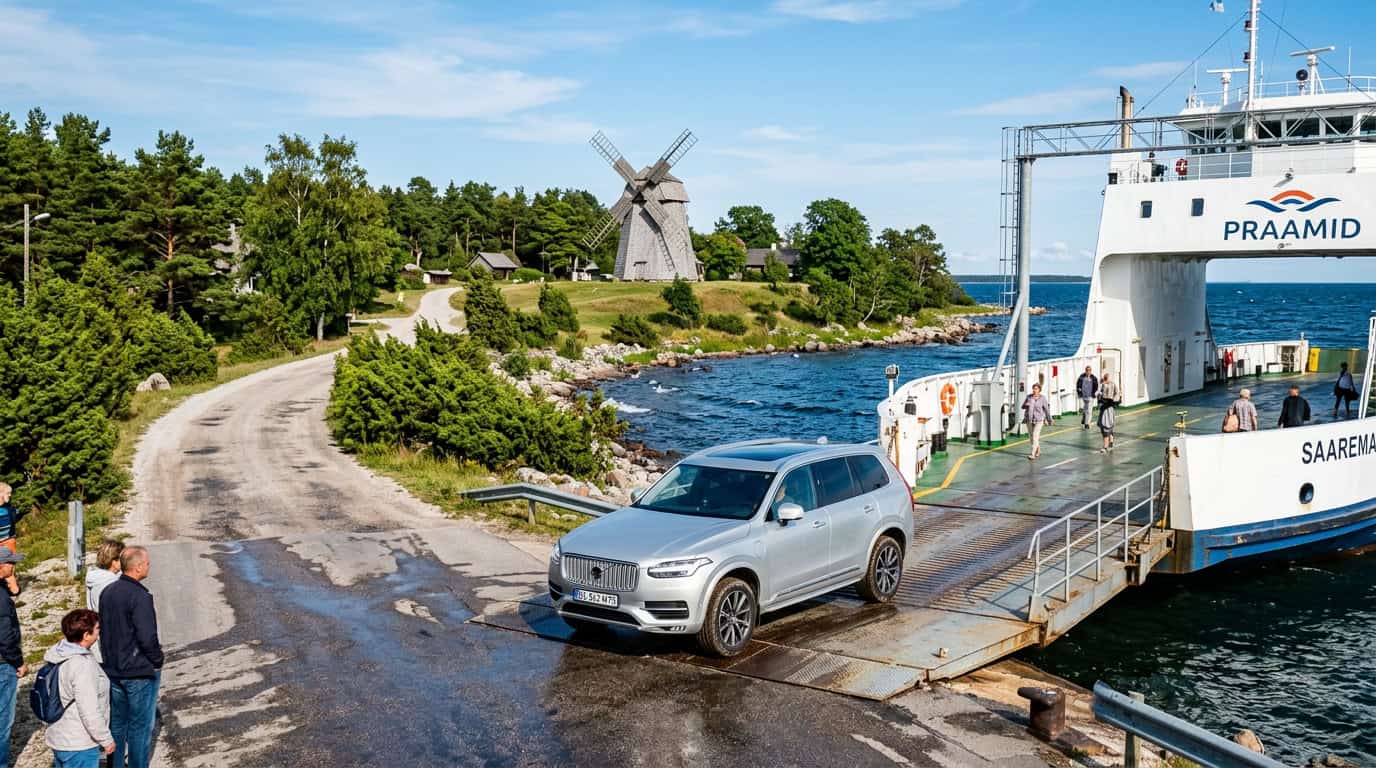
Leaving the medieval charm of the mainland behind, the journey to Saaremaa begins with a seamless ferry ride from Virtsu to Kuivastu. These ferries are incredibly efficient and affordable, making it easy to roll your car right onto the deck for the short, scenic crossing. I recommend booking your tickets online in advance during the summer months to ensure you skip the queues and keep your schedule on track. Once you drive off the ramp on Muhu Island, the air feels different, carrying a serene stillness that defines the Estonian archipelago. The roads here are quiet and lined with lush greenery, providing a peaceful introduction to the natural beauty of the western coast.
As you cross the causeway onto Saaremaa, the landscape opens up to reveal the iconic windmills that have stood as symbols of the island for centuries. A visit to the Angla Heritage Culture Centre is an absolute must, as it features a row of five historic windmills perched on a hill. You can step inside these wooden giants to learn about traditional grain grinding or participate in local craft workshops like pottery and bread making. It is a fantastic way to connect with Northern Europe’s rural roots while enjoying a slower pace of life. The surrounding fields are dotted with juniper bushes and limestone fences, creating a picturesque backdrop that feels like a living museum.
Beyond the cultural sites, Saaremaa offers a pristine escape into nature that rivals the more crowded destinations of the north. You can explore the dramatic Panga Cliff for sweeping views of the Baltic Sea or wander through the mysterious Kaali meteorite craters. The island’s capital, Kuressaare, is home to a magnificent medieval castle and several affordable spa hotels that make for a perfect home base. Driving across the island is a joy because the infrastructure is excellent and the distances are short, allowing you to discover hidden beaches and tiny fishing villages at your own leisure. It is a refreshing and budget-friendly alternative for travelers seeking tranquility and authentic history off the beaten path.
Refining Your Ultimate Estonian Road Adventure
Estonia proved to be one of the most refreshing surprises of my travels through Northern Europe, offering a seamless blend of medieval charm and futuristic convenience. The country is remarkably compact, which means you can transition from the cobblestone streets of Tallinn to the deep silence of a pristine national park in under an hour. Because the road network is high quality and entirely toll-free, the typical stress of international driving simply evaporates. I found that the advanced digital infrastructure made everything from finding hidden trailheads to paying for parking a total breeze. It is the perfect destination for anyone who wants the freedom of a rugged outdoor adventure without the logistical headaches often found in larger countries.
Beyond the ease of travel, the sheer diversity of the landscapes tucked into such a small area is what truly captured my heart. One day I was standing atop Suur Munamägi looking out over endless forests, and the next I was eating traditional onion bread along the quiet shores of Lake Peipus. This region offers a much more affordable and intimate alternative to the crowded routes of Scandinavia while maintaining that same ethereal, northern beauty. Whether you are wandering through the record-breaking pines of Ootsipalu or exploring the cultural heritage of the Onion Route, the sense of peace here is palpable. I truly believe every nature lover needs to experience this Baltic gem at least once to see how effortless a road trip can be.
Frequently Asked Questions
1. Is driving in Estonia expensive for travelers on a budget?
Not at all, because Estonia is a dream for budget-conscious drivers thanks to its entirely toll-free road network. You can enjoy high-quality, well-maintained highways without ever worrying about extra fees adding up on your journey. It makes the freedom of a road trip feel both premium and incredibly affordable.
2. How much time should I plan for the drive between Tallinn and Pärnu?
The drive typically takes about two hours, which is perfect for a stress-free morning transition from the city to the coast. The roads are smooth and scenic, so you will find the time flies by as you watch the urban landscape melt into deep green forests. It is an easy stretch that won’t leave you feeling tired for your afternoon explorations.
3. Are the roads in Estonia easy to navigate for international visitors?
You will find the roads exceptionally easy to travel because the infrastructure is modern and the signage is very clear. The compact distances between major landmarks mean you are never behind the wheel for too long before discovering something amazing. Much like chasing legends on a Transylvania road trip, the experience of navigating through historic landscapes is both rewarding and visually stunning. If you are looking for more coastal inspiration, you might also consider planning an Albania coast road trip for your next summer getaway. It is the ideal destination for anyone who wants a relaxed driving experience through diverse landscapes.
4. What makes the ‘Onion Route’ a unique stop on an Estonian road trip?
The Onion Route offers a beautiful glimpse into deep cultural traditions along the shores of Lake Peipus. It is a place where time slows down, allowing you to experience a unique side of Estonian heritage while driving through charming lakeside villages. I highly recommend it for those who love finding hidden gems off the beaten path.
5. Can I see both the city and the countryside in a single day?
Absolutely, because the compact size of the country allows you to wake up in the bustling capital and be tucked away in a quiet bog-side cabin by sunset. You can easily balance a morning of medieval history with an afternoon of forest exploration. This efficiency is exactly what makes Estonia such a driver’s paradise.
6. What should I look out for while driving through the Estonian countryside?
Keep your eyes peeled for the stunning contrast between Estonia’s digital future and its ancient past, like modern wind farms standing near a 500-year-old manor house. The landscape is a constant tapestry of emerald forests, rolling meadows, and quirky coastal villages. Every turn offers a new sense of discovery that makes the journey just as exciting as the destination.