
Imagine sipping a glass of deep amber wine in a courtyard where vines have grown for centuries, all while the snow-capped peaks of the Caucasus loom in the distance. Planning the perfect Georgia itinerary is now easier than ever, especially with visa-free entry for most travelers and a hospitality culture that treats every guest like a gift from God. From the sulfur baths of Tbilisi to the ancient stone towers of Svaneti, this land offers a rare blend of soulful history and raw, rugged adventure.
The best time to experience this magic is during the golden autumn months of September and October, when the air is crisp and the legendary Rtveli wine harvest is in full swing. Whether you are navigating the winding mountain roads in a 4WD or hopping between boutique wineries in Kakheti, the country’s 8,000-year-old traditions feel alive in every bite of khinkali and every toast shared with locals. With the Georgian Lari offering incredible value and scenery that shifts from lush valleys to dramatic cliffs, your journey through this hidden gem will be nothing short of transformative.
Key Takeaways
- Georgia offers a seamless travel experience for most visitors through visa-free entry, affordable value with the Lari, and a deeply ingrained culture of hospitality that treats every guest as a priority.
- The optimal time to visit is during the golden autumn months of September and October to witness the 8,000-year-old ‘Rtveli’ wine harvest and explore the cradle of viticulture in the Kakheti region.
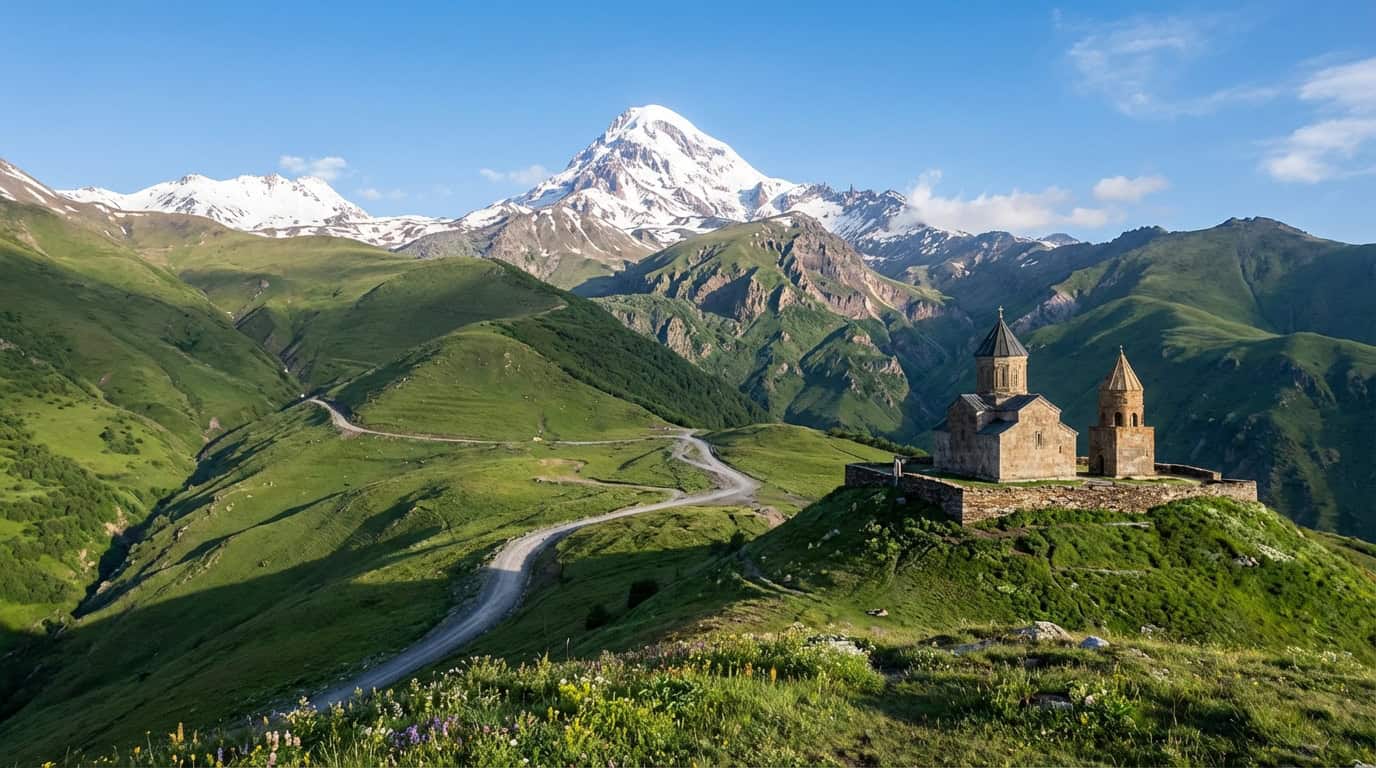
- A complete itinerary must balance the urban history of Tbilisi’s sulfur baths with the rugged landscapes of the High Caucasus, including the iconic Gergeti Trinity Church in Kazbegi and the medieval stone towers of Svaneti.
- Utilize private drivers via services like GoTrip for regional transfers to navigate winding mountain roads safely while maintaining the flexibility to explore remote UNESCO World Heritage sites at your own pace.
Exploring Tbilisi Old Town And Sulfur Baths
Stepping into the heart of Old Tbilisi feels like walking through a living gallery where history and modernity collide in the most beautiful ways. Your first day should begin in the Abanotubani district, where the iconic brick domes of the sulfur baths of Tbilisi rise from the earth like ancient monuments. I recommend starting with a soak at Gulo’s Thermal Spa or the Orbeliani Baths, where the mineral-rich waters provide a perfect remedy for travel fatigue. As you emerge feeling refreshed, wander toward the Leghvtakhevi Waterfall, a hidden gem tucked right behind the bathhouses in a dramatic rocky canyon. The contrast between the vibrant, carved wooden balconies overhead and the rugged cliffs below captures the true essence of this resilient capital.
Navigating the labyrinthine cobblestone streets requires a curious spirit and a sturdy pair of walking shoes. Make your way toward Shardeni Street but quickly veer off into the quieter side alleys to find the city’s secret courtyards and crumbling Italianate mansions. This is where you will discover the soul of Georgian hospitality, tucked away in dimly lit wine bars like Vino Underground or Karalashvili’s Wine Cellar. I spent hours here learning about qvevri winemaking, an 8,000 year old tradition where grapes are fermented in massive clay jars buried underground. Sampling a glass of amber Rkatsiteli alongside a plate of local sulguni cheese is an essential rite of passage for any visitor.
As the sun begins to set, take the cable car from Rike Park up to the Narikala Fortress for a panoramic view of the Mtkvari River winding through the city. The sight of the Kartlis Deda statue watching over the rooftops provides a powerful sense of place that few other cities can match. From this vantage point, you can plan your next move, perhaps heading back down to Rezo Gabriadze’s whimsical clock tower for its evening puppet show. Tbilisi is a city that rewards those who take it slow, so do not be afraid to linger over a second glass of wine. This initial immersion sets the stage for the rest of your Georgian adventure, blending ancient traditions with a vibrant, welcoming energy.
Sipping Through The Vineyards Of Kakheti
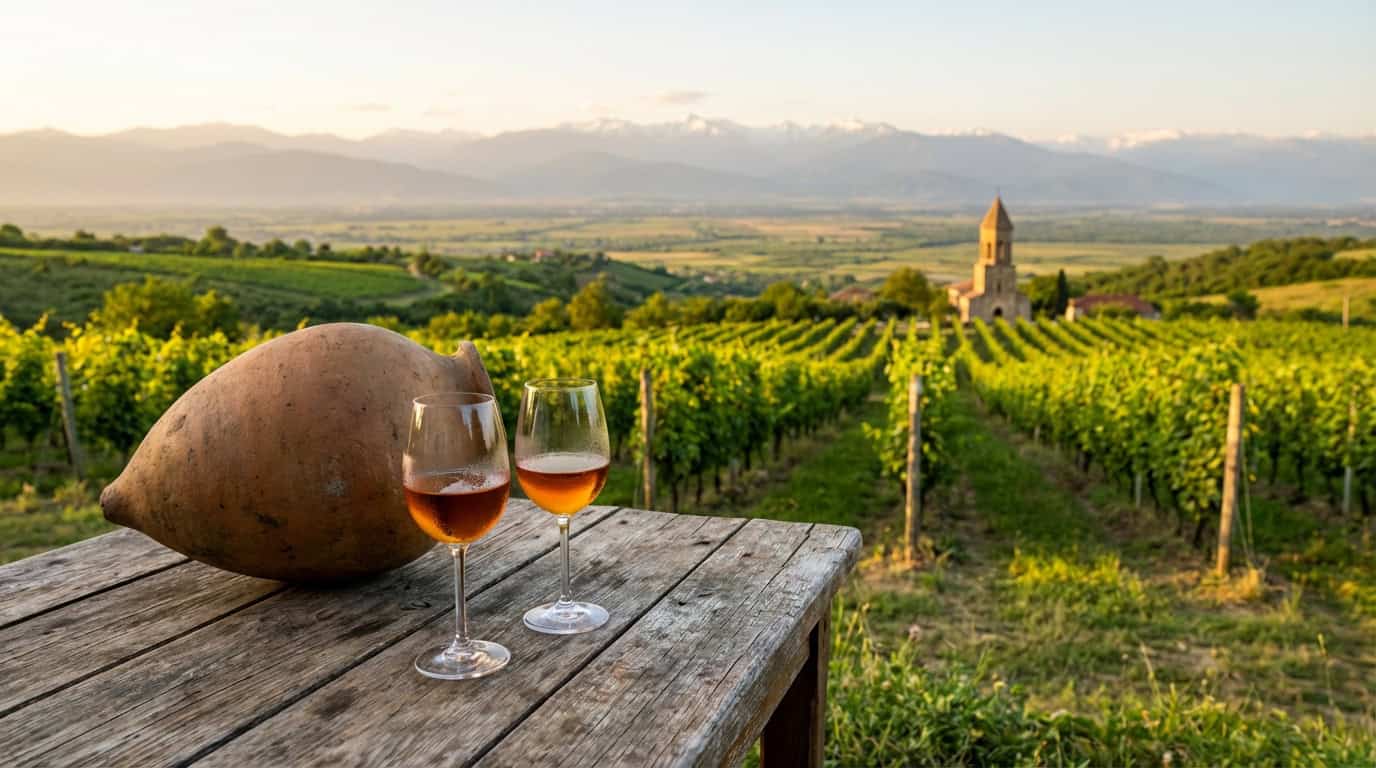
No itinerary through the Caucasus is complete without a journey into Kakheti, the cradle of viticulture where winemaking has been a way of life for over 8,000 years. I recommend starting your exploration in the fortified hilltop town of Sighnaghi, often called the City of Love for its romantic cobblestone streets and sweeping views of the Alazani Valley. You can spend your morning walking along the ancient defensive walls before heading to a local Marani, or wine cellar, to witness the magic of the qvevri. These massive clay vessels are buried underground to ferment wine naturally, a UNESCO-recognized method that produces the amber-hued skin-contact wines Georgia is famous for.
For a truly immersive experience, plan to visit the nearby village of Tsinandali to explore the elegant 19th-century estate of Prince Alexander Chavchavadze. This historic site perfectly blends European architectural styles with traditional Georgian hospitality, offering lush botanical gardens and a legendary wine collection. If you are traveling during the autumn months of September or October, you might even get to participate in the Rtveli wine harvest, where families gather to pick grapes and celebrate with a supra feast. I found that hiring a private driver through GoTrip is the most efficient way to hop between these boutique vineyards while enjoying the stunning scenery of the Greater Caucasus mountains.
End your Kakheti circuit by visiting the Alaverdi Monastery, where monks have been perfecting their own vintages since the 11th century. The sheer scale of the cathedral against the backdrop of the mountains provides a spiritual context to the region’s deep-rooted connection with the vine. Make sure to sample Saperavi, a bold red grape variety that is unique to this terroir and pairs perfectly with local cheeses and fresh bread. Whether you are a dedicated oenophile or a curious traveler, the warmth of the Kakhetian people and their ancient traditions will leave you feeling like a guest rather than a tourist.
Hiking To Gergeti Trinity Church In Kazbegi
The drive along the Georgian Military Highway is an adventure in itself, winding through emerald valleys and past the turquoise waters of the Zhinvali Reservoir. As I climbed higher into the High Caucasus, the air grew crisp and the scenery transformed into a dramatic display of jagged peaks and ancient watchtowers. Reaching Stepantsminda felt like stepping into a living postcard where the local hospitality is as warm as the fresh khachapuri served in village guesthouses. I recommend spending at least two nights here to fully absorb the quiet majesty of the mountains and the unique cultural rhythm of the region. This stop is a highlight of any Georgia itinerary because it perfectly bridges the gap between the country’s rugged wilderness and its deep spiritual roots.
The hike to Gergeti Trinity Church is a rewarding trek that takes about an hour or two depending on your pace and the path you choose. I opted for the steeper forest trail, which offered occasional glimpses of the 14th century stone monastery perched high above the clouds. Standing at the foot of Mount Kazbek, a dormant volcano rising over 5,000 meters, I felt a profound sense of peace while watching the mist swirl around the church’s ancient walls. For those who prefer a less strenuous journey, local 4WD drivers are available in the town square to navigate the winding mountain road for a small fee. Regardless of how you reach the summit, the panoramic views of the Sno Valley below are absolutely unforgettable.
After visiting the church, your itinerary should include a stop at the nearby Gveleti Waterfalls or a short drive to the Dariali Gorge near the Russian border. These spots offer a deeper look into the ancient surroundings that have shaped Georgian identity for centuries, providing endless opportunities for photography and quiet reflection. I found that the best time to start the hike is early in the morning to avoid the midday crowds and catch the golden light hitting the peaks. Make sure to pack plenty of water, wear sturdy hiking boots, and bring a light jacket even in summer as the mountain weather can change rapidly. Ending the day with a glass of local Saperavi wine while watching the sunset over the Caucasus is the ultimate way to experience Georgia’s high altitude charm.
Discovering Medieval Towers In Svaneti And Mestia
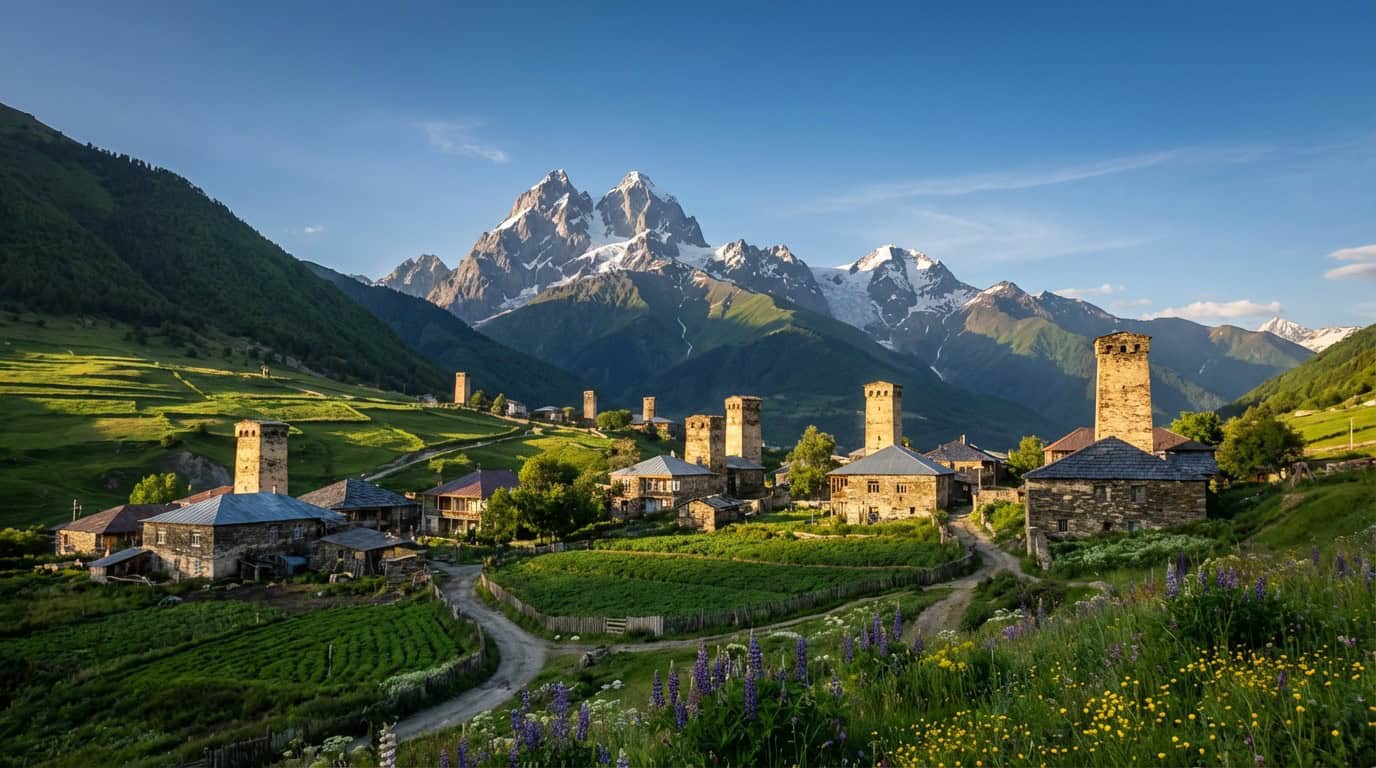
The journey into the heart of Upper Svaneti feels like stepping back into a forgotten era where the 12th-century stone towers of Svaneti stand as silent guardians against the backdrop of the Greater Caucasus. These iconic structures, known as Koshki, were originally built to protect families from both invaders and avalanches, creating a skyline that is unlike anything else in the world. As you wander through the narrow, unpaved streets of Mestia, the scent of woodsmoke and the sound of distant glacier melt provide a sensory immersion into a culture that has remained fiercely independent for centuries. For the best experience, I recommend spending at least three nights here to truly absorb the local hospitality and the dramatic high-altitude scenery. You can spend your first afternoon visiting the Margiani’s House Museum to see the interior of a traditional Svan dwelling before catching the sunset over the peaks.
Reaching this remote UNESCO World Heritage site requires some planning, but the rewards are well worth the effort of the long journey. While small planes fly from Natakhtari to Mestia, they are frequently canceled due to mountain weather, so I suggest hiring a private driver through GoTrip or taking a sturdy 4WD vehicle for the six-hour drive from Kutaisi. The mountain roads have seen significant improvements recently, yet the final ascent still demands a vehicle with high clearance and an experienced hand at the wheel. Once you arrive, the most spectacular day trip is the rugged drive or trek to Ushguli, one of the highest continuously inhabited settlements in Europe. Here, you can hike toward the Shkhara Glacier, where the massive ice walls create a stunning contrast against the green alpine meadows and medieval stonework.
To make the most of your Svaneti itinerary, be sure to sample the local culinary specialty, Kubdari, a hearty meat-filled bread seasoned with wild mountain cumin that is perfect after a long hike. The region is a paradise for hikers, offering trails that lead to the turquoise Koruldi Lakes or the cascading Shdugra Waterfall near the village of Mazeri. Even if you are not an expert mountaineer, the Hatsvali cable car provides an easy way to reach a breathtaking viewpoint overlooking Mount Ushba without the strenuous climb. Remember that the weather in these high altitudes can shift in an instant, so packing layers and waterproof gear is essential even during the mild summer months. This corner of Georgia offers a profound sense of isolation and beauty that serves as the perfect cultural anchor for any Caucasus adventure.
How to Travel Georgia With Ease
To make your journey across these ancient regions as seamless as possible, I highly recommend using the GoTrip service for your regional transfers. This platform allows you to book private drivers for the day at a fixed price, giving you the freedom to stop at every roadside vineyard or mountain viewpoint without the stress of navigating. Unlike standard taxis, these drivers often act as informal guides and will proudly share stories about their villages while you travel in comfort. It is an affordable way to reach remote corners like Svaneti or the wine cellars of Kakheti while supporting the local economy directly. Make sure to book your routes a day in advance to ensure you have the best experience on the winding mountain roads.
Beyond the practicalities of visas and transport, Georgia is a destination that will fundamentally shift your understanding of hospitality. The Georgian belief that a guest is a gift from God is not just a saying but a way of life that you will encounter at every supra dinner and guesthouse. Whether you are wandering through the neon-lit streets of Tbilisi or hiking beneath the towering peaks of Kazbegi, the genuine warmth of the people leaves a lasting mark on your soul. You will arrive as a tourist but leave feeling like a member of a global family, forever carrying the scent of wood-fired bread and the echo of polyphonic songs. This corner of the Caucasus offers a rare kind of magic that stays with you long after the flight home.