
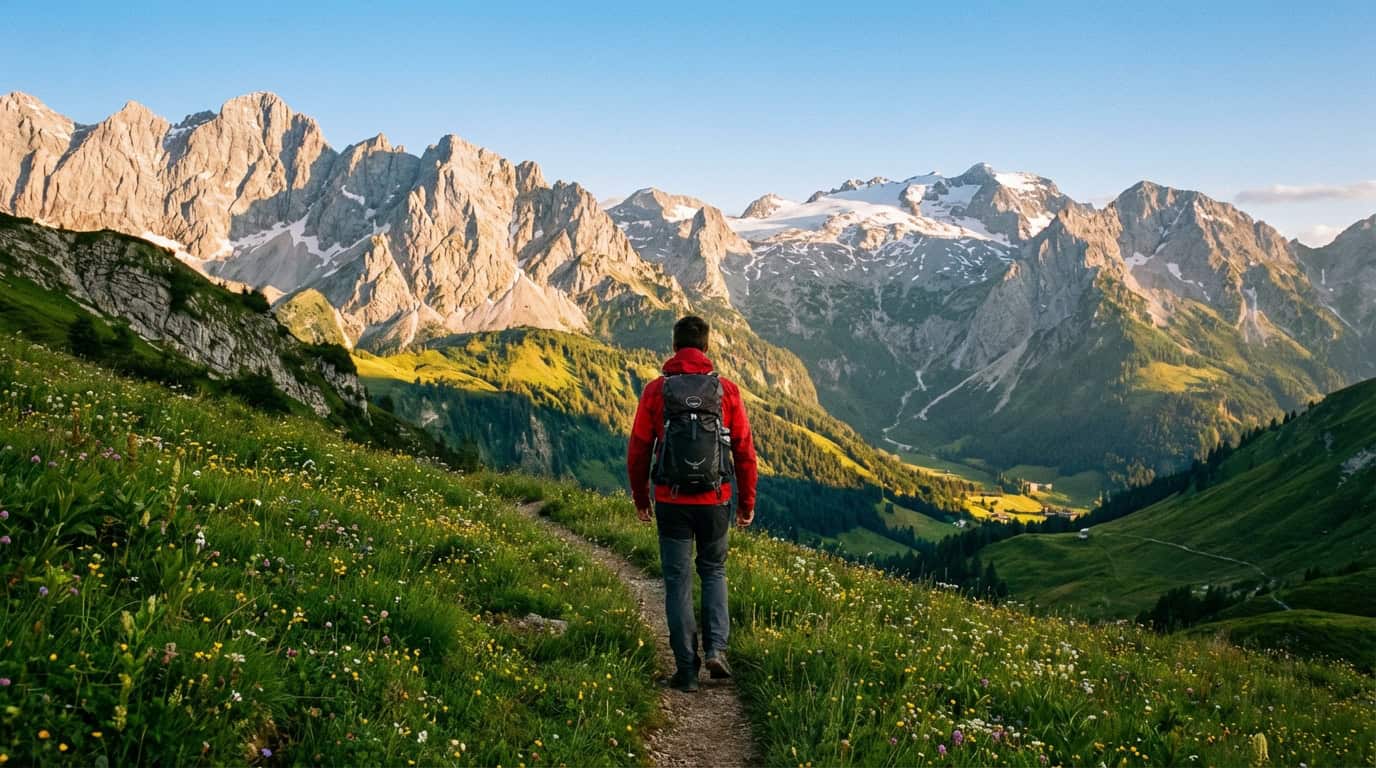
There is a specific kind of magic that settles in your chest when you crest a ridge and see the jagged limestone peaks stretching toward the horizon. With over 50,000 kilometers of meticulously marked trails, austrian alps hiking offers an unparalleled blend of rugged wilderness and refined comfort. Whether you are navigating a high-altitude route above 3,000 meters or strolling through a wildflower-laden meadow, the sheer scale of the mountains is enough to turn any traveler into a lifelong mountaineer.
One of my favorite memories is reaching a remote Almhütte just as the sun began to dip, trading my heavy boots for a pair of hut slippers and a bowl of warm knödel. These mountain refuges are the heartbeat of the Austrian backcountry, allowing you to trek for days across the extensive trail systems without ever needing to pitch a tent. From the emerald valleys of Tyrol to the permanent glaciers of the Hohe Tauern, the infrastructure here makes world-class adventure accessible to anyone with a sturdy pair of shoes and a thirst for alpine air.
Key Takeaways
- Austria features an elite infrastructure of over 50,000 kilometers of meticulously marked trails, allowing hikers to navigate everything from 3,000-meter peaks to lush meadows with ease.
- The extensive network of traditional mountain huts, or Almhütten, eliminates the need for heavy camping gear by providing warm meals, beds, and a communal social culture.
- Plan your alpine adventure between June and September to ensure snow-free trails, stable weather, and full access to high-altitude refuges and summer cable cars.
- The Hohe Tauern National Park and the Long Distance Triple Crown offer world-class trekking experiences that balance raw glacial power with accessible, well-maintained paths.
Navigating The Iconic Trails Of The Hohe Tauern
As I stood at the base of the Großglockner, Austria’s highest peak, I was immediately struck by how the Hohe Tauern National Park balances raw, glacial power with a sense of warm, welcoming hospitality. The trail network here is incredibly well-marked, making it easy to transition from the lush, green meadows of the valleys to the rugged, high-altitude terrain that defines this iconic region. For a gentle introduction, I highly recommend the Gamsgrubenweg trail, which offers nearly level walking paths with spectacular views of the Pasterze Glacier without requiring technical climbing gear. It is the perfect way to experience the scale of the Alps while still being back in time for a hearty plate of Kaiserschmarrn at a local hut.
If you are looking for a bit more of a challenge, the ascent toward the Erzherzog-Johann-Hütte provides an exhilarating taste of high-alpine trekking at over 3,400 meters. Navigating these paths requires a steady foot, but the reward is an unparalleled panorama of jagged peaks that seem to stretch endlessly toward the horizon. Along the way, you will find that the traditional Almhütten are more than just pit stops; they are the cultural heart of the mountains where you can refuel with local alpine cheese and share stories with fellow hikers. These huts allow you to plan multi-day adventures across the park’s 1,800 square kilometers of protected wilderness without the need to carry heavy camping supplies.
To make the most of your journey, I suggest basing yourself in a village like Heiligenblut, where the spire of the local church frames the mountain views perfectly. Early morning starts are essential to beat the clouds, and you should always check the local weather forecast at the visitor centers before heading toward the higher ridges. Whether you are wandering through the stone pine forests or testing your endurance on the steep switchbacks of the Glocknerrunde, the infrastructure here is designed to keep you safe and inspired. This region truly captures the spirit of the Austrian Alps, blending world-class hiking trails with the kind of cozy, traditional charm that makes every mile feel like a homecoming.
The Magic Of Staying In Traditional Austrian Almhütten
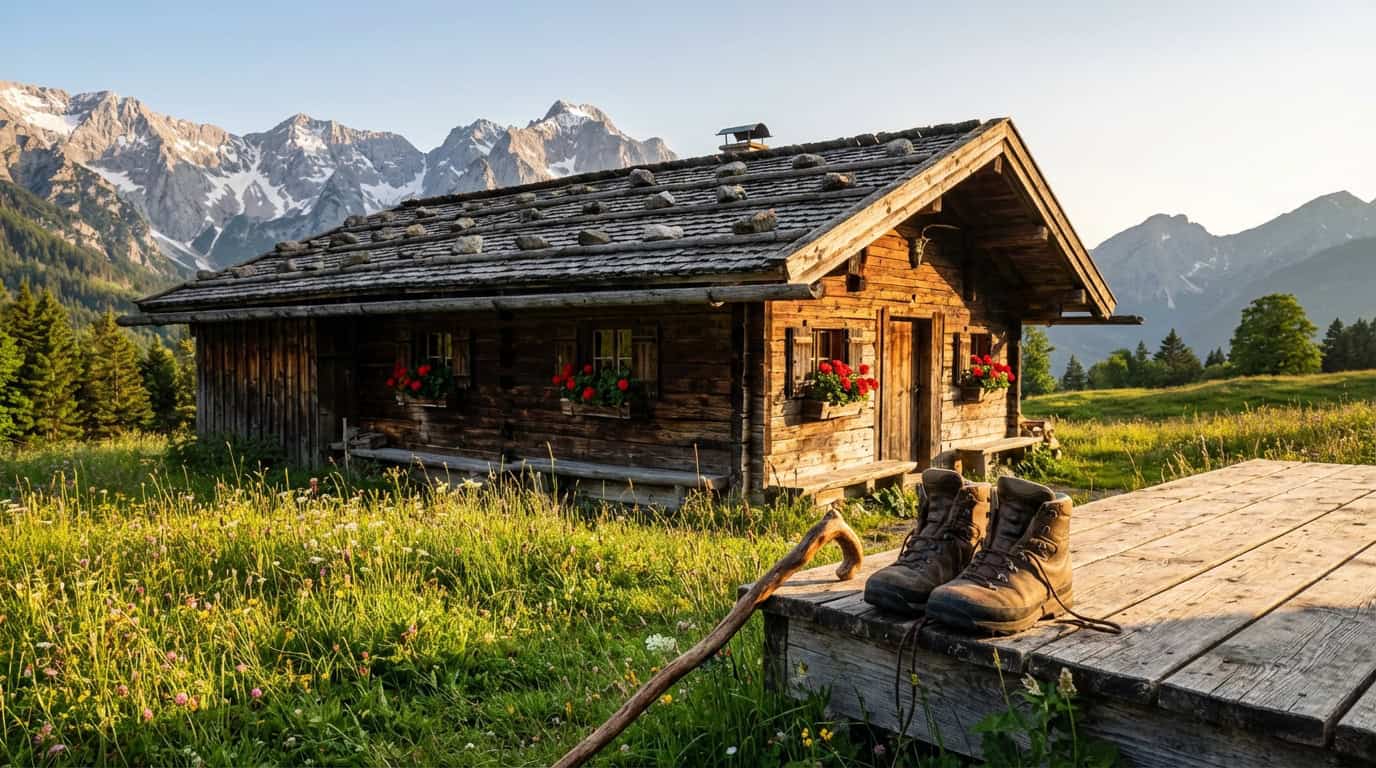
One of my favorite aspects of trekking through the Austrian Alps is the ability to leave the heavy tent and bulky stove at home. Thanks to an incredible network of over 50,000 kilometers of marked trails, you are never far from a traditional Almhütte. These high-altitude lodges are the soul of the Austrian mountains, offering a warm sanctuary for hikers to rest their legs after a day of climbing. Walking into a wood-paneled stube and smelling the scent of pine and fresh soup is an experience that makes every uphill mile worth the effort. It creates a unique culture where you can focus entirely on the scenery rather than the logistics of survival.
The hospitality found within these huts is legendary, centered around communal dining and hearty alpine flavors. You haven’t truly hiked in Austria until you have sat on a sun-drenched terrace with a massive plate of Kaiserschmarrn, a fluffy shredded pancake topped with powdered sugar and plum compote. These meals are designed to fuel your journey, providing the calories needed to tackle the next 3,000-meter peak or high-alpine pass. Conversations flow easily between travelers from all over the world, sharing tips about the trail conditions or the best hidden viewpoints nearby. It is a social and cozy atmosphere that turns a simple hiking trip into a deep cultural immersion.
Staying overnight in an Almhütte allows you to witness the mountains in their most peaceful state, far away from the valley crowds. As the sun sets behind the jagged limestone peaks, the silence of the high Alps takes over, interrupted only by the distant chime of cowbells. You wake up to a crisp mountain breeze and a simple, delicious breakfast before stepping directly back onto the trail. This hut-to-hut system makes long-distance trekking accessible to anyone, whether you are a seasoned mountaineer or a casual hiker looking for comfort. It is the perfect blend of rugged adventure and rustic luxury that keeps me coming back to these peaks year after year.
Conquering The Long Distance Alpine Triple Crown
If you are looking to push your limits, the Austrian Alps offer a sprawling 2,500 kilometer trail network known as the Long Distance Triple Crown. I have found that the crown jewel of this system is the Nordalpenweg, a legendary route that stretches across the northern limestone Alps from Lake Constance to the outskirts of Vienna. For seasoned hikers, this path is the ultimate test of endurance, winding through high-altitude karst plateaus and lush alpine meadows that feel untouched by time. You will experience a unique blend of rugged limestone peaks and the warm, traditional hospitality that defines the Austrian hiking culture.
Tackling these multi-day stretches requires a mix of physical grit and smart planning, but the reward is a seamless journey through some of the most dramatic landscapes in Europe. One of my favorite aspects of hiking in Austria is the incredible network of mountain huts, which allows you to traverse these 3,000 meter regions without the burden of a heavy tent or cooking gear. You can spend your days conquering steep ascents and your evenings sharing a hearty plate of Kaiserschmarrn with fellow travelers in a cozy timber lodge. These huts are essential hubs for safety and community, providing a reliable sanctuary after a long day on the trail.
To successfully navigate the Nordalpenweg, I recommend focusing on specific high-alpine sections like the Karwendel Mountains or the Dachstein Massif for a true taste of the Triple Crown. These areas offer well-marked trails that demand respect for high-altitude weather but provide unparalleled views of glacial peaks and deep green valleys. Make sure to book your hut stays in advance during the peak summer months, as these legendary spots fill up quickly with adventurers from around the world. By packing light and staying focused on the red and white trail markers, you can experience the profound sense of accomplishment that comes with conquering one of the world’s most sophisticated hiking infrastructures.
Planning Your Seasonal Austrian Alpine Adventure
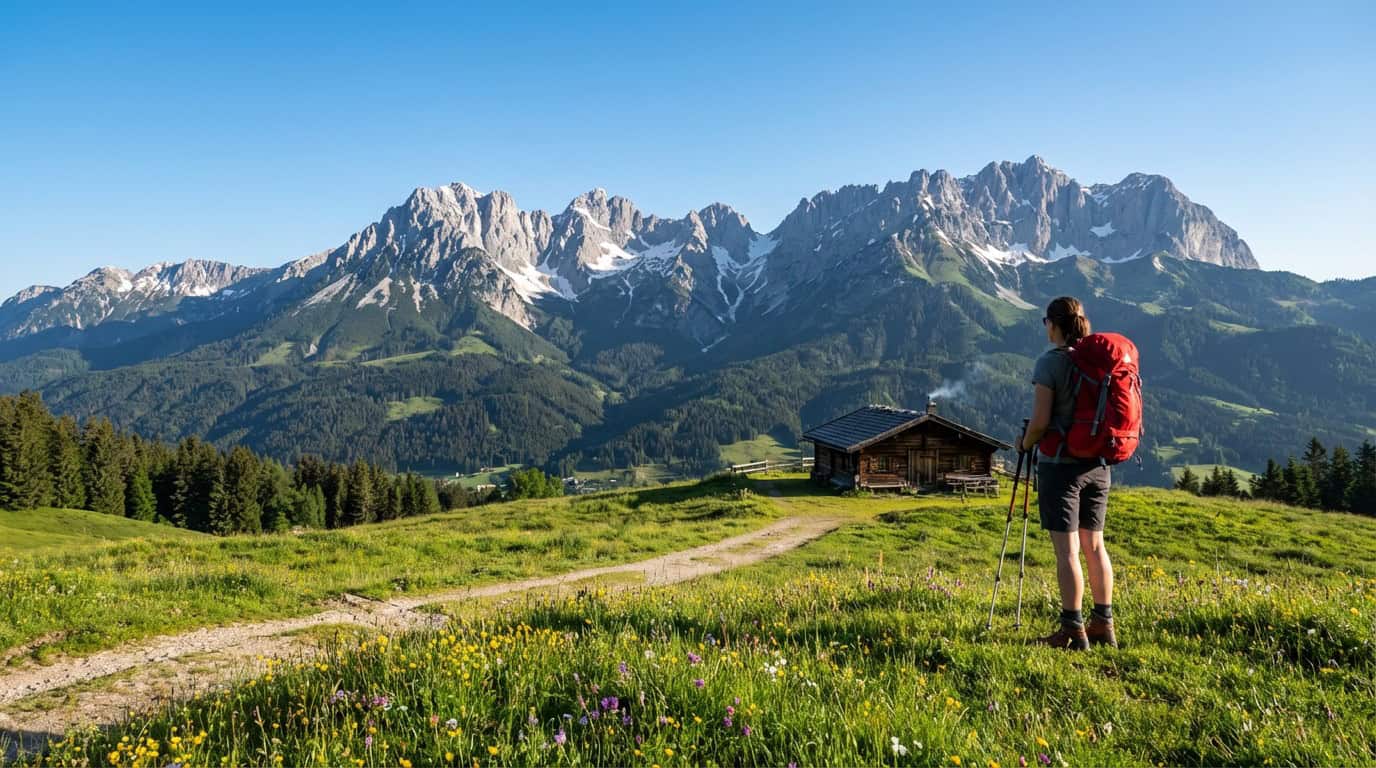
To experience the Austrian Alps at their most welcoming, timing your visit between June and September is essential for navigating the high-altitude terrain safely. During these summer months, the snow recedes from the upper ridges, revealing a lush landscape where the air is crisp and the trail conditions are at their peak. I have found that mid-July offers a particularly magical window when the alpine wildflowers are in full bloom and the traditional mountain huts are bustling with energy. While the weather can shift quickly in the mountains, this window provides the most stable conditions for those looking to conquer the more technical sections of the 50,000 kilometer trail network. You can expect warm afternoons perfect for trekking and cool evenings that make the cozy hospitality of a mountain lodge feel truly earned.
One of the greatest joys of hiking in this region is the seamless integration of modern infrastructure with the rugged natural beauty of the peaks. You do not always have to spend hours on a grueling ascent to enjoy those breathtaking 3,000 meter views, thanks to the extensive network of summer cable cars and chairlifts. These lifts act as a gateway to the high alpine, whisking you above the treeline so you can spend your energy on the panoramic ridge walks instead of the initial climb. I love using these lifts to reach the more remote trails that connect various valleys, allowing for a full day of high-altitude exploration without the fatigue of a vertical kilometer. It is a brilliant way to access the heart of the mountains while still leaving plenty of time for a cold drink at a sun-drenched hut.
The cultural charm of the Austrian Alps is best experienced through the network of mountain refuges, or Almhütten, that dot the landscape. These lodges are far more than just shelter, as they serve as the social hubs of the trail where hikers gather for hearty local plates and shared stories. Because these huts are so well-spaced, you can plan multi-day adventures without the burden of carrying heavy camping gear or cooking supplies. I highly recommend booking your stay in advance during the peak of August to ensure you have a spot in these traditional wooden chalets. There is nothing quite like waking up at dawn above the clouds, knowing a fresh breakfast and another day of well-marked trails are waiting just outside your door.
Why Your Next Adventure Belongs in the Austrian Alps
The Austrian Alps offer a rare blend of wild, high altitude adventure and the kind of warm hospitality that makes every mile worth the effort. With over 50,000 kilometers of meticulously marked trails, you can transition from wandering through emerald green meadows to standing atop rugged peaks over 3,000 meters high. I have found that the true magic lies in the accessibility of these mountains, where the infrastructure is designed to welcome everyone from casual strollers to seasoned trekkers. You never have to worry about carrying heavy camping gear because the network of mountain huts provides a cozy place to rest and a hot meal at the end of the day. This unique combination of natural grandeur and comfort is exactly what sets the Austrian hiking experience apart from any other mountain range.
Stepping onto these trails means immersing yourself in a culture that treats the mountains as a second home. Whether you are navigating a challenging long distance trail or simply taking a cable car up for a sunset ridge walk, the sense of harmony between the environment and the local traditions is palpable. I encourage you to pack your boots and discover the charm of an Almhütte for yourself, where the sound of cowbells and the taste of fresh alpine cheese create memories that last far longer than the hike itself. There is an incredible peace found in these valleys that simply cannot be replicated, and the summits are calling for you to experience it firsthand. Now is the perfect time to plan your journey into the heart of Europe and see why these peaks remain a timeless sanctuary for travelers seeking both beauty and balance.
Frequently Asked Questions
1. How many hiking trails are available in the Austrian Alps?
You can explore over 50,000 kilometers of meticulously marked trails that crisscross the region. This massive network ranges from gentle wildflower meadows to high-altitude routes reaching above 3,000 meters.
2. Do I need to carry a tent for multi-day treks?
You can leave your heavy camping gear behind thanks to the incredible network of Almhütte mountain refuges. These cozy huts allow you to trek for days across established routes while enjoying warm meals and comfortable beds every night.
3. What is the best trail for beginners to see glaciers?
I highly recommend the Gamsgrubenweg trail in the Hohe Tauern National Park for spectacular views of the Pasterze Glacier. It offers nearly level walking paths that provide a sense of the scale of the Alps without requiring any technical climbing gear.
4. What kind of gear is essential for these hikes?
A sturdy pair of hiking boots is your most important asset for navigating the rugged limestone peaks safely. You should also pack a pair of light slippers to wear inside the mountain huts after you trade in your heavy boots for the evening.
5. What is the food like at the mountain refuges?
Eating at a remote hut is a highlight of the journey, featuring hearty traditional dishes like warm knödel and sweet Kaiserschmarrn. These meals provide the perfect fuel for your alpine adventures and are often served with a side of stunning mountain views.
6. Is it easy to find your way on the Austrian trails?
The infrastructure here is world-class, with trail networks that are incredibly well-marked and easy to navigate. This makes the transition from lush green valleys to high-altitude glacial terrain accessible for anyone with a thirst for unforgettable adventure.