
The moment the sun dips below the horizon, Taipei transforms into a neon-lit playground where the scent of sizzling scallion pancakes and sweet grilled corn fills the humid air. Exploring the legendary taipei night markets is more than just a dinner plan; it is a sensory immersion into the very heartbeat of Taiwanese culture. From the ornate, glowing entrance of Raohe Street to the historic, palace-style archways of Huaxi, these bustling corridors offer a masterclass in the art of the xiaochi, or “small eat.”
Walking through these crowded lanes, I’ve found that the best memories are often hidden between the steam of a soup dumpling stall and the rhythmic clinking of a bubble tea shaker. Whether you are hunting for street food or searching for a hand-carved trinket near a centuries-old temple, the energy here is infectious and welcoming. Navigating these markets requires a bit of strategy to beat the crowds, but the reward is a delicious, authentic glimpse into a tradition that has only grown more vibrant with time.
Key Takeaways
- Arrive by 5:30 PM or 6:00 PM to secure the freshest food and beat the heavy peak-hour tourist crowds.
- Carry physical cash in small bills and coins, as most traditional street vendors do not accept digital payments.
- Explore specific markets for their unique specialties, such as pepper buns at Raohe, the underground food court at Shilin, or medicinal soups at Huaxi Street.
- Maximize the culinary experience by sharing small portions, or ‘xiaochi,’ with companions to sample a wider variety of legendary dishes.
Savoring Iconic Bites At Raohe Street Night Market
Standing before the glowing, multi-tiered roof of the Ciyou Temple, you can feel the energy of the Raohe Street Night Market pulsing through the air. This historic gateway marks the beginning of a 600 meter stretch packed with some of the most concentrated culinary talent in East Asia. As you enter the market, the first thing you will notice is the long, winding queue for the famous pepper buns. These crispy, charcoal-fired pockets are filled with succulent minced pork and a heavy hit of black pepper, making them the perfect handheld snack to start your evening. I recommend grabbing one immediately so you can munch on the piping hot crust while you navigate deeper into the vibrant neon-lit stalls.
The aroma of medicinal herbs soon leads you toward the stalls serving traditional pork rib soup. This dark, fragrant broth is simmered for hours with a blend of secret Chinese herbs, offering a complex flavor profile that is both earthy and deeply comforting. It is a quintessential Taipei experience to sit on a small plastic stool amidst the bustling crowd, savoring the tender meat that falls right off the bone. While the market is known for these heavy hitters, do not overlook the smaller vendors selling grilled king oyster mushrooms or hand-stretched scallion pancakes. Each bite tells a story of Taiwan’s evolving food scene, blending centuries-old recipes with the fast-paced spirit of modern urban life.
To make the most of your visit, I suggest arriving just as the sun sets around six in the evening to beat the heaviest tourist rushes. The layout of Raohe is a simple loop, which makes it incredibly easy to navigate without missing a single hidden gem. Between food stops, take a moment to browse the stalls offering intricate folk art and sparkling jewelry that reflect the local craftsmanship of the Songshan District. Ending your night with a bowl of refreshing shaved ice topped with sweet mango or chewy taro balls is the best way to cool down. This market is more than just a place to eat; it is a sensory journey that captures the very heart of Taipei’s nocturnal culture.
Exploring The Massive Underground Food Court At Shilin
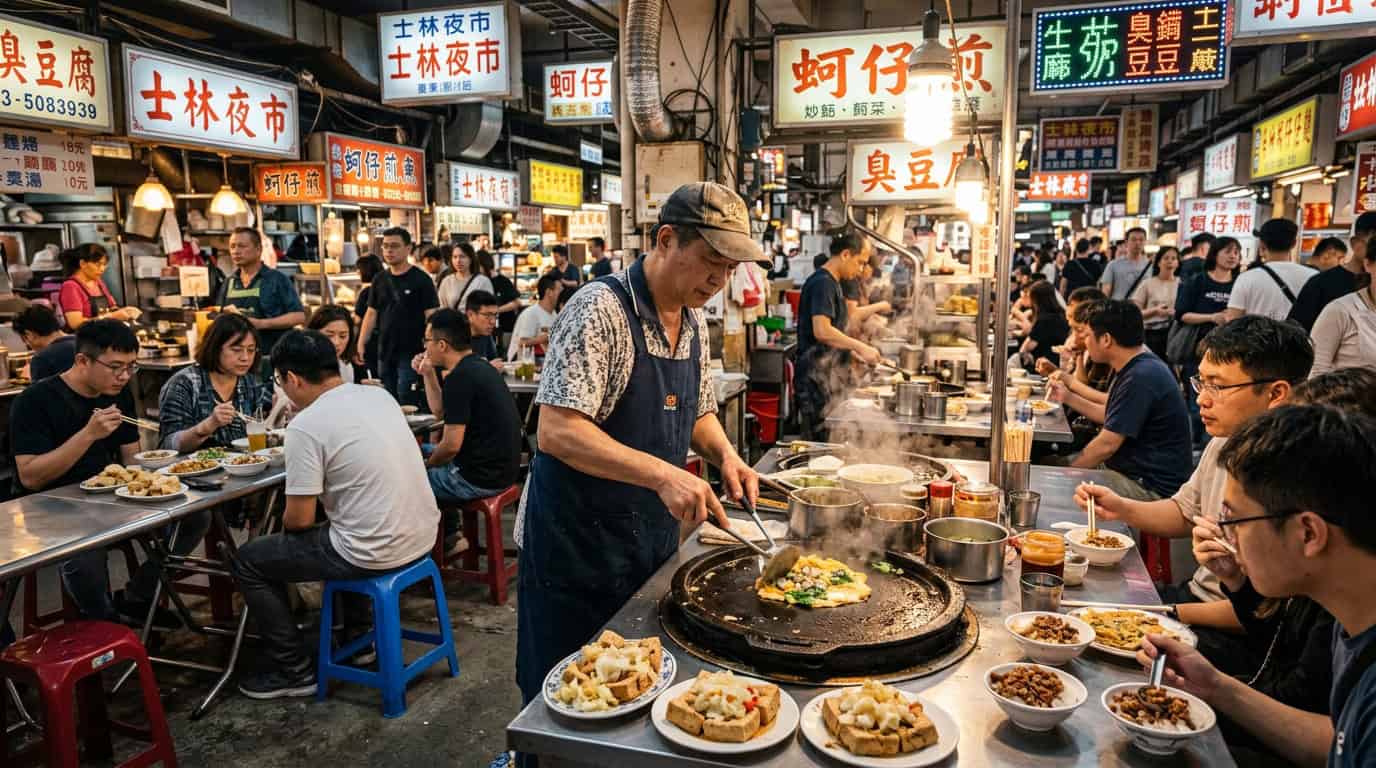
Stepping into the Shilin Night Market is a sensory overload in the best way possible, especially when you head straight for the iconic underground food court. My perfect evening itinerary always begins at the street level to grab a famous giant fried chicken cutlet, which is often larger than my own face and seasoned with a secret blend of five-spice powder. Carrying that crispy prize, I follow the neon signs down into the basement level where the air is thick with the savory aroma of oyster omelets and sizzling iron plates. This subterranean labyrinth is a masterpiece of high-volume food production, offering a climate-controlled escape where you can sit down and truly experience the heart of Taipei street food culture.
To navigate this massive space like a local, I recommend starting at the outer perimeter and working your way toward the center stalls to avoid the heaviest foot traffic. Make it a point to stop for a plate of stinky tofu, a dish that tastes far more delicate and savory than its pungent scent suggests, before finding a vendor serving fresh squid soup. I love watching the chefs work with incredible speed, tossing noodles and flipping omelets with a rhythmic precision that feels like a choreographed performance. Finish your underground journey with a bowl of refreshing aiyu jelly or a pearl milk tea to cleanse your palate after the rich, savory flavors of the main course.
Planning your visit for a weekday evening around six o’clock is the best strategy to secure a seat before the peak crowds arrive. Since many of these stalls have been operated by the same families for generations, don’t be afraid to ask for their signature dish or look for the queues of locals, which are always the best indicator of quality. I always bring plenty of small bills and coins to keep transactions quick, allowing me to hop from one stall to the next without any hassle. This basement food court is more than just a place to eat, as it represents a vibrant community hub where the history of Taiwan’s culinary evolution meets the fast-paced energy of modern city life.
Cultural History And Medicinal Delicacies At Huaxi Street
Stepping through the ornate, palace-style archway of Huaxi Street feels like a deliberate journey back in time to the roots of Taipei’s evening commerce. Known famously as Snake Alley, this was the first night market in Taiwan specifically designed for tourism, featuring a distinctive retractable canopy that allows for exploration regardless of the weather. As I walked beneath the traditional red lanterns, the architecture reminded me of a bygone era, blending historical grit with a sense of cultural preservation. While the market has modernized significantly in recent years, it still retains an atmosphere of mystery that sets it apart from the more neon-drenched districts nearby.
The true soul of Huaxi Street lies in its reputation for medicinal delicacies and traditional wellness foods that you simply cannot find elsewhere. I highly recommend stopping at one of the long-standing stalls to try a bowl of nourishing medicinal herb soup, a staple meant to balance the body’s energy. While the historic reputation for snake-based tonics remains a major draw for curious travelers, the market also serves some of the city’s most legendary braised pork rice and thick squid soup. It is the perfect spot for an evening itinerary if you want to pair a visit to the nearby Longshan Temple with a deep dive into Taiwan’s restorative culinary heritage.
To make the most of your visit, I suggest arriving just before sunset to photograph the intricate rooflines before the dinner crowds reach their peak. You can easily spend an hour wandering the covered walkways, sampling small plates of stir-fried mountain vegetables or sipping on fresh white bitter melon juice. Because this market is more focused on traditional sit-down eateries than quick finger foods, it offers a more relaxed pace for travelers who want to sit and soak in the local culture. Be sure to look for the stalls that have been family-run for generations, as they often hold the secrets to the most authentic flavors in the district.
Essential Survival Tips For Your Taipei Food Crawl
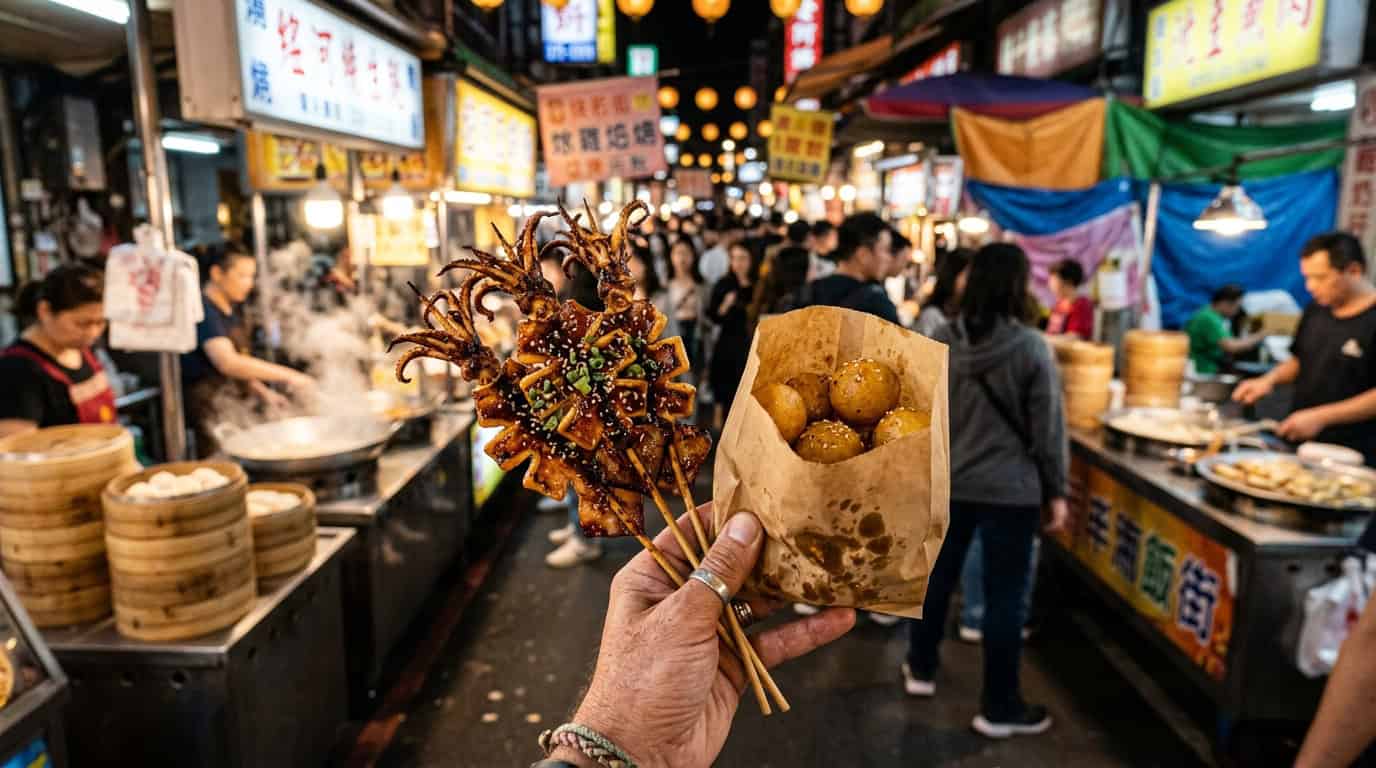
To experience Taipei’s legendary street food like a seasoned local, you must first master the logistics of the night market hustle. Cash is still the undisputed king at most food stalls, so I always make sure to carry a mix of physical cash and coins before diving into the crowds. While some larger vendors are beginning to accept digital payments, having physical currency ensures you never miss out on a piping hot black pepper bun or a cup of fresh papaya milk. I also highly recommend keeping a local transit card in your pocket for seamless travel on the MRT system. This rechargeable card is your golden ticket to hopping between markets like Raohe and Huaxi Street without the stress of buying individual tickets every single time.
Timing is the secret ingredient to a successful culinary crawl that avoids the overwhelming peak hour crush. I typically aim to arrive around 5:30 PM just as the vendors are firing up their grills and the neon signs begin to flicker to life. This early window allows you to snag the most popular snacks with significantly shorter wait times than the 8:00 PM rush. By the time the heaviest crowds descend on the narrow alleys, you will already be finishing your main savory dishes and looking for a seat to enjoy a refreshing mango shaved ice. Planning your route to end near a temple or a quiet side street provides a perfect spot to catch your breath and soak in the vibrant evening atmosphere.
Navigating these bustling hubs is much easier when you approach the experience with a sense of adventure and a light appetite. I suggest sharing dishes with your travel companions so you can sample a wider variety of flavors without getting full at the very first stall. Keep an eye out for the longest lines, as they usually signal a legendary recipe that has been perfected over decades of local tradition. Do not be afraid to step away from the main thoroughfares into the smaller lanes where hidden gems and unique family recipes often hide. Bringing a small pack of tissues and a reusable water bottle will keep you comfortable as you navigate the aromatic clouds of steam and sizzling oil that define Taipei’s iconic night culture. If you are visiting from overseas, you might also want to check out my survival guide to ensure you arrive in Taiwan feeling energized and ready to eat.
The Heartbeat of Taipei’s Culinary Soul
Taipei’s night markets are far more than just places to grab a quick dinner, as they truly represent the beating heart of Taiwanese hospitality and culinary creativity. Walking through the neon lit stalls of Raohe or the historic lanes of Huaxi Street, you experience a living evolution of food culture that spans generations. Every sizzling oyster omelet and hand rolled pepper bun tells a story of a vendor’s dedication to their craft and their desire to share a piece of home with every traveler. It is this warmth and welcoming spirit that transforms a simple evening stroll into a profound connection with the local community.
If you are planning your own East Asian food tour, I suggest dedicating at least three nights to exploring these different hubs to fully appreciate their unique personalities. Much like savoring Seoul street food, the key to success is arriving early and being willing to try everything. Start your evening around six o’clock when the grills first ignite, and do not be afraid to join the longest queues, as those lines are usually the best indicator of a legendary snack. Remember to bring plenty of small bills and an adventurous palate, because the most memorable flavors often come from the humblest looking stalls. These markets are the ultimate destination for anyone seeking an authentic, high energy itinerary that perfectly captures the vibrant soul of Taipei.
Frequently Asked Questions
1. What is the best way to start a visit to Raohe Street Night Market?
I always recommend heading straight to the Ciyou Temple entrance to join the queue for the famous pepper buns. These charcoal fired treats are the perfect handheld snack to enjoy as you begin your stroll through the neon lit stalls.
2. Are there any recognized foods I should look for?
Yes, you should definitely keep an eye out for the pork rib soup stalls at Raohe Street which have earned local acclaim. These medicinal herb infused dishes offer a deep, comforting flavor that represents the very best of Taiwanese street food culture.
3. What exactly are xiaochi and why are they important?
Xiaochi translates to small eats, and they are the heart and soul of the night market experience. These snack sized portions allow you to sample a variety of flavors, from savory dumplings to sweet treats, all in a single evening.
4. How can I best navigate the crowds at these popular markets?
Arriving just as the sun sets helps you beat the heaviest foot traffic and ensures you get the first pick of the freshest snacks. I find that having a bit of a strategy, like starting with the most popular stalls first, makes the bustling energy much more enjoyable.
5. What makes the atmosphere of Taipei night markets so special?
The magic lies in the sensory immersion of sizzling pans, sweet aromas, and the rhythmic sound of bubble tea shakers. It is a vibrant, welcoming celebration of tradition where every alleyway offers a new culinary discovery or a glimpse of a historic temple.
6. Is it easy to find vegetarian or non-meat options?
While many famous dishes feature pork, you will find plenty of delicious alternatives like scallion pancakes, grilled corn, and fresh fruit. The markets are incredibly diverse, so you can always find something tasty regardless of your dietary preferences.