
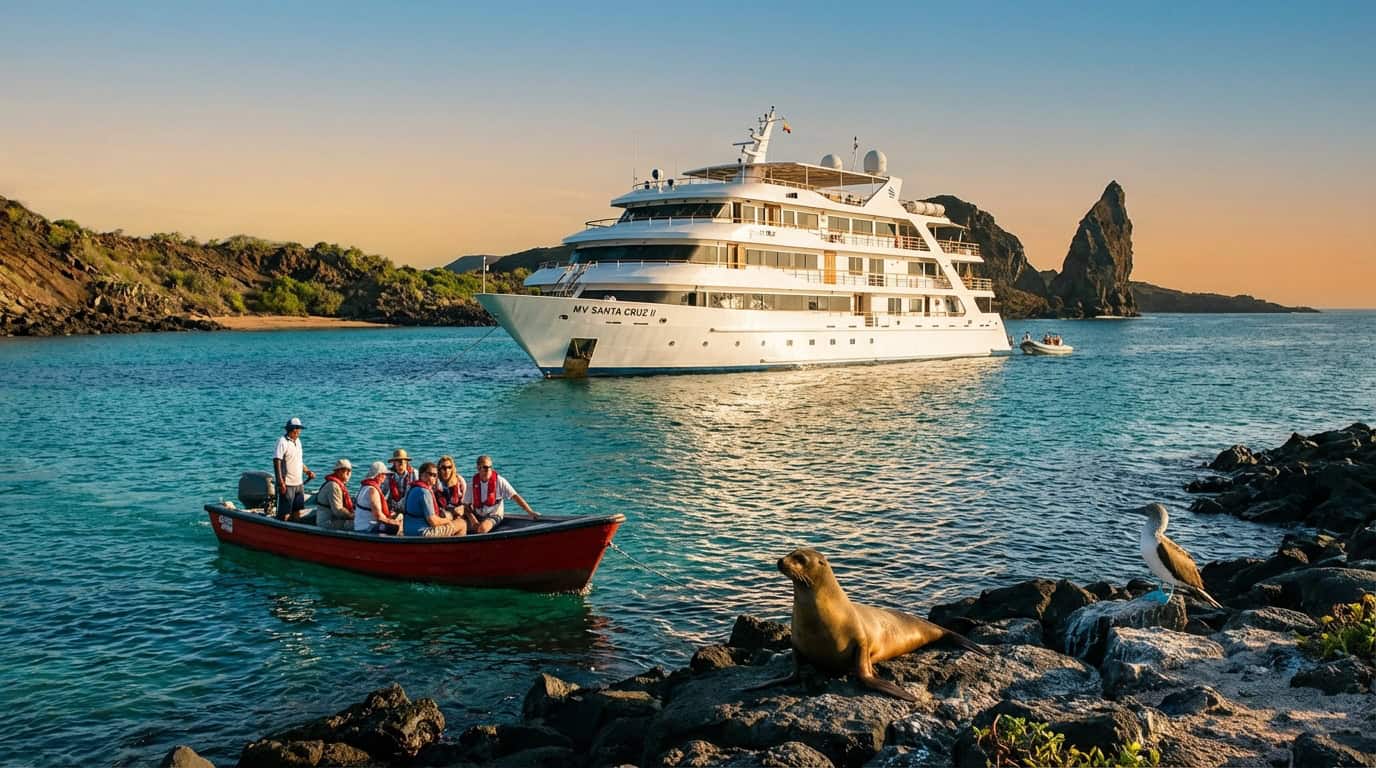
Imagine waking up to the gentle rocking of the Pacific as a prehistoric marine iguana suns itself just feet from your cabin window. A galapagos islands cruise is the ultimate way to reach the archipelago’s most secluded corners, where the wildlife is so fearless you will feel like an extra in a nature documentary. From snorkeling with playful sea lions to watching the blue-footed booby’s quirky dance, this journey offers a front-row seat to evolution in its purest form.
While the magic of the islands remains timeless, navigating the logistics for a 2025 trip requires a bit of modern planning. You will need to account for the updated $200 entrance fee and ensure your Transit Control Card is secured before you leave the mainland. These small steps are a small price to pay for the privilege of exploring such a pristine sanctuary, especially now that high-speed connectivity allows you to share your sunset photos from the most remote reaches of the ocean.
Key Takeaways
- Travelers planning a 2025 expedition must prepare for updated entry requirements, including a $200 USD cash-only national park fee and a mandatory $20 Transit Control Card obtained at the mainland airport.
- Choosing between a boutique 16-passenger yacht for intimacy or a 100-passenger luxury ship for stability is the most critical decision for tailoring your archipelago experience.
- Mandatory medical insurance with maritime coverage is now required for all visitors to ensure safety while exploring remote volcanic terrains and marine reserves.
- Strict conservation etiquette, such as maintaining a two-meter distance from wildlife and using reef-safe sunscreen, is essential to preserving the fearless nature of the islands’ unique species.
Navigating New 2025 Galapagos Entry Requirements
Planning your dream Galapagos Islands cruise for 2025 comes with a few updated entry requirements designed to protect this fragile paradise for years to come. The most significant update is the increase in the Galapagos National Park entrance fee, which has risen to $200 USD for international adults. While this might seem like a jump, these funds are vital for maintaining the pristine trails and supporting the conservation of the unique species you are about to see. You should plan to have this amount ready in cash upon arrival at the islands, as credit card facilities can be unreliable at the small island airports. This investment ensures that the giant tortoises and marine iguanas continue to thrive in their natural habitat.
Before you even leave mainland Ecuador, you will need to secure your Transit Control Card at the airport in Quito or Guayaquil. This mandatory $20 card helps the government monitor tourism levels and prevent the introduction of invasive species to the archipelago. I recommend arriving at the airport at least three hours early to navigate the separate line for this documentation before checking in for your flight. It is a quick process, but having your card in hand is the final green light you need to board your plane to the islands. Keep this card safe throughout your entire journey, as you will need to present it again when you depart the islands.
Another essential piece of your planning is securing mandatory medical insurance before you step foot on your vessel. Local regulations now require all visitors to have proof of insurance that covers medical emergencies and potential evacuations. Given that many of the most spectacular wildlife encounters happen in remote waters far from major hospitals, this requirement offers peace of mind. I always suggest choosing a policy that specifically includes maritime coverage to ensure you are fully protected while snorkeling with sea lions. Once these details are settled, you can focus entirely on the breathtaking scenery and the magic of the volcanic terrain.
Choosing Your Perfect Galapagos Expedition Vessel
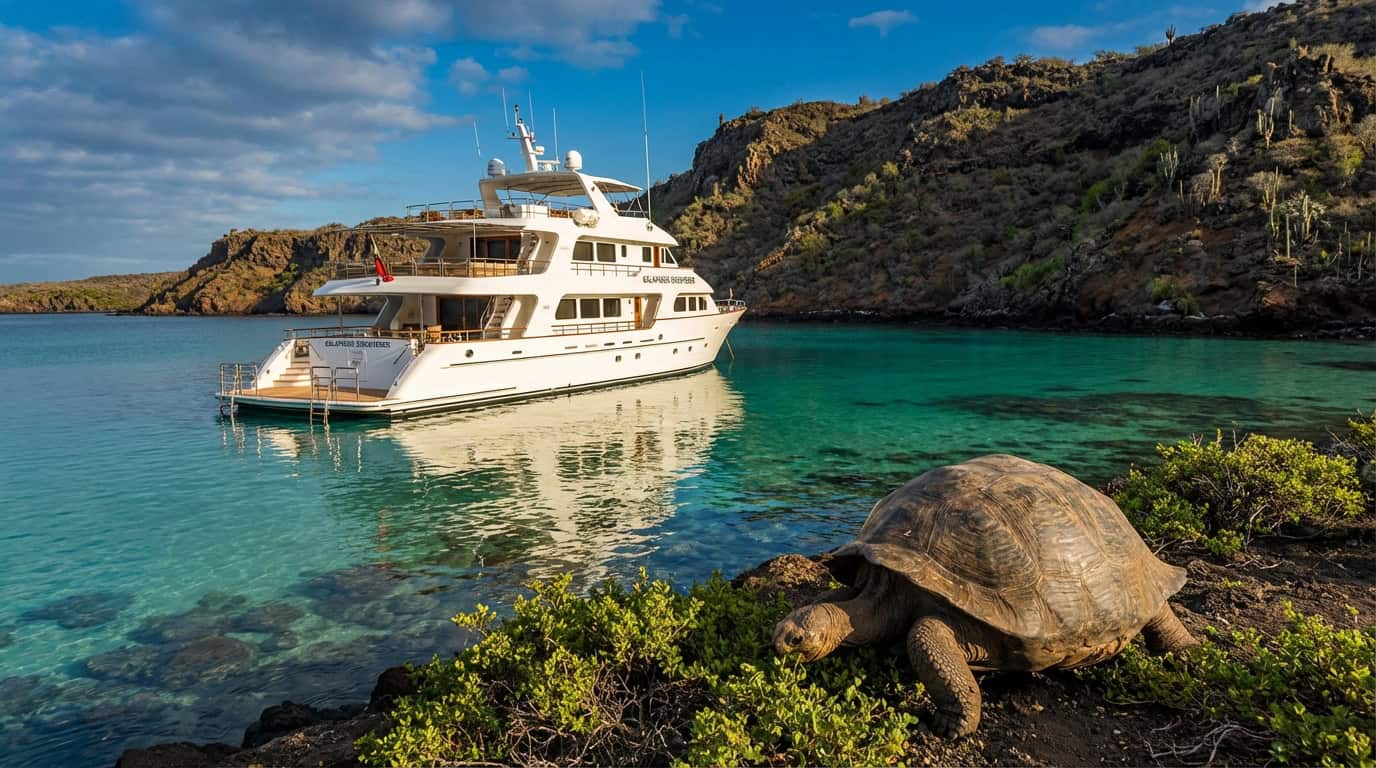
Selecting the right vessel is the most consequential decision you will make when planning your journey through this prehistoric paradise. If you crave an intimate connection with the natural world, a 16-passenger motor yacht offers a boutique atmosphere where you can bond with your naturalist guide and fellow explorers. These smaller boats can often navigate into tighter coves, allowing for a front row seat to the dramatic courtship dances of Blue-footed Boobies. While you might feel the ocean’s rhythm a bit more on these nimble crafts, the trade-off is a personalized itinerary that feels like a private expedition.
For travelers who prefer the amenities of a floating hotel, a 100-passenger luxury ship provides stability and spaciousness. These larger vessels often feature multiple observation decks, glass-bottom boats, and a variety of dining options to suit every palate. You will find that the social atmosphere is vibrant, making it easy to share stories of your morning snorkel with sea lions over a sunset cocktail. The increased stability of a larger hull is particularly beneficial for those prone to motion sickness, ensuring your focus remains on the volcanic landscapes rather than the swells.
Modern technology has transformed the remote cruising experience, with many premium vessels now offering high-speed satellite connectivity. This advancement allows you to share high-resolution photos of Giant Tortoises with loved ones back home in real time. Having reliable internet access also provides peace of mind for those who need to stay briefly connected while exploring the far reaches of the archipelago. Whether you choose the cozy charm of a small yacht or the grand scale of a larger ship, these digital upgrades ensure you never have to choose between total immersion and modern convenience.
A Seven Day Central Archipelago Sailing Itinerary
Embarking on a seven day sailing journey through the central archipelago offers an intimate look at the evolutionary wonders that make these islands so legendary. Our voyage begins in the heart of the cluster, where the rhythm of the tides dictates our daily adventures and the lack of crowds allows for a deep connection with nature. One of the most enchanting mornings is spent at Champion Islet, where I found myself twirling underwater alongside playful sea lions that seem just as curious about humans as we are about them. These crystal clear waters are teeming with life, providing a front row seat to a vibrant marine world that feels untouched by time. This specific route is designed to maximize your time in the water while ensuring you witness the stark, dramatic beauty of the volcanic terrain.
As we transition from the sea to the scorched earth, the landscape of Sullivan Bay presents a striking contrast with its expansive fields of pahoehoe lava. Walking across this hardened black flow feels like stepping onto another planet, as the swirling patterns of the rock tell the story of a violent volcanic past. I highly recommend wearing sturdy closed toe shoes for this trek, as the terrain can be uneven and sharp under the equatorial sun. After exploring the geological marvels of the coast, we head toward the lush, misty highlands of Santa Cruz to meet the islands’ most famous residents. Watching the prehistoric Giant Tortoises lumber through the tall grass is a humbling experience that reminds every traveler why conservation efforts and the updated national park fees are so vital for protecting this delicate ecosystem.
To make the most of this bucket list expedition, it is essential to keep a few practical logistics in mind for your 2025 planning. Beyond the breathtaking wildlife encounters, you should be prepared for the new two hundred dollar entrance fee and the mandatory transit control card required at the airport. Modern vessels on this route now offer high speed connectivity, allowing you to share your sunset photos with friends back home even from the most remote moorings. This itinerary balances high energy snorkeling sessions with peaceful moments of reflection, ensuring you leave the archipelago with a profound appreciation for its biodiversity. Whether you are peering into a volcanic crater or sharing a beach with a basking iguana, every moment of this week long sail is crafted to inspire a lifelong love for the natural world.
Sustainable Wildlife Encounters and Conservation Etiquette
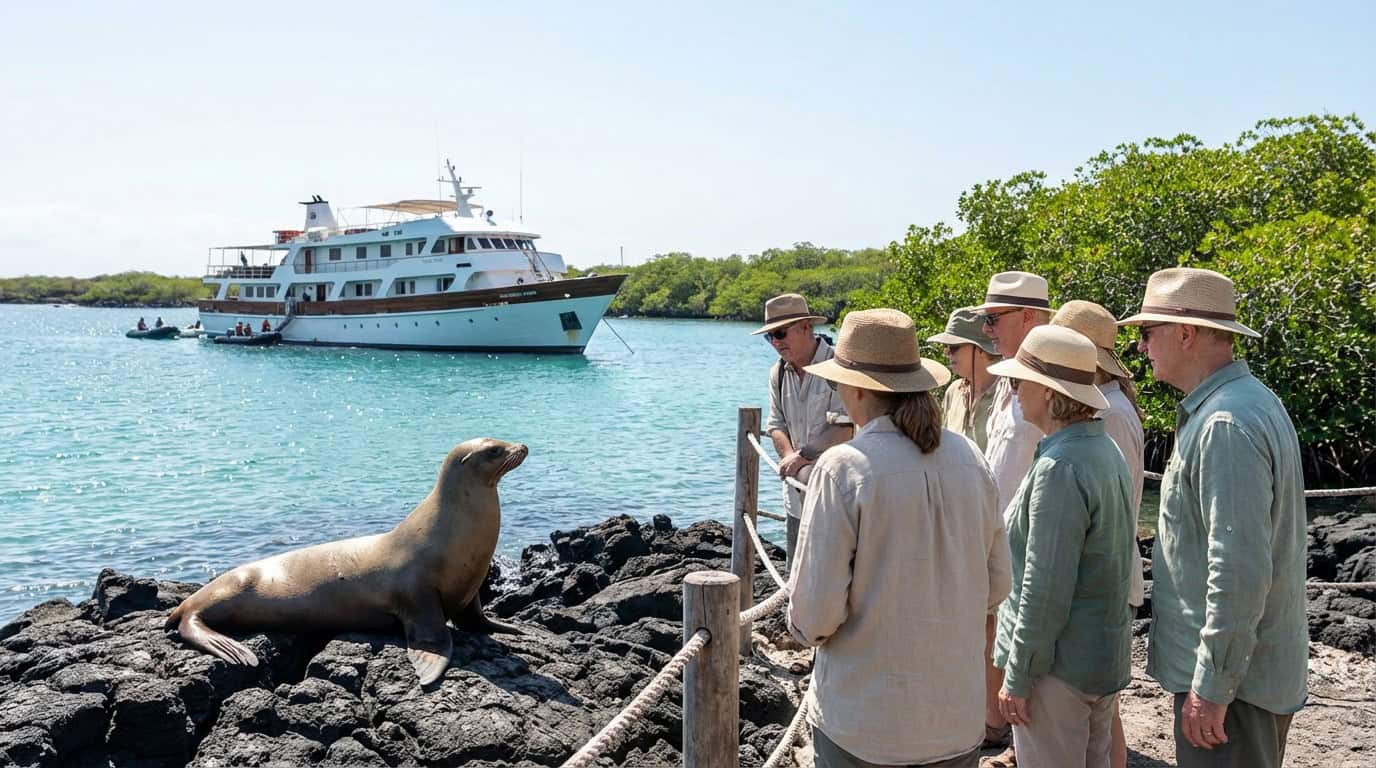
Stepping off your panga onto the volcanic shores of the Galápagos feels like entering a living laboratory where the residents have no fear of humans. To keep this magic alive, I always remind my fellow travelers to respect the two meter rule when approaching the iconic blue footed boobies or sunbathing marine iguanas. While these creatures might cross your path or nest right beside the trail, it is vital to let them lead the interaction without ever touching or feeding them. I found that by simply sitting still and staying quiet, the iguanas would often carry on with their prehistoric displays as if I were just another piece of lava rock. These small acts of mindfulness ensure that the wildlife remains wild and that their natural behaviors are preserved for the next generation of explorers.
Beyond the personal thrill of seeing a flightless cormorant or a giant tortoise up close, your presence on a cruise directly fuels the archipelago’s survival. A significant portion of your $200 entrance fee and your cruise fare goes toward rigorous habitat restoration and the eradication of invasive species that threaten local birds. These funds also support the expert naturalist guides who accompany every excursion, providing the education necessary to turn every visitor into a lifelong conservation ambassador. When you book a high end cruise, you are investing in sophisticated water filtration systems and strict waste management protocols that protect the delicate marine reserve. It is a powerful feeling to know that your adventure is actually providing the financial backbone for one of the most successful environmental preservation stories on the planet.
Embarking on Your Ultimate Galápagos Adventure
Stepping onto the volcanic shores of the Galápagos for the first time is more than just a vacation, as it fundamentally shifts how you perceive our relationship with the natural world. Watching a blue footed booby tend to its nest just inches from the trail or snorkeling alongside playful sea lions reminds us that we are merely guests in their pristine habitat. A luxury cruise offers the rare opportunity to reach remote northern islands where the biodiversity is most untouched, allowing you to witness evolution in real time. These encounters foster a deep sense of responsibility toward sustainable travel and conservation that stays with you long after you return home. As you plan your journey for 2025 and beyond, remember that your presence supports vital environmental protections and the increased park fees directly fund the preservation of this fragile paradise.
Preparing for your expedition requires a balance of practical gear and a minimalist mindset to respect the delicate ecosystem. Your packing list should prioritize sun protection, including a wide-brimmed hat, polarized sunglasses, and high SPF reef safe sunscreen to protect the marine life you will be swimming with. Lightweight, moisture-wicking clothing is essential for humid hikes, while a sturdy pair of closed-toe walking shoes will help you navigate jagged lava rocks safely. Do not forget a high quality waterproof camera to capture underwater magic, along with a reusable water bottle to help reduce plastic waste on the islands. Finally, ensure you have your physical Transit Control Card and cash for the updated entrance fees ready before you board your flight to the archipelago.
Frequently Asked Questions
1. What are the new entry fees for a Galapagos cruise in 2025?
International adult visitors must now pay a $200 USD entrance fee to the Galapagos National Park. You should bring this amount in crisp cash because credit card systems at the island airports are often unreliable.
2. What is the Transit Control Card and how do I get one?
The Transit Control Card is a mandatory $20 document used to monitor tourism and protect the islands. You must secure this card at the airport in Quito or Guayaquil before you board your flight to the archipelago.
3. Why should I choose a cruise over a land-based stay?
A cruise is the ultimate way to reach secluded corners of the archipelago where wildlife is most fearless and untouched. You will wake up in a new, remote location every morning, allowing you to see rare species that land-based tours simply cannot reach.
4. Will I have internet access while sailing between the islands?
Modern high-speed connectivity is now available on many vessels, even in the most remote reaches of the ocean. This allows you to share your stunning sunset photos and wildlife encounters with friends and family in real time.
5. What kind of wildlife encounters can I expect on a cruise?
You will have a front row seat to evolution, from snorkeling with playful sea lions to watching the quirky courtship dance of the blue-footed booby. The animals here are famously unafraid, often sunning themselves right next to the trails or your cabin window.
6. How do the increased fees benefit the islands?
The updated fees are vital for maintaining pristine hiking trails and supporting critical conservation efforts for unique species. Your contribution ensures that giant tortoises and marine iguanas continue to thrive in their natural habitat for generations to come.