
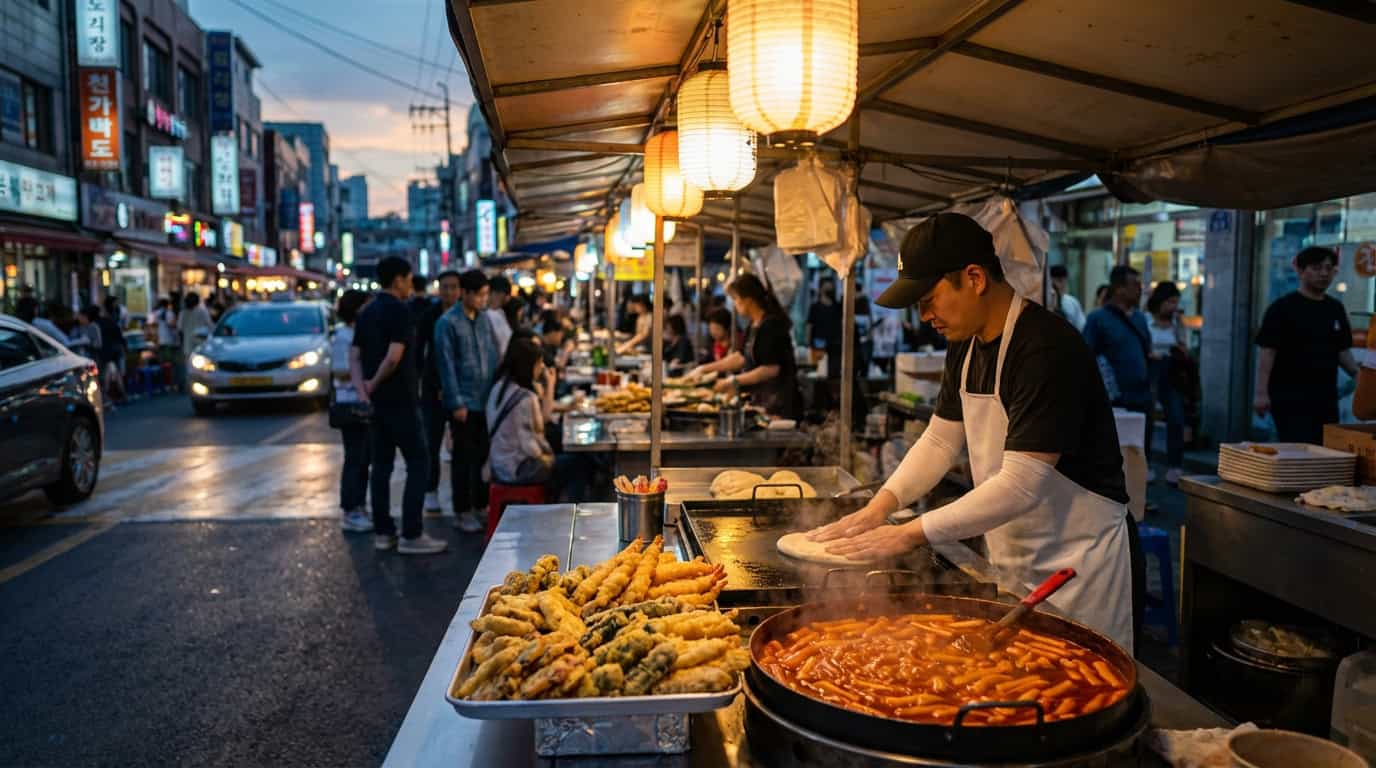
The sizzle of mung bean pancakes hitting a hot griddle and the sweet, nutty aroma of toasted sesame oil are the true soundtracks of a night out in South Korea. I still remember the first time I walked the neon-lit alleys of Gwangjang Market, where the 120-year-old history of Seoul street food felt alive and vibrant. Today’s scene is a blend of ancient tradition and viral modern trends, where century-old stalls now sit alongside high-tech reservation kiosks.
Whether you are hunting for the perfect plate of mustard-dipped Mayak Gimbap or braving the crowds for a bowl of fresh beef tartare, these markets offer a culinary roadmap of the city’s soul. Mapping out your food crawl is essential because the best bites often disappear before sunset, and knowing which stall to hit first can make or break your trip. I’ve spent countless evenings in these steam-filled corridors to find the most authentic flavors.
Key Takeaways
- Seoul’s street food scene is a dynamic blend of 120-year-old traditions at Gwangjang Market and innovative, social-media-driven fusion treats in the Myeongdong and Dongdaemun districts.
- Essential culinary staples include crispy mung bean pancakes (bindaetteok), addictive mustard-dipped rice rolls (mayak gimbap), and decadent modern snacks like grilled lobster tails or cheese-filled rice cakes.
- Successful navigation of these busy markets requires a mix of digital readiness for queueing apps and physical cash in small denominations for traditional independent vendors.
- High local attendance is the most reliable indicator of quality and authenticity, so prioritize stalls where residents congregate over those with flashy tourist-centric signs.
Iconic Flavors At Gwangjang And Namdaemun Markets
Stepping into Gwangjang Market feels like walking through 120 years of living history, where the air is thick with the scent of sizzling oil and savory spices. My first stop is always the legendary bindaetteok stalls, where you can watch vendors grind mung beans on traditional stone mills before frying them into golden, crispy perfection. These hearty mung bean pancakes cost about 5,000 won and are best enjoyed while sitting on a narrow wooden bench amidst the vibrant market chatter. To complete this iconic experience, I highly recommend ordering a side of mayak gimbap, those famously addictive rice rolls served with a sharp mustard dipping sauce. The contrast between the crunchy pancake and the soft, seasoned seaweed rolls creates a flavor profile that defines the soul of Seoul street food.
After soaking up the energy at Gwangjang, I like to make the short trip over to Namdaemun Market to satisfy my sweet tooth with their world-renowned hotteok. While many places serve these griddled dough snacks, the vendors here have perfected a version filled with melted brown sugar, cinnamon, and crunchy nuts that creates a molten center. You might have to wait in a short line, but the sight of the dough puffing up in the hot oil makes the anticipation part of the fun. These treats are incredibly affordable and provide the perfect warm comfort as you walk through the labyrinth of clothing and souvenir stalls. It is the ultimate way to end a market tour, leaving you with a sticky, sweet memory of South Korea’s most beloved culinary traditions.
Modern Fusion Delights In Myeongdong Street Food Alley
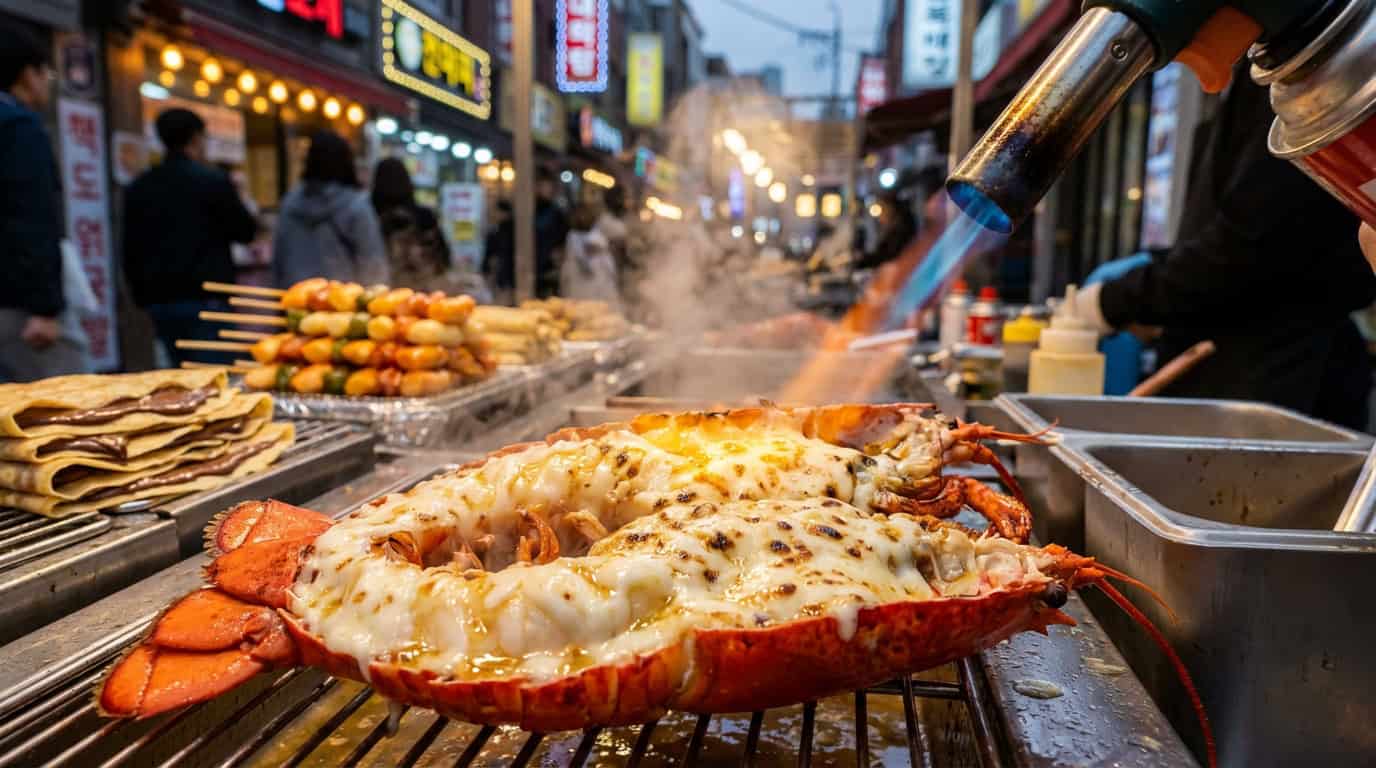
Walking into Myeongdong after sunset feels like stepping into a vibrant, neon-lit laboratory of culinary innovation where traditional flavors meet modern luxury. This district has become the ultimate destination for travelers seeking the latest viral food trends that dominate social media feeds across the globe. As I walked the bustling alleyways, the scent of sizzling butter and sweet sauces pulled me toward stalls offering high-end ingredients usually reserved for fine dining. You will find incredible fusion creations like grilled lobster tails topped with melting cheese and golden blowtorched scallops that look as good as they taste. These dishes are specifically designed for the modern traveler who wants to combine gourmet quality with the fast-paced energy of a street market.
One of my absolute favorite stops in this area is the stall serving the famous grilled cheese rice cakes, which are perfectly chewy and drizzled with sweet condensed milk. This snack captures the Myeongdong spirit by taking a humble Korean staple and transforming it into a decadent, photogenic treat. I also recommend trying the towering swirls of rose-shaped ice cream or the viral souffle pancakes that wobble with every step you take. Most of these modern delights range from 5,000 to 15,000 won, making them an accessible way to indulge in luxury flavors while exploring the city. For the best experience, I suggest arriving around 6:00 PM when the stalls are fully set up and the atmosphere is electric with local energy.
To make the most of your evening itinerary, start at the entrance near Myeongdong Station and work your way toward the center of the district where the most innovative stalls congregate. It is helpful to carry some cash, though many of the more established modern vendors now accept local payment apps or even international cards to accommodate the growing crowd of food tourists. Between bites of honey butter squid and deep-fried milk, take a moment to soak in the incredible sights of chefs using culinary torches and elaborate plating techniques right on the sidewalk. This area is more than just a place to eat, as it represents a unique shift in Seoul’s food culture where presentation and creativity are just as important as tradition. Make sure your phone is charged because you will definitely want to document every colorful, cheese-pulled moment of this food journey.
A Perfect Night Market Itinerary For Foodies
Begin your evening at the historic Gwangjang Market, where the air is thick with the savory aroma of frying mung bean pancakes. I recommend starting your culinary journey at the famous Yukhoe Alley to experience the melt-in-your-mouth texture of fresh beef tartare, which is often served with a crisp Asian pear and a raw egg yolk. After the rich tartare, weave through the bustling stalls to find a seat on a heated bench for a plate of Mayak Gimbap. These addictive little seaweed rolls are perfectly paired with a spicy mustard dipping sauce and a bowl of steaming broth. It is the ultimate way to ground yourself in 120 years of Korean culinary tradition before the night truly begins.
As the sun sets, take a short trip over to the bright lights of the Dongdaemun Design Plaza area to witness the modern evolution of Seoul’s food scene. This district transforms into a neon-lit playground where traditional flavors meet viral social media trends, offering everything from grilled lobster tails to cheese-filled 10 Won bread. I love wandering through the rows of yellow tents, picking up a skewer of spicy tteokbokki or a crispy potato-coated corn dog as I admire the futuristic architecture. The energy here is infectious, making it the perfect spot to capture photos of your snacks against the glowing backdrop of the city.
Conclude your foodie adventure by hunting for the latest seasonal treats that often pop up near the late-night shopping malls. You might find innovative fusion snacks like grilled marshmallows stuffed with ice cream or savory pancakes filled with melted mozzarella and honey. These stalls stay active well into the early morning hours, catering to the night owls and fashionistas who frequent the district. Grab a refreshing cup of sikhye, a traditional sweet rice punch, to balance out the savory spices of your evening feast. This transition from the historic alleys of Jongno to the high-tech glow of Dongdaemun offers a complete taste of Seoul’s vibrant spirit.
Practical Tips For Navigating Seoul Food Stalls
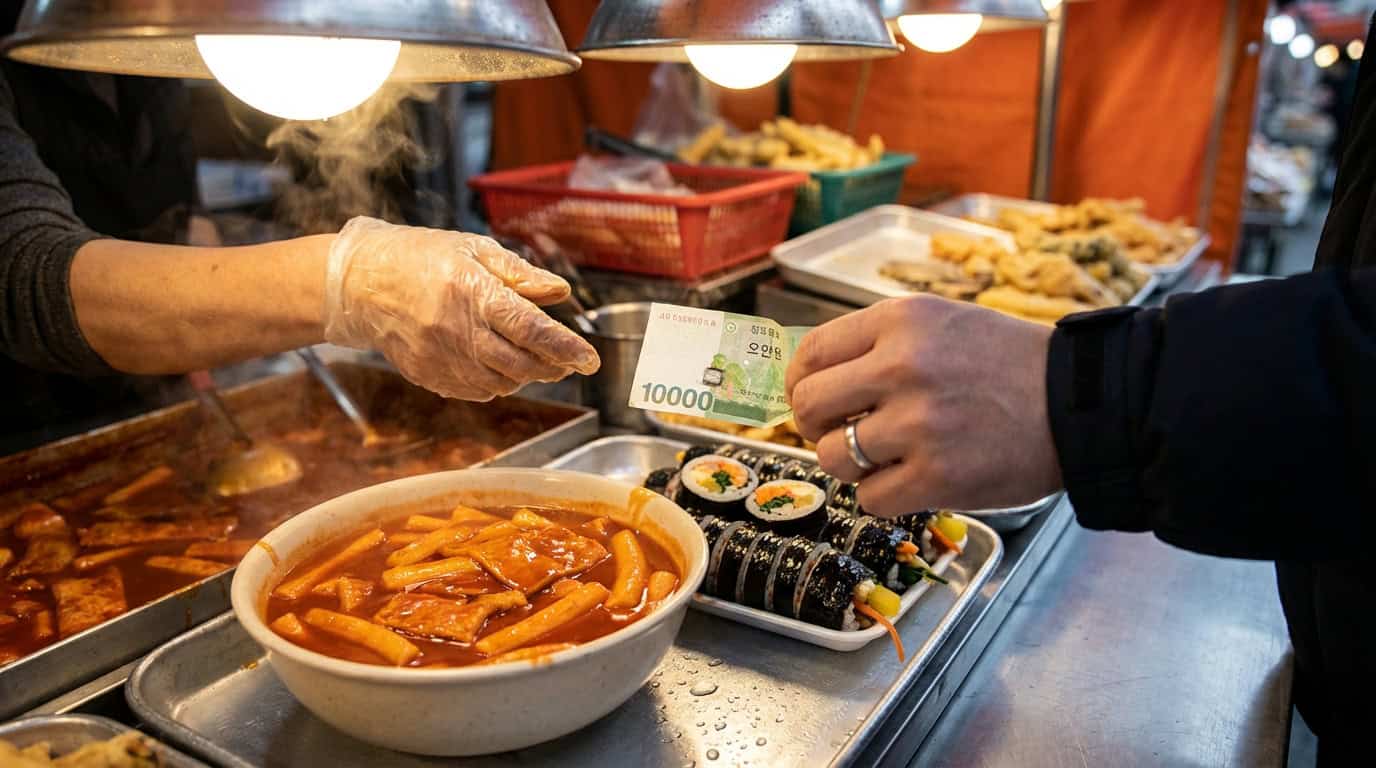
Navigating the bustling alleys of Gwangjang or Myeongdong requires more than just an appetite, as the way we find food in Seoul has changed. While most traditional carts are walk-up only, many of the highly popular or viral stalls now utilize queueing apps to manage the massive crowds. I recommend downloading local navigation and waiting apps before you arrive, as they allow you to secure a spot in a digital line while you explore nearby shops. This is especially helpful for the famous beef tartare or mung bean pancake spots where wait times can easily exceed an hour. Having these tools on your phone ensures you spend less time standing on the pavement and more time enjoying the atmosphere.
Even in a city as technologically advanced as Seoul, carrying physical cash remains a golden rule for the ultimate street food crawl. While larger market stalls and permanent shops gladly accept international credit cards, the smaller independent carts often prefer Korean Won or local bank transfers. I always keep a mix of small bills, specifically 1,000 and 5,000 won notes, tucked away in an accessible pouch for quick transactions. Most snacks like Mayak Gimbap or spicy rice cakes are very affordable, and having the exact change ready makes the process smoother for both you and the busy vendors. It also helps you stick to a budget as you hop from one delicious stall to the next.
If you find yourself overwhelmed by the sheer variety of options, the best strategy is to follow the local lead. I always look for the stalls where residents are congregating rather than just the ones with the flashiest signs or English menus. A long line of locals is the most reliable indicator of quality, freshness, and authentic flavor profiles that have stood the test of time. Don’t be afraid to point at what others are eating if you aren’t sure of the name, as the vendors are generally very friendly and used to curious travelers. Embracing this communal style of eating is part of the magic that makes Seoul’s culinary scene so inspiring and memorable.
Tasting the Heartbeat of Seoul’s Markets
Ultimately, walking the bustling alleys of Gwangjang Market or the neon-lit stalls of Myeongdong is about more than just satisfying a craving. Each bite of crispy bindaetteok or savory mayak gimbap offers a direct connection to the resilient spirit and evolving flavors of Korean culture. As you stand among the steam and the chatter of locals, you are participating in a century-old tradition that has seamlessly integrated modern trends and digital convenience. It is in these crowded markets where the true heart of Seoul beats loudest, inviting every traveler to pull up a plastic stool and become part of the city’s living history.
Your culinary adventure through East Asia is incomplete without experiencing the sensory explosion of a Seoul night market firsthand. Whether you are chasing the perfect plate of beef tartare or simply following the scent of toasted sesame oil, the city rewards those who arrive with an open mind and an empty stomach. I encourage you to start planning your itinerary today, making sure to balance the historic institutions with the Kyushu hidden gems that define the current food scene. Much like a magical three day escape to a new destination, there is no better way to discover the soul of South Korea than through the shared language of street food, so grab your chopsticks and begin your river journey.
Frequently Asked Questions
1. What is the best time of day to start a food crawl in Seoul?
I always recommend starting your food journey early because many legendary stalls sell out of their signature items well before sunset. Aim to arrive at the major markets by late morning or early afternoon to beat the heaviest crowds and secure a spot at the most popular benches.
2. How much should I expect to pay for a meal at Gwangjang Market?
Street food in Seoul is incredibly affordable and offers some of the best value in the city. You can pick up a massive, crispy mung bean pancake for around 5,000 won, which is less than four dollars. Most individual snacks and small plates range between 3,000 and 8,000 won, making it easy to sample a wide variety of flavors on a budget.
3. What are Mayak Gimbap and why are they so popular?
These bite-sized rice rolls earned their nickname, which translates to narcotic gimbap, because they are famously addictive. They are filled with simple ingredients like carrots and pickled radish, but the secret is the sharp mustard dipping sauce that provides a perfect zing. I never leave Gwangjang Market without ordering a plate to share with my bindaetteok.
4. Is it difficult to find seating at these busy traditional markets?
Finding a spot can be part of the adventure, especially during peak dinner hours when the energy is at its highest. Expect to sit on narrow wooden benches right in front of the vendors, which gives you a front-row seat to the cooking action. Don’t be shy about squeezing into a small gap, as communal seating is a standard part of the authentic market experience.
5. What makes the mung bean pancakes at Gwangjang Market unique?
The secret to these bindaetteok is the traditional stone mills used to grind fresh mung beans right before your eyes. They are deep-fried on a hot griddle until the exterior is golden and crunchy while the inside remains soft and savory. It is a sensory experience that combines the sound of the sizzle with the nutty aroma of toasted sesame oil.
6. Do I need to carry cash for street food or are cards accepted?
While modern kiosks are popping up at some stalls, I always carry a stash of Korean won when walking the older alleys. Many traditional vendors prefer cash for small purchases, and having bills ready makes the transaction much smoother when there is a line behind you. It ensures you won’t miss out on a delicious bite just because a stall doesn’t have a card reader.