
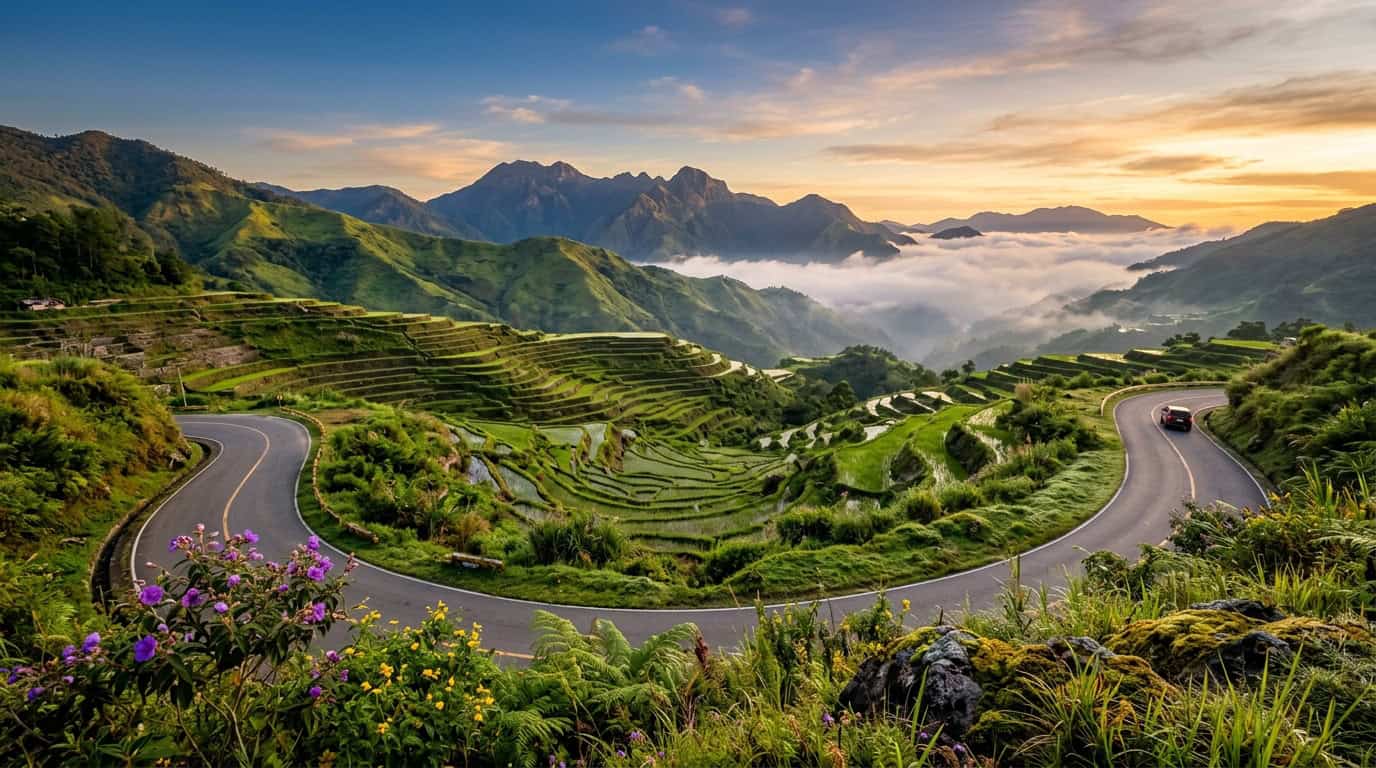
There is a specific kind of magic that happens when the humid heat of the lowlands gives way to the crisp, pine-scented air of the Cordilleras. On my last trip north, I watched the sunrise paint the rice terraces in hues of gold and realized that a well-planned Luzon highland itinerary is about more than just miles; it is about finding a slower, more intentional rhythm of life. With recent infrastructure upgrades making these rugged peaks more accessible than ever, there has never been a better time to discover the cultural heart of the Philippines.
Your journey through the Summer Capital and beyond offers a perfect blend of nostalgic charm and raw, natural beauty. Whether you are wandering through the misty art enclaves of Baguio or standing in silent awe before the ancient hanging coffins of Sagada, every stop on this circuit feels like a step back into a more soulful era. I’ve found that the best way to experience these highlands is to embrace the unexpected, from the sudden appearance of a sea of clouds at Marlboro Hills to the vibrant local flavors found in bustling mountain markets.
Key Takeaways
- The Philippine Cordilleras offer a profound cultural alternative to beach tourism, blending ancient indigenous traditions like the Sagada hanging coffins and Kalinga tattooing with a slower, more intentional rhythm of life.
- Successful highland travel requires strategic planning around the dry season (December to April) and the use of layered clothing to manage the significant temperature drop from the lowlands.
- Sustainable exploration of the region depends on hiring local guides to navigate rugged terrain and provide essential cultural context for sacred sites and UNESCO-listed rice terraces.
- Baguio serves as the essential gateway for acclimatization, offering a unique intersection of modern creative hubs, vibrant local markets, and traditional Benguet coffee culture.
Exploring The Pines And Peaks Of Baguio
Baguio serves as the perfect gateway to the Cordillera mountains, offering a refreshing escape from the tropical heat of the lowlands. As I stepped out into the crisp morning air, the scent of pine needles immediately told me I had reached the heart of the highlands. This city is far more than just a transit point, it is a creative hub where modern art meets deep-rooted indigenous traditions. I recommend spending your first day wandering through the local markets to see the vibrant weaves and fresh produce that define this region. It is the ideal place to acclimatize while enjoying a cup of locally grown Benguet coffee culture.
The Mirador Heritage and Eco Park has quickly become my favorite spot for finding a sense of peace above the bustling city streets. Walking through the bamboo groves and reaching the iconic red Torii gate feels like stepping into a different world entirely. From this vantage point, you can look out over the sprawling landscape and see the mist rolling across the distant peaks you are about to explore. The park beautifully balances spiritual reflection with environmental conservation, showcasing the creative energy that Baguio is famous for. It is an essential stop to ground yourself before heading deeper into the rugged northern terrain.
Your Baguio itinerary should prioritize a mix of iconic landmarks and hidden artistic gems to get a true feel for the city. Start your morning with a brisk walk around the flower gardens of Burnham Park before heading to the colorful houses of the Stobosa Valley mural. Make sure to visit the BenCab Museum to see incredible contemporary Philippine art set against a backdrop of lush forest greenery. In the evening, the night market offers a fantastic opportunity to find unique vintage clothing and taste local street food. This blend of cool climate and cultural richness sets a high bar for the rest of your journey.
Ancient Traditions In The Sagada And Kalinga Mountains
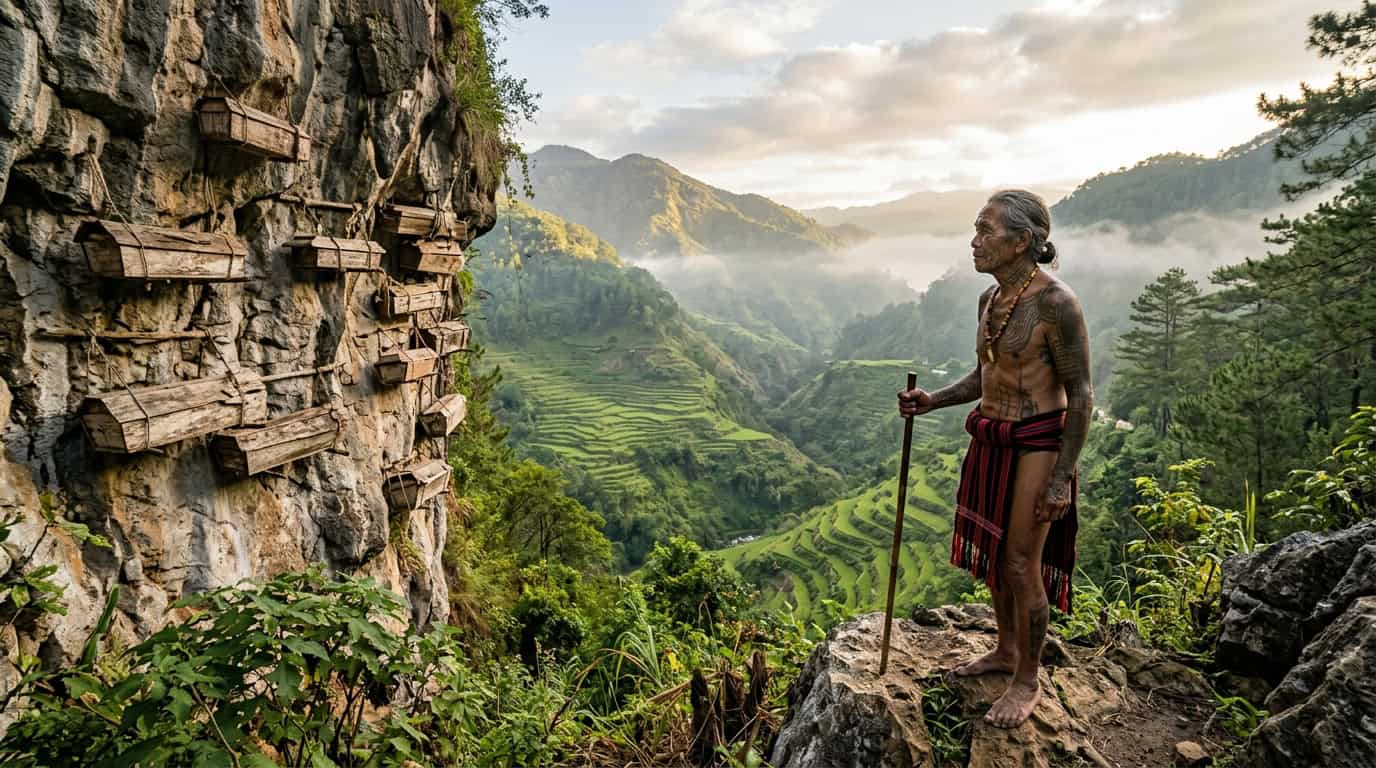
Standing before the limestone cliffs of Echo Valley in Sagada, I felt a profound sense of awe watching the weathered wooden hanging coffins suspended high above the forest floor. This ancient funerary custom, practiced by the Igorot people for centuries, serves as a poignant reminder that death is seen as a transition rather than an end. To reach this sacred spot, I trekked through mossy pine forests and descended into a valley where the air feels heavy with history and reverence. It is a humbling experience to witness how these communities have preserved their identity despite the modern world pressing in from all sides. If you are planning this leg of the journey, I recommend hiring a local guide who can explain the spiritual significance of the placement of each coffin.
The journey deeper into the Cordilleras led me to the remote village of Buscalan, where the rugged mountain ridges seem to touch the sky. This is the home of the legendary Apo Whang-od, the oldest traditional mambabatok tattoo artist, whose presence has turned this quiet village into a pilgrimage site for travelers. Sitting across from her as she used a pomelo thorn and soot to tap a permanent memory into my skin was a deeply personal exchange that transcended language. The village itself offers a raw look at Kalinga life, where the rhythmic sound of pounding rice echoes through the morning mist and community ties remain unbreakable. You should prepare for a strenuous hike to reach the village, but the warmth of the locals and the breathtaking views of the terraced hills make every step worth the effort.
Beyond the famous landmarks, the true magic of the Kalinga mountains lies in the quiet moments shared over a cup of locally grown coffee. I spent my evenings listening to stories of ancestral warriors and the complex social structures that still govern these highland tribes today. These interactions offered a distinct alternative to the typical Philippines island hopping itineraries, proving that the heart of the Philippines is found in its resilient people and high-altitude traditions. As you travel these winding mountain roads, remember to move with an open heart and a deep respect for the customs that have remained unchanged for generations. This part of the Luzon highland itinerary is not just about sightseeing, it is about connecting with a living heritage that continues to thrive in the clouds.
Trekking The UNESCO Rice Terraces Of Ifugao
Stepping into the Batad Rice Terraces feels like walking directly into a living postcard from two millennia ago. As I stood at the viewpoint overlooking the massive stone amphitheater, the scale of these hand-carved walls truly took my breath away. Navigating the narrow stone tiers requires a steady foot and a bit of courage, as some of the paths are only a few inches wide with steep drops into the paddies below. I highly recommend hiring a local Ifugao guide to help you navigate the maze of trails, as they share incredible stories about how their ancestors maintained this UNESCO World Heritage site without modern machinery. Be sure to wear sturdy trekking boots with excellent grip, especially if the mountain mist has made the ancient stones a bit slippery.
The trek down to Tappiya Falls is a highlight of the itinerary, but it is a journey that will certainly test your leg strength. Descending the steep, uneven steps leading to the base of the waterfall takes about forty-five minutes, and the climb back up is even more demanding. When I finally reached the bottom, the thundering roar of the water and the cool, refreshing spray made every drop of sweat worth it. Much like the ultimate Belize jungle itinerary, this trek rewards you with hidden waterfalls and ancient landscapes that feel untouched by time. I suggest packing a light microfiber towel and plenty of water, as the humidity in the valley can be quite intense during the midday sun. Taking a quick dip in the icy pool at the base of the falls is the ultimate reward before you begin the slow, steady hike back up to the village for a well-earned bowl of red rice.
Essential Planning Tips For The North Luzon Loop
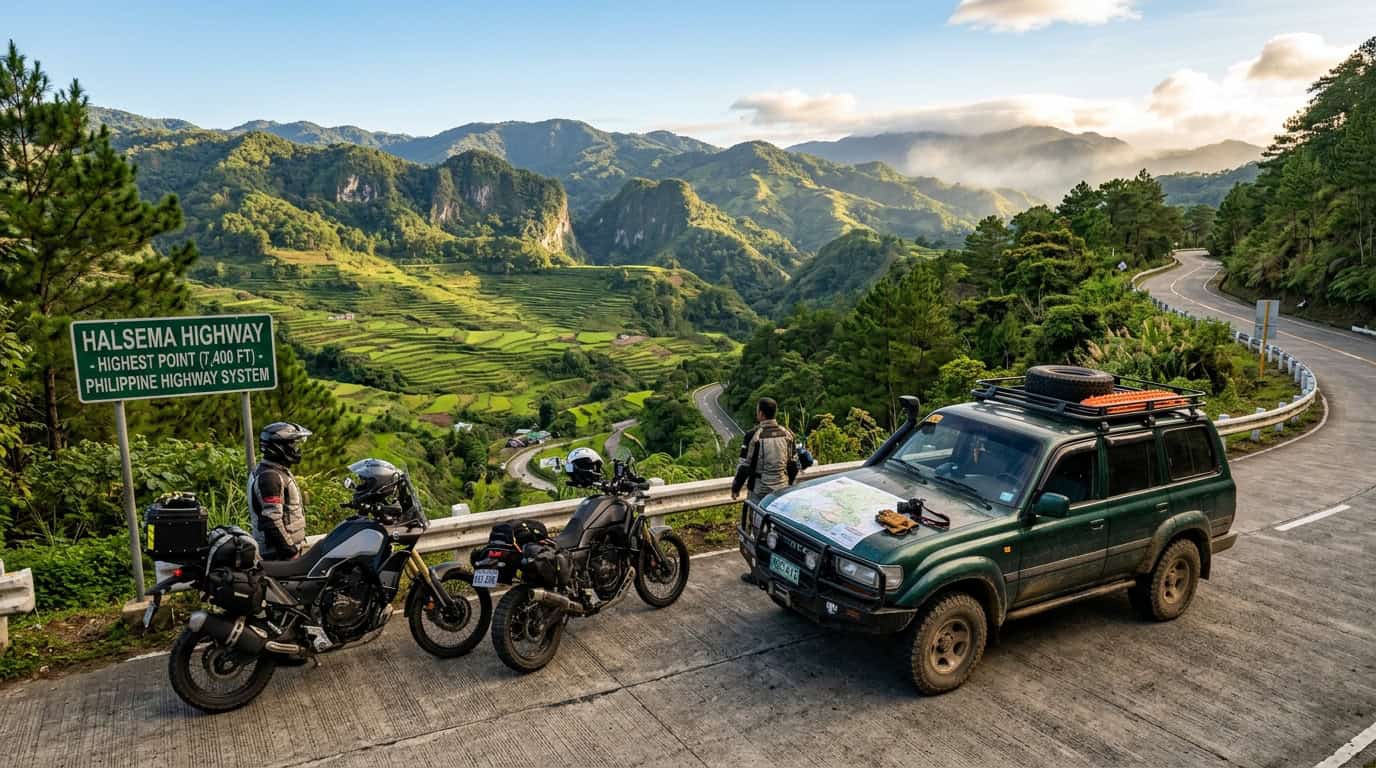
To kick off your highland adventure, I recommend catching a premium point to point bus from either Manila or Clark, as these modern coaches offer the most comfortable way to navigate the winding ascent into the mountains. If you are flying into Clark, you can bypass the Manila traffic entirely and head straight toward Baguio, which serves as the perfect gateway for acclimating to the cooler altitude. For those who prefer more flexibility, renting a private 4×4 vehicle is an excellent option for tackling the rugged terrain between Sagada and the remote rice terraces. I always suggest booking your return tickets in advance during peak season to ensure your transition back to the lowlands is as smooth as the mountain breeze.
Chasing the famous sea of clouds is a spiritual experience that requires a bit of timing and a very early wake up call. To see the mist rolling over the peaks of Marlboro Hills or Mount Pulag, plan your trip during the dry months between December and April when the air is crisp and the skies are clear. I remember shivering with a hot cup of local coffee in hand, waiting for the first light to hit the valley and reveal the white expanse below. Make sure to pack layers of warm clothing, as temperatures in the Cordilleras can drop significantly before dawn, even when the rest of the Philippines is sweltering. Much like exploring high-altitude estates in other parts of the world, the elevation here dictates the rhythm of your day and the gear you need to stay comfortable.
Traveling through these ancient mountain communities is a privilege that comes with the responsibility of preserving their unique cultural heritage. I encourage you to hire local guides for every trek, as their knowledge of the land is invaluable and your fees directly support the village economies. Please be mindful of your plastic waste and bring a reusable water bottle to help keep these pristine landscapes clean for future generations. Respecting local customs, such as asking for permission before taking photos of elders or sacred sites, ensures that your presence in the highlands remains a positive and sustainable one.
Embrace the Magic of the Cordillera Highlands
While the white sand beaches of the Philippines often steal the spotlight, the rugged emerald peaks of the Cordillera offer a soul-stirring alternative that you simply cannot find anywhere else in Southeast Asia. Trading the shoreline for the highlands means swapping humid afternoons for the crisp mountain air of Baguio and the mystical sea of clouds in Sagada. You will find that the true magic of Luzon lies in the ancient wisdom carved into the rice terraces and the warm smiles of the local communities who call these heights home. This journey is more than just a series of photo opportunities, as it is an invitation to slow down and connect with a landscape that feels both timeless and raw.
Choosing the highlands for your next adventure ensures that you leave with stories that go deeper than the typical vacation narrative. Whether you are marvelling at the hanging coffins of Echo Valley or navigating the limestone wonders of Sumaguing Cave, the physical beauty of the north is matched only by its cultural resilience. These mountains challenge you to explore further and reward you with vistas that stay etched in your memory long after you have returned to the lowlands. I encourage you to pack your trekking boots and head north to experience the Philippines’ last frontier for yourself.
Frequently Asked Questions
1. When is the best time to visit the Luzon highlands?
The most magical time to explore the Cordilleras is during the dry season from November to April when the air is crisp and the skies are clear. This window offers the best chance to witness the legendary sea of clouds at Marlboro Hills and ensures safer mountain driving conditions.
2. How should I prepare for the change in temperature?
The transition from the lowland heat to the pine-scented mountain air can be quite drastic, so layering is your best friend. Even if it feels tropical in Manila, bring a sturdy windbreaker and a warm fleece for those chilly Baguio mornings and misty Sagada nights.
3. Is it difficult to drive the highland route with recent infrastructure upgrades?
While the roads are better than ever, you should still prepare for winding paths and steep inclines as you weave through the clouds. If you aren’t comfortable with mountain driving, many reliable bus lines offer infrastructure upgrades directly to Baguio and Sagada for a stress-free journey.
4. What is the best way to experience the local culture in Baguio?
I highly recommend spending your first morning at the local markets where you can see vibrant indigenous weaves and taste fresh highland produce. Visiting creative hubs like the Mirador Heritage and Eco Park also provides a beautiful perspective on how modern art blends with deep-rooted Cordilleran traditions.
5. Do I need a guide for the attractions in Sagada?
Yes, local guides are essential and often required for visiting sacred sites like the hanging coffins or navigating the cave systems. These experts share invaluable ancestral stories that turn a simple hike into a soulful journey back through time.
6. What are the must-try flavors of the Cordillera region?
You cannot leave the highlands without savoring a cup of locally grown Benguet coffee while overlooking the terraces. Be sure to try the fresh strawberry preserves in Baguio and the hearty, traditional dishes found in the mountain markets to truly taste the spirit of the region.