
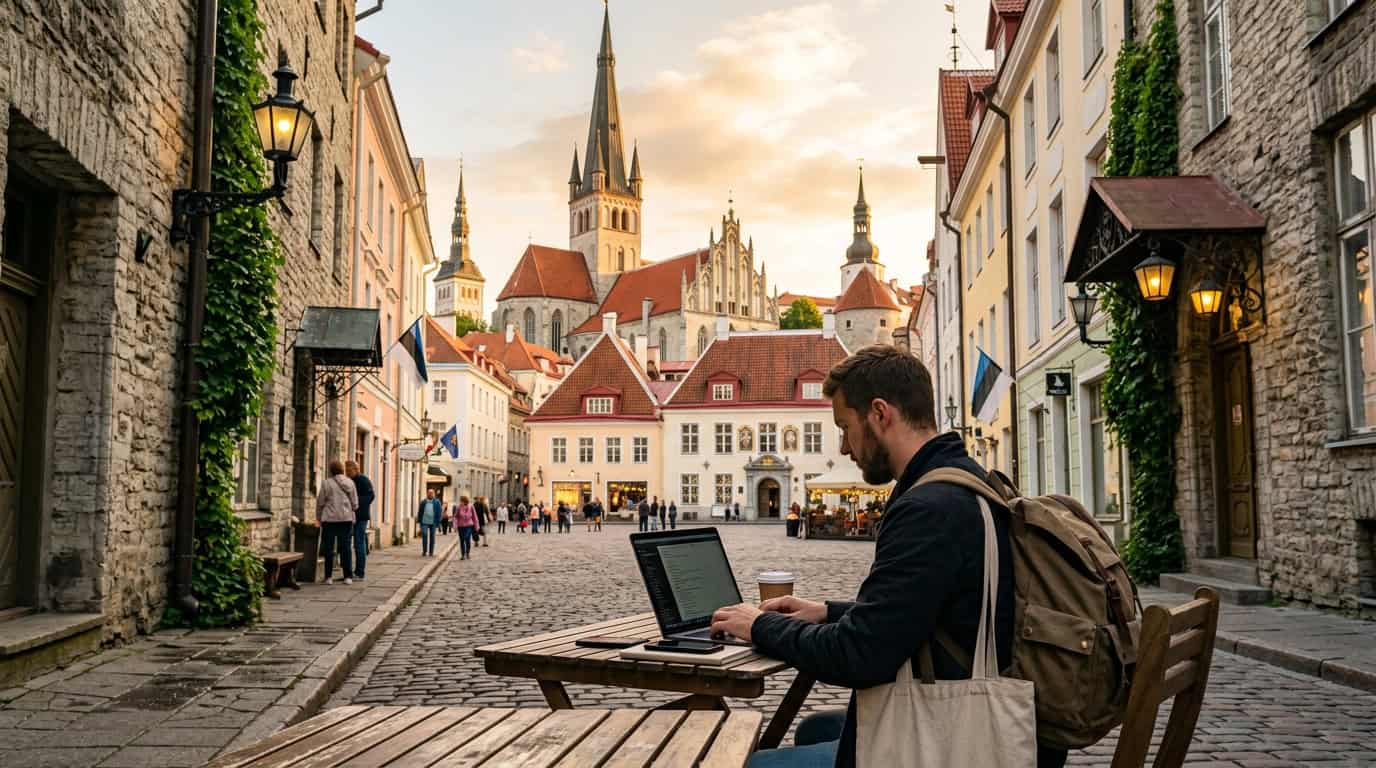
Imagine stepping into a world where cobblestone alleys from the 13th century lead you directly into a high-tech future. A tallinn city break in 2026 offers this exact magic, blending a UNESCO-listed medieval core with the seamless digital convenience of one of Europe’s most advanced tech hubs. I recently spent a morning wandering through the mist of the Hanseatic Lower Town, only to find myself ordering a gourmet coffee via a sleek delivery robot just moments later.
While the city’s reputation for innovation is soaring, it remains an incredibly accessible gem compared to its pricier Scandinavian neighbors. You can comfortably explore on a mid-range budget of €100 to €150 per day, enjoying everything from hearty merchant feasts to boutique stays in refurbished industrial warehouses. Whether you are hunting for the perfect panoramic view from Toompea Hill or seeking out the hidden galleries of the Telliskivi Creative City, Tallinn delivers a rich, multi-layered experience that feels both ancient and brand new.
Key Takeaways
- Tallinn offers a unique 2026 travel experience by seamlessly blending a UNESCO-listed 13th-century medieval core with world-class digital infrastructure and high-tech convenience.
- Travelers can enjoy a high-quality Northern European city break on a mid-range budget of €100 to €150 per day, providing a more affordable alternative to neighboring Scandinavian capitals.
- The city’s transformation of industrial spaces into creative hubs like Telliskivi and Noblessner provides a vibrant, modern contrast to the historic Hanseatic architecture of the Old Town.
- Strategic use of the Tallinn Card and local transport apps allows for efficient, low-cost exploration of over 40 attractions and seamless transit from the airport to the city center.
Stepping Into The Medieval Magic Of Vanalinn
Stepping into Vanalinn feels like walking directly into a beautifully preserved storybook, where cobblestone streets wind past pastel colored merchant houses and ancient stone walls. This UNESCO listed medieval core of Tallinn manages to feel both grand and intimate, offering a refreshing Baltic alternative to the more expensive capitals of Scandinavia. I spent hours wandering through the narrow alleyways, marveling at how the medieval Hanseatic architecture stands in perfect harmony with the city’s status as a modern digital hub. It is the kind of place where you can find high speed public Wi-Fi signal even while standing in the shadow of a fourteenth century watchtower. For the best perspective of this architectural magic, I always head straight to the Kohtuotsa viewing platform on Toompea Hill. The panoramic view of the terracotta rooftops against the backdrop of the modern city and the shimmering Baltic Sea is simply unbeatable for photography.
While the grand cathedrals are breathtaking, the true charm of the Old Town often hides in its quietest corners and smallest storefronts. I stumbled upon a tiny, historic marzipan shop tucked away near the Town Hall Square that has become my favorite stop for a sweet afternoon break. Estonia has a long standing love affair with this almond paste, and watching the local artisans hand paint intricate figures is a fascinating experience. It is a wonderful way to connect with the city’s culinary history without spending a fortune, as these treats are surprisingly affordable. These hidden gems provide a cozy refuge from the bustling main squares and offer a glimpse into the local traditions that have survived for centuries. Tallinn truly excels at providing this high quality, historical experience that remains accessible for mid range travelers looking for something unique.
Exploring Creative Hubs And Digital Nomad Culture
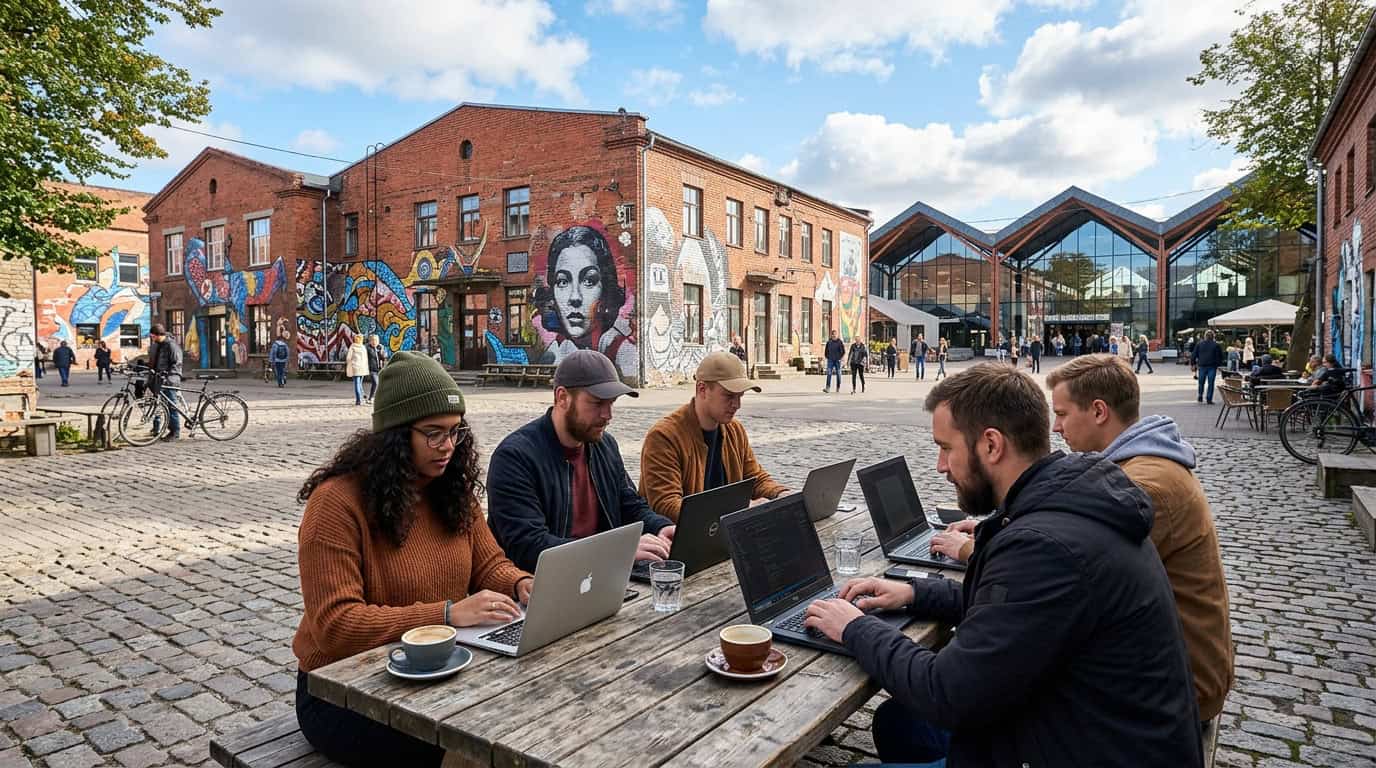
Step away from the cobblestone streets of the Old Town and you will find yourself in Telliskivi Creative City, the beating heart of Tallinn’s modern soul. This former industrial complex has been transformed into a vibrant neighborhood filled with street art, independent boutiques, and some of the best coffee I have ever tasted. Walking through the repurposed warehouses, I felt an infectious energy that perfectly balances the local history with an artistic future. It is the ideal spot to browse local designs or grab a craft beer while soaking in the bohemian atmosphere. You will find that the area serves as a communal living room for the city’s most innovative minds and curious travelers alike.
The transition from medieval history to cutting edge technology is seamless here, making Tallinn a premier destination for digital nomads. During my stay, I was blown away by the lightning fast public Wi-Fi and the abundance of laptop friendly cafes that welcome remote workers with open arms. The city’s high tech infrastructure is world class, yet it remains far more affordable than other Northern European capitals. It is incredibly easy to spend a morning working from a chic industrial studio and an afternoon exploring a 13th century fortress. This unique blend of digital convenience and Hanseatic charm creates a work life balance that is hard to beat.
For those planning a longer working holiday, the local culture is exceptionally supportive of the location independent lifestyle. I noticed that many creative spaces offer day passes and networking events, which are perfect for meeting fellow travelers and local entrepreneurs. The efficiency of the city means you spend less time worrying about connectivity and more time enjoying the affordable Baltic cuisine. Between the high speed internet and the inspiring backdrop of the creative hubs, it is easy to see why so many professionals are choosing this city as their temporary base. Tallinn truly proves that you can enjoy a high tech lifestyle without losing touch with history and art.
Budgeting For Your Perfect Estonian Escape
Navigating the costs of this Baltic gem is surprisingly straightforward, especially when you consider how much history and tech-savvy convenience you get for your money. While prices in Northern Europe have risen lately, I found that a mid-range budget of €100 to €150 allows for a truly comfortable experience without cutting corners. You can easily find charming mid-range hotels for around €80 per night, leaving plenty of room in your wallet to explore the cobblestone alleys of the UNESCO-listed Old Town. I highly recommend picking up a Tallinn Card early in your trip to unlock free public transport and entry to over 40 top attractions. This little card is a lifesaver for your budget, as it covers everything from the Great Guild Hall to the breathtaking views from the TV Tower.
Eating well in Tallinn does not have to break the bank if you know where to look beyond the main tourist squares. I discovered that the best way to find authentic meals for under €15 is to head toward the creative hubs where the local digital nomad community gathers. Many bistros offer hearty daily specials that feature traditional Estonian rye bread and fresh local ingredients at a fraction of the price of fine dining. One of my favorite memories was grabbing a quick, savory pancake at a local market stall before heading back into the medieval heart of the city. These affordable spots offer a genuine taste of the modern Estonian lifestyle while keeping you fueled for a full day of sightseeing.
The beauty of a Tallinn city break lies in its ability to feel like a luxury getaway even on a modest budget. You can spend your morning marveling at 13th-century architecture and your afternoon working from a high-tech cafe with world-class Wi-Fi. By prioritizing the Tallinn Card for your museum hops and choosing casual eateries for lunch, you can save your Euros for a special dinner in a candlelit cellar. This balance of ancient charm and digital efficiency makes the city one of the top digital nomad destinations in Europe for 2026. It truly proves that you can experience the rich heritage of the Baltics without the staggering price tags of nearby Scandinavian capitals.
A Three Day Tallinn City Break Itinerary
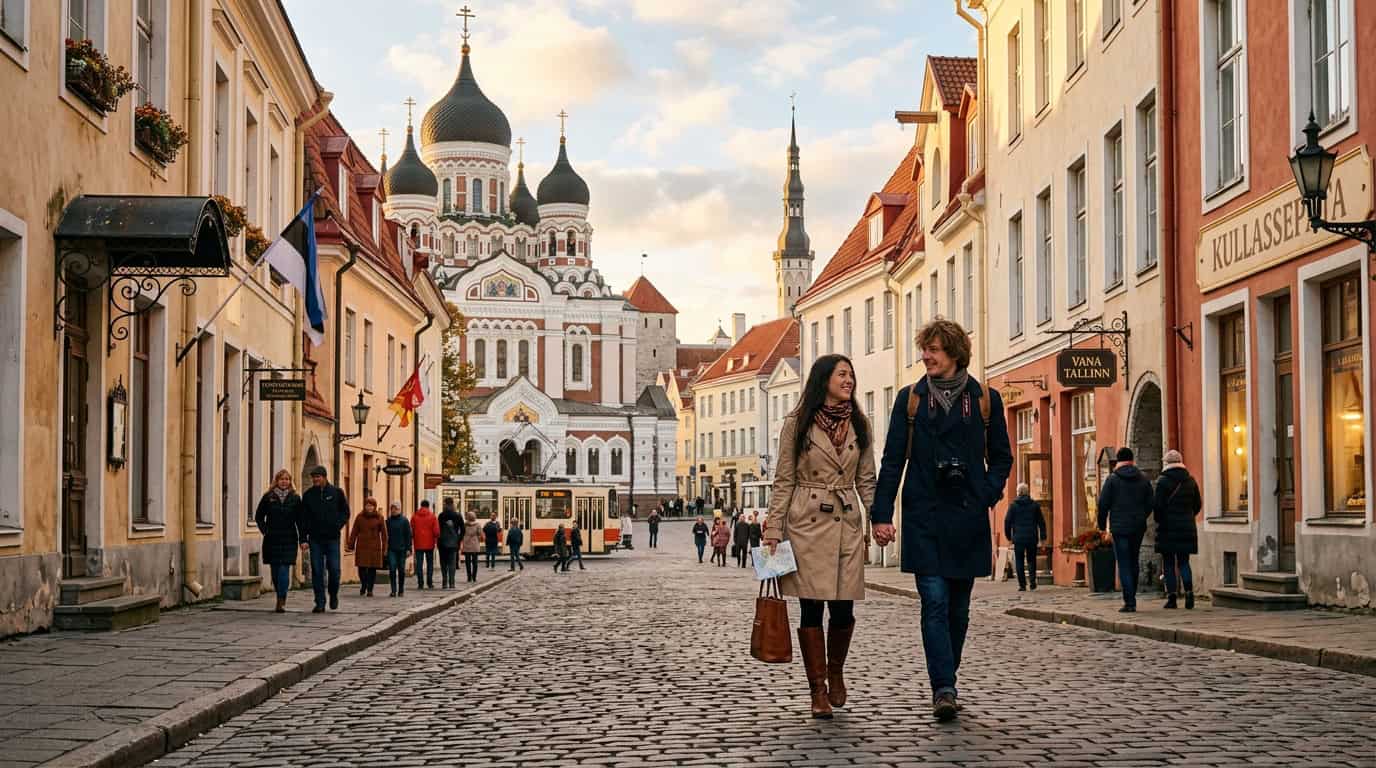
Your first day in Tallinn begins within the cobblestone embrace of the Old Town, where Hanseatic history feels alive in every limestone alleyway. I recommend starting at Raekoja Plats to admire the medieval architecture before climbing up to the Kohtuotsa viewing platform for that iconic orange-roofed skyline view. By afternoon, you can contrast this ancient charm with the cutting-edge digital nomad scene at Telliskivi Creative City, a repurposed industrial space full of street art and local boutiques. This blend of old world soul and tech-forward energy is exactly what makes the city so captivating for modern travelers. It is the perfect introduction to a capital that balances its Baltic heritage with a vision for the future.
On day two, you should head east to explore the regal elegance of Kadriorg Palace and its sprawling, manicured gardens. The palace was built by Peter the Great and offers a stunning look into the region’s imperial past, while the nearby Kumu Art Museum provides a deep dive into Estonian identity. After soaking in the greenery, make your way toward the coast to visit the Seaplane Harbour museum for a look at maritime history. To wrap up the afternoon, I suggest a walk through the eerie, crumbling corridors of Patarei Prison. This former sea fortress tells a somber but essential story of the twentieth century, providing a powerful contrast to the beauty of the gardens.
The final day of your journey is best spent exploring the trendy Noblessner district, where historic shipyards have been transformed into a vibrant waterfront hub. This area perfectly showcases Tallinn’s knack for urban renewal, offering great spots for a casual lunch by the Baltic Sea. In the afternoon, take a short trip to the Estonian Open Air Museum to see traditional rural architecture and learn about the folk traditions that shaped the nation. It is a peaceful way to reflect on the country’s resilience and cultural depth before your departure. As the sun sets, grab a craft beer in a local cellar and toast to a city that is as affordable as it is unforgettable.
Why Tallinn is Your Next Must-Visit Baltic Gem
Tallinn is a rare destination that manages to feel like a step back into the Middle Ages while simultaneously operating as one of the most digitally advanced cities on the planet. Whether you are wandering through the cobblestone alleys of the UNESCO listed Old Town or exploring the sleek, tech savvy hubs of the modern districts, the city offers a perfect balance for any traveler. This affordable Baltic gem provides the historic charm of a magical Central European escape without the stifling crowds or high price tags often found in Western Europe. It is the ideal place to satisfy your craving for Northern European history while enjoying the comforts of a high speed, modern infrastructure.
As you plan your final arrangements, my best piece of advice for your arrival is to skip the expensive private transfers and embrace the local efficiency immediately. The city is incredibly compact, and the modern tram system can whisk you from the airport to the heart of the medieval core in just a matter of minutes for a few euros. I recommend downloading the local transport apps ahead of time to make your transition into the city seamless and stress free. Once you drop your bags at your hotel, head straight to the nearest bakery for a warm cardamom bun and let the magic of the Hanseatic skyline welcome you home.
Choosing Tallinn for your next city break ensures an experience that is as easy on your wallet as it is inspiring for your soul. From the colorful gables of the merchant houses to the innovative spirit of the local community, it is a destination that truly belongs at the top of your 2026 travel bucket list. Much like finding your perfect corner of a historic district, you will likely find yourself charmed by the local hospitality and the unique way the city preserves its past while racing toward the future. Pack your camera and a sense of wonder, because this ultimate city break for history lovers is ready to be discovered.
Frequently Asked Questions
1. Is Tallinn an expensive destination compared to Scandinavia?
Tallinn is an incredibly accessible gem that offers much better value than its neighbors across the Baltic Sea. You can enjoy a high quality experience on a mid-range budget of 100 to 150 Euros per day, which covers boutique warehouse stays and hearty merchant feasts.
2. What is the best way to see the city’s famous medieval skyline?
I always recommend heading straight to the Kohtuotsa viewing platform on Toompea Hill for the most iconic perspective. From there, you can see the terracotta rooftops and ancient watchtowers set against the backdrop of the modern, high tech city.
3. How does the digital culture impact my visit to the Old Town?
You will experience a seamless blend of the 13th century and the future, where high speed Wi-Fi is available even among medieval ruins. It is common to see sleek delivery robots navigating the same cobblestone alleys that Hanseatic merchants walked hundreds of years ago.
4. Where should I go to find the more modern and creative side of the city?
Make your way to the Telliskivi Creative City to explore hidden galleries and vibrant street art. This area is a perfect example of Tallinn’s transformation, where refurbished industrial warehouses now host the city’s most exciting boutique shops and cafes.
5. Is the Old Town easy to explore on foot?
The UNESCO listed heart of the city, known as Vanalinn, is perfect for wandering and best explored by walking the winding cobblestone streets. While the hills provide great views, the area remains intimate enough to discover hidden gems and pastel merchant houses around every corner.
6. What makes a Tallinn city break unique in 2026?
The city offers a rare magic by functioning as a modern tech hub while preserving its ancient storybook charm. It is one of the few places on earth where you can transition from a 14th century watchtower to a high tech digital hub in a single morning.